Pittsfield Queries Community on Open Space, Recreation Needs
PITTSFIELD, Mass. — The city is progressing with its 10-year update of the Open Space and Recreation Plan with another public hearing held last Thursday.
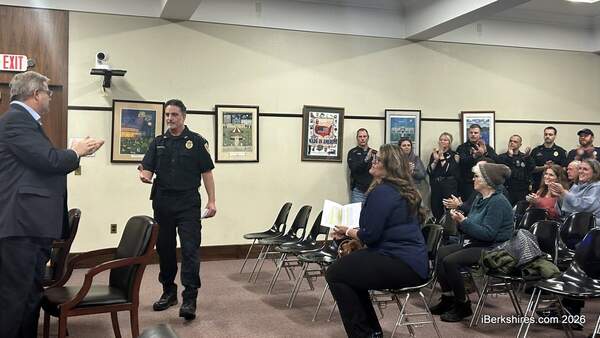
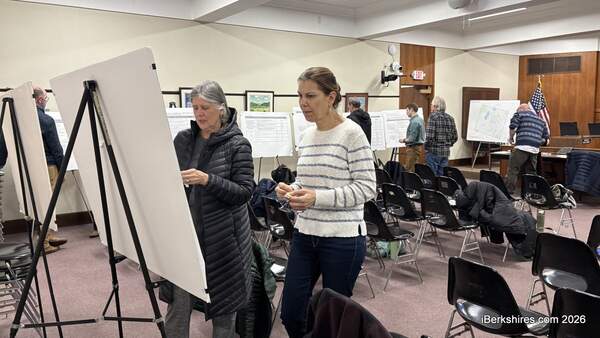
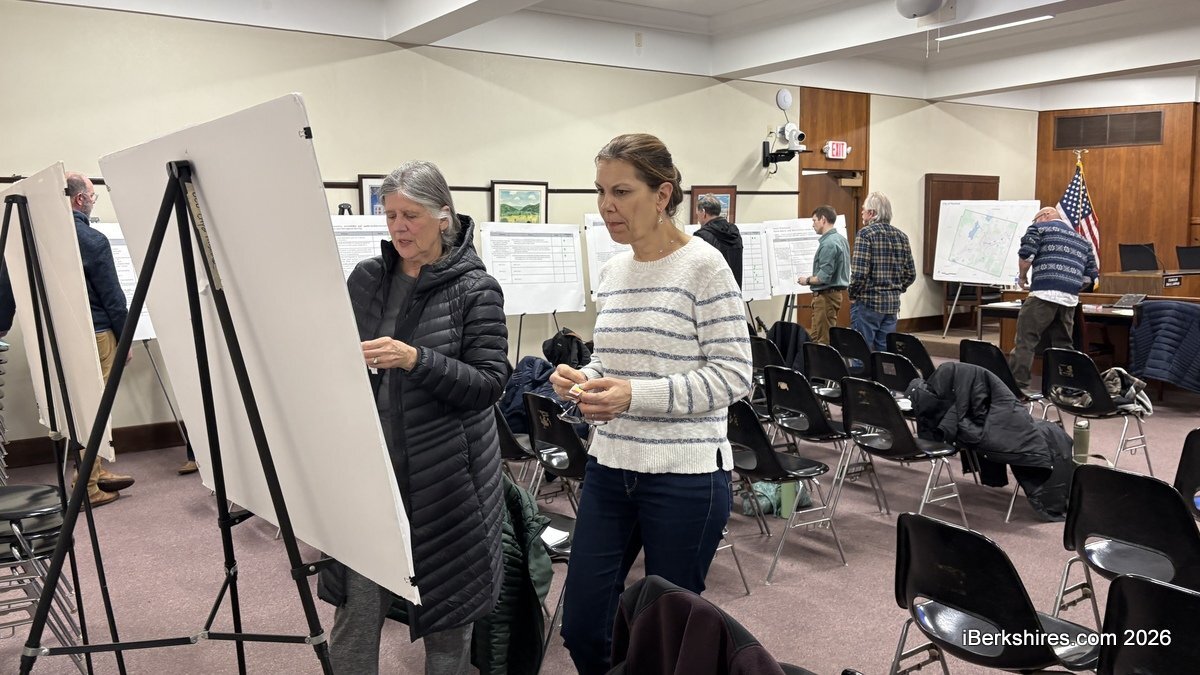
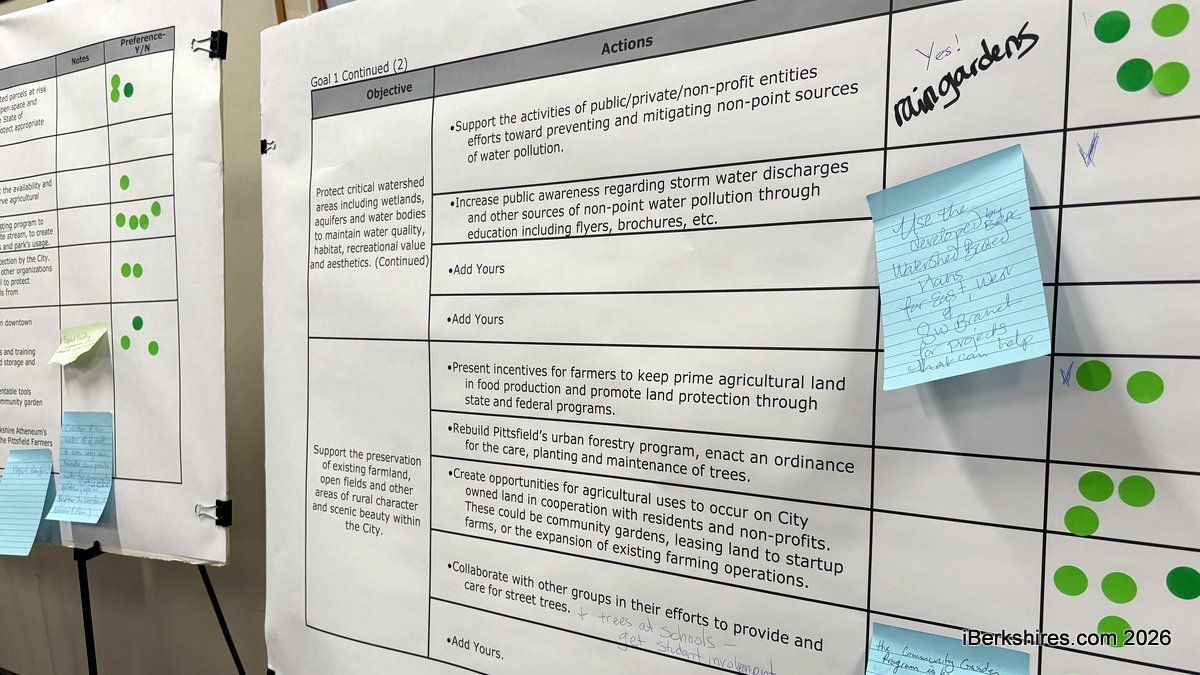
Stationed around Council Chambers were bulletin boards listing the OSRP's four major goals, 13 objectives, and around 65 actions. Attendees placed green stickers on their preferences, made other notes, and the evening concluded with a presentation from the Conway School on local environmental education.
"At its core, the open space plan really is the roadmap that we follow collectively to get to the goals that we have collectively enunciated on how we want to see our park system grow and develop," Parks, Open Space, and Natural Resources Manager James McGrath explained.
Open space and recreation plans are a tool communities use to plan for conservation and recreation needs and are reviewed by the Division of Conservation Services. Open spaces go beyond city parks, as preserves, land trusts, water bodies, farms, forests, and more fall under that category.
Five former goals were reduced to four:
- Protect, preserve, and maintain natural resources to maximize the amount, variety, and distribution of open space and water resources to maintain biodiversity and provide benefit to the public.
- Provide opportunities, resources, accessibility, and quality facilities for both recreation and conservation uses throughout the City.
- Ensure necessary funding for open space, natural resources, and park planning for the upgrade and maintenance of existing parks and to further the goals, objectives, and strategies of the Open Space & Recreation Plan.
- Promote zoning that expands opportunities for the protection and further utilization of Open Space in both rural and downtown Pittsfield. Encourage infill development by allowing a greater variety of uses in areas zoned Form Based.
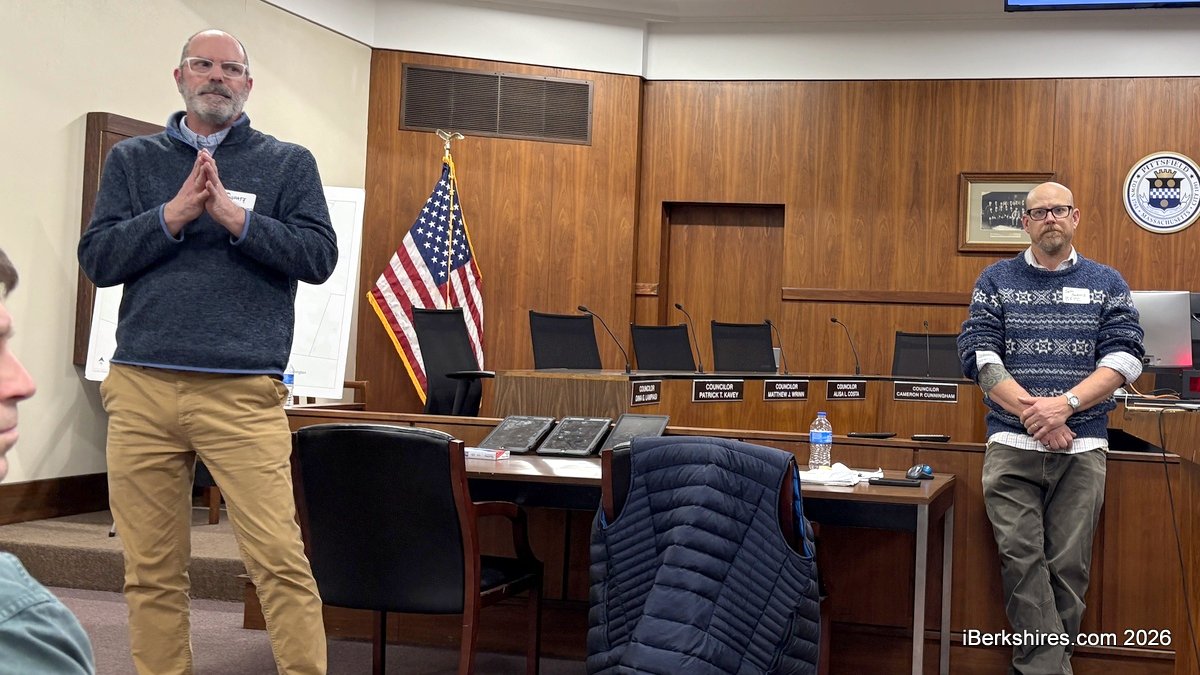
Pittsfield has been working with the Berkshire Regional Planning Commission over the last couple of years to update its plan, since the last one ran until 2024. Seth Jenkins, senior planner at BRPC, explained that it opens Pittsfield up to many state grant programs.
"We applied for a grant from the state to do the lion's share of this Open Space and Recreation Plan development," he said.
"We received that grant last fall, so now we're really engaging in developing the plan."
A hearing was held about a year ago.
The plan used to span five years, but will now go for ten. Its development is in conjunction with Pittsfield’s master plan process.
The Pittsfield Master Plan is the policy guide for physical development, covering land use, infrastructure, sustainability, and more. The plan was last updated in 2009, and the new plan will shape the city’s next 15 years.
In December, community members transcribed their visions on whiteboards corresponding with the eight chapters: land use, housing, economic development, historic and cultural resources, public facilities and services, open space and recreation, sustainability and climate resiliency, and transportation.
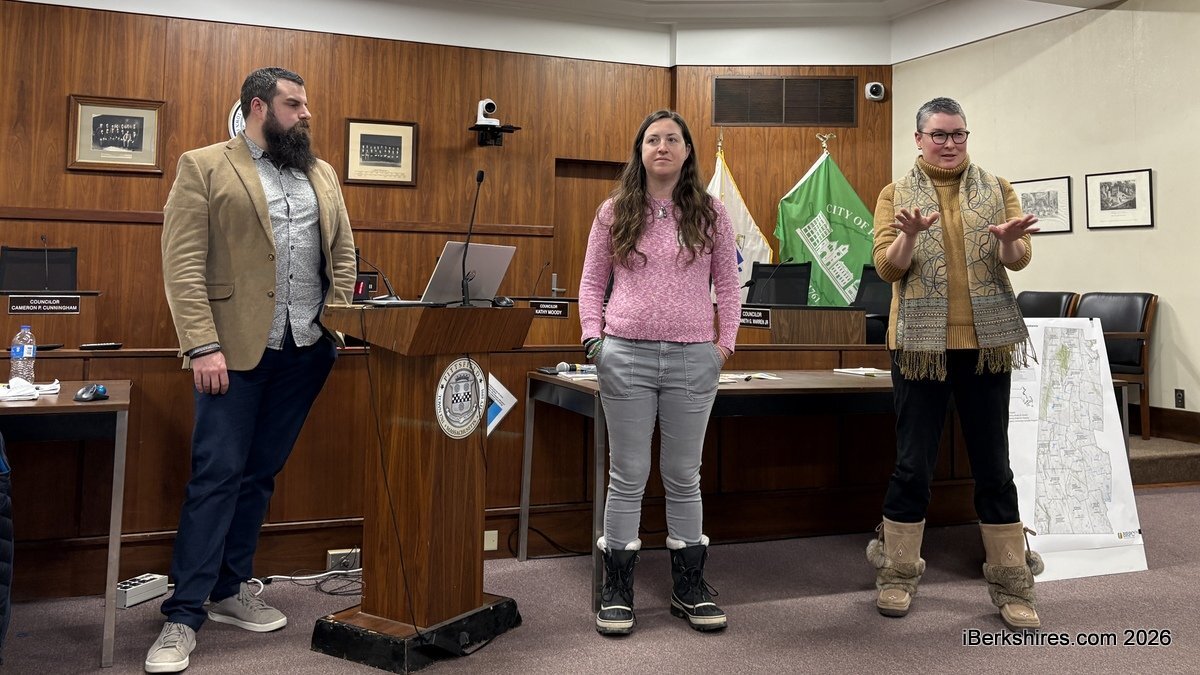
The Berkshire Natural Resource Council has enlisted the Conway School of Landscape Design in Northampton to evaluate gaps in environmental education opportunities across the city. McGrath said their work will "absolutely" help inform the city’s plans, relative to programming, partnerships, and opportunities.
BNRC, established in 1967, manages or stewards almost 30,000 acres in Berkshire County.
Millie Manning, of the Conway School, said they have first been reaching out to community organizations that are already doing the work in Pittsfield, which includes many nonprofits.
"The fact that nature programs were so heavily represented in the last OSRP survey really piqued our interest," she explained.
The team is also considering how transportation access affects the equation and has identified places in the city center that are walkable and could host nature education.
Tags: master plan, open space, outdoor recreation,