Pittsfield Health Board Supports Community EMS Program
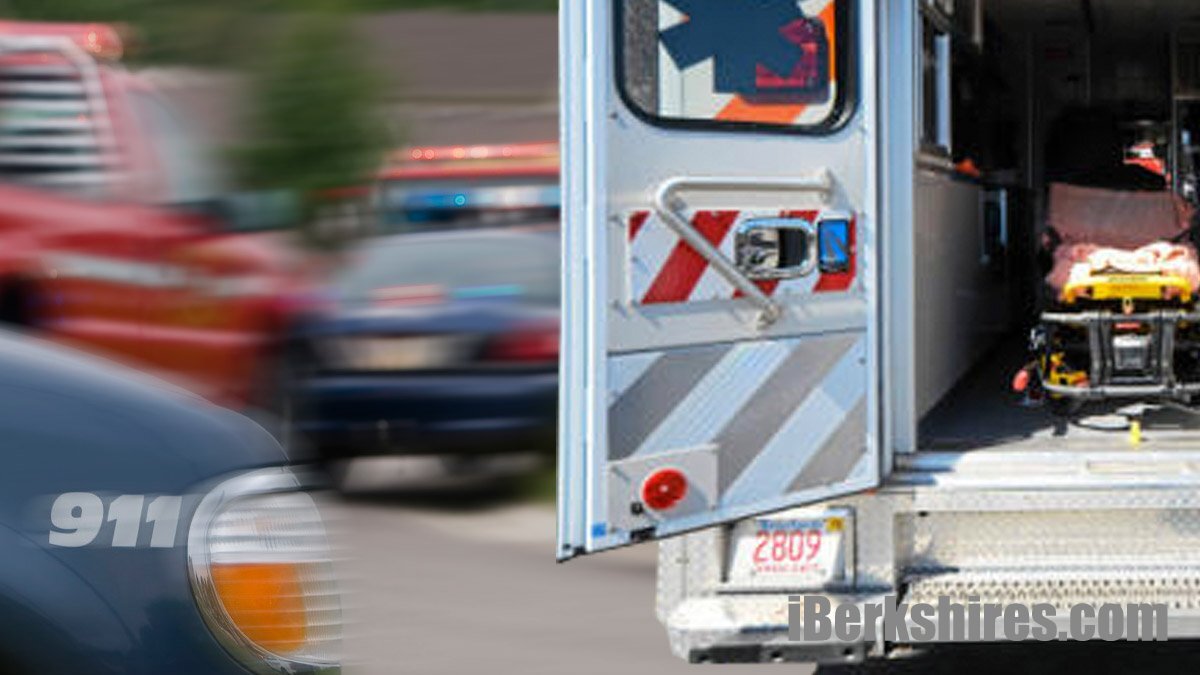
PITTSFIELD, Mass.— The Board of Health supports a Community Emergency Medical Services program in the city.
Last Wednesday, board members motioned to support County Ambulance's application for a CEMS program administered by the Massachusetts Department of Public Health. Health officials hope this will increase the accessibility of non-emergency health care for Pittsfielders.
"I can't imagine what community wouldn't benefit from something like this," Chair Roberta Elliott said.
The program aims to fill gaps in health-care access by delivering preventive, non-emergent, and post-crisis care, where a person is most comfortable. It's about meeting people where they are at, paramedic Austin White told the board.
"The Community EMS program will allow our providers to complete on-scene screenings of these patients, providing referrals, behavioral health clinicians via warm handoffs, and in emerging cases, we can coordinate transport to the emergency department for crisis team evaluation," he explained.
"The overall goal is to reduce the stigma surrounding mental health, reduce the unnecessary emergency department admissions, and coordinate a continuity of care for these patients."
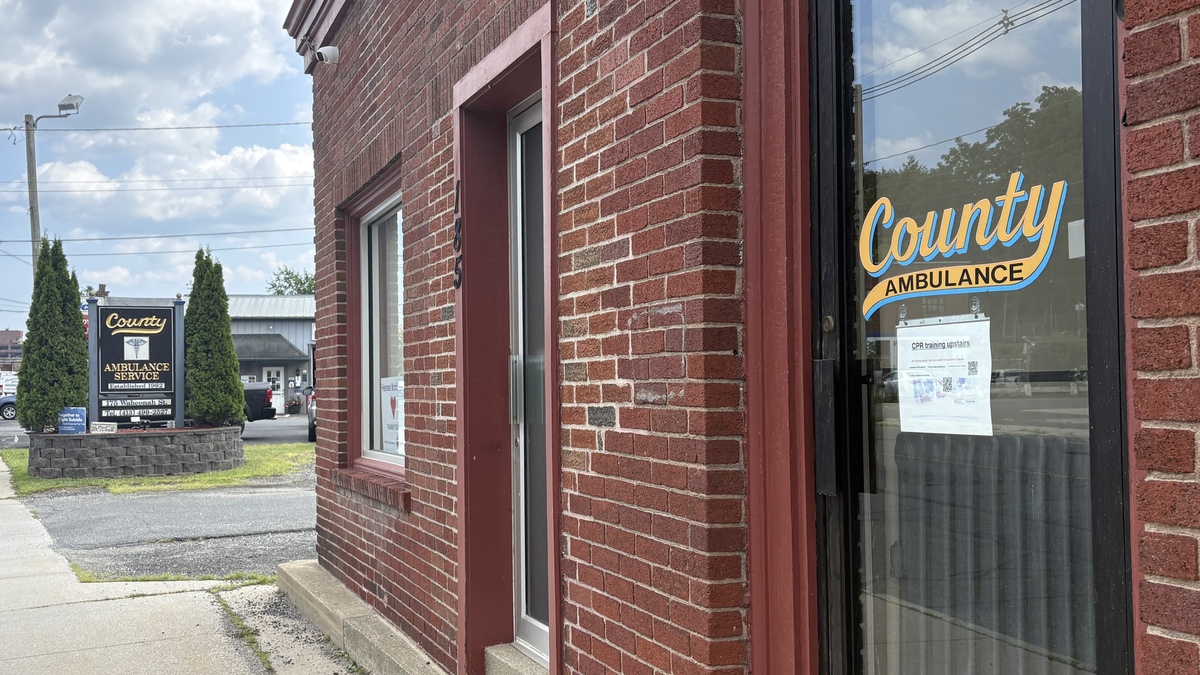
The privately owned, family-operated County Ambulance has provided 911 ambulance service in Pittsfield since 1984 and aims to have the CEMS program operational by late September. The program benefits those who frequently use EMS and the hospital emergency department, have behavioral health or substance use disorders, are experiencing housing insecurity, or have recently been discharged from the hospital and are chronically ill.
"Our Community EMS programs plan to be operational year-round, with pre-scheduled EMS employees who will be available to respond to referral requests," White said.
"The goal is to intercept the crises before they escalate to reduce 911 usage and [emergency department] overcrowding, and the Community EMS program is designed to assist in referral and connection to necessary outside services that patients may not regularly be able to receive access to."
There are several core services in the program designed to support people "where they are physically and emotionally," including post-overdose outreach, naloxone training and distributions, sharps safety and awareness, housing instability assistance, behavioral health referrals, and scheduled well-being checks.
It is expected to integrate "seamlessly" with the current EMS system and with the public safety sector.
Berkshire Health Systems' Community Needs Assessment, published in 2023, indicates that 23.4 percent of patients report unmet healthcare needs, which is 7.4 percent higher than the rest of the state, with 34 percent lacking access to mental health care and 38 percent reporting housing insecurity.
"We've also seen a reduction in opioid related EMS calls from 347 in 2020 to 262 in 2023, which is directly associated with the significant access to public Narcan and education training through our local organizations," White reported.
He explained that the program "thrives off of partnerships and support from our surrounding agencies and organizations." The CEMS program is currently funded by two grants coordinated through the Berkshire Regional Planning Commission and will be at no cost to the community or its patients.
The application must be completed by a local public health authority, such as a board of health, in partnership with the primary ambulance service where the proposed Community EMS Program will operate. County Ambulance is the city's designated primary ambulance provider.
Director of Public Health Andy Cambi explained that when White approached him, he said, "This is a great idea. I fully support it. I know the board will fully support it."
Tags: ambulance service,