Berkshire County in Mild Drought
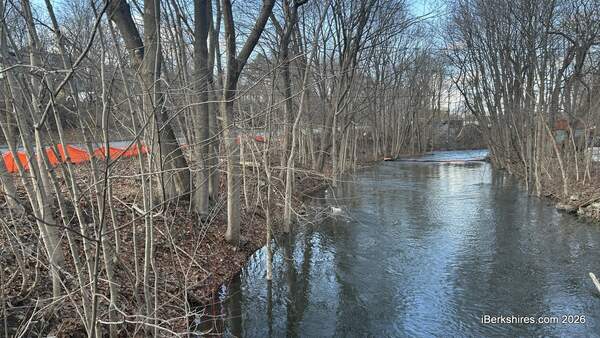
BOSTON — Energy and Environmental Affairs (EEA) Secretary Rebecca Tepper declared the Connecticut River Valley, Central, Southeast and Western regions of the state have been downgraded to a Level 1 – Mild Drought status following two months of above normal precipitation.
This includes Berkshire County.
As outlined in the Massachusetts Drought Management Plan, a Level 1 – Mild Drought, and a Level – 2 Significant Drought require detailed monitoring of drought conditions. These levels also require ongoing coordination among state and federal agencies to implement drought response actions such as water use restrictions. Additionally, engagement with municipalities, including local Boards of Health, is essential. This includes providing technical outreach and assistance to water suppliers and affected municipalities.
"The spring showers and several months of consistent rain and snowfall have provided much-needed relief," said
EEA Secretary Rebecca Tepper. "But it's important to recognize it takes months to recover from a prolonged drought. We all need to continue to be mindful of our indoor water use. As we enter the growing season, everyone must continue to follow state guidance and local water restrictions, including limiting outdoor watering and being vigilant of leaks."
Above-average precipitation over the last couple of months has helped improve streamflow and raise groundwater levels in several regions. However, drought conditions are still affecting the regions in the eastern part of the state due to ongoing precipitation deficits. In most regions of the state, monthly precipitation has generally ranged from around 4 to 6 inches. Over the past three months, precipitation has been near-normal across Central and Northeastern regions, while the Cape and Islands regions have experienced 40 percent below average precipitation for the past six months. The data collected by the Drought Management Task Force (DMTF) reflects the observations made from the start of the drying conditions in August 2024 through the end of March 2025.
Residents can report dry environmental conditions they are experiencing and submit photos to
support state drought monitoring efforts here.
The Massachusetts Department of Environmental Protection (MassDEP) will continue to provide technical assistance to communities on managing their water systems, including assistance on the use of emergency connections and water supplies.
It is important to note that the Massachusetts Water Resources Authority (MWRA) water supply system is not experiencing drought conditions, as defined within its individual plan.
However, private well users and other sources of water within the same river basins can be impacted by the drought conditions. All sources of water, regardless of their location or type of withdrawal, ultimately draw from the same river basin.
It is important for all users to do their part to conserve water.
Below are recommendations for communities and individuals living and working within a Level 1 – Mild Drought. Residents and businesses are also asked to check with their local water system in case more stringent watering restrictions are in place.
For Regions in Level 1 – Mild Drought
Residents and Businesses:
- Minimize overall water use;
- Limit outdoor watering to one day per week from 5:00 PM to 9:00 AM, or less frequently if required by your water supplier;
- Plant only local and drought-resistant species;
- Fix indoor leaks, such as from toilets, faucets, and showers, which result in more than 60 percent of indoor use;
- For larger buildings and businesses, conduct water audits to identify areas of leaks and potential water conservation opportunities;
- Minimize lawn sizes; and,
- Harvest rainwater for outdoor watering.
Steps for Communities/Municipalities:
- Establish a year-round water conservation program that includes public education and communication, taking advantage of the state’s library of outreach materials;
- Provide timely drought and water conservation information to residents and businesses;
- Check emergency inter-connections for water supply; and
- Develop a local drought management plan (learn more here).
State agencies will continue to closely monitor and assess conditions across the state, coordinate any needed dissemination of information to the public, and help federal, state, and local agencies prepare additional responses that may be needed in the future. The Drought Management Task Force will meet again on Wednesday, May 7 at 1:00 pm. For further information on water conservation and what residents can do, visit the EEA’s drought and water conservation pages.