Pittsfield Council OKs Tax Incentive, Historic District Study Committee
PITTSFIELD, Mass. — The City Council has approved a tax agreement to transform a historical downtown property into housing, and an effort to designate a local historical district in that area.
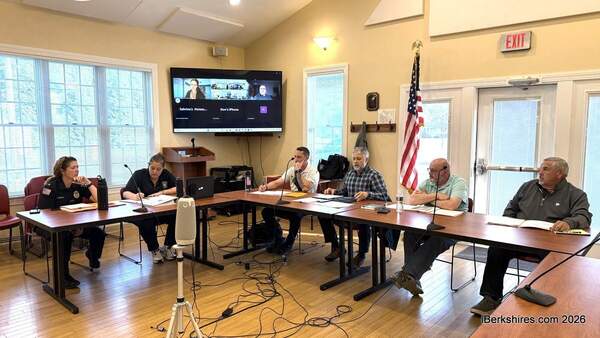
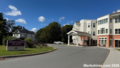
Last week, the council OKed a tax increment exemption agreement for Allegrone Company's redevelopment of 24 North Street, the former Berkshire County Savings Bank, and 30-34 North Street into mixed-income housing. Councilors also approved a study committee to consider a Local Historical District in the downtown.
The subcommittee on Community and Economic Development unanimously recommended the TIE earlier this month.
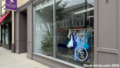
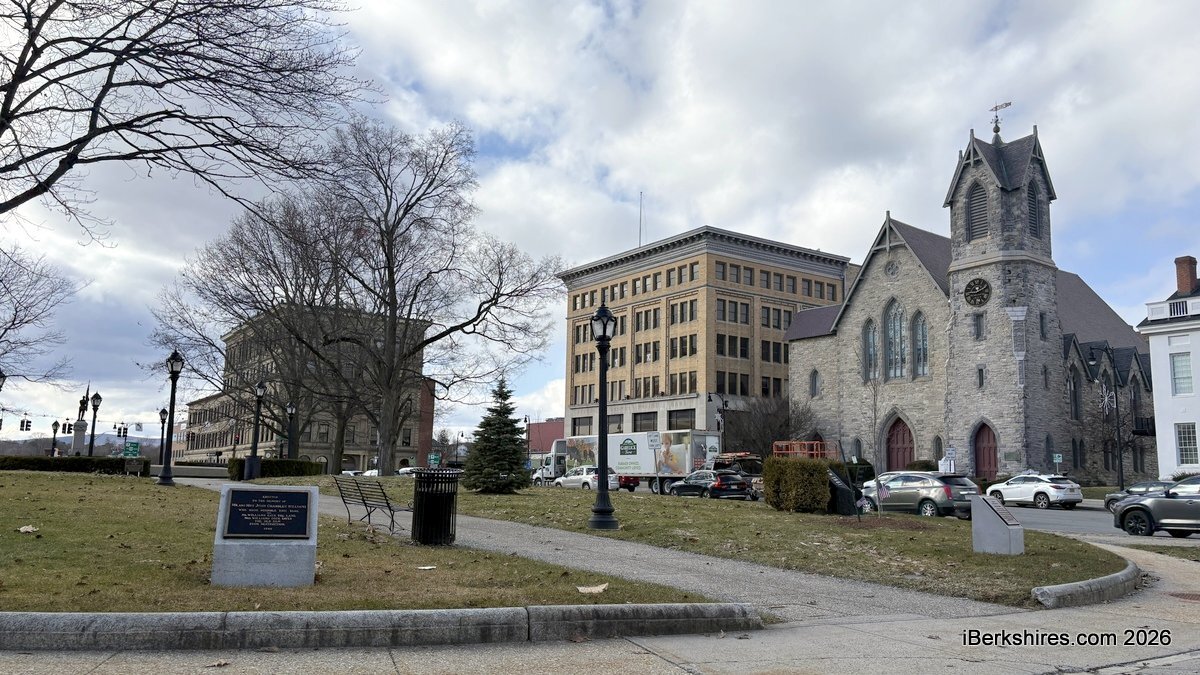
The historic 24 North St. with a view of Park Square has been vacant for about two years, and Allegrone Companies plans to redevelop it and 30-34 North St. into 23 mixed-income units. The total estimated capital investment for both sets of apartments is $15.5 million.
The 10-year tax increment exemption freezes the current value of the property, base value, and phases in the increased property taxes that result from the redevelopment. The increased property taxes will be phased in over 10 years, with 100 percent forgiveness of the incremental increase in residential property taxes in the first year, decreasing by 10 percent each subsequent year over the term.
Last month, Gov. Maura Healey visited the site and announced housing initiatives that are expected to bring more than 1,300 units online, including units in Pittsfield and at the historic site.
Ward 1 Councilor Kenneth Warren pointed out that the TIE triggers Allegrone's ability to receive state tax incentives and grants, recalling that they could see as much as $3 million.
"We have a vacant bank building that's completely empty and everything, and we're going to be able to put something in it, and part of this project does have commercial, but it's a lot of apartments too," he said.
"So I mean, it's a lot of advantage to the city of Pittsfield."
Ward 7 Councilor Katherine Moody said the $15 million invested in the downtown will pay dividends to the housing crisis, and in her five years of working at General Dynamics, she saw young engineers moving to the area struggle to find a place to rent or buy. Moody had many questions about the proposal, as her constituents did, but felt they were answered.
"I think it's so important that we do this and that we support this company in revitalizing our downtown," she said.
"And the tax break is around $400,000 or $500,000 over 10 years, and I think that that's a solid investment in our downtown community."
As an employee of an out-of-the-area housing organization, Councilor at Large Alisa Costa reported that building costs about $450,000 per unit. She added that the city needs all types of housing built, and when market-rate units come online, more of the cheaper units will become available.
"We do live in the capitalist world here. In order to make it viable for builders, there needs to be a whole slew of layering of a little bit of tax relief. The state gives grants to builders and developers to make up that difference," Costa said.
"We need more housing. We need 1,000 more units out here in Berkshire County, and without these types of units, we are going to struggle to bring in new businesses."
The council also voted to amend the City Code, Chapter 2, to establish a Local Historical District Study Committee. The former Berkshire County Savings Bank building looks out onto Park Square, the focal point of the proposed historic district.
It was ordained with no discussion, but the prior day, City Planner Kevin Rayner previewed the petition to the Historical Commission. It was passed along to the City Council with unanimous support from the Ordinance and Rules Subcommittee, so he did not expect resistance.
"It's very straightforward. It's not a risk for anybody to let us look into this for a year and a half," Rayner told the Historical Commission.
The study committee will have three to seven members, and Rayner would like to begin the year and a half long process in the next couple of months.
The city has more than 20 locations on the National Register of Historic Places, including the Park Square Historical District, but the designation just allows communities to apply for federal tax credits and doesn't impose restrictions on buildings. The central area was laid out a few decades after Pittsfield was given a town charter in 1761, and was the site of the first agricultural fair in 1810.
A district can be one building, several buildings, or an area. Historic restrictions only apply to the exterior of buildings.
The council also approved measures to make government more accessible: Costa and Councilor at Large Earl Persip III's request to add explanatory language to the City Council agenda to help residents understand each process, and Ward 6 Councilor Dina Lampiasi's request to amend City Council Rule 1C.
Rule 1C requires individuals to disclose their name, address, and the subject they wish to address the council about on a sheet before the open microphone portion of meetings. Lampiasi asked to only require a person's name and municipality.
Both were given a positive recommendation from the Ordinances and Rules Subcommittee.
Tags: historic district, housing, tax incentive,