State Issues Project Update After Flooding at Pittsfield's Bel Air Dam
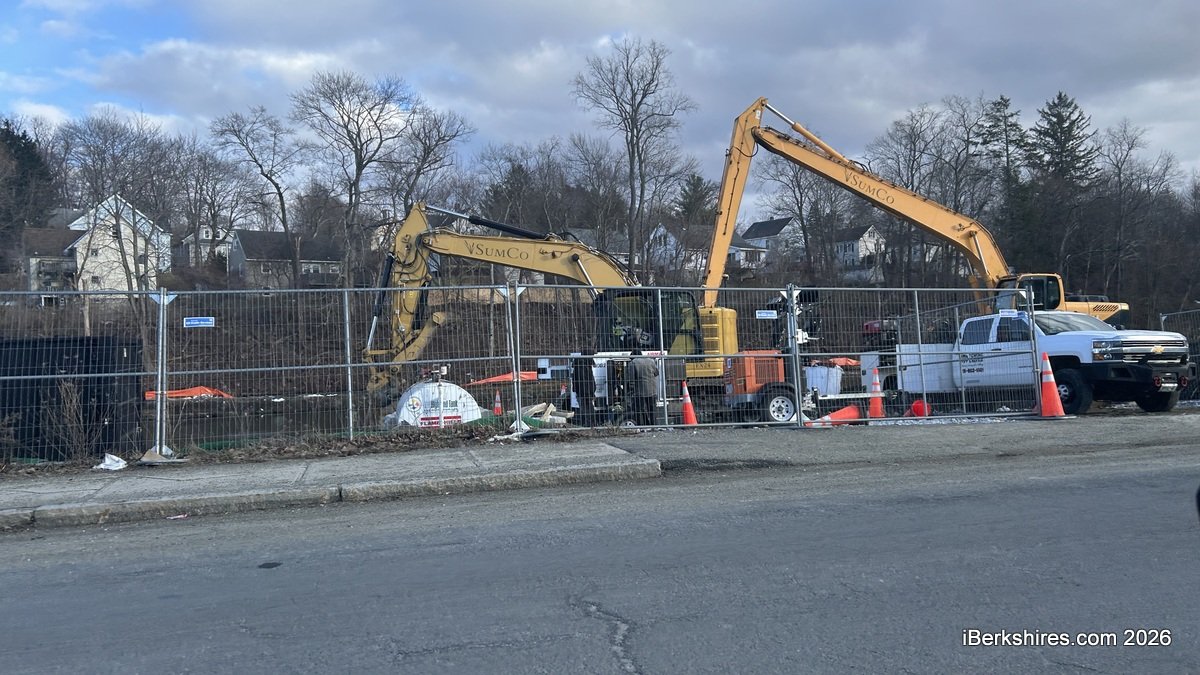
PITTSFIELD, Mass. — The state says recent flooding near the Bel Air Dam is being managed, and was caused by a release of water from Pontoosuc Lake.
The City of Pittsfield shared an update from the Massachusetts Department of Conservation and Recreation on Tuesday, having received inquiries this week about flooding near the almost 200-year-old, abandoned dam that is scheduled to be removed.
DCR and the contractor, SumCo, said they are aware that there was flooding on the site last week, and that it was because of a release of water from Pontoosuc Lake.
Water levels appear to be decreasing in the new week. River flows and water levels will continue to be monitored, and the state has enacted a couple of preventative measures.
Removal of the dam structure began this month.
"As of Monday March 16, we have not observed any large sediment plumes discharging from Bel Air Dam, or substantial sediment in the water discharging through the cut in the dam," DCR reported on Monday.
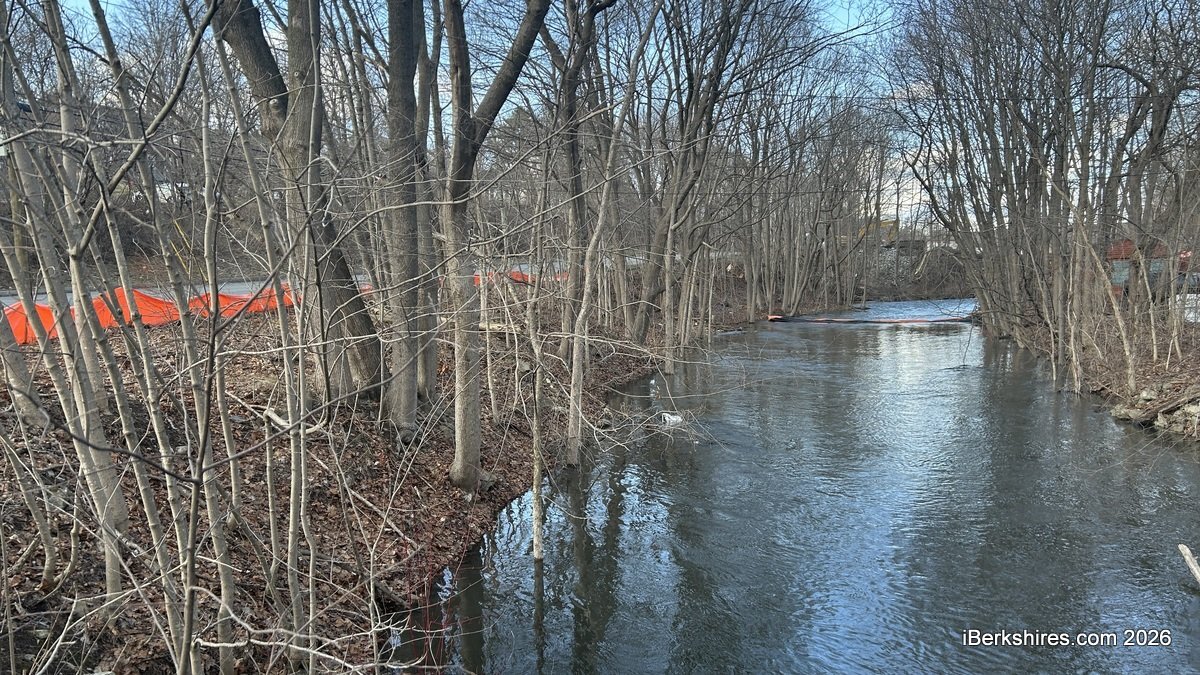
"Two preparations were made in advance of construction activities that are now helping to manage water levels and reduce sediment movement: 1) an intentional cut in the Bel Air dam allows a controlled release of water, and 2) two turbidity curtains installed downstream of the dam are minimizing the transport of sediments and are being monitored and maintained as needed."
Water levels have decreased from the high levels observed last week, and SumCo is setting up large pumps to try to maintain or lower the current water level in the Bel Air impoundment throughout Monday and Tuesday's rain.
DCR's Office of Dam Safety is leading the $20 million removal of the classified "high hazard" dam, funded by American Rescue Plan Act dollars. It has been an area of concern for more than a decade, with the city and DCR conducting inspections, maintenance, and repairs.
In 2020, it was identified as a high-priority project. It aims to improve the area's safety while also restoring the wetland and wildlife habitat through a combination of planting, sediment control, and removal of invasive species.
The 26.5-by-200-foot structure was built in 1832 and was used to generate power for a woolen mill into the 1920s.
The city took it by eminent domain because the site owner is deceased. Construction teams have been working to excavate sediment from since last summer, and DCR reported that the majority of the sediment has been excavated. Sediment excavation is expected to be complete by mid-May.
Testing over the last five years has identified accumulated sediment with elevated levels of metals and pH, among others. The project involves removing 35,000 cubic yards of substrate in order to reconnect and contour the river channel. A cap will then be placed over those grades, per the Massachusetts Contingency Plan.
On March 12, DCR shared that periodic truck traffic will continue entering and leaving the site from and to Wahconah Street to load and transport sediment off-site, currently to the Seneca landfill in New York State.
Tags: dam, flooding,