North Berkshire Group Hosting Course on Beekeeping
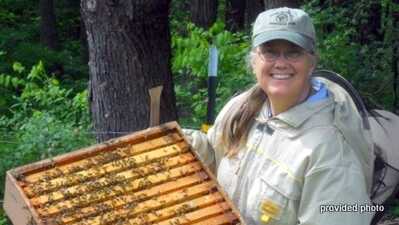 |
| Jeanne Davis keeps 22 colonies of bees. |
CHESHIRE, Mass. — The Northern Berkshire Beekeepers Association is hosting a course to help others learn how to keep honeybees buzzing in the region.
The association has promotes beekeeping through education, sharing and community.
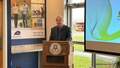
"The American agricultural system depends on pollinating insects," said association President Jeanne Davis. "Honeybees happen to be the most efficient ones, because they live in really huge communities.
"So a beehive could have 40,000 bees in it, and not all of those would be pollinating bees at any point in time, but other bees and wasps live in much, much smaller communities. So to have a farm that has crops that need pollination, honeybees can be essential supports for that."
Davis said the six-night course will help others get to know and protect their bees.
"Our goal is to help people become beekeepers, and people who are beekeepers become more knowledgeable," she said. "It takes a lot of information to keep bees alive these years. So there's always a new science and then just people with more experience helping those who are new at it."
She has been a part of the association for 35 years and has kept bees for more than 40. She currently has 22 colonies.
Davis loves it because she enjoys the connection to nature and is always looking to help them.
"For me, it's just important as a connection to nature. I end up, you know, planting where I live," she said. "I end up planting for the bees. I plant all sorts of flowering things that don't give me vegetables on my table."
She hopes the course helps others realize they can do this, too.
"It's important that people who want to do this work, know what they're doing, because if you are caring for bees and not knowing how to care for them well, then the diseases and the problems that they have will spread To the other bees in the neighborhood," Davis said.
The cost of the course is $55, which includes a one-year membership in the association. It will require a text, "The Beekeepers Handbook," by Alphonse Avitabile and Diana Sammataro, fifth edition. It can be purchased on Amazon here.
Classes will take place at the Cheshire Senior Center, 119 School St., on Wednesday nights — Jan. 21, Feb. 4, 11 and 18, and March 4 from 7 to 8:30 p.m.
Association meetings take place at the same location on the fourth Wednesday of most months at 6:30 p.m.
There will be two club meetings during the course, on Jan. 28 and Feb. 25, which will also be included in the course. There will be a field visit in April on a date to be determined later.
To sign up or for more information contact Jeanne at northernberkshirebeekeepers@gmail.com.
Tags: bees,