Pittsfield Creates Crisis Subcommittee for Pontoosuc Lake
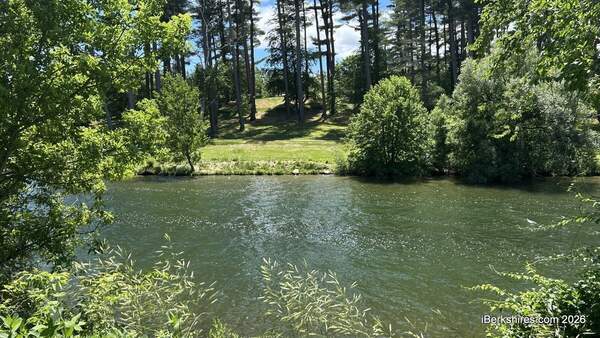
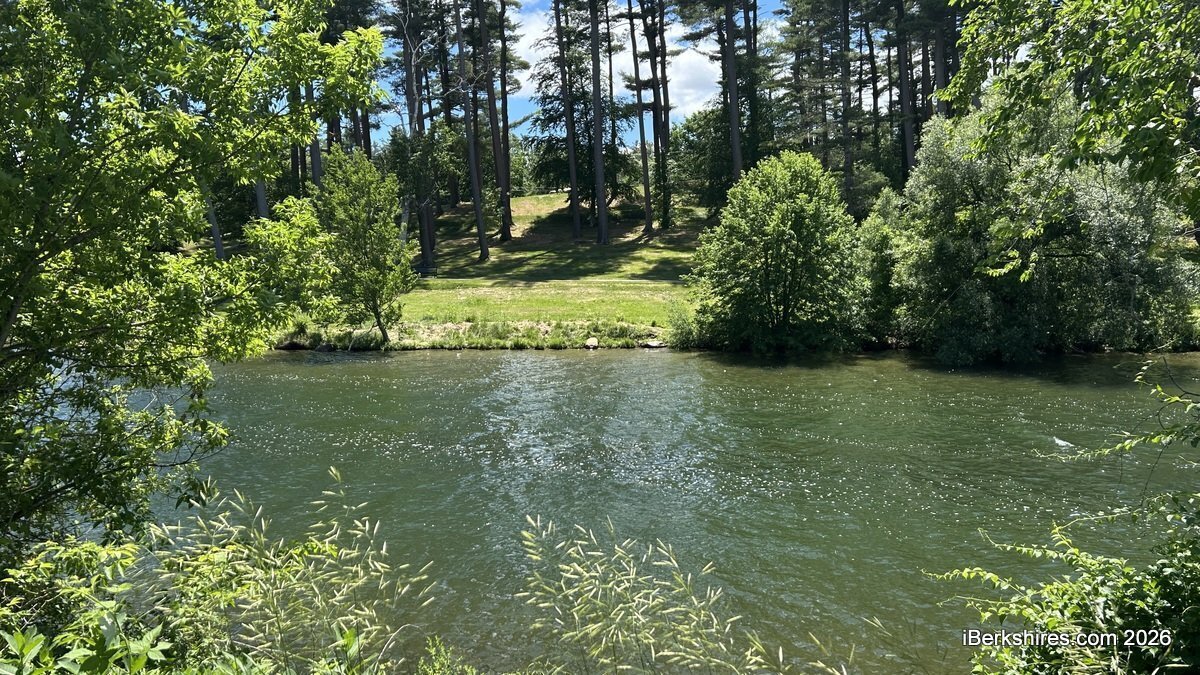
PITTSFIELD, Mass. — A Pontoosuc Lake Crisis subcommittee has been formed to address ongoing water issues with one of Pittsfield and Lanesborough's premier recreation spots.
A public health advisory was issued for the lake in late August because a blue-green algae bloom, preventing use by people and animals. The advisory remains in effect.
The Lake Management Commission recently created the subcommittee to encourage intermunicipal collaboration and scientific integrity in Pontoosuc's management, and help secure state resources. An amendment was made to ensure representation from Lanesborough.
"This season, I would say, and I believe that scientists would agree with me, that [the lake] is in one of the worst conditions it ever has been," Commissioner Michele Rivers Murphy said.
She explained it as bringing science-based think tanks together to make progress for our lake, "which we all love and appreciate in so many ways."
Chair James Conant said the crisis subcommittee needs representation from Lanesborough because the two groups have somewhat different ideas on how to approach the issues they face.
"I think this is a good way to start to bridge that with communication and education and get to know the other folks," he said.
"I mean, they are going to be our partners. The Pittsfield Conservation Commission has to approve any requested permit. The Lanesborough Conservation Commission has to approve that same permit, and that can be a challenge."
During Wednesday's Board of Health meeting, Director of Public Health Andy Cambi reported that the cyanobacteria advisory is still active at the lake. The city is rechecking weekly and hopes to get clearance soon; while it is generally too cold to swim, people still fish and kayak during this season.
Rivers Murphy said they need to act this year on water quality degradation, persistent algae blooms and "unsustainable chemical-dependent management practices currently impacting Pontoosuc." This summer, nearly 70 acres of the lake were treated with Diquat, a contact herbicide, for weeds.
Blue-green algae, also known as cyanobacteria, occur naturally in lakes and ponds throughout Massachusetts. These microscopic organisms are components of the aquatic food chain.
In ordinary circumstances, cyanobacteria cause no apparent harm, but warmer water temperatures and high nutrient concentrations may induce a rapid increase in their abundance. This response is commonly called a "bloom" because algal biomass increases to the extent that normally clear water becomes markedly turbid.
Lee Hauge, president of the Friends of Pontoosuc Lake and Lanesborough's harbormaster, reported a wish to continue Diquat water treatments a couple of times per year so that all of the weeds aren't eradicated at once.
"That will eventually reduce the population of the invasive weed species and encourage the growth of the native species, and we believe we're on track to do that, and would like to continue," he said.
Mike Callahan from the Friends reported that he will run for president when Hauge steps down in November, and he gave a progress report on the group, which now has more than 100 members.
The membership feels that a member of the Friends of Pontoosuc Lake should be on the commission, as half of the waterbody is in Lanesborough.
"Our goals are all the same. We want to help improve Pontoosuc Lake," Callahan said.
The Lake Management Commission began meeting earlier this year with a mission to support the preservation and protection of lakes and ponds on behalf of present and future generations of Pittsfield, while understanding the interests of property owners and the public.
Tags: lakes, ponds, Pontoosuc,