Pittsfield ConCom OKs Additional Herbicide Treatment in Pontoosuc Lake
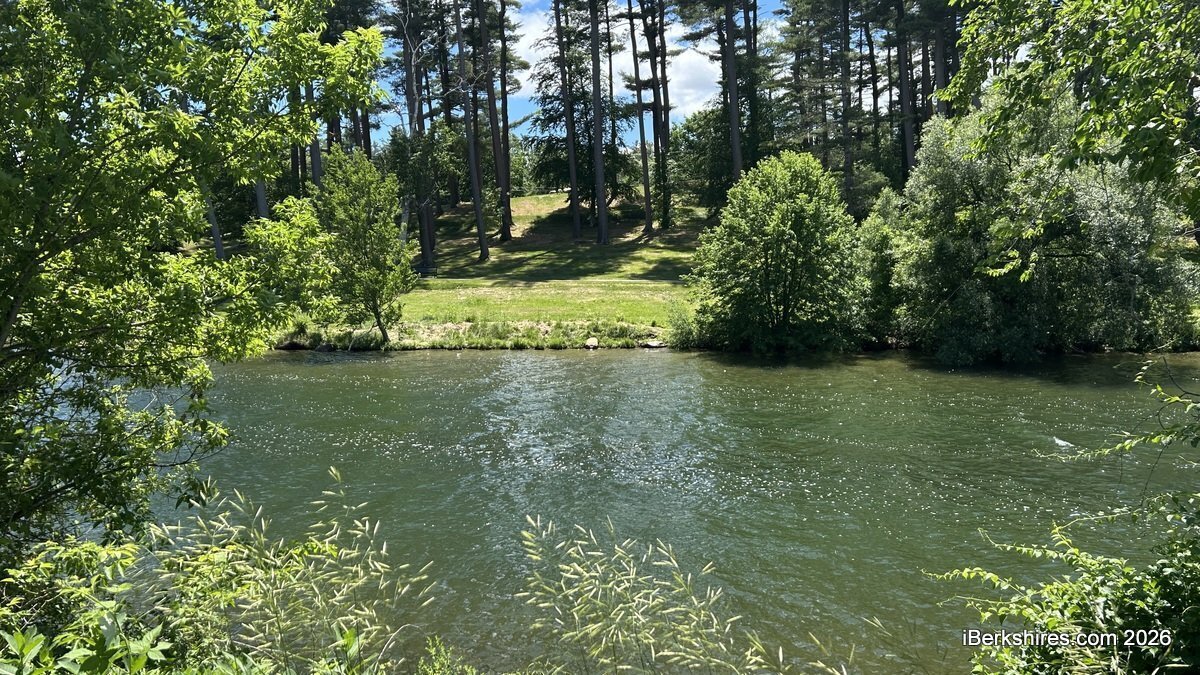
PITTSFIELD, Mass. — The Conservation Commission has OK'd an additional 15 acres of contact herbicide treatment at Pontoosuc Lake.
This follows a June approval for Diquat treatment on 53 acres of the lake. Conservation Agent Shannon Poulin reported that a second treatment was sought after the plan went through a third-party review.
A couple of months ago, Lee Hauge, president of the Friends of Pontoosuc Lake and Lanesborough's harbormaster, told the ConCom that underwater weeds were harvested for almost 20 years. While was successful in making the lake accessible for swimming and boating, over the years, the process favored the propagation of Eurasian milfoil, which spreads by fragmentation.
Located in both jurisdictions, Pittsfield and Lanesborough equally share the management of Pontoosuc Lake and associated costs.
Lake residents reported excessive weeds on the shoreline and favored the treatment, but some have spoken out about the use of Diquat, including the ConCom's chair.
Chair James Conant and Elizabeth Calebaugh, during a virtual meeting on Aug. 18, voted against the additional 14.9 acres of application.
"I would also like to say once again on public record, I am vehemently opposed to using Diquat in our lakes," Conant said.
"Its relationship to causing Parkinson's Disease and cancer is well scientifically documented. I will never ever vote to use it."
Before 2021, Diquat, a contact herbicide, was used on Onota Lake. In 2022, Pittsfield invested $220,000 for a 260-acre treatment with a new systemic herbicide, ProcellaCOR, that specifically targets milfoil. Neither Onota nor Richmond Pond authorizes the use of Diquat.
Pittsfield did receive a few concerned communications about the herbicide use, Poulin reported. One citizen was concerned about the treatment being done so close to the time of the 3-foot lake drawdown, which begins on Oct. 15.
"We obviously have milfoil in deeper water than three feet, so there's a concern, obviously, that the drawdown would not affect all of the areas that we're proposing to treat, and additionally, weather, good conditions for drawdown is not guaranteed," said Dominic Meringolo, environmental engineer with SOLitude Lake Management.
"So we would recommend moving forward with the treatment just to make sure that the plants are taken care of."
Tags: herbicide, invasive species, Pontoosuc,