Berkshire Museum Explores Ancient Egypt With ‘Soulful Creatures’
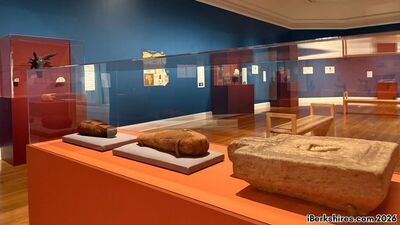 |
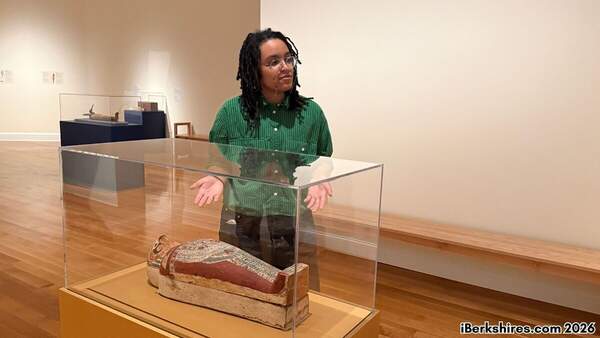
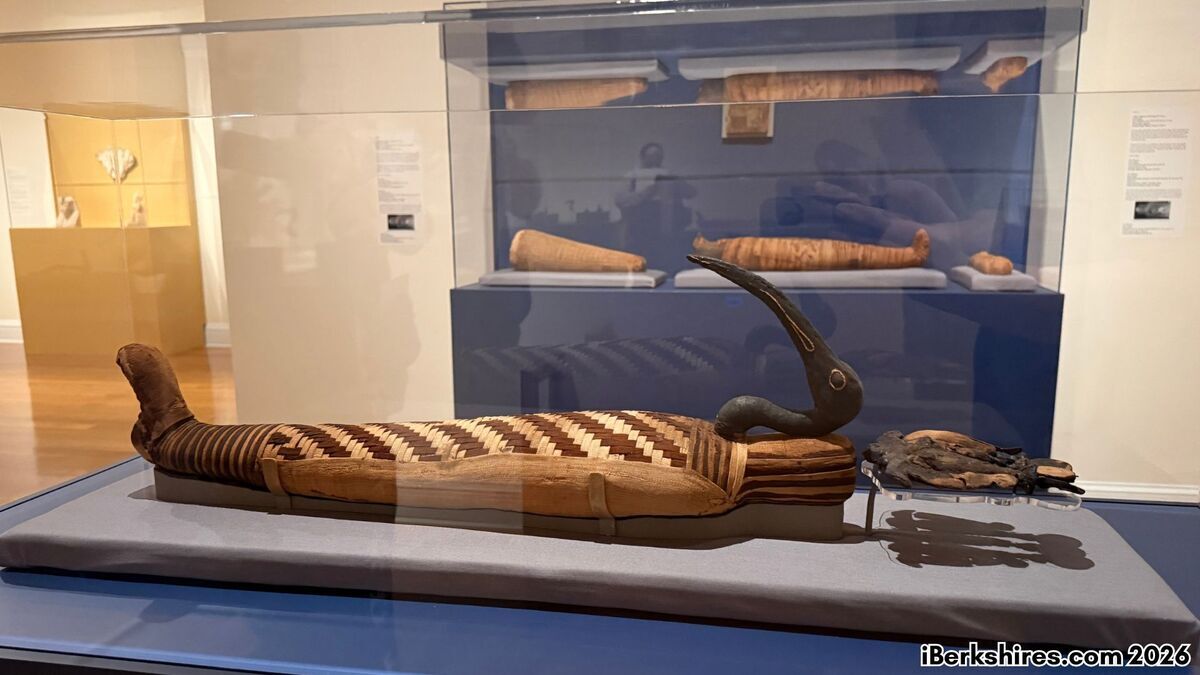
| 'Soulful Creatures: Animal Mummies in Ancient Egypt' opens Oct. 10 at the Berkshire Museum. |
PITTSFIELD, Mass. — Following its multimillion-dollar renovation, the Berkshire Museum is welcoming an exhibition unlike any it has been able to host before.
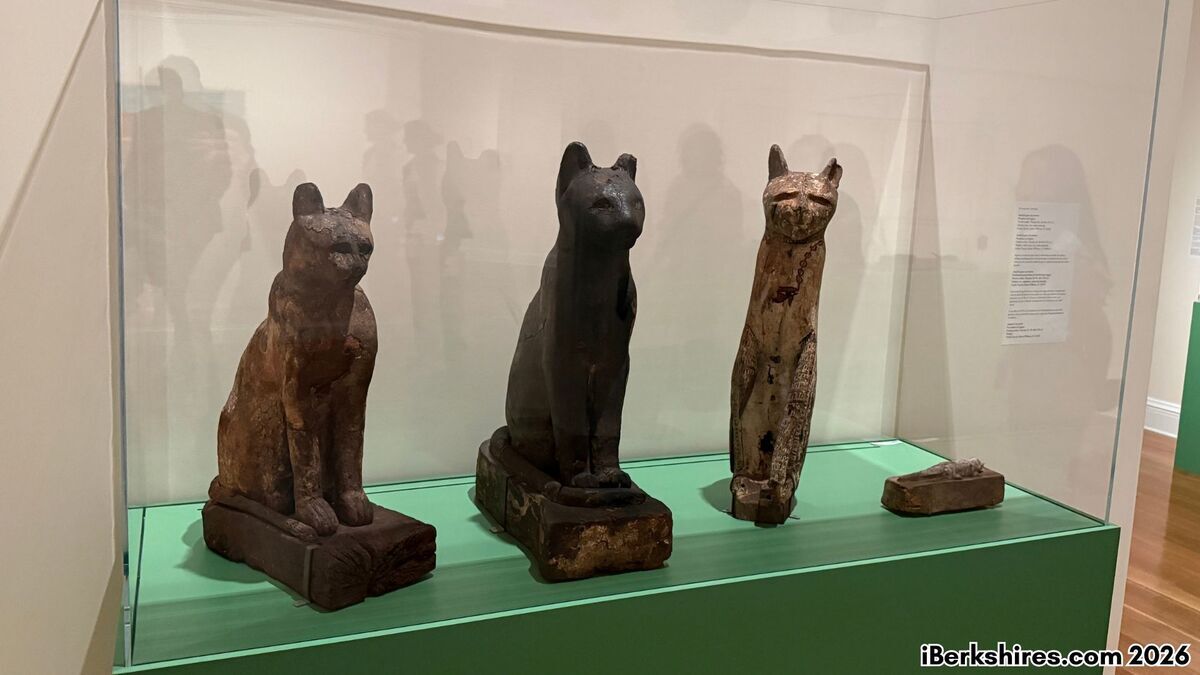
Marking the museum's first major exhibition since its renovation, "Soulful Creatures: Animal Mummies in Ancient Egypt," opening Saturday, Oct. 10, thins the veil between the ever-evolving history of Egyptian culture and society and modern day people.
"The most important thing about history is recognizing people from the past as actual people. Ancient Egyptians are no different than us," said William Dore, the museum's chief curator. "They have different cultures and beliefs and different viewpoints, but you can say the same thing about people today."
When audiences experience the exhibit, they will see the humanity in the people of the past, which in turn helps them connect with different views and perspectives around the world today, he said.
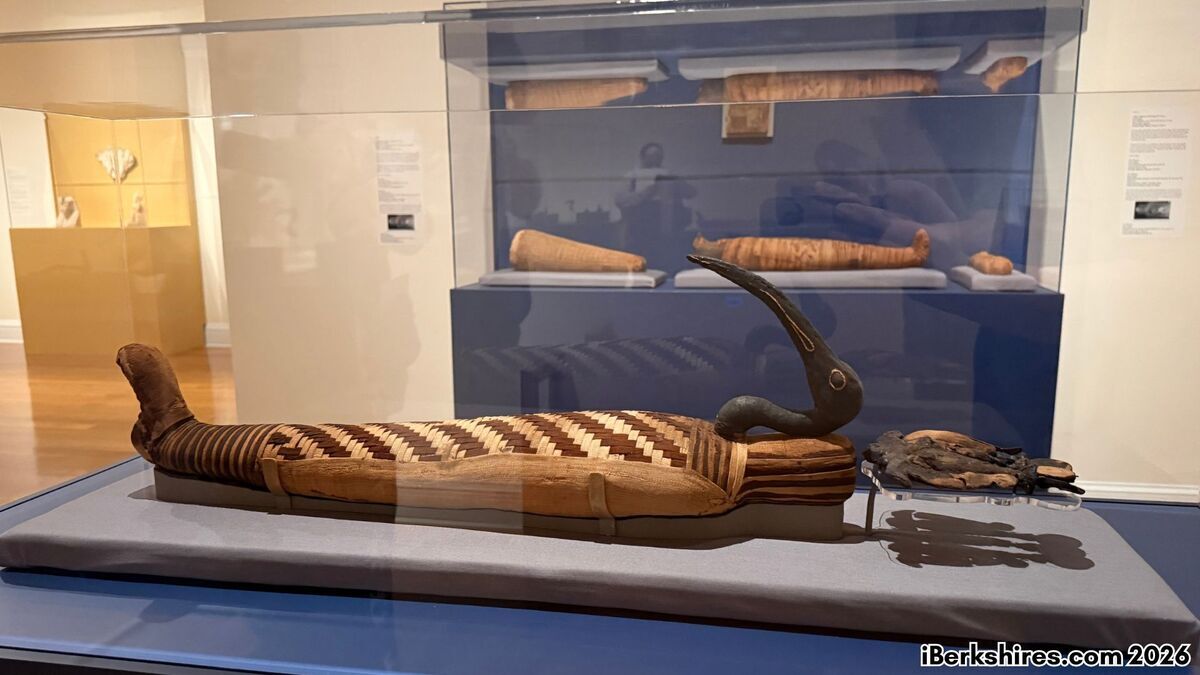
Combining archeology with modern scientific imaging, Brooklyn (N.Y.) Museum curators Yekaterina Barbash and Edward Bleiberg designed an exhibit that works to uncover the mysteries behind these objects and the beliefs and rituals that surround them.
"I think something that people kind of misunderstand about history is none of it's ever settled. ... History is a science that is constantly questioned,” Dore said. "It only works if everyone's constantly rethinking things, learning new things ... which is for me super exciting because as much as we know a lot about the ancient Egyptians, there's a lot we don't know.”
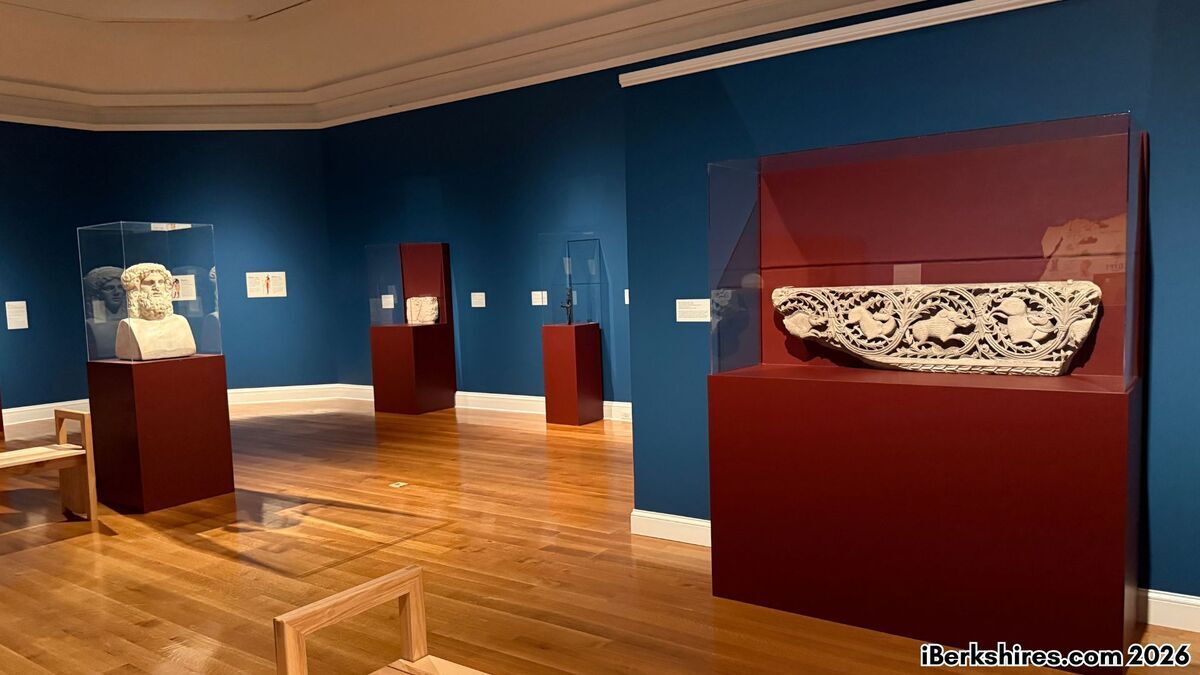
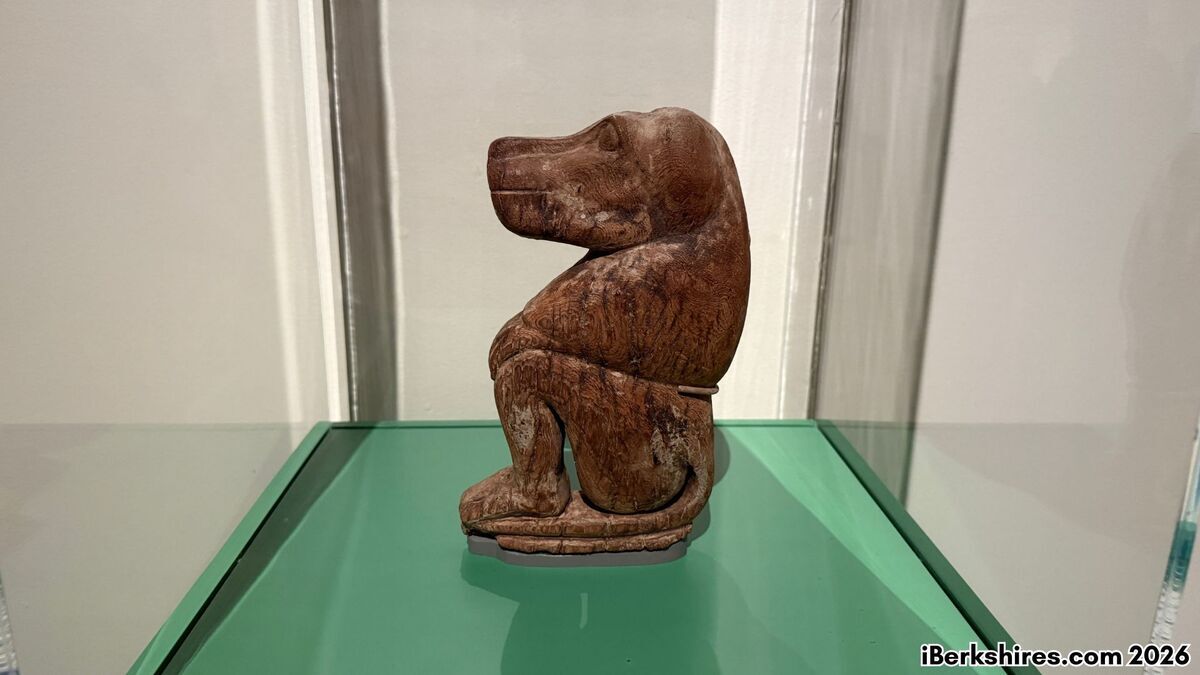
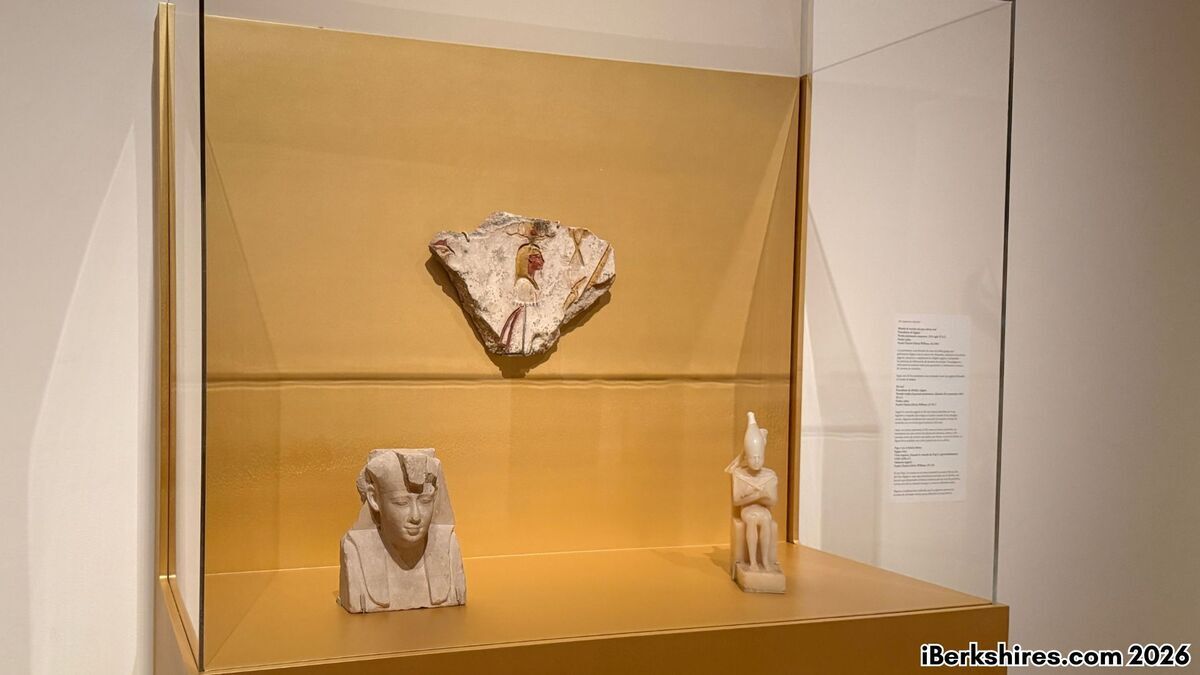
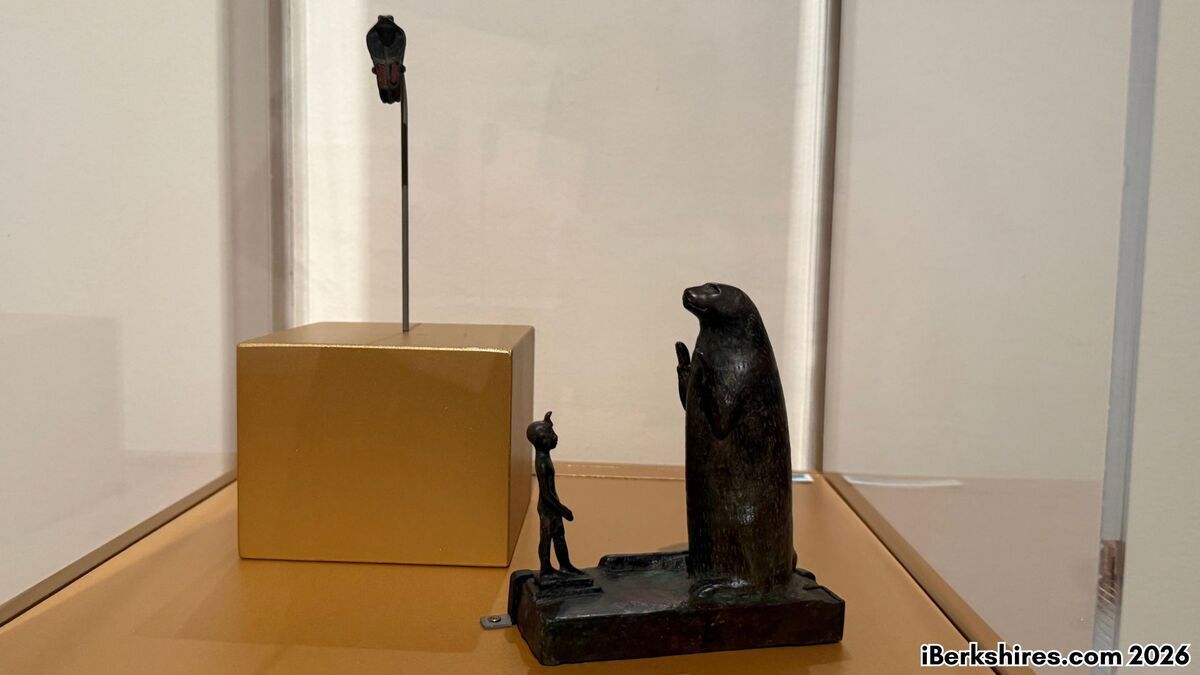
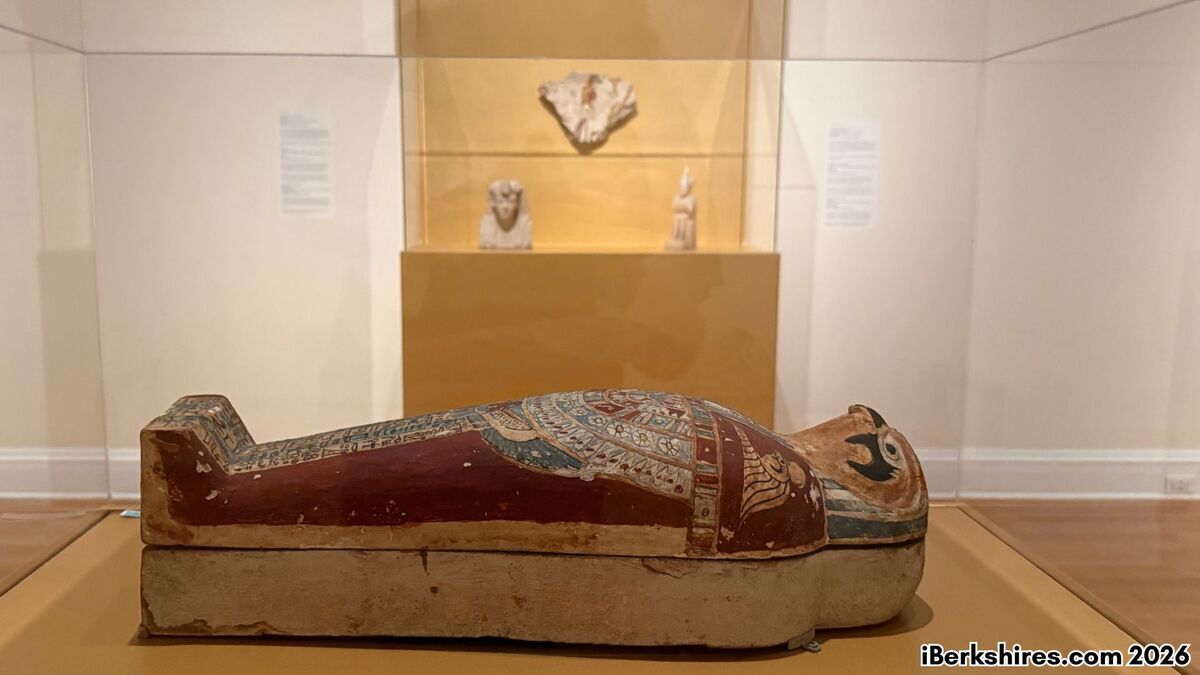
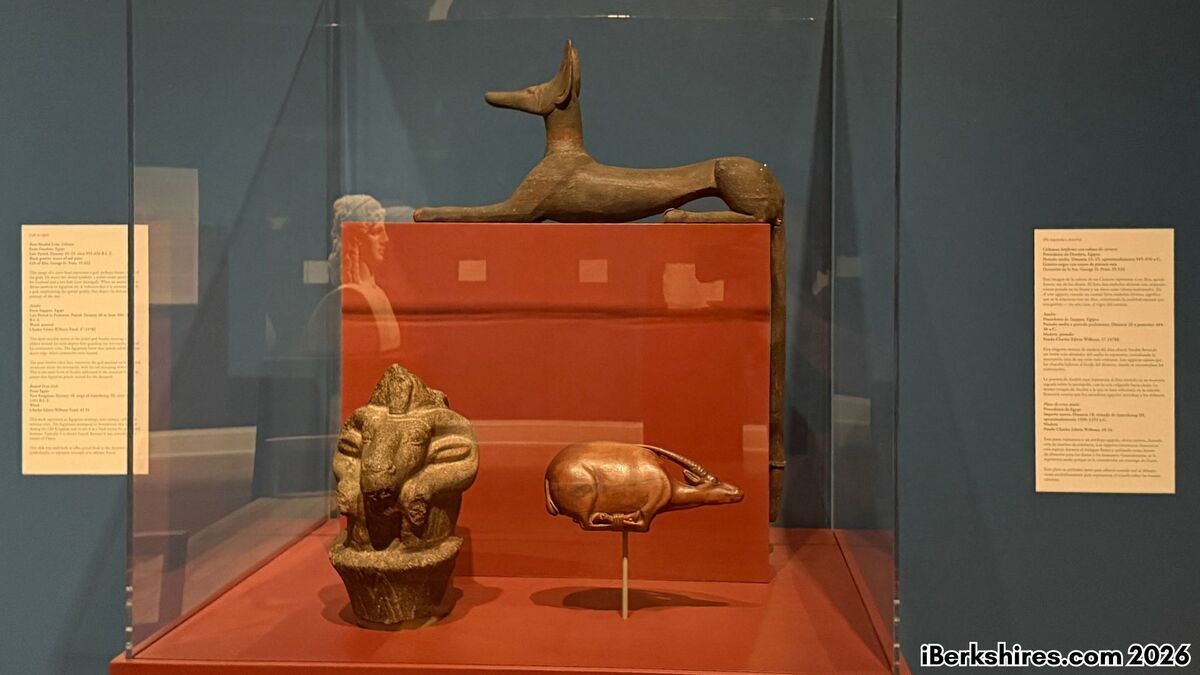
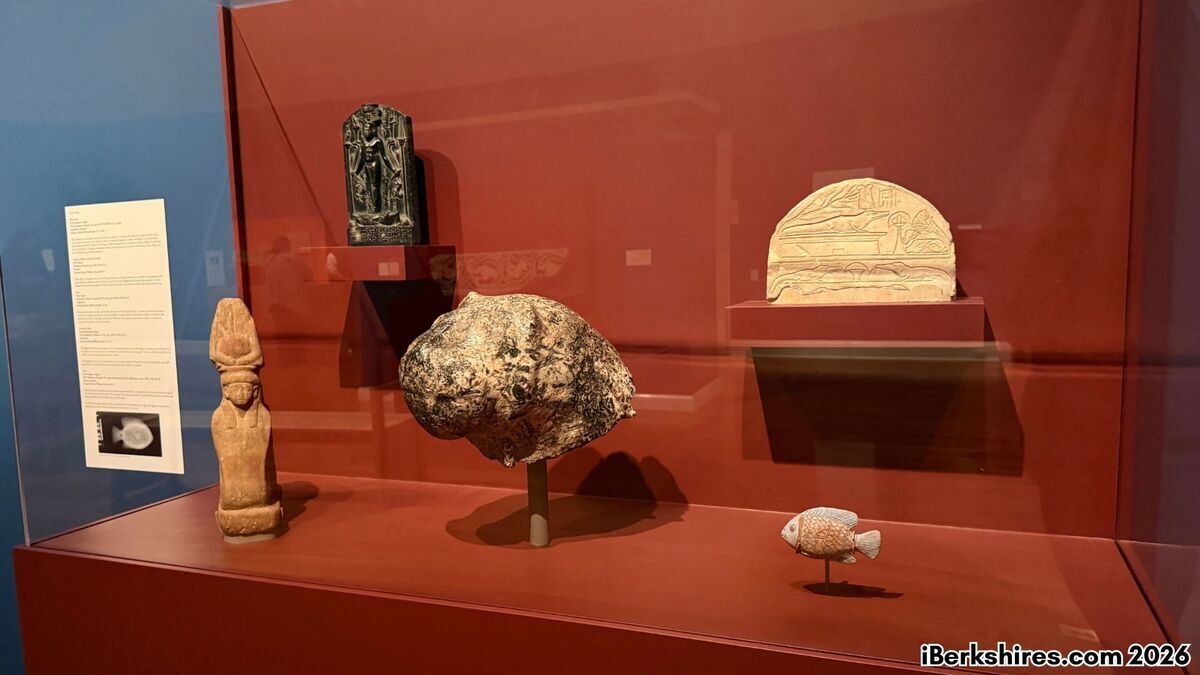
The installation features dozens of artifacts on loan from the Brooklyn Museum that explores the practice of animal mummification and the role animals played in ancient Egyptian religion.
The museum's education manager has planned numerous school field trips, giving students a chance to explore ancient Egypt close to home.
In conjunction with the exhibition, the museum will host a lecture Saturday at 11 a.m. with Barbash, who Dore said is one of the foremost experts on ancient Egyptian mummification. The lecture, included with museum admission, will explore the important role animals played in ancient Egyptian society and their connections to the divine.
According to the museum's website, the talk will examine how Egyptians associated the characteristics of different species — including their strength, speed and fertility — with particular gods and goddesses. Barbash also will explore deities such as Thoth, Sakhmet and Anubis and the beliefs that contributed to the practice of animal mummification.
The exhibit humanizes the people and culture of ancient Egypt beyond what modern audiences may have read about or seen in the media, he said.
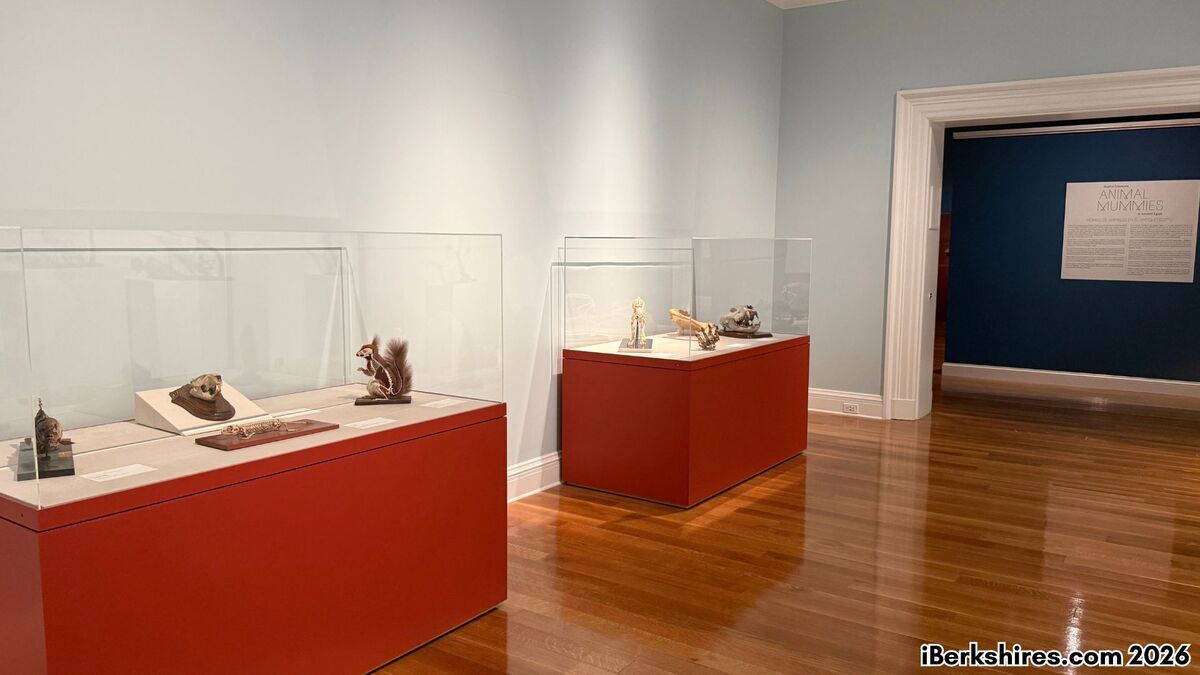
Visitors will be introduced to the concept that the past and present are interconnected prior to even entering the exhibit, with a pocket gallery outside the entrance featuring modern day animal skeletons.
This gallery draws parallels between how modern-day people preserve animals and fossils for scientific study or display and the ways in which ancient Egyptians conducted their acts of preservation, said Charlie Catacalos, exhibitions manager.
.jpg)
Shows like this would not have been possible prior to the museum's renovation because of the infrastructure needed to transport and maintain the objects, including the required lighting and humidity levels, Dore said.
"Now we have that updated state-of-the-art building and institution [so] we can bring more of these expansive opportunities and experiences to the people in the Berkshire moving forward,” he said.
Generations have visited the Berkshire Museum, and Dore said an aspect that is fondly remembered by families is the museum's own mummy, Pahat, an Egyptian priest who died more than 2,300 years ago in Egypt.
Pahat has been part of the Berkshire Museum's collection since 1903, he said.
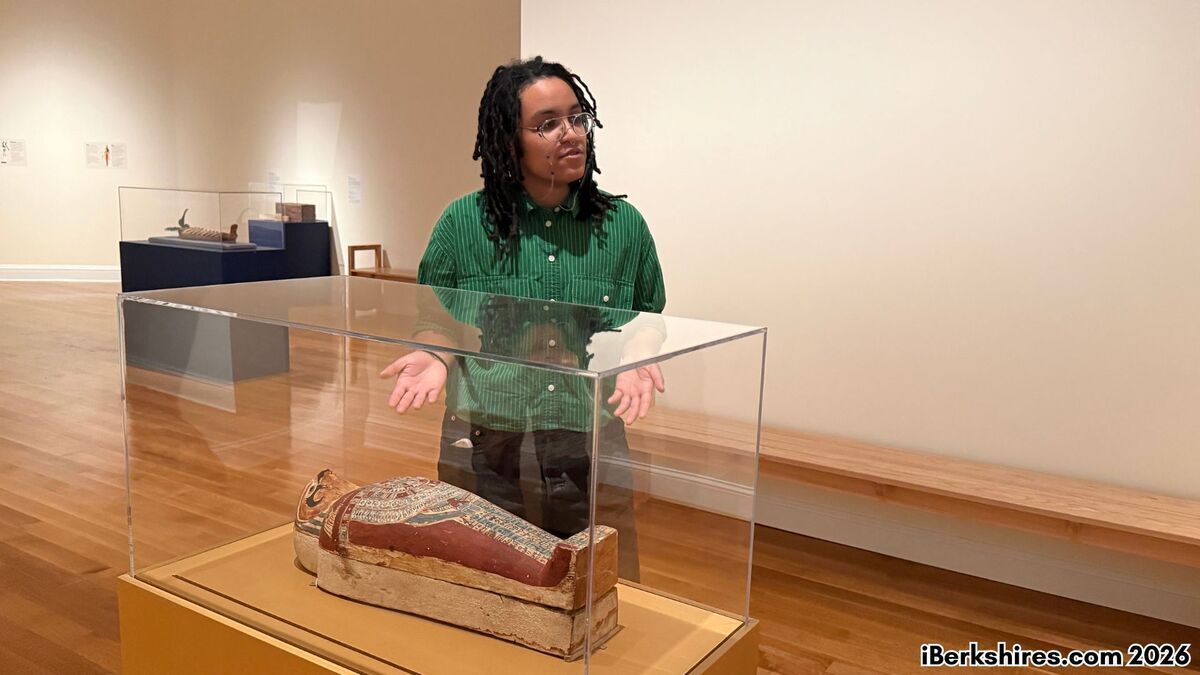
Although they belong to different museum collections, Pahat's coffin and that of the corn mummy, on loan from the Brooklyn Museum for "Soulful Creatures," share similar colors and patterns because they were created in the same place during the same time period, Catacalos said.
That connection allows the exhibition to extend beyond the gallery. After exploring "Soulful Creatures," visitors can follow signs down the hall to see Pahat and compare the two for themselves.
"Soulful Creatures: Animal Mummies in Ancient Egypt" is on view at the Berkshire Museum from Oct. 10-Jan. 13. Admission is free for all on Monday, Oct.. 12. For tickets and information, berkshiremuseum.org.
Tags: Berkshire Museum, historical exhibit, museum,