

Pandemic, Economics Transform Berkshire Moviegoing Options
This is the first of three articles in a series looking at the evolution and current status of movie theaters in Berkshire County. Read Part 2 here; and Part 3 here.
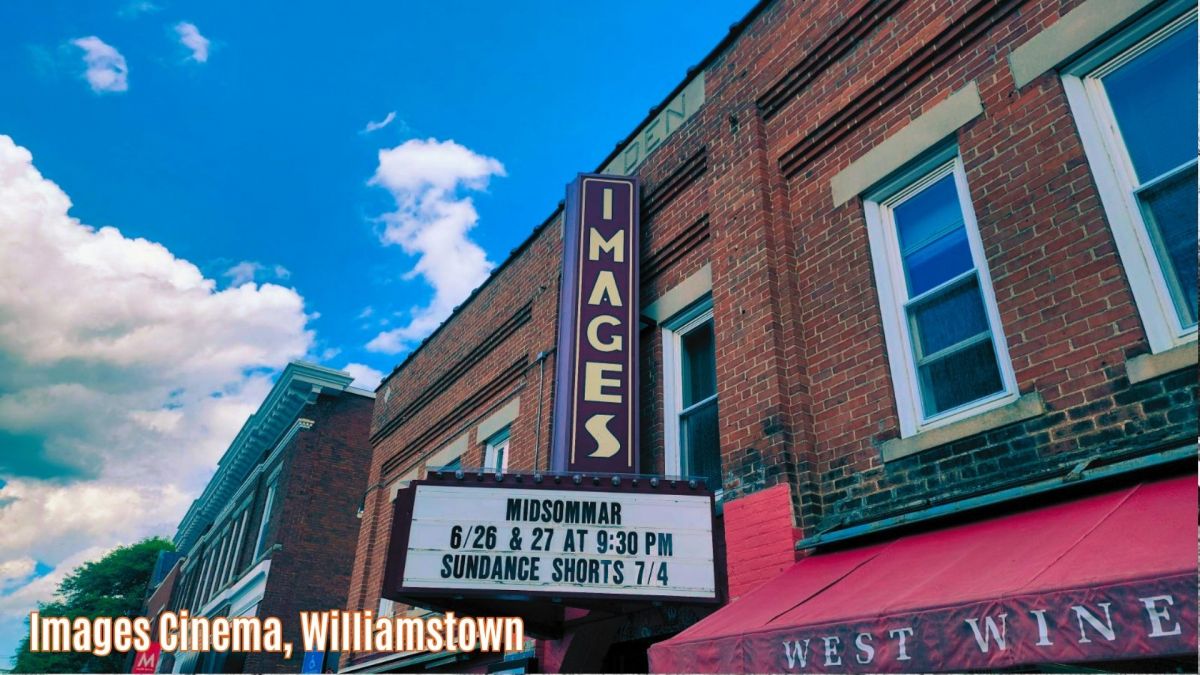
The expansion and remodeling of Images Cinema at 50 Spring St. in Williamstown reflects the unusual cinematic landscape of Berkshire County in the wake of a very disruptive period that was sparked by the COVID pandemic of 2020.
Images, which is operated by a non-profit community-based organization, had been one of the last single-screen movie theaters in the country. In 2023, it launched a fundraising campaign to convert it into a multi-screen theater. The first step in the $2.5 million project was conversion of an adjacent storefront into a lounge with a bar and event space capable of also showing films for small audiences.
In October 2025, the main theater was closed for construction to create two auditoriums in its existing space and an adjacent section of the building, which Images has a long-term lease on.
"We ripped out everything and did a brand-new build of the interior," said Executive Director Dan Hudson.
Images used the lounge as a temporary substitute for the main auditorium during the construction. It reopened the main auditorium as a 70-seat venue on Memorial Day with "First Look," a series of the year's top films. It is also putting the finishing touches on a second 18-seat screening room which is slated to open in early July.
"We held a soft opening in May when the main auditorium was completed," said Hudson. "We're still doing the final work on the other new auditorium for a grand opening of the entire completed theater in early July, hopefully on the Fourth."
The auditoriums feature new seating and equipment. The main screen features Dolby Atmos immersive sound and 4K laser projection. The second screen will have 7.1 surround sound and 2K laser projection. The entire theater has also been made physically accessible according to the standards of the Americans with Disabilities Act.
"The board looked at what we needed to do to remain a viable operation into the future," said Hudson. "We could have done it as a series of smaller projects and fundraising campaigns but we decided that it would be best to put it all together as a one and done project."
The commitment by Images to this ambitious project is one aspect of the current status of movie theaters in the Berkshires, which has been shaped both by long-term trends and the pandemic.
Berkshire County is unusual in several respects. Its current mix of movie theaters is a contrast to the nationwide dominance of large multiplex cinemas operated by conglomerates in malls and other outlying suburban sites.
There will now be three full-time multiscreen movie theaters in the county, and all are located in downtown centers — Images Cinema, the Beacon Cinema at 57 North St. in Pittsfield, and the Triplex Cinema at 70 Railroad St. in Great Barrington.
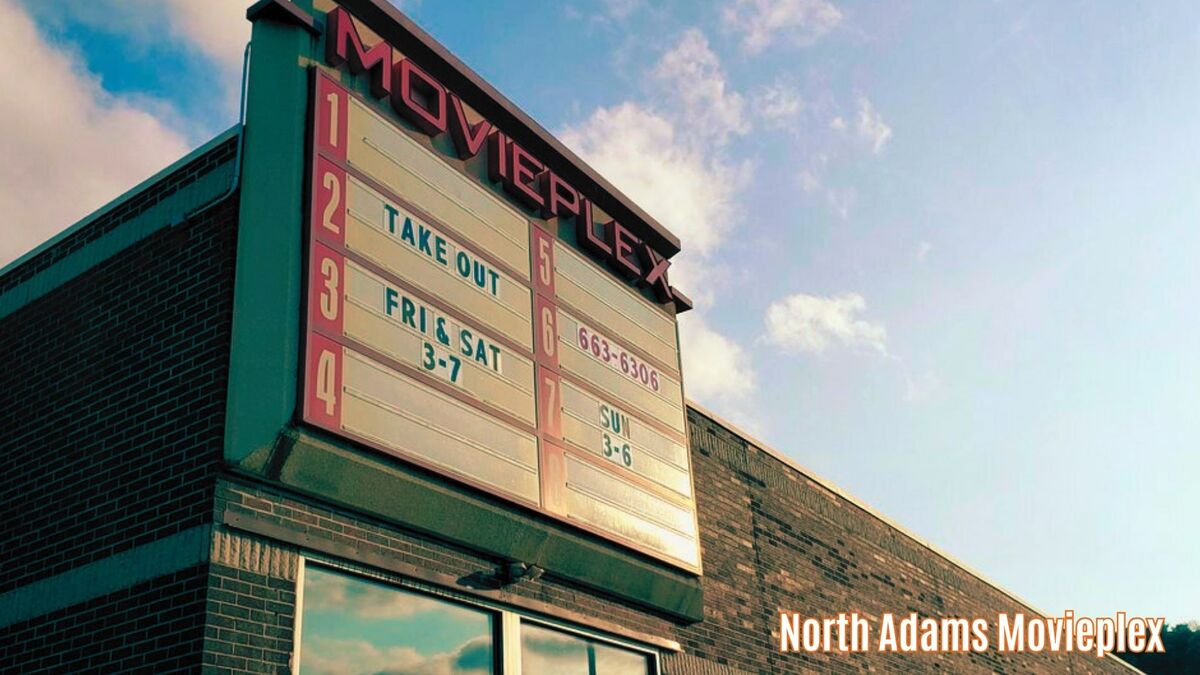
The county has lost its two largest multiplex cinemas in the past several years. The 10-screen Regal Cinema in the defunct Berkshire Mall in Lanesborough closed in 2022. Then in 2023, the eight-screen North Adams Movieplex in the Steeple City Plaza
closed.
In another contrast to national patterns, both Images and the Triplex are separately owned and operated by community-based non-profit organizations. That is not unique to the Berkshires, as that has been a strategy to save downtown theaters in other locations, such as the Crandell Theater in nearby Chatham, N.Y.
However, it is unusual for non-profits to have such a primary role in a region's overall market.
While the Beacon is a commercial, for-profit cinema, it was originally initiated by the Pittsfield city government as a public-private downtown revitalization project. It is owned and operated by Phoenix Theaters, a smaller independent chain based in Michigan that operates 10 theaters in the Midwest, Tennessee and Massachusetts.
Each theater has its own history and role in its local community. But the overall picture has also been shaped by larger conditions in the industry.
Movie theaters have long been a focal point of community activity. Attending a movie has been synonymous with "going out" for couples, families, individuals, and groups of friends sharing the public experience of watching a film in a theater.
Before the 1970s, many of these theaters were located in downtown centers. Almost every locale had at least one downtown theater — and often several. Up to the 1980s, Pittsfield, for example, had a variety of single-screen downtown movie theaters, such as the Palace, Capital, Union Square , the Showcase, and the Inn Cinema. The Little Cinema in the Berkshire Museum auditorium also showed independent and foreign arthouse films.
However, that changed as the industry shifted to large multiplex theaters in malls, shopping centers and other outlying locations.
In the 1980s, moviegoers went to the Cinema Center in the Pittsfield Plaza strip mall on West Housatonic Street. Then, in 1989, the primary venue became the competing Hoyt's multiplex in Berkshire Mall, which opened in 1989 and later became the Regal. The struggling Cinema Center closed in 2001 and is now the site of a U-Haul rental and storage complex.
Pittsfield's downtown theaters were unable to compete and closed in the 1980s. Their sites were either converted to other uses, such as the Ralph Froio Senior Center, or were demolished. (The Little Cinema closed as part of a larger reorganization and remodeling of the museum in 2018.) In North Adams, the historic Mohawk Theater closed its doors and the city's spent more than three decades trying to revive the gutted structure.
Competition from home entertainment had also placed pressure on theaters, beginning with television in the 1950s. Subsequently, home video and CDs and streaming media were seen as threats.
According to a study by the University of Michigan, the number of theater locations fell from 7,000 in 2005 to 5,500 by 2019, in part because of the consolidation of screens in fewer theaters. The pandemic and lockdowns of 2020 accelerated this, as theaters were forced to suspend their activities because of the larger shutdowns of public gathering places.
Even after the pandemic restrictions were eased and eventually lifted, a lingering fear of large indoor gatherings remained for a period.
This had devastating impacts on the film industry. Nationwide, total box office revenues dropped from $11.4 billion in 2019 to just $2.2 billion in 2020 according to the Motion Picture Association (MPA).
Movie studios postponed the release of films, or developed the strategy of issuing major releases directly to streaming services rather than theaters. The pandemic also accelerated the decline in the number of theaters in the United States. Even the large corporate theater chains such as Regal were impacted by the pandemic, which led to the closing of its Lanesborough cinema.
By 2023, the number of theaters had fallen by nearly 3,000 from its 2019 level.
While Pittsfield's three existing downtown theaters also had to struggle with the effects of the pandemic, they managed to survive and regroup.
The current nationwide prospects for movies in theaters have gradually improved, although not to pre-pandemic levels. The number of films have increased and audiences have been returning. In 2025 revenues were $8.3 billion.
Movie theaters have also been aggressively pursuing new ways to attract audiences, with improved seating and amenities and revenue sources, such as sale of alcoholic beverages.
They also provide a wider variety of alternative offerings, such as simulcasts of live performances, revivals of classic films and other special events.
While there are many uncertainties for the volatile movie market, the commitment conveyed by Image's project is shared by other operators here.
Cory Jacobson, founder and president of Phoenix Theaters, is especially bullish. He said his company has added five new theaters in five years and recently acquired and remodeled a large multiplex adjacent to Gillette Stadium in Foxborough.
In Pittsfield, Phoenix is currently planning to add a seventh screen at the Beacon, in the vacant space formerly occupied by the Marketplace Café.
"The film industry is normalizing itself again, and studios are coming back to the realization that they need theatrical distribution for their films to be successful," said Jacobson.
He has had a long career in the industry. His first job was an entry-level position at a theater's concession stand when he was a teenager.
"I've never bought into the streaming media scare," said Jacobson. "People have been saying that home entertainment was a threat to theaters for as long as I've been in the business — but we're still here. I compare it to restaurants. Every home has a kitchen. However, people also enjoy going out to restaurants. The movies are similar. People still enjoy the experience of going out to watch movies in theaters."
He added that theaters have to adapt to the times, but the basic responsibility of operators is consistent.
"Our job is to provide a premium experience that people can afford, so they leave feeling that they had a good time," he said.
Tags: deep dive, movie theater,