

Teacher of the Month: Lynn Shortis
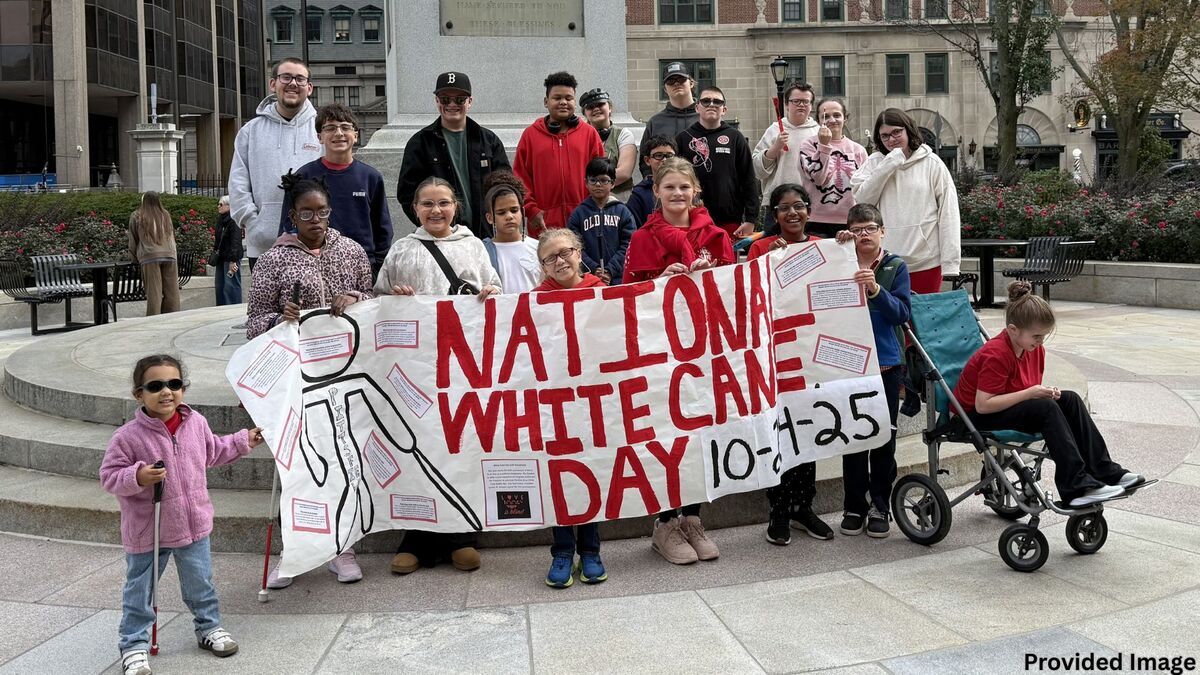
PITTSFIELD, Mass. — For close to 38 years, Lynn Shortis has devoted herself to providing visually impaired students with the confidence, skills, and resources they need to thrive in their educational and personal journeys.
It is the passion and advocacy she brings to her role as a visually impaired and certified orientation and mobility specialist that has earned her the iBerkshires Teacher of the Month designation.
The Teacher of the Month series, in collaboration with Berkshire Community College, features distinguished teachers nominated by community members. You can nominate a teacher here.
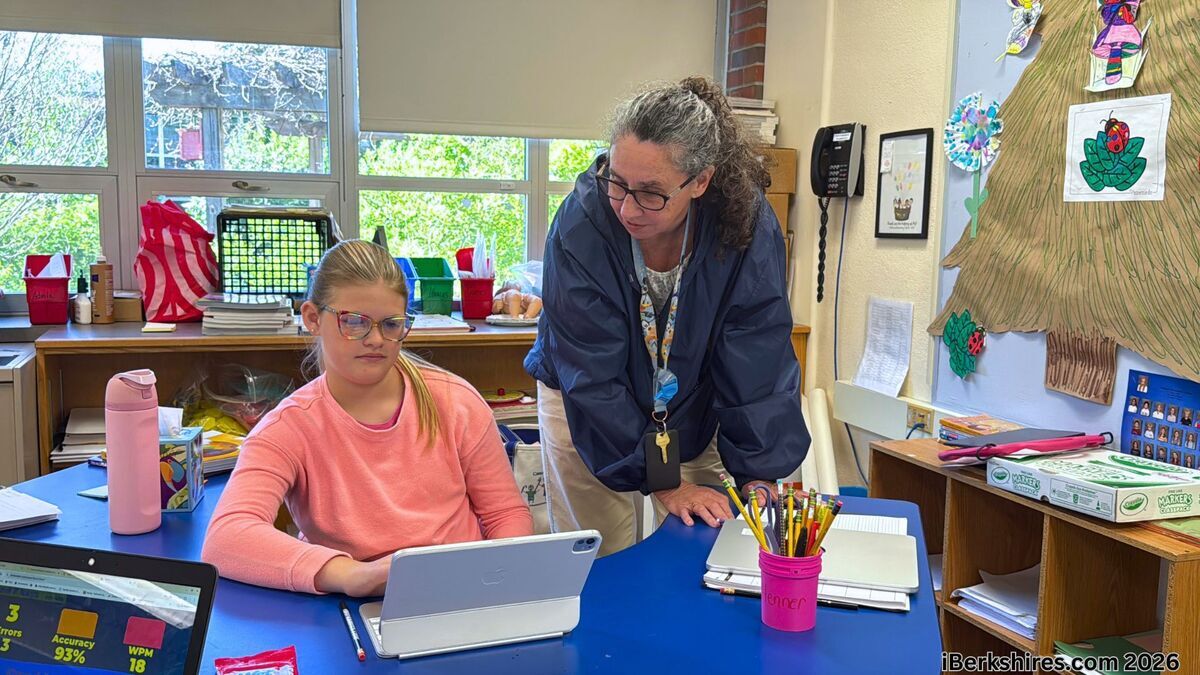
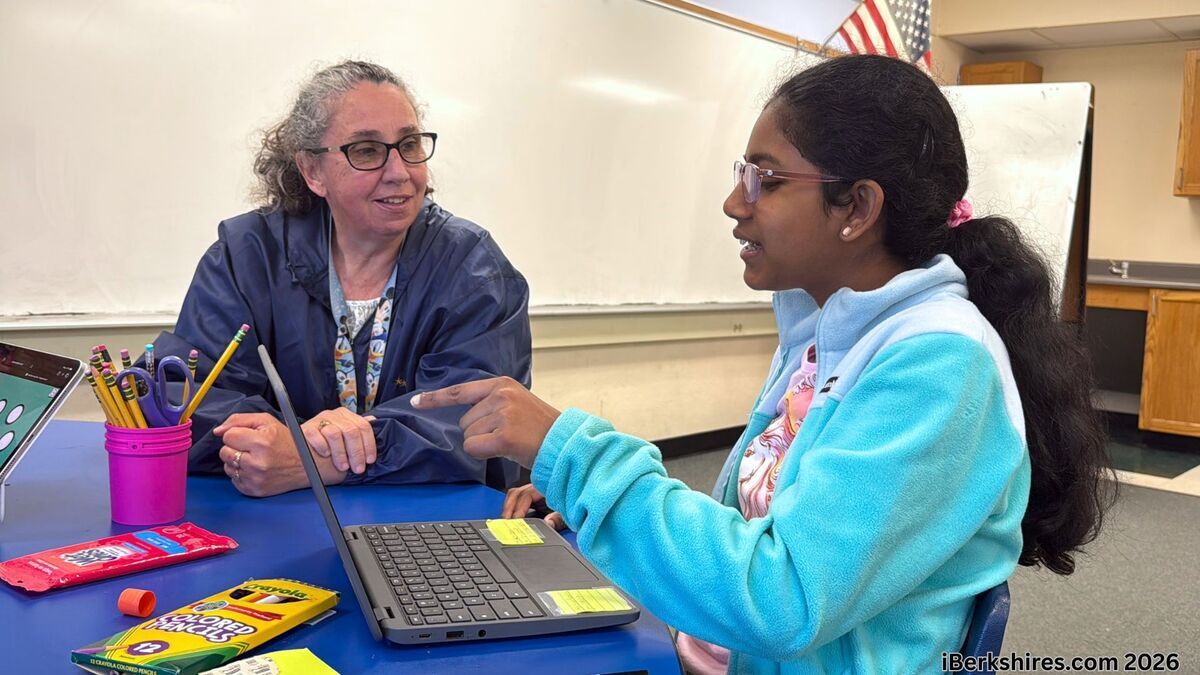
Every day is different for Shortis as she bounces around to several different schools a day to work with a wide variety of students, with different ability levels, between the ages of three to 22.
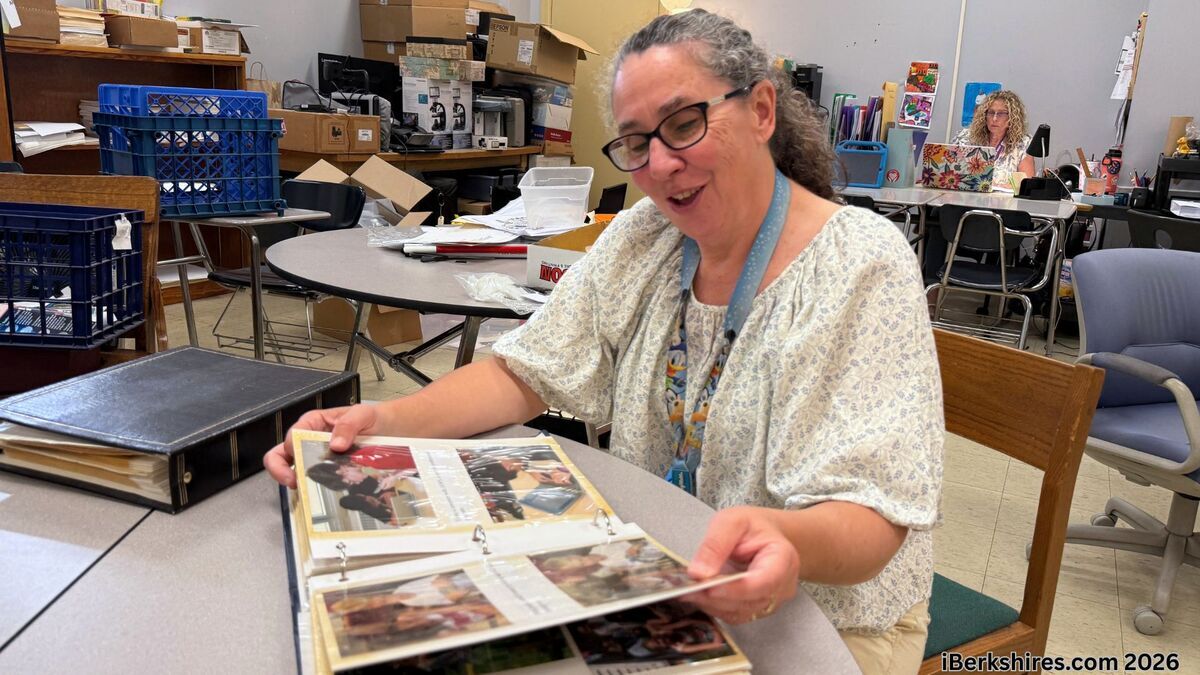
In a corner room at Pittsfield High School, Shortis stores not only her teaching materials but also boxes of photo albums, each filled with photos of generations of students she has worked with.
From visiting an aquarium, canoeing, or making food, the album showcases these students exploring the world through field trips of classroom projects.
Many of these students have gone off to college and to great careers but are still in contact with Shortis today.
The Pittsfield Public Schools has a caseload of about 60 students, with whom Shortis works with along with another teacher, she said.
The program serves a diverse group, some of whom participate in mainstream classes and follow grade-level curriculum, while others require substantially separate programs that focus on life skills that allow them to be more independent, Shortis said.
Additionally, the program receives approximately 30 to 40 referrals each year for vision screenings and support services, allowing Shortis to work with up to 100 students annually in various capacities.
"I hope that I've helped make their world a better place in a sense that we can't change a lot of things, but we can make a lot of things accessible to them," Shortis said.
"We can teach them skills and strategies, so that those pieces that are not accessible, they know how to navigate that … and that we've given them enough skills to move on to their adult life and be whatever it is that they choose to be."
Shortis emphasized the importance of flexibility in education, especially when working with students with different needs.
"Not every kid is the same in terms of what their needs are, what they need to learn, how they respond to our teaching, and the way we interact with them, so it really varies widely," she said.
This field focuses on the expanded core curriculum, which includes nine areas of instruction tailored to each student's needs through the Individualized Education Program, she said.
Depending on the student, support can range from classroom assistance and braille instruction to technology training, audio accessibility, and teaching independent life skills.
Part of her role is also aiding other educators by providing them with a foundational understanding of what the students' needs are, why it's needed, and ensuring it is implemented in the instruction.
Shortis said she strives to instill self-advocacy skills in students from an early age by helping them understand how their vision impacts their access to their world, not just the classroom setting, and equips students with the language and confidence to express their needs and advocate for themselves effectively.
"She's helped me throughout my entire education career. She's helped me traverse the school district. She's just helping me in every way. If I need something, she's there," PHS junior Xzavier Markham said.
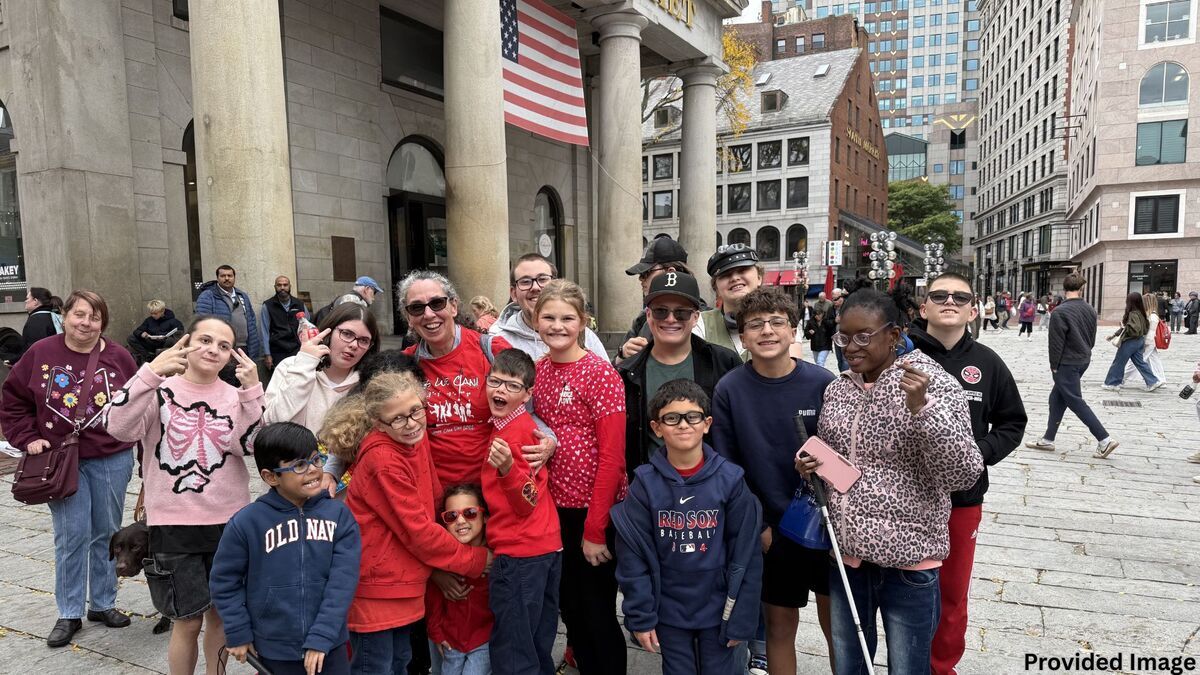
"Without Lynn, I think a lot of kids in her field would feel excluded and not like part of the whole community, but with Lynn, she gets everyone included, especially when she does her field trips. She gets everyone together to know that there's others."
Since starting her career, the number of students requiring support for visual impairments has increased because of greater awareness and improved identification within the field.
When Shortis started working for the Pittsfield schools in 1999, she only had about three students; now the district is at 60 and it keeps climbing, she said.
There is an "extreme shortage" in this field so Shortis hopes more people become aware that this career path exists.
Had it not been for a blind professor who launched an undergraduate program for teaching the visually impaired, Shortis may never have discovered the field herself.
"I just hope to continue to see the positions filled, that people are trained properly, and that they step into these different roles and positions, so that our students have what they need and can become successful adults in whatever capacity that means," she said.
Shortis also serves as the Central Western Massachusetts representative for the Association of Massachusetts Educators of Students with Visual Impairments.
In this role, she shares what she has learned over the years in this field, however, she emphasized that she is never done learning.
"I don't know everything, and I never will know everything, and I feel like I'm learning all the time, but whatever I do know, I like to be able to offer that to especially the new people in the field, so that they can be better informed in some respects," she said.
"It's a small field, it's an isolating field, you're often the only one somewhere, and so having those connections and having people that you have been able to connect with that have been in the field a long time to help learn the ropes is important."
Throughout several interviews with her peers and students there was one commonality, Shortis does not stop until she has accomplished what she has set out to do for her students.
"I think [Shortis is] a good teacher, because she's always like one of those teachers [that] if you have a problem, you can go to her and she'll help you. She's really nice, and she helps people a lot," fourth-grade student Elaina Newton said.
Shortis goes above and beyond, working with students, families, and educators as she spreads awareness, said Nadine Henner, special education paraprofessional.
"She never stops. She's nonstop, nonstop. She helps these kids experience a world that they probably never would or would have a hard time accessing if it weren't for her. She's a gift, Paraprofessional Michelle Gutzmer said.
Tags: Pittsfield Public Schools, teacher of the month,