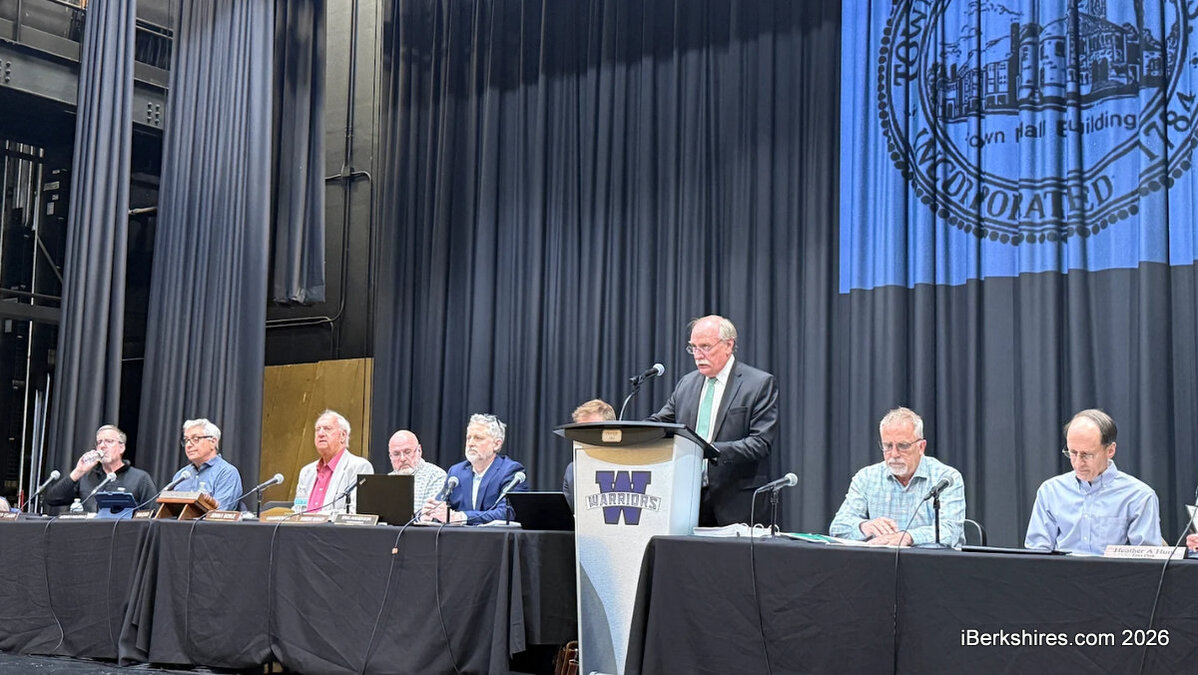
Dalton Passes Fiscal 2027 Budget, OKs Funds for Concrete Lawsuit
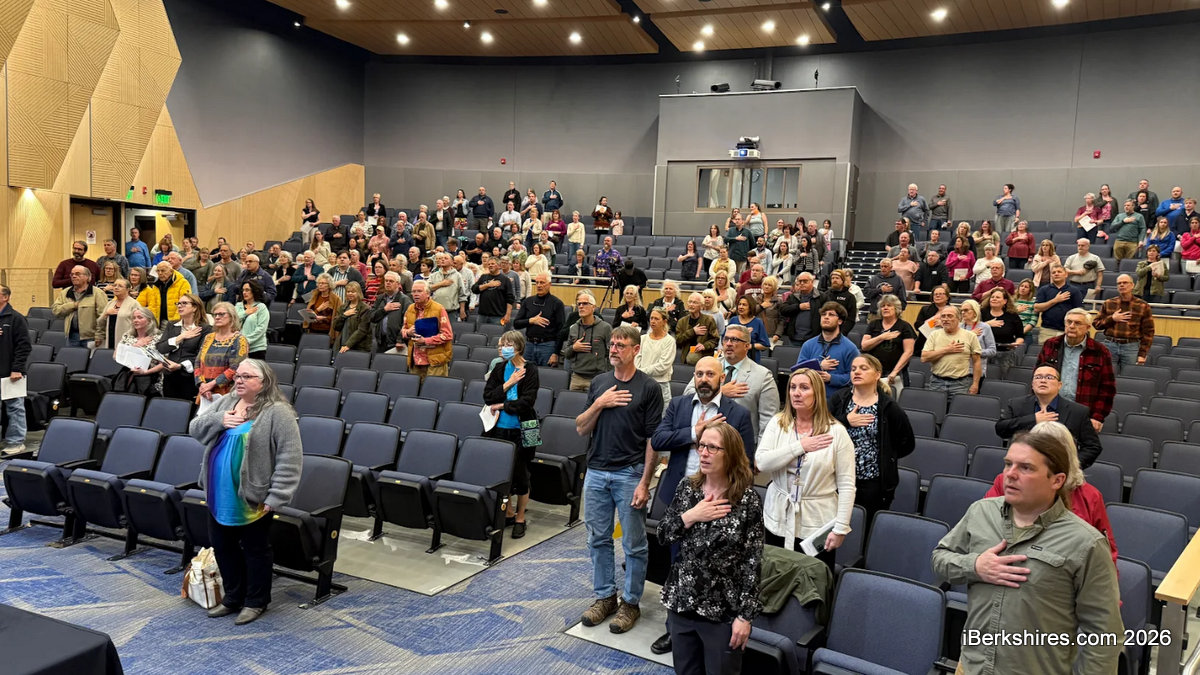
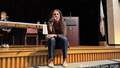
The turnout in Dalton was higher than normal with 190 registered voters attending the annual town meeting at Wahconah Regional High School.
The meeting on Monday night had a higher than average turnout with 190 voters approving 23 of the 25 articles on the warrant during the nearly hourlong meeting.
Voters approved an operational budget of $11,594,333 and several allocations amounting to about $1.15 million for several stabilization funds to address future needs, such as aging infrastructure.
Officials said the budget was reviewed with close scrutiny because of rising costs in items such as health care costs and municipal and infrastructure expenses that have outpacing household income.
"What I want to say is we're OK this year, however, the current trajectory is not sustainable over the next three to five years," Town Manager Eric Anderson said during a town meeting information session last week.
Throughout the budget season, officials foreshadowed a challenging financial future that the town needs to start addressing and a majority of the articles in the warrant did just that.
The $11,594,333 operating budget covers town departments, contractual and intergovernmental services, and debt principal and interest, and includes a 2 percent cost-of-living increase for all employees along with a 1.75 percent step increase for some.
The driving factor in the town's budget increase is the payment to Pittsfield for wastewater treatment services for $865,945. Without it the budget would have decreased by 1 percent, officials said.
Voters approved the establishment of a sewer enterprise fund, which would use the revenue from sewer-user fees to cover sewer expenses.
"It's self-supporting. It allows business-like accounting. In other words, it has both credits and debits within that fund, not spread throughout the general fund," Anderson said during Monday's meeting. "The focus is usually cost recovery, and the fund is designed to cover the operations, maintenance, debt service and capital improvements within that fund.
"It may be worth considering, once the enterprise fund is established, transferring the sewer stabilization funds into that account instead."
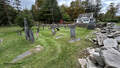
Voters approved rescinding a town meeting vote from 2014, which designated funds to repair "hazardous gravestones."
The remaining balance for this appropriation is $16,578. There aren't any more "hazardous gravestones" to repair, however there are other improvements needed, including gravestones that are not considered hazardous.
This vote increases the scope of what the cemetery trustees can do with this money including the hopes to renovate the chapel at the Main Street Cemetery and convert it into a columbarium.
A majority of the articles passed with little to no discussion. Articles 9, 12, 14, and 15 were passed following amendments to their language.
The citizens' petitions surrounding tiny homes failed so that a public hearing with the Planning Board could be held, which is scheduled for May 20.
Amendments:
• For Article 9, the town was initially requesting the transfer of $50,000 for funding professional and technical work to ensure Berkshire Concrete comply with its special permit; however, voters approved an amendment in light of the company's lawsuit against the town that will allow its use for the litigation-related expenses to defend the town and the Planning Board.
• Voters approved an amendment to Article 12, which originally proposed creating a single subfund under Capital Stabilization for equipment and road work; the amendment instead split it into two separate subfunds.
"Our feeling was, if we have separate stabilization accounts, these stabilization accounts will garner interest over time as they are set in place. This is more beneficial for each one of these stabilizations," Finance Chair William Drosehn, III said.
• The language in Article 14 changed to align with the Article 12's amendment but the funding allocations remained the same.
• The allocations from free cash were:
- General Stabilization Fund: $200,000
- Capital Stabilization Fund: $200,000
- Capital Stabilization Fund (Capital Equipment): $125,000
- Capital Stabilization Fund (Road Improvement): $200,000
- Litigation Stabilization Fund: $0. This account currently has about a half-million which is "an appropriate amount"
• The only allocation resulting in some discussion was for the Sewer Stabilization Fund, requesting $300,000. Including this allocation, the fund has $1,107,953. However, $9,496 of that will be spent to pay the sewer bill to Pittsfield, Article 11.
Additionally, the town will need to spend about $50,000 on engineering to assess its aging — sometimes century-old — infrastructure, identify sources of infiltration, and locate direct connections.
"Some of that is as old as 1890 and the lifespan is not 130 years. So, we have a lot that we need to replace, but we need to do it strategically," Anderson said during the pre-town meeting. "We need to get grant funds as much as possible, and we need to prioritize so we know we're getting the things that have the most impact on the public."
The stabilization account also needs a minimum of more than $750,000 to be prepared in case of a catastrophic failure.
• Article 15 was also amended to address the change made in Article 14. It transfers $100,000 from the Capital Stabilization Road Improvement fund to pay for road work and shimming, $75,000 from the Capital Stabilization Equipment Fund for the purchase of a new Scag power mower and Bobcat chipper for the Department of Public Works.
Tags: annual town meeting, Dalton_budget, fiscal 2027, town meeting 2026,