Williamstown Planning Board, Consultants Discuss Subdivision Bylaw
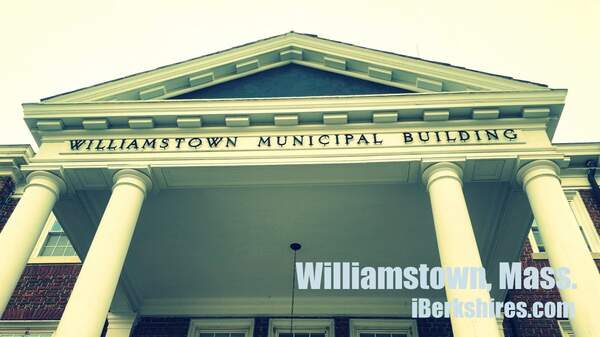
WILLIAMSTOWN, Mass. — The Planning Board met recently with consultants who are helping the body develop amendments to the town's subdivision bylaw.
In a conversation set to continue at a special Planning Board meeting on Tuesday, April 28, representatives of Northampton architecture and civil engineering firms Dodson and Flinker and Berkshire Design Group outlined some of the decision points for the board as it develops a major revision of the bylaw.
Unlike the zoning bylaw, for which the Planning Board makes recommendations to town meeting, the subdivision bylaw is under the direct authority of the five-member elected board.
The Subdivision Control Law, Article 170 in the town code, was first adopted by the Planning Board in 1959. The current board is looking to do the first major revision to the rules that "guide the development of land into lots served with adequate roads and utilities," since 1993.
The town hired the Northampton consultants with the proceeds of a grant administered by the Berkshire Regional Planning Commission.
Dillon Sussman, a senior associate at Dodson and Flinker, laid out the scope of the project and the objectives of the board as conveyed to the consultants.
"What we understand of your goals for the project is to make small subdivision projects more economically feasible," Sussman said. "We've heard that you think that small subdivision projects are more likely … that there's not much land remaining [in Williamstown] for large projects. And you've had some experience with a small subdivision project that was difficult to fit in your current subdivision regulations."
A recent four-home subdivision under development by Northern Berkshire Habitat for Humanity off Summer Street required a number of waivers from the bylaw as written.
Sussman said the board's intent is to make small subdivisions, "more economically feasible," by "removing economic burdens that are unnecessary."
Specifically, he noted four ways the bylaw could be changed to achieve that end: making sure infrastructure required is appropriate but "not excessively over-specced and too expensive," developing clear standards, incorporating modern standards for stormwater management and clarifying the timeline for the acceptance of roads.
"I can't think of additional goals," Planning Board Chair Kenneth Kuttner said.
"As we've discussed many times here, we just don't have huge sites for mega subdivisions. We're looking at what I'd call 'infill subdivisions.' Those have been a pain because of the need for waivers.
"We want to make it less burdensome for developers and us so we don't have to exercise as much discretion to make those things happen."
Planning Board member Roger Lawrence asked the consultants to help the board address inefficiencies in the Williamstown code by sharing the roadblocks the consultants' clients have run into in other municipalities.
"We haven't permitted a bunch of subdivisions in the past decade," Community Development Director and Town Planner Andrew Groff said. "Is it a market problem? Is it a regulation problem? Is it a bit of both?"
Dana Menon of Dodson and Flinker told the board that the consultants were impressed with the work that the Williamstown panel already had done, particularly when it came to thinking about how to categorize subdivisions by scale and how different sizes of developments would be subject to different requirements under the bylaw.
Menon walked the board through perceived weaknesses in the current bylaw, including the fact that regulations overlap between the zoning regulations and the Subdivision Control Law and that neither appear to have an "efficient pathway for small projects."
"You nailed it in terms of identifying the 'scatteredness,' if you will, in what we currently have," Kuttner said. "Things are all over the place. It's hard for me to figure out where all the pieces fit."
One of the issues the board wants to address is when and under what circumstances the town would assume ownership of a road created for a subdivision.
In the Summer Street development, the town and Habitat for Humanity have a memorandum of understanding in place to bring an ownership vote to town meeting. Another subdivision, Sweet Farm Road, ran into issues related to the ownership question, in part because of the town's standards for road construction.
"In which circumstances do you want to assume the town will take ownership of these roads?" Sussman asked. "You're not required to, right? In some communities, their policy is they're not going to accept any roads. It sounds like in yours, the intent is to do so."
Kuttner said the subdivision bylaw implies that town acceptance could happen if the road in question meets the town's regulations.
"We want to spell out the conditions under which we would explicitly accept a road," Kuttner said.
When it was noted that road acceptance is a question for town meeting, Kuttner said the bylaw could be written to make explicit the terms under which the Planning Board would recommend acceptance to town meeting.
Civil engineer Kris Baker of Berkshire Design Group laid out the decision points the Planning Board needs to consider for infrastructure requirements in subdivisions. He noted, for example, the town bylaw requires a half inch deeper top course for roads than the minimum recommended by the Massachusetts Department of Transportation for low-volume roads.
Baker said revising the bylaw also allows the Planning Board to consider issues like sidewalk and curbing requirements and whether to allow "low impact development" for stormwater management — issues that affect the upfront costs for developers but also could create management costs down the line.
The Subdivision Control Law also regulates features like turn radii and road widths, which require a conversation with the town's fire chief, Baker said.
Sussman encouraged the Planning Board to bring public safety and Department of Public Works representatives to the April 28 meeting, a single-issue session to discuss the subdivision bylaw.
The grant to hire Dodson and Flinker and Berkshire Design Group runs out at the end of June. The Planning Board's goal is to hold several more meetings with the consultants between now and then in hopes of developing a revised bylaw this summer for adoption by the fall.
Tags: Planning Board, subdivisions,