Letter: Future of Town(s) Fire/EMS Services

Letter to the EditorPrint Story | Email Story

To the Editor:

For generations, Berkshire County's fire departments have served their communities with pride. We all respect that history. But history alone cannot answer today's emergencies.

I write this as a son of Berkshire County. I grew up in West Stockbridge and remember the small-town fire service culture of the 1970s and 1980s. But those days are gone. The demands on fire and EMS today are greater, more technical, and more constant. We have got to change.

Massachusetts law sets real standards for firefighter retirement, safety, and training. Public employers must comply with workplace safety rules, and fire-service training is not optional or informal. These are legal and moral obligations. Ignoring them is not tradition. It is failure to the community and first responders.

That failure is sad, yet all too common. And it dismisses our obligation to the people who call 911 expecting a competent response.

We all love volunteers. They are a community necessity and always will be. But volunteers should not be the entire daily operating plan. Most calls now are EMS-related. Everyday response requires an essential core of professional, dually trained firefighters and EMS personnel, with volunteers strengthening the system when resources are strained.


The truth is already in front of us. Mutual aid exists because no town can do it alone. Some Berkshire communities are already moving toward shared-service models with full-time staffing, shared equipment, and regional planning. That is not a threat to local identity. It is the future of effective community safety.

We also need to be honest about waste. Small departments cannot keep spending limited tax dollars on redundant equipment, duplicate apparatus, and layers of administrative overhead while service gaps grow. The public deserves readiness, competence, and accountability.

The real question is simple: are we protecting today's communities, or preserving a bygone era because elected and appointed officials are afraid to think differently?

Berkshire County does not need less heart. It needs more honesty, more professionalism, and more regional leadership.

The path forward is clear. Towns must work together under one umbrella of care. Everything else risks becoming a defense of the status quo when the public deserves better.

Christian Tobin
Naples, Fla.


If you would like to contribute information on this article, contact us at info@iberkshires.com.

Social Service Organizations Highlight Challenges, Successes at Poverty Talk

By Brittany PolitoiBerkshires Staff

Dr. Jennifer Michaels of the Brien Center demonstrates how to use Narcan. Easy access to the drug has cut overdose deaths in the county by nearly half. 

PITTSFIELD, Mass. — Recent actions at the federal level are making it harder for people to climb out of poverty.

Brad Gordon, executive director of Upside413, said he felt like he was doing a disservice by not recognizing national challenges and how they draw a direct line from choices being made by the Trump administration and the challenges the United States is facing. 

"They more generally impact people's ability to work their way out of poverty, and that's really, that's really the overarching dynamic," he said. 

"Poverty is incredibly corrosive, and it impacts all the topics that we'll talk about today." 

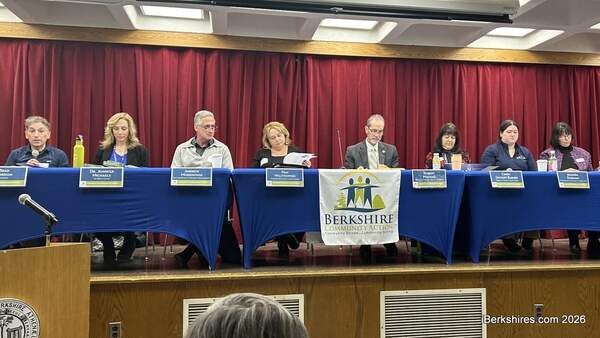
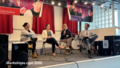
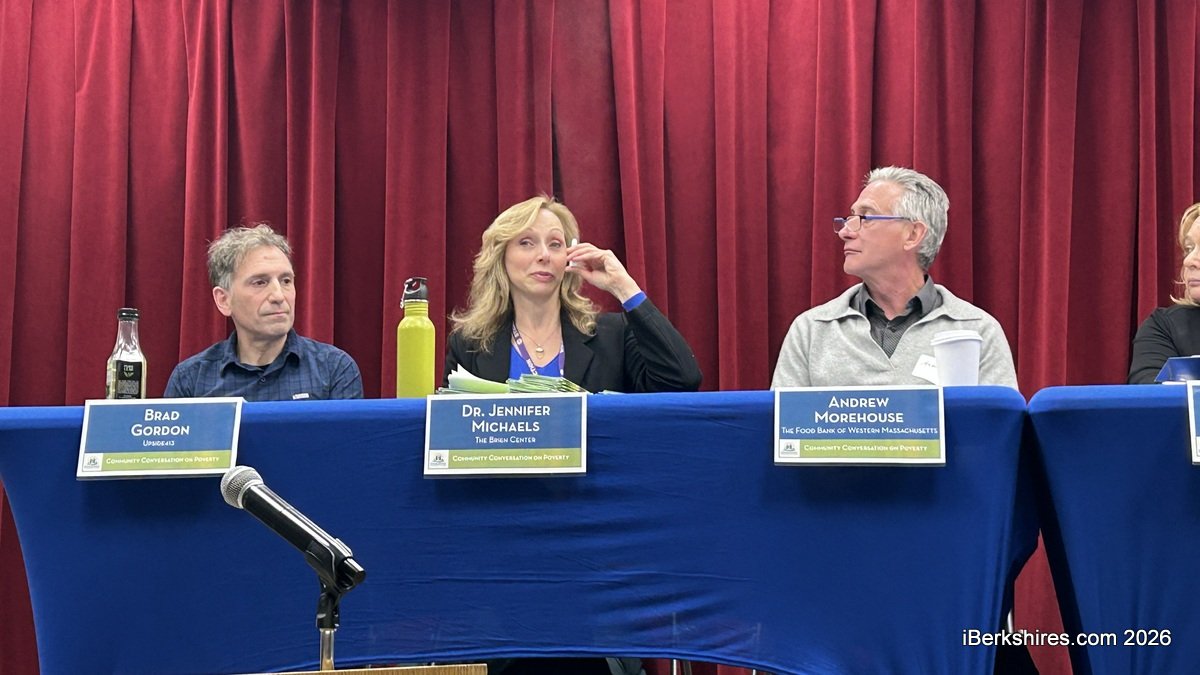
His comments came during a conversation on poverty hosted by Berkshire Community Action Council. Eight local service agency leaders detailed how they are supporting people during the current housing and affordability crisis, and the Berkshire state delegation spoke to their own efforts.

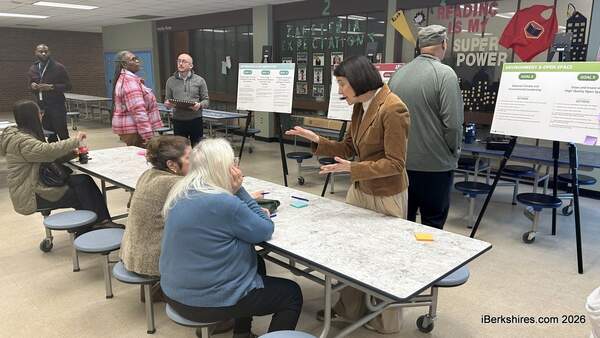
The event held on March 27 at the Berkshire Athenaeum included a working lunch and encouraged public feedback. 

"All of this information that we're going to gather today from both you and the panelists is going to drive our next three-year strategic plan," explained Deborah Leonczyk, BCAC's executive director. 

The conversation ranged from health care and housing production to financial literacy and child care.  Participating agencies included Upside 413, The Brien Center, The Food Bank of Western Massachusetts, MassHire Berkshire Career Center, Berkshire Regional Transit Authority, Greylock Federal Credit Union, Massachusetts College of Liberal Arts, and Child Care of the Berkshires. 

The federal choices Gordon spoke about included allocating $140 billion for the U.S. Immigration and Customs Enforcement, investing $38 billion to convert warehouses into detention centers, cutting $1 trillion from Medicaid over 10 years, a proposed 50 percent increase in the defense budget, and cutting federal funding for supportive housing programs. 

Gordon pointed to past comments about how the region can't build its way out of the housing crisis because of money. He withdrew that statement, explaining, "You know what? That's bullshit, actually."

"I'm going to be honest with you, that is absolute bullshit. I have just observed over the last year or so how we're spending our money and the amount of money that we're spending on the federal side, and I'm no longer saying in good conscience that we can't build our way out of this," he said. 

Upside 413 provided a "Housing Demand in Western Massachusetts" report that was done in collaboration with the University of Massachusetts at Amherst's Donahue Institute of Economic and Public Policy Research. It states that around 23,400 units are needed to meet current housing demand in Western Mass; 1,900 in Berkshire County in 2025. 

View Full Story

More Pittsfield Stories