Legislative Breakfast in Pittsfield Voices Human Service Needs
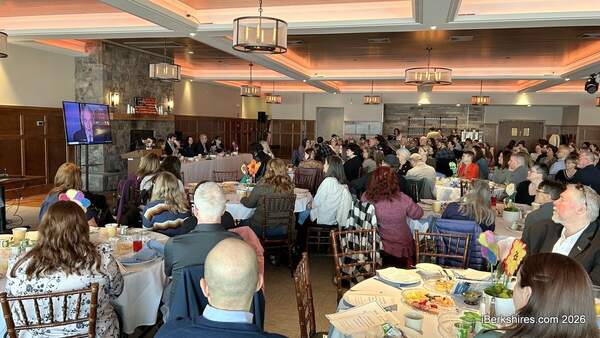
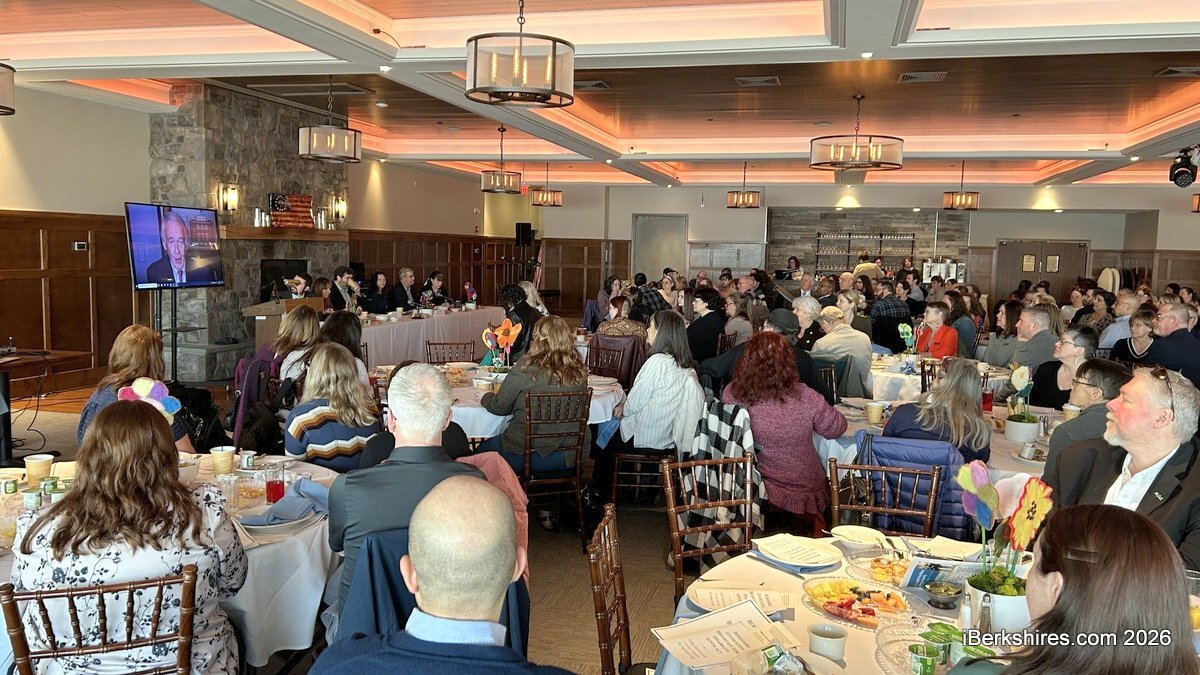
PITTSFIELD, Mass. — Legislators heard about the human service community's priorities amidst federal funding uncertainties on Friday during a breakfast held by UCP of Western Massachusetts. At the top of the list was wages for employees of these critical organizations.
CEO Randy Kinnas reported that the nonprofit, dedicated to advancing the independence of people with disabilities, is celebrating its 65th anniversary. He said this work doesn't happen without dedicated staff members from every organization in the packed room at Proprietor's Lodge.
"We don't do this for the money. We do it with a servant's heart. We do it for service above self, and that is really important for our legislators to know that as well as we get into this conversation about wages," Kinnas said.
The conversation focused on wages, brain injury services, transportation, and health care, as well as the corresponding Senate and House bills. Legislators heard from employees of 18 Degrees, Berkshire County Arc, AdLib, and more.
Maryann Hyatt, president and CEO of Berkshire County Arc, explained that these issues were identified collectively by the human service agencies in the room.
"What a time we find ourselves in. We are all so lucky to live in a supportive community. How we can come together like this with common goals and a common voice," she said.
"…We live in a complex world with a lot going on right now. The business we are in is the oldest and most basic of all, taking care of each other. That is what we are here to talk about today, to continue to do the critical but often overlooked and sometimes scrutinized work we do."
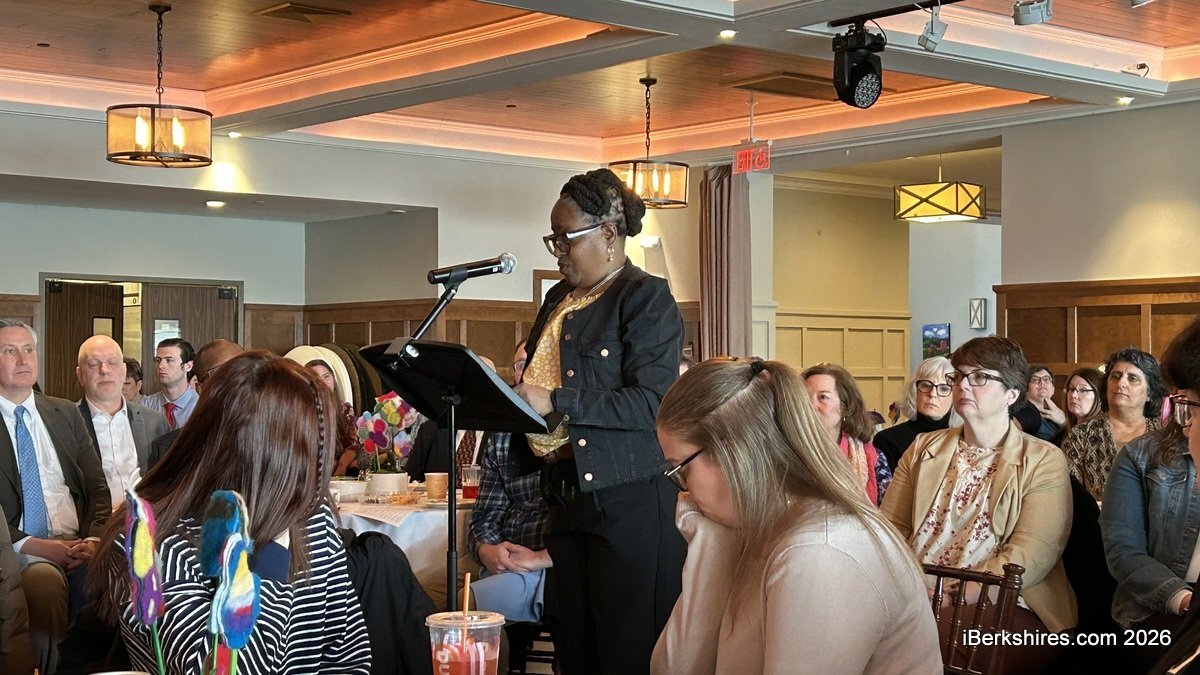
Delores Moore, a senior site coordinator at 18 Degrees, said human service workers play an essential role in helping people to navigate challenges and build strong futures for themselves and their families, but the ability to continue doing the work depends on a workforce that can afford to stay in this field.
Over more than 26 years, Moore has held a variety of human service roles. She was named iBerkshires.com's October 2025 Teacher of the Month.
She spoke about her love for the work, explaining that the small interactions are what give her the greatest sense of purpose.
"Despite having fulfilling work that I love, I had to take on another job to make ends meet. That means long days, hard work. Although I have given my best to the children I serve, I find myself preoccupied with the stress of having to find a balance," she explained.
"Fair wages would make it possible for workers like me to continue doing important work [without] struggling to make a living."
Moore said many human service employees in Massachusetts are facing the same challenge, with many earning between $20 and $25 per hour, depending on role or experience. According to the Massachusetts Institute of Technology's living wage calculator, a single adult in Massachusetts needs about $30 an hour to meet living expenses.
She urged the Legislature to support living wage bills S.130 and H.223, explaining, "Fair wages will help ensure that experienced human service workers can continue to support children, families, and communities that depend on us."
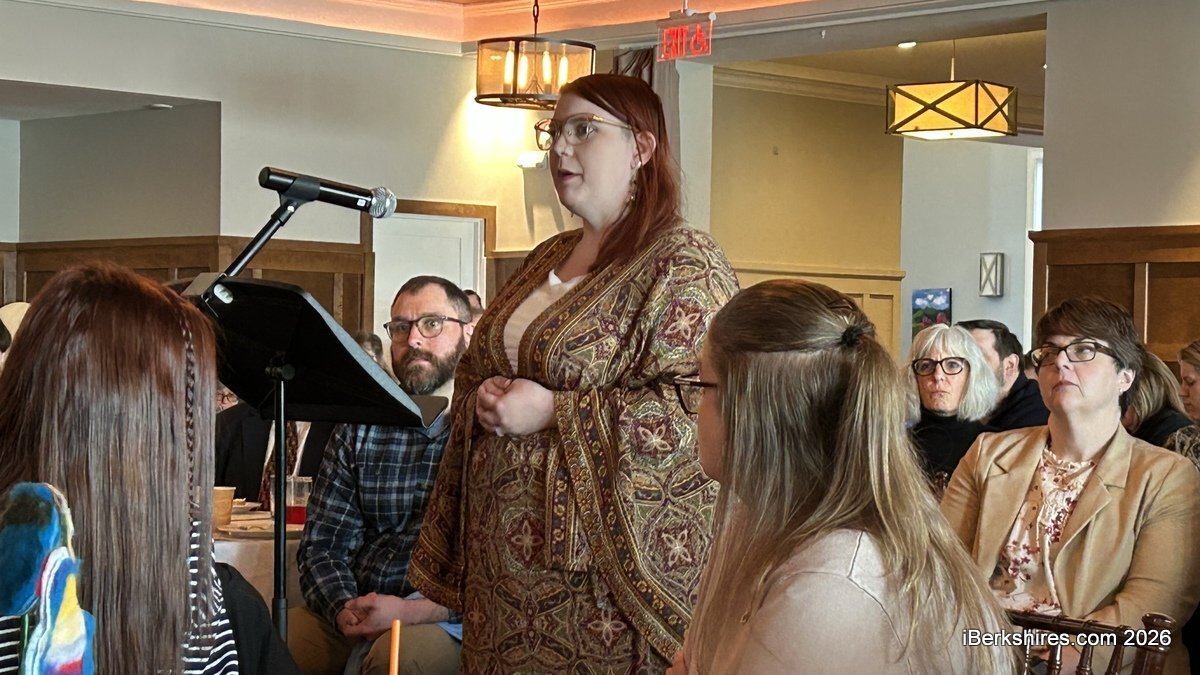
Bryce Remillard, a site manager with Berkshire County Arc, explained that she was the youngest brain injury site manager at 22, and now, at 25, she is still committed to this field.
"The challenge for me and everyone I know is paying bills, but the fear for me, if I stay in this field, is my future. Will I be able to give my daughter, Iris, a great life? Will she have all the opportunities that I want to be able to give her?" Remillard said.
"Right now, I make a good salary as a site manager. When I tell my friends in the for-profit sector that I manage a staff of eight and am responsible for the livelihood of four adults with brain injuries, they do not agree that I make a good wage. But a good salary still doesn't go a long way. I have rent, a car insurance, a child, daycare, and utilities."
Pittsfield just completed a wage study for 150 city positions, and Mayor Peter Marchetti reported that when he received the data and saw how poorly some people are paid, "It was just mind-blowing."
Last week, U.S. Rep. Richard Neal hosted a discussion to highlight the impacts of "sweeping" cuts to Medicaid and other programs included in President Donald Trump's "One Big Beautiful Bill Act of 2025." During the conversation, Darlene Rodowicz, president and CEO of Berkshire Health Systems, said BHS will see some "significant" hits with upcoming federal changes to Medicare and Medicaid.
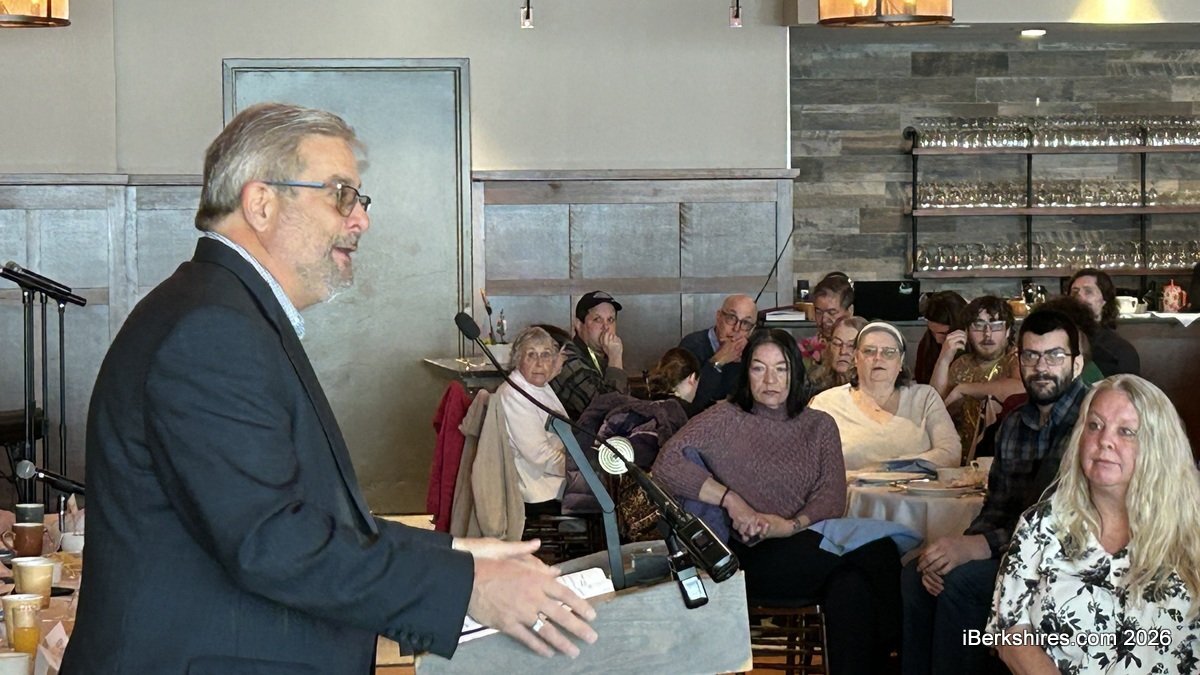
State Sen. Paul Mark on Friday said this is a great time for the legislative breakfast because the state is working on its budget for fiscal year 2027. It is estimated to be around $63 billion, with about $15 billion coming from the federal government.
The advocacy this year is especially important, he said, because it makes sure legislators aren't missing the most important needs of the community.
"In many ways, we haven't just lost a partner at the federal level. In some ways, we've gained an enemy, and people that are vulnerable, people that are in need, people that maybe are looking for services, are under attack in Massachusetts and throughout the country," Mark said.
"It is our job here in the state Legislature, in state government, to make sure we push back, to make sure when it's policy matters, that we make sure we're protecting the most vulnerable, that we're making sure that the work you do is able to proceed and that, as best as we possibly can, that we're able to continue to fund all the work that you do."
State Rep. Tricia Farley Bouvier said the state is a target, and when almost a quarter of the budget comes from federal dollars, it will be "very" impactful. She said Massachusetts's best tool is Attorney General Andrea Campbell, who is fighting every step of the way and coordinating with other AGs.
"When it comes to the federal situation, the most important thing about this breakfast for us is to hear from you of what these impacts are going to mean for you, so that we can continue to do our work," Farley-Bouvier said.
Kelly Buttigleri, public affairs manager of the Brain Injury Association of Massachusetts, asked that the Statewide Head Injury Program, which supports five brain injury community centers and offers community-based case management services, maintain funding at $33.1 million.
Jennifer Reynolds, director of the Pittsfield Council on Aging, asked that Berkshire Regional Transit Authority's fare-free transit program be extended and that the legislators consider establishing a direct funding stream for COA transportation to ensure services remain consistent.
Liz Baldwin, crew leader at High Spirit Community Farm in Great Barrington, said medical providers don't have the tools to appropriately support individuals with autism and intellectual developmental disabilities, leading to poor health outcomes.
To illustrate this, she shared that a man in the facility's care went blind in one eye after an unusual spot was noticed on the eye, he was brought to a local professional, and they did not have "the time, the patience, the training, or the tools" to accommodate his physical needs and comprehension skills and complete the eye exam.
The farm then had to spend an "extraordinary" amount of time, energy, and money researching a medical provider that would work with them, waiting for an appointment, and traveling to Boston for the specialist.
"They should have been able to get care a year earlier and closer to home, and the problem worsened in that time," Baldwin said.
She reported that in 2025, six out of eight, or 75 percent of the individuals, in High Spirits' care had to travel as far as Worcester or Boston to receive medical care by professionals who have the skills to work with them.
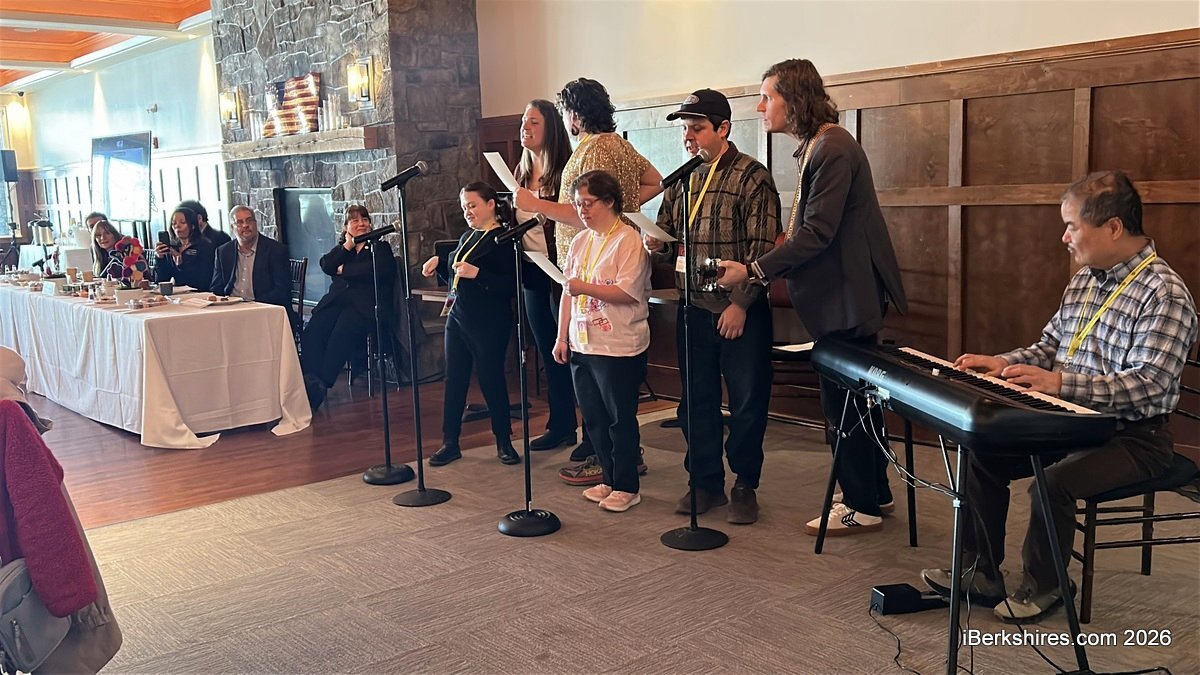
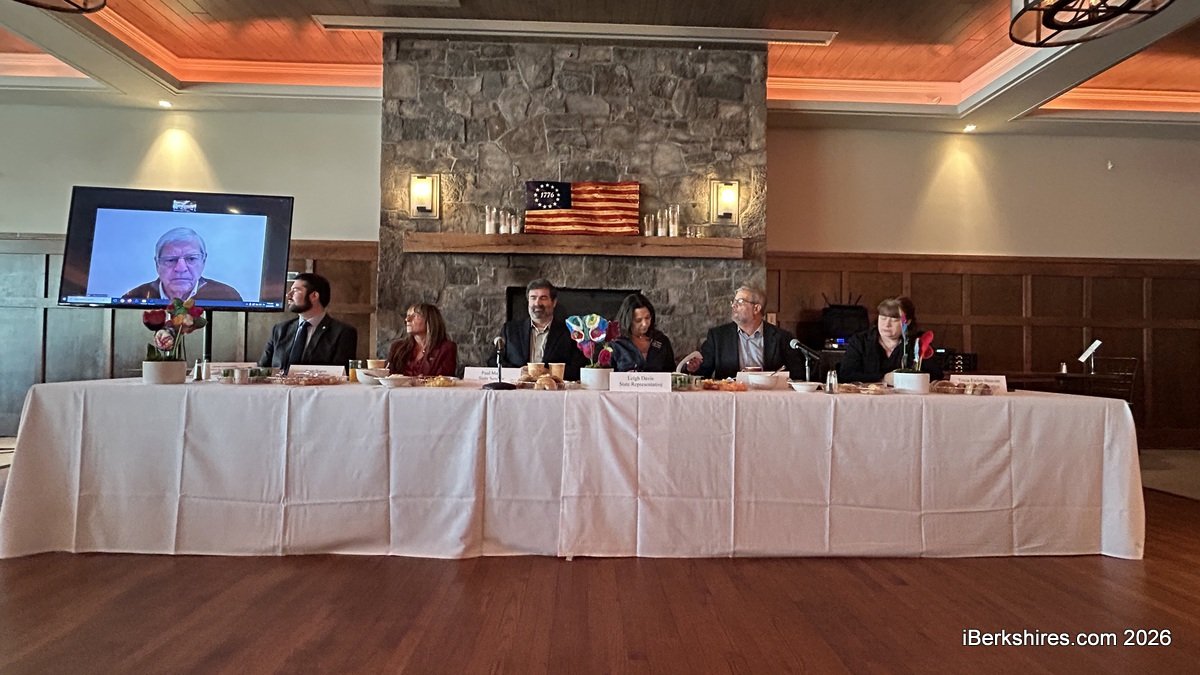
U.S Sen. Ed Markey gave remarks via video, and state Rep. John Barrett attended on Zoom. The breakfast concluded with a group performance from Community Access to the Arts.
"The theme here is dignity. I keep hearing that we need dignity for wages, earning a living wage, those fighting for transportation, health, equity, housing," state Rep. Leigh Davis said.
"It's really dignity, and that is what's rising to the top for me, is making sure that we all see you and then we know that, above it all, it's all about having a way to have dignity in your own lives."
Tags: human services, legislative breakfast,