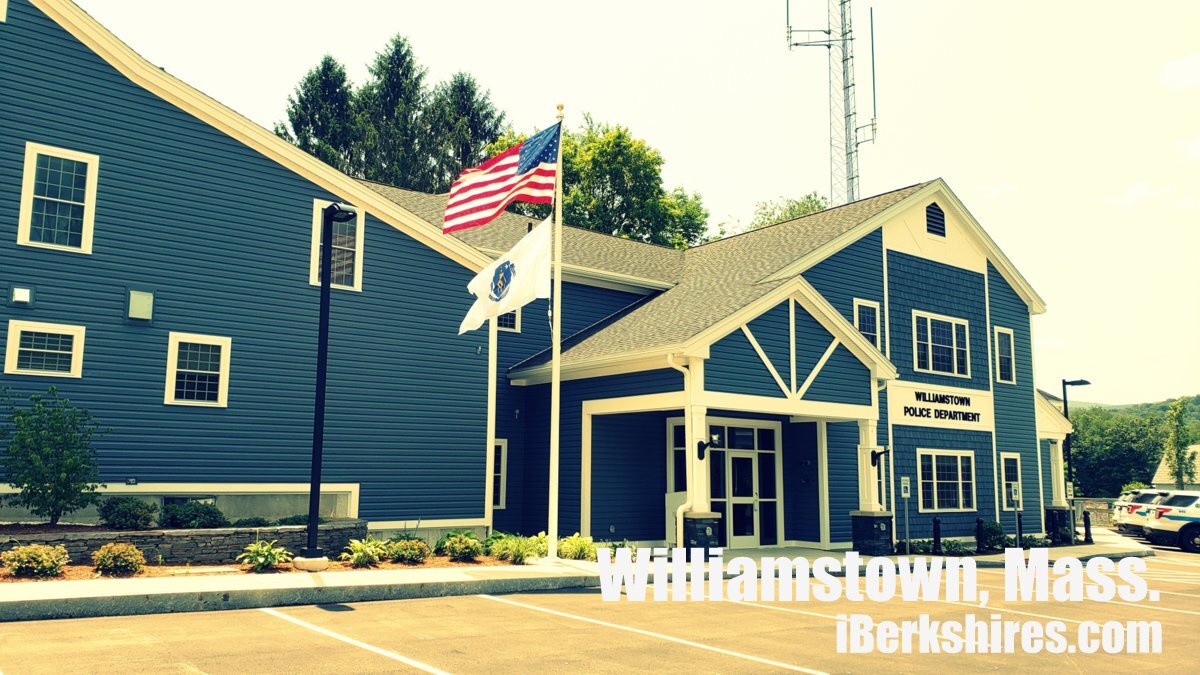
Williamstown Police Department Attains Certification
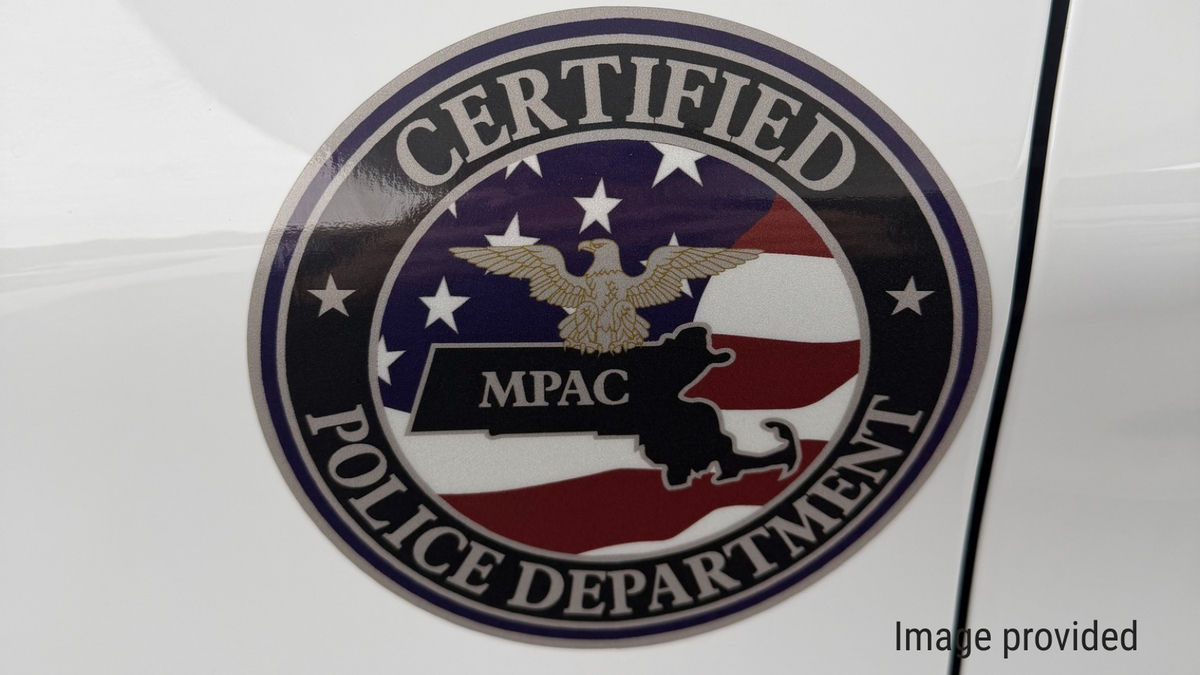
Williamstown Police vehicles are now eligible to carry a seal indicating the department has been certified by the Massachusetts Police Accreditation Commission.
The MPAC awarded the WPD a "certificate of certification," in recognition of the department's "extraordinary steps to demonstrate its pride and professionalism by living up to a body of critical law enforcement standards in areas of management, operations and technical support activities to deliver quality police services to its community."
Town Manager Robert Menicocci first announced the certification publicly during remarks to the town's Finance Committee late last month.
Accreditation has long been a goal of the WPD since Chief Michael Ziemba took over as interim chief in 2021.
"I am grateful to every member of the Williamstown Police Department for their efforts in reaching this important milestone," Ziemba said in a news release posted on the department's Facebook page last week. "We remain committed to the accreditation process as a key component of upholding our agency values of professionalism, integrity, respect, dedication and excellence."
Ziemba last week told the Finance Committee during his budget presentation that he expects it to take another two years to complete the accreditation process, which includes a review of the WPD's compliance with mandatory and optional standards of the MPAC.
"I believe there are 280 things that you have to say, 'Yes, we're doing this as best practice,' " Ziemba said in answer to a question about the certification/accreditation process. "You have to have policies around high risk things like pursuit, uses of force, evidence storage. It's all regulated, and they tell you how the policies have to look and what you have to show for proof.
"It's basically retired police chiefs and legislators who go around and review your facilities, review your policies, review your practices. And when you check all those boxes … we're certified. It's taken us three years to get to this point."
Ziemba said the accreditation process changed while the WPD was in the pipeline. It used to take three years to get accreditation. Now, it's three years to reach certification with another two years, "to do an additional 120 steps," to attain accreditation.
In Berkshire County, only the Great Barrington Police Department currently is accredited.
Ensuring that the department meets the MPAC's high standards does come at a cost.
"Accreditation is a good thing and certification is a good thing, but with that comes requirements," Ziemba told the Fin Comm. "There were certain things we weren't doing – little things like, our fire alarm system, we weren't scheduled to test so often and do these level three inspections, so we have to hire a company to come in, because proof of that being done is required by the the Massachusetts Police Accreditation Commission."
Ziemba has had the backing of town officials as he has sought accreditation for his department.
"I think having an accredited, well-trained police force is what we want in town," Fin Comm Chair Frederick Puddester said.
Tags: accreditation,