Adams Selectmen Concerned Over Park Street Bridge Detours
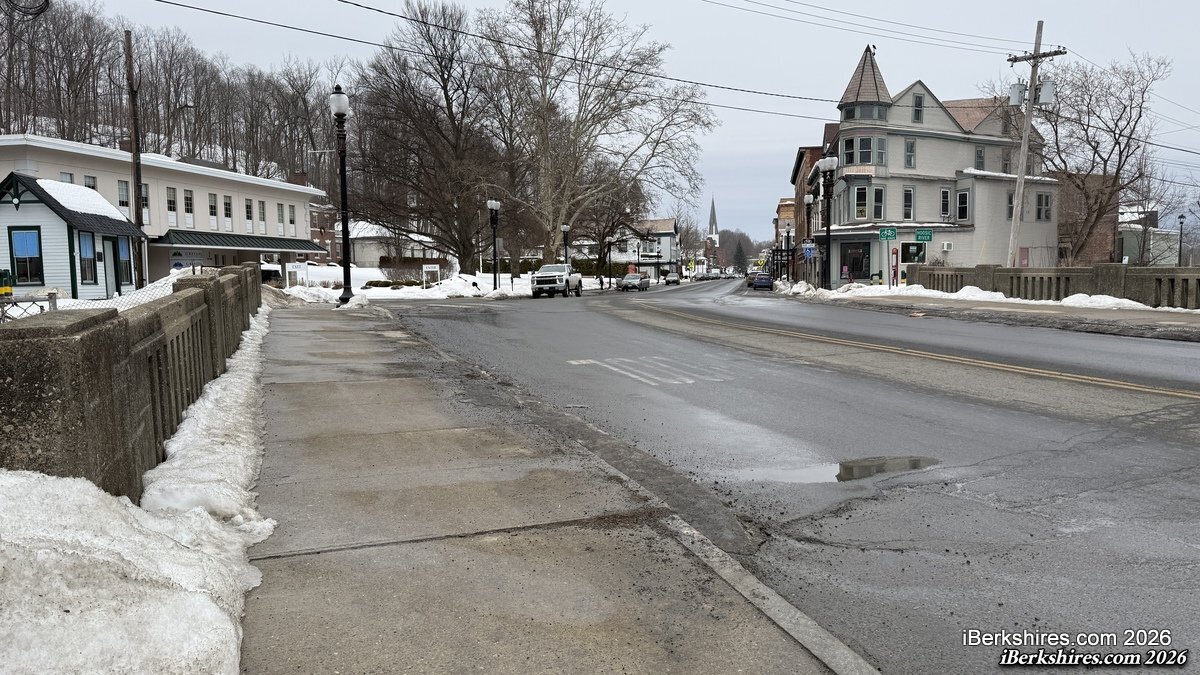
ADAMS, Mass. — The Selectmen have concerns over the impact of the state's decision to downgrade the weight limits for the Park Street bridge.
The state-owned bridge, over the Hoosic River, was reconstructed in 1957 and is heavily utilized for traffic on Route 8.
The change requires that vehicles weighing more than 16 tons will be detoured; signage on weight restrictions will be posted this week.
This change is going to cause a lot of problems, said Selectman Joseph Nowak, a sentiment shared by fellow board members.
The community was blindsided by this decision and it is going to be a major nuisance, said Chair John Duval.
"It was very short notice, and subsequent follow-ups was largely communicated that this is a state-owned bridge and sort of out of local control, as far as they're concerned," Town Administrator Nicholas Caccamo said.
The police chief and Traffic Commission worked to find a remedy for the change and adjust traffic patterns that will require heavy vehicles be redirected down residential neighborhoods, Nowak said.
Northbound truck traffic will be routed onto Myrtle Street, through Pleasant and Depot streets, to reconnect to Route 8 on Columbia Street. Southbound traffic will be directed onto Lime Street, then Summer and North Summer Streets to Center Street.
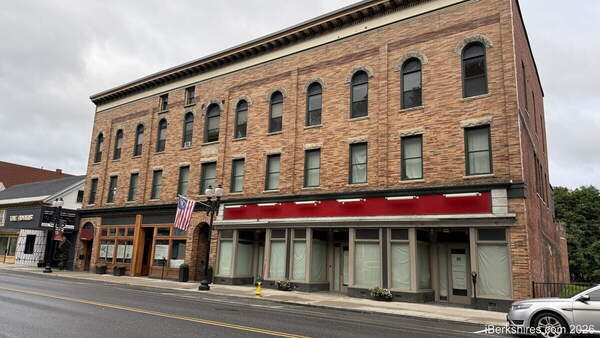
The Traffic Commission also recommended eliminating the 15-minute off-loading zone in front of the Barrett House on Pleasant Street, as well as prohibiting parking on Summer Street between Orchard and Spring streets. North Summer is residential but has a wide road; Summer Street is densely settled with a narrower road.
"It's going to be tough for tractor-trailers coming that way. So, you know as I do, if you're even driving a personal vehicle there, sometimes you're weaving in and out," said interim Police Chief Timothy Sorrel.
The detours will likely cause a lot of trouble because of the area's narrow streets, its potential impact on the neighborhood's appearance, increased nighttime noise for residents, and the need for parking restrictions, Duval said.
With all these concerns, board members wondered how long it will take to repair the bridge so the detour will no longer need to be in place.
"There's so many bridges that are failing in this commonwealth, and there's a list a mile long. So where will that put us — that's our main street," Nowak said.
At the time of reporting, the repairs to the Park Street bridge, listed as "Center Street" bridge on the state Department of Transportation website, is not included in the Transportation Improvement Program list.
According to John Goggin, MassDOT communications analyst, the state is still evaluating options on future preservation work on the structure.
"Since there is no significant deterioration of the controlling element, MassDOT is looking at options to reduce the dead load of the bridge and/or restrict live load from the controlling element," he said.
While state officials believe there is "no significant deterioration" caused by the change; board members disagree and requested that a representative from the state attend a meeting to discuss the situation.
"This will be my last statement, at least ask them to come forward and please get a hold of our state rep and our state senator and let them know about this, because it's crazy," Nowak said.
Tags: bridge project, detour,