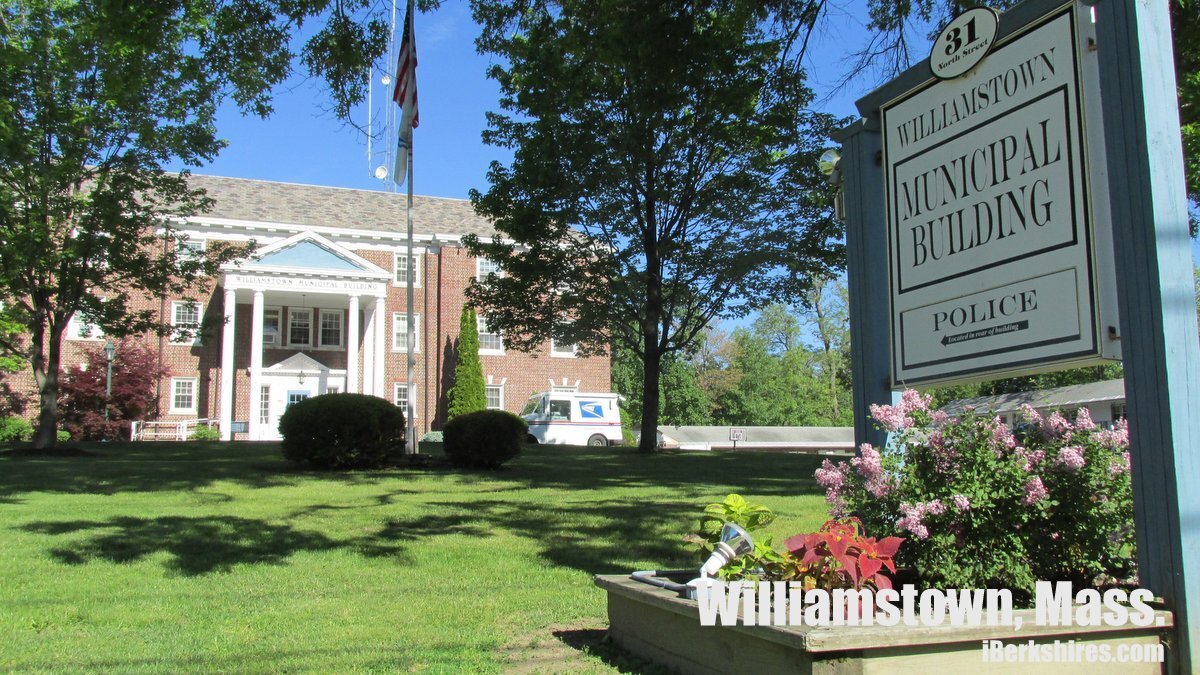
Williamstown Finance Committee Begins FY27 Budget Review
WILLIAMSTOWN, Mass. — The Finance Committee last week began its review of an "unexciting" fiscal year 2027 budget while continuing to monitor an unappealing trend line that could see the town facing a Proposition 2 1/2 override as soon as FY29.
Town meeting will have the levy capacity to approve the FY27 budget as drafted and presented by the town manager on Wednesday, partly because the spending plan for the year that begins on July 1 includes just one noteworthy increase in discretionary municipal spending.
As drafted, the FY27 budget would result in a projected 7.69 percent in the property tax levy from the current fiscal year — pending the final numbers from the town's largest cost center, the Mount Greylock Regional School District, which will not finalize its assessments to its member towns until March 19.
The town hall side of spending is up by about 2.8 percent in the proposed budget. Most of that is attributable to cost-of-living increases for current employees and fixed costs, like the town's contribution for employees' health insurance.
"The one thing I would say is apologies for bringing a boring budget forward that doesn't have a lot of excitement," Town Manager Robert Menicocci told the Finance Committee. "But with this audience, it's, 'Hey, we brought something really exciting to you guys. The growth is modest given all the pressures that are out there.'
"We're maintaining services as we know them. I think that's really strong news given the pressures that are out there. There's no erosion of services. There's no erosion of staff. We haven't had to go through a cut exercise. Still, that's at the expense of relying on the taxpayer to pay more taxes this upcoming year."
Finance Director David Fierro Jr. told the Fin Comm that most of the increases in expenses are because of the town's negotiated cost-of-living adjustments. He also included an estimated 9 percent increase in the assessment from Mount Greylock and a 10 percent increase in the much smaller assessment from the Northern Berkshire Vocational Regional School District (McCann Technical School).
Last year, the town's share to the two school districts went up by 7.6 percent and 29.4 percent, respectively. The latter hike, at McCann, was based on increased enrollment of town residents at the vocational school (in real dollars, the McCann Tech assessment was up $96,163 from FY25 to FY26)
The Mount Greylock School Committee will grapple with whether to ask Lanesborough and Williamstown taxpayers to support adding additional staff, as sought by the school councils in all three of the district's buildings.
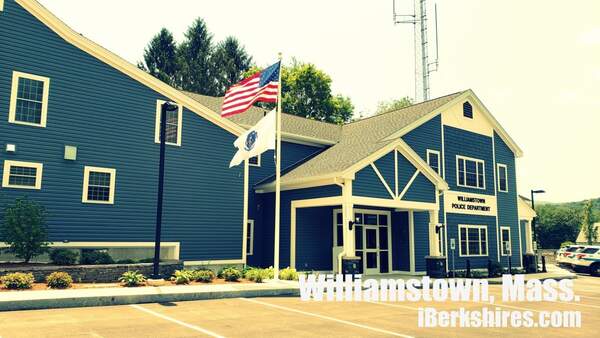
Menicocci has brought forward a budget that adds one new position, a long-sought increase in staffing at the Williamstown Police Department.
He explained that the new position, a 14th officer, will allow the department to continue to work toward accreditation, a long-term goal that took a big step forward this winter.
"The Public Safety Department did hear in January from the accrediting department here in the state that they did receive their certification," Menicocci said.
"As you know, [Chief Michael Ziemba's] plan was to staff at a certain level so we could take that next step and receive our accreditation. Now that we're certified, that's probably going to be another two-year process. A lot of work to do, but also demonstrating our ability to meet the needs of the community, call-volume wise."
Menicocci said Ziemba would provide more detail about the need for another position when he makes his budget presentation to the Fin Comm at its Feb. 25 meeting.
All the town's major cost centers are scheduled to get a close examination from the committee at a series of Wednesday meetings it plans to wrap up on March 25, leading to the Fin Comm's votes on the fiscal articles it will present to town meeting on May 19.
Its deliberations this year began with another look at the town's diminishing excess levy capacity.
For years, new growth (like the Williams Inn or the Cable Mills apartments, for example) coupled with rising property values kept the town's total taxable valuation (currently $1.54 billion) high enough to stay ahead of relatively modest increases in expenses.
Rising costs to deliver services, like education, coupled with stagnant growth in the town's tax base have resulted in rising taxation and a narrowing of excess levy capacity, the difference between what the town does raise through taxation and what it could raise through taxation without requiring an override vote.
In FY25, the excess levy capacity was $3.3 million. That number dipped in the current fiscal year to $2.7 million, about an 18 percent drop. According to projections the Fin Comm saw last week, that capacity will go down again (by 34 percent) in FY27 and drop to just more than $676,000 in FY28.
By FY29, the town will need a projected $27.4 million from local property taxes to maintain level services while its maximum allowable levy — without an override vote — will be $26.8 million.
One thing that could change the levy limit: new growth, which raises the tax base and, therefore, the amount that can be taxed without going over the state-mandated limit of a 2.5 percent increase in property taxes in a given year.
That is why members of the Fin Comm have encouraged the Planning Board to pursue zoning changes that would allow more growth, particularly mixed-use development in the town's business zones.
But the town can only enable private investment, not create it. And without significant investment to raise the value of taxable property, a higher tax burden — or the "cut exercise" Menicocci referenced —is inevitable.
"By 2029, we'll be in override mode," Fin Comm Chair Frederick Puddester said. "Two years from now if we don't change. If you look out to Year 5 [in a projection shown to the committee], the average tax bill from the town is over $10,000, and it goes way over $10,000 if you include the Fire Fepartment and their debt. The median [tax bill], if we don't change course, will be over $10,000 in five years. Sobering."
Tags: Finance Committee, fiscal 2027, williamstown_budget,