Williamstown Theatre Festival's 2026 Absence Said Not to Cause 'Panic'
WILLIAMSTOWN, Mass. — News this week that the Williamstown Theatre Festival will go dark again this summer has not yet engendered widespread concern in the town's business community.
"None of the members have reached out in panic," Williamstown Chamber of Commerce Executive Director Sue Briggs said on Wednesday afternoon. "I'm really pleased.
"The rumor on the street has been this is what they need in order to come back and be a viable festival. … With that said, I have not had any real one-on-one conversations with business owners about it yet."
"It" was the announcement Tuesday, in the form of interviews reported in the Washington Post and Berkshire Eagle, that the WTF would not be staging any theatrical events in Williamstown in the summer of 2026 — just the second time since the Tony Award-winning festival has been absent from the summer scene since it was founded in 1955.
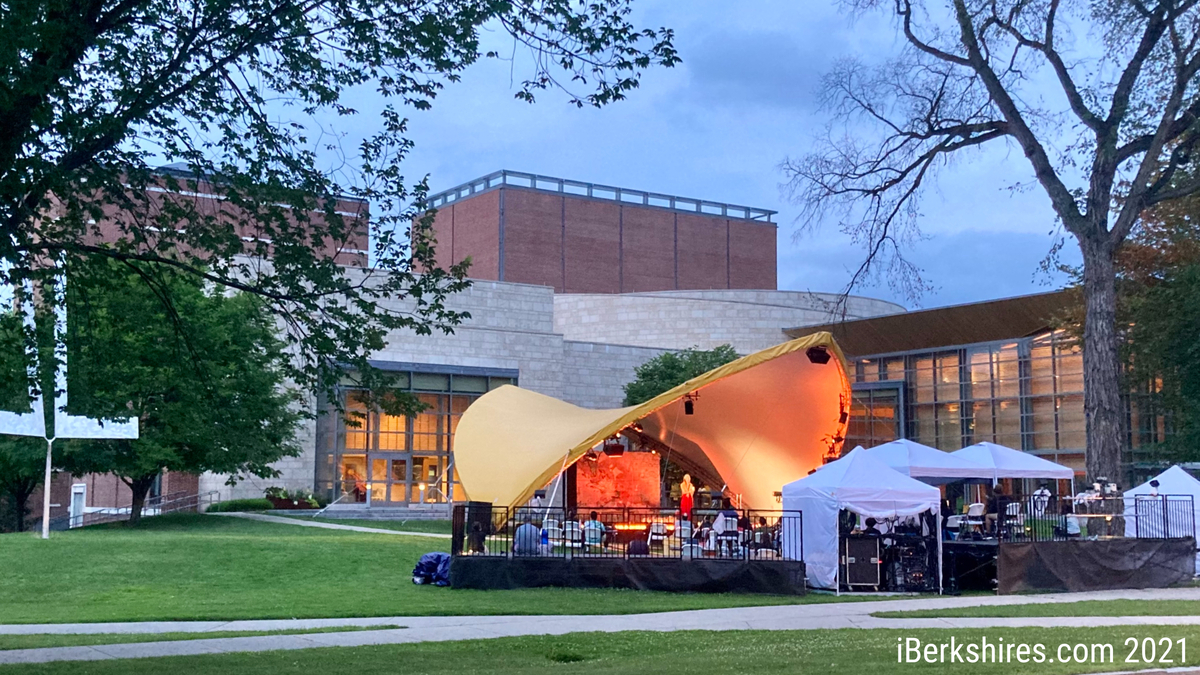
The first time was the summer of 2020, at the start of the COVID-19 pandemic. The festival returned for a scaled down 2021 season and staged four straight seasons that de-emphasized the kind of fully-staged productions of standards and new works that characterized the festival's first 65 years.
In 2021, the WTF's return from the COVID shutdown was marred by allegations of "dangerous working conditions."
Last summer, the festival hosted its most ambitious program since before the pandemic, including a Tennessee Williams play featuring Hollywood star Pamela Anderson, the world premiere of a drama written by a Tony-nominated playwright, and two events in North Adams, one of which was performed on the ice sheet at the Peter W. Foote Vietnam Veterans Memorial Rink.
Last week, the festival's managing director told The Eagle that the institution was taking a break from staging events in Williamstown in order to, "[build] structures that enable work to grow, travel and resonate beyond the Berkshires while starting in the Berkshires, which is true to its legacy."
"We're reckoning with the fact that the world as we knew it, in terms of how we saw revenue as arts institutions as a whole, is over," Raphael Picciarelli told The Eagle.
Meanwhile, other regional theater companies — Barrington Stage Company, Berkshire Theatre Group and Shakespeare and Company — have returned to producing full summer seasons in line with the offerings they staged prior to the pandemic.
In North County, the former summer staple on the Williams College campus has been relied upon to bring a steady stream of tourists who booked rooms in hotels and motels and ate at local restaurants.
The Chamber's Briggs said the 2025 WTF season, which focused on a handful of weekends instead of the weeklong productions characteristic of seasons before 2020, did help the local economy.
"With the reduced season last year, the motels didn't panic," she said. "I did not hear [complaints from restaurant owners]. We haven't had any major restaurants close up the last couple of years. That speaks to the fact that there is a tourism crowd and a local crowd continuing to make our economy sustainable."
The WTF itself claims on its website that the 2025 season generated, "about $26 million in economic impact in the area, with $2.7 million in visitor spending representing a 56 percent increase over 2024."
The loss of that economic activity likely will be felt. The magnitude of the loss is still unknown.
Town Manager Robert Menicocci has to make his best guess as he builds a Fiscal Year 2027 budget based on estimated rooms and meals tax revenue for the year that begins on July 1.
"We were disappointed to hear the news, and while we don't know the exact impact yet, we will likely have to revise our estimates down to some extent," Menicocci said in an email replying to a request for comment. "It will be challenging since there have been so many factors impacting those revenues relating to the pandemic and subsequent recovery that impacted behavior. It will be hard to quantify, but we are looking at it now."
For her part, Briggs said she is excited about what is next for the Williamstown Theatre Festival, including the possibility of year-round productions that was mentioned in the media by festival officials this week.
And she is confident that the festival will return in the summer of 2027 and for years to come.
"This decision was not gone into lightly," Briggs said. "The majority of their board lives in Williamstown. They have year-round staff here. There are people who are accountable to the town.
"It's their intention to take this summer off so they can go full-steam ahead forever."
Tags: tourism, WTF,