Public Health Advisory for Pontoosuc Lake
PITTSFIELD, Mass. Be advised that recent observations results have confirmed the presence of a blue-green algae bloom at Pontoosuc Lake that may present harmful health effects for users of the lake.
This public health advisory impacts all access points to the lake in Pittsfield and Lanesborough. Accordingly, and as recommended by the Massachusetts Department of Public Health, a public health advisory is being issued. Waterbody poses risk for people and pets.
- Do not swim.
- Do not swallow water.
- Keep animals away.
- Rinse off after contact with water.
Warning signs are being posted around the lake.
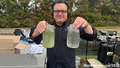
Blue-green algae, also known as Cyanobacteria, occur naturally in lakes and ponds throughout Massachusetts. These microscopic organisms are components of the aquatic food chain. In ordinary circumstances, Cyanobacteria cause no apparent harm. However, warmer water temperatures and high nutrient concentrations may induce a rapid increase in their abundance. This response is commonly called a "bloom" because algal biomass increases to the extent that normally clear water becomes markedly turbid.
Harmful health effects from the bloom can result through skin contact with the algae tainted water, swallowing the water, and when airborne droplets are inhaled. Pets are especially prone to the health effects not only through skin contact, but also by ingesting significant amounts of the toxin by licking their wet fur after leaving the water.
To protect yourself and your family from any harmful effects of this blue-green algae bloom, residents and visitors are advised to avoid contacting water that has a noxious odor, appears green throughout (sometimes referred to as looking like pea soup), or that has mats, films or scums accumulating on the surface.
Until further notice, avoid these high-risk activities:
- Any contact with the water including swimming, diving, playing, or wading
- Drinking, or allowing animals to drink the water
- Water sports, e.g. water skiing, wake boarding, wind surfing, jet skiing, tubing
Other activities that pose a moderate risk to health include:
- Fish consumption
- Canoeing
- Rowing
- Sailing
- Kayaking
- Paddle boarding
- Motor boating
The health outcomes of concern are:
- Irritations of the skin, eyes or ears
- GI problems like vomiting and diarrhea
- Muscle cramps
- In extreme cases nerve or liver problems
If you or your pet accidentally come in contact with algae tainted water, then thoroughly rinse off with clean water.
If you experience any of the symptoms of blue-green algae exposure (listed above) contact your health care provider or call Poison Control at 1-800-222-1222. If your pet experiences symptoms, contact your veterinarian immediately.
Regular monitoring of lake conditions will occur moving forward until bloom dissipates. The community will be notified of the bloom dissipation at that time. The rescinding of the public health advisory will only occur after two successive samples, collected a week apart, demonstrate cell counts or toxin levels below the state guideline values.
For more information or questions, please contact the Pittsfield Health Department at 413-499-9411
Tags: Pontoosuc,