Clark Art Talk Explores Beauty of its Granite Walls
However, according to a retired Williams College professor, at least one glowing review may have understated the beauty of the project.
"You approach the new Clark Center along smooth walls of red granite that can feel a bit daunting. But a reward is imminent," New York Times art critic Roberta Smith wrote in July 2014, going on to discuss everything on the other side of that wall.
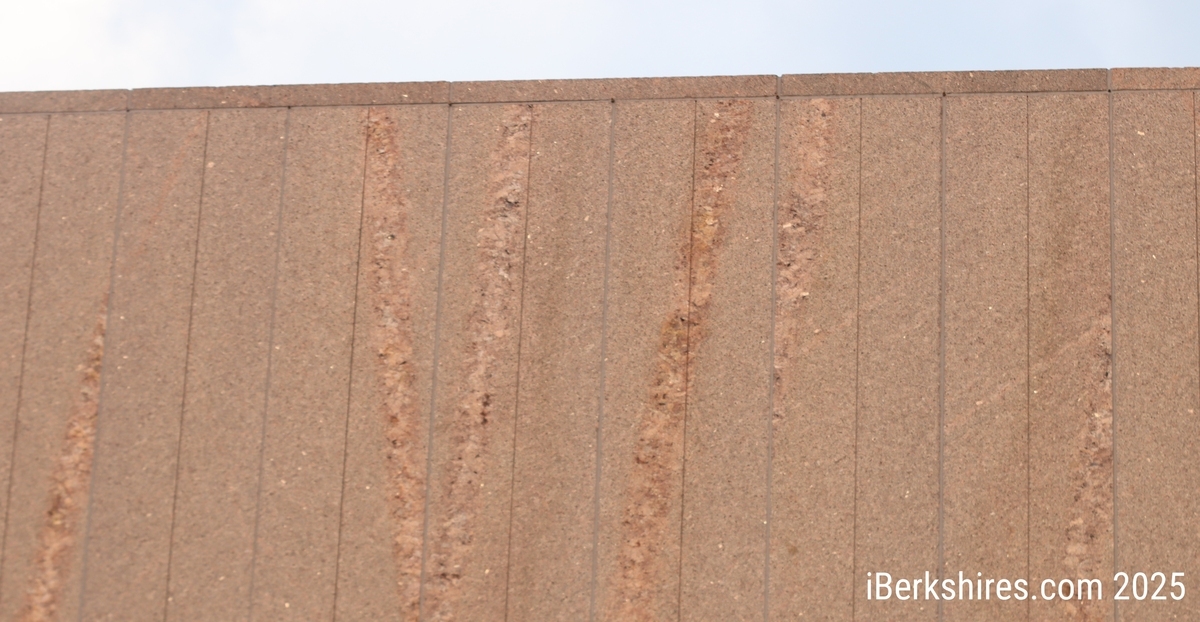
Bud Wobus offers a different perspective: The red granite walls outside are part of the reward.
"I tell people, 'Don't hurry in. Don't hurry out,' " he said during his "Granite of the Grounds" lecture at the South Street museum on Tuesday.
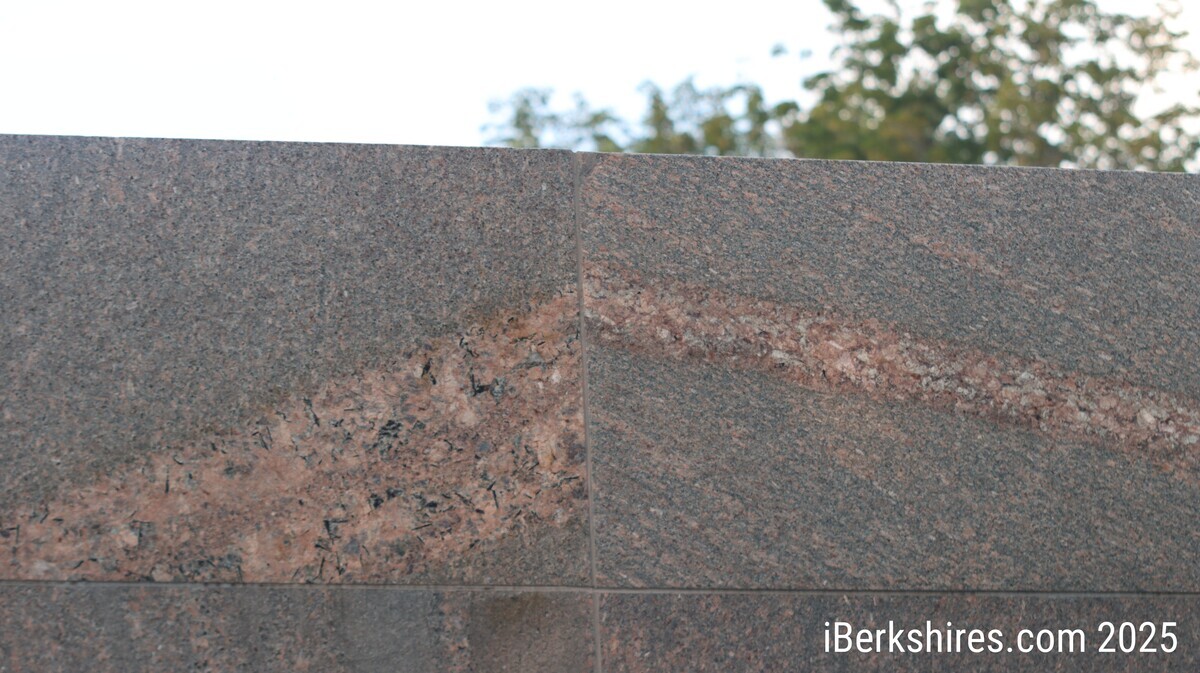
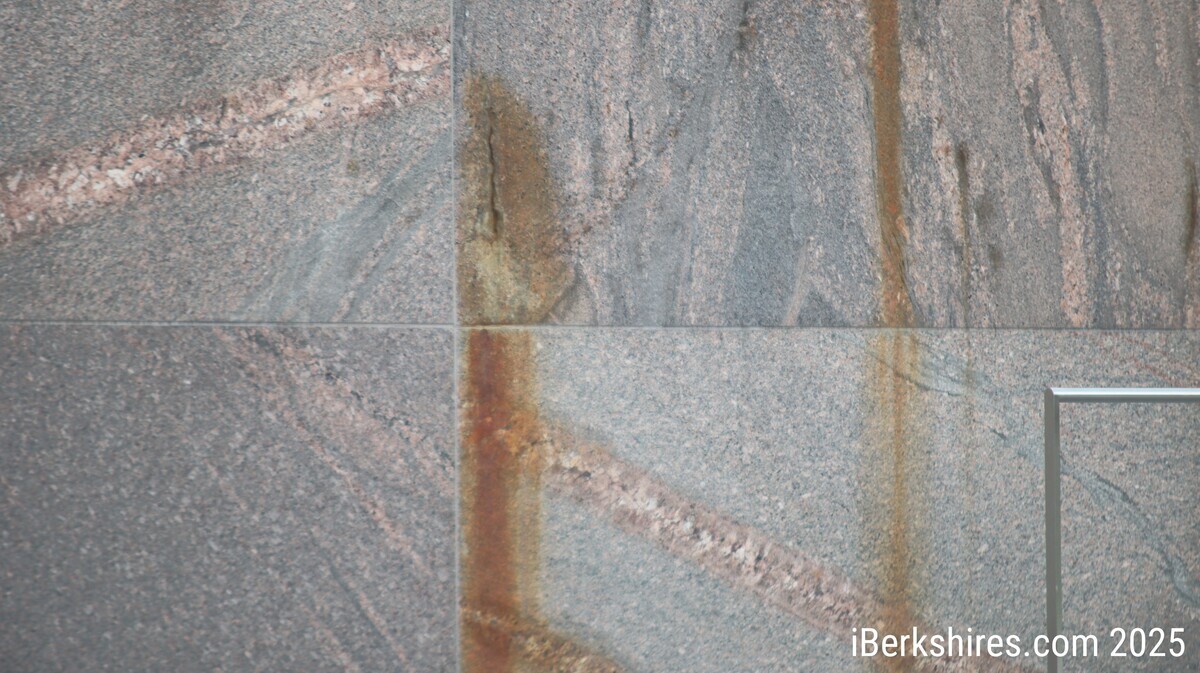
Wobus, an emeritus professor of geology, makes a convincing case that the natural beauty of the red granite in the walls outside the Clark is as much a work of art as anything hanging on the walls inside.
Of course, he is a little biased.
"My middle name should be 'granite,'" Wobus jokes. "Most of my career was spent in the study of granite — in Colorado, on the Maine coast, in New Hampshire, and some spots in Western Massachusetts.
"In 2014, the granite came to me. They built this wonderful addition to the Clark. Not only was it nice granite, it was very well exposed and clean."
And it tells a story, once you learn to listen. For several years, Wobus has been telling people how.
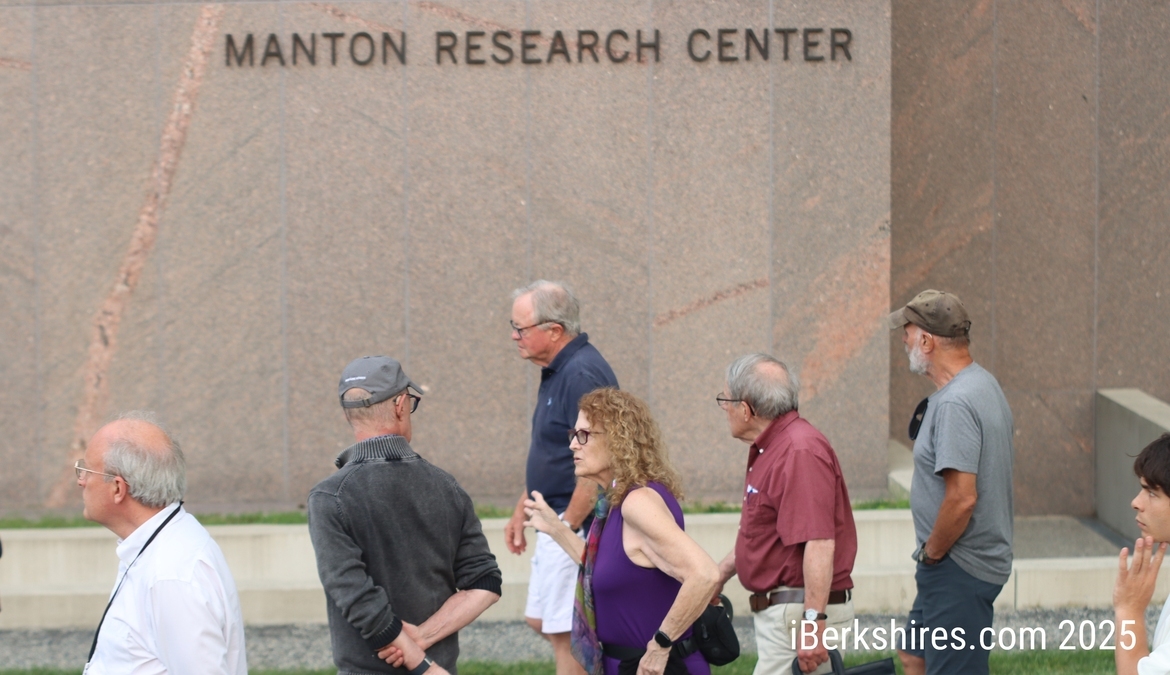
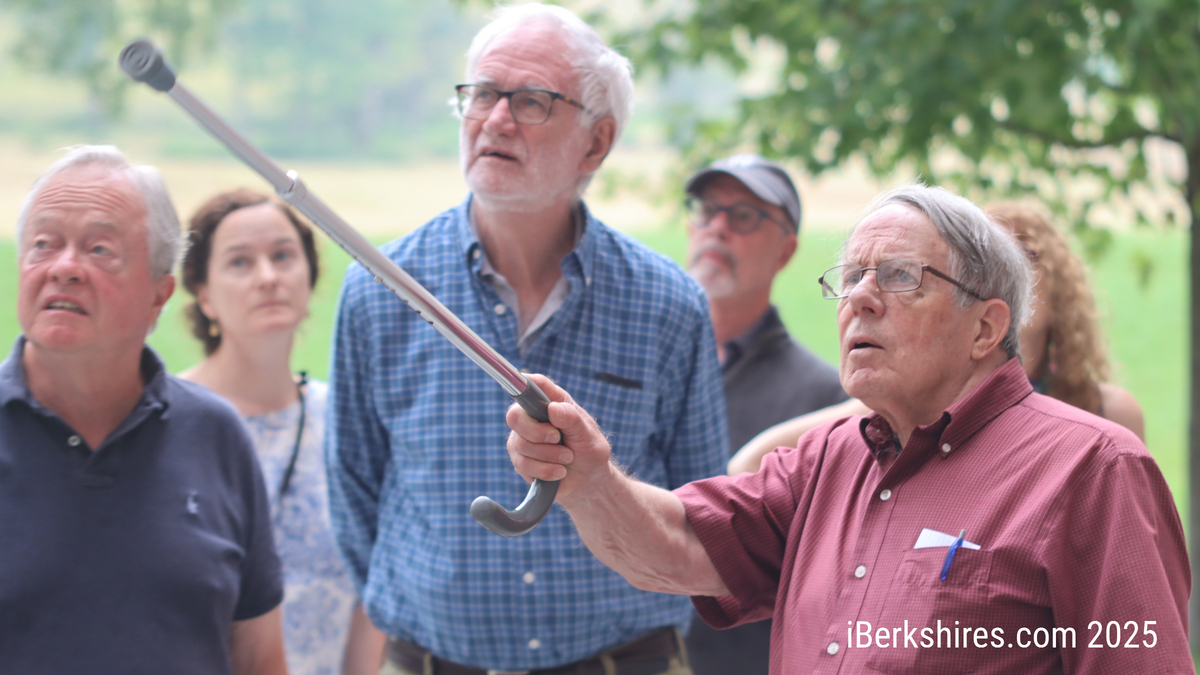
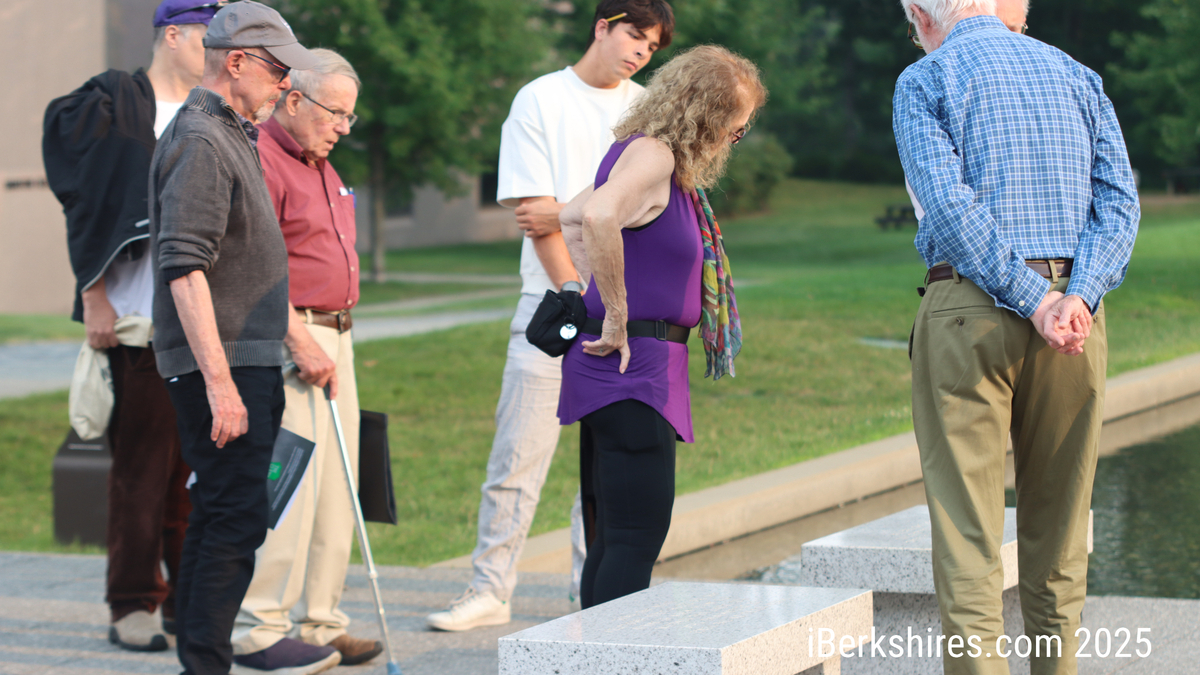
A dozen people gathered in the the Clark's Manton Research Center conference room for Wobus' fifth lecture and walking tour of the museum's exterior. He has plans to do it again in October.
"My goal is to give you enough of a background that you'll look more closely at [the granite] when you come to the Clark," he said.
"It is telling you something about its history."
The rock's history dates back 2.5 billion years when the granite was formed from cooling magma deep beneath what is now South Dakota, Wobus explained. To put that into perspective, the Earth itself is approximately 4.5 billion years old.
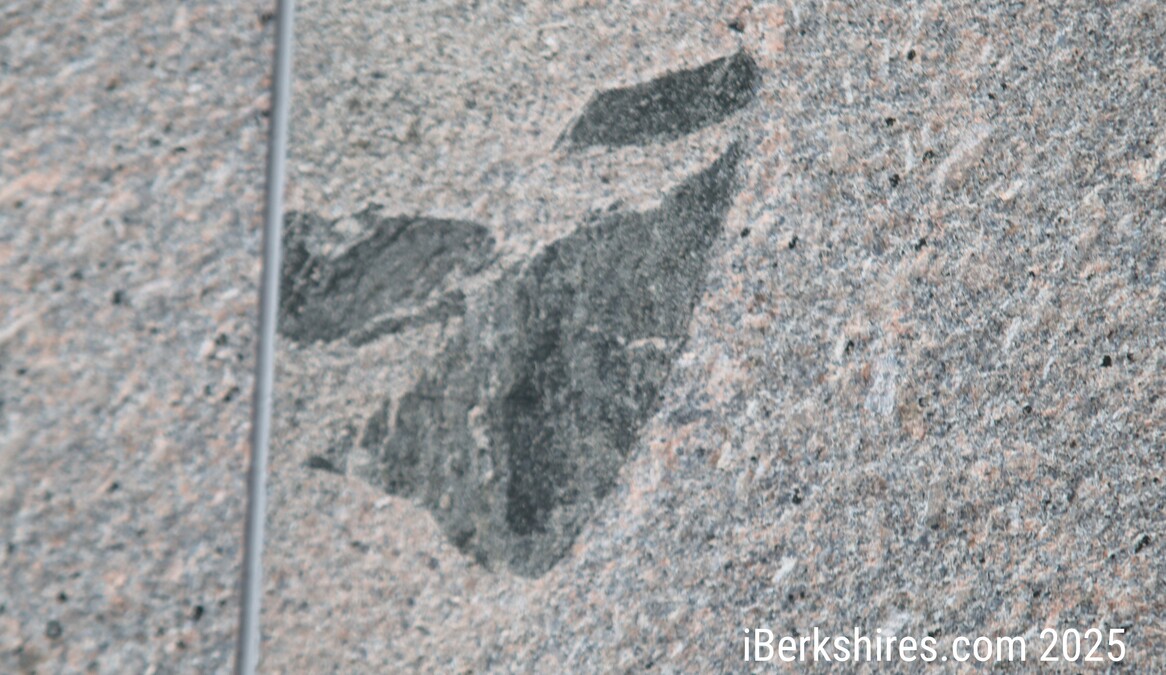
As the igneous rock formed, magma flowed through the developing granite, bringing along pieces of rock that became lodged in the granite and are now known as "inclusions," Wobus explained.
Meanwhile, variations in the rate of crystallization of magma produces pegmatite, a sort of rock within a rock with distinct properties from the rest of the surrounding granite.
"Inclusions could be hundreds of millions of years older than the [surrounding] granite, and often are," Wobus said, explaining how carbon dating can pinpoint the age of rocks.
Wobus' lecture detailed how inclusions and pegmatites are formed, and he then showed attendees examples of both in the marble of the Manton building and the nearby Clark Center.
It was, by necessity, a crash course at a venue where Wobus has led much deeper dives into the topic.
"My [Williams] students would spend a month in the spring down here," he said. "They would take pictures of a [granite] panel that appealed to them and take a month to study it."
The visual observations would be supplemented by samples of the granite that could be examined both under a microscope — in 30 micron-thin samples — and through chemical analysis.
"We had big slabs of rock the people from the grounds department gave me during construction," Wobus explained.
But you don't have to put granite under the microscope to see its beauty, Wobus said.
"Almost every granite slab will have inclusions in it," he said. "Those are really works of art in their own right.
"I love the Clark. And I rarely even go inside anymore."
Tags: Clark Art,