Disability Advocates Hope Lawmakers See the 'Light'
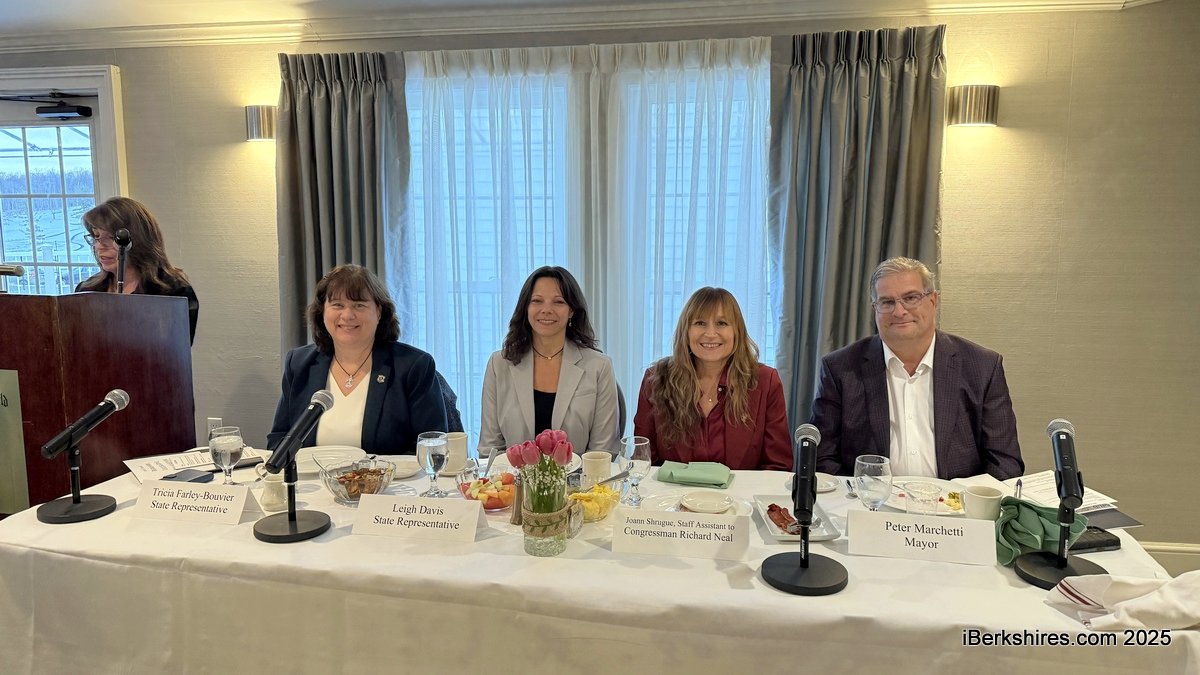
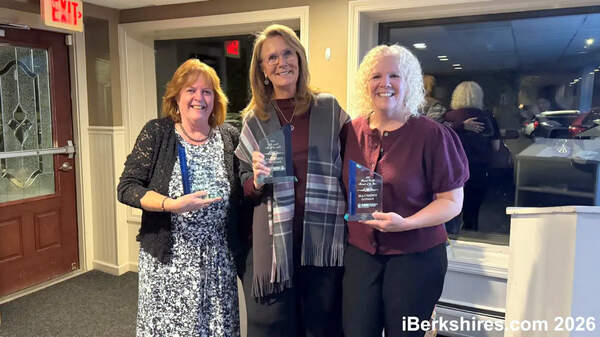
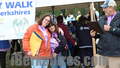
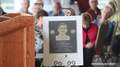
State Reps. Tricia Farley-Bouvier, left, and Leigh Davis, Joann Shugrue from Congressman Neal's office and Pittsfield Mayor Peter Marchetti attend the annual advocacy breakfast at the Country Club of Pittsfield on Friday.
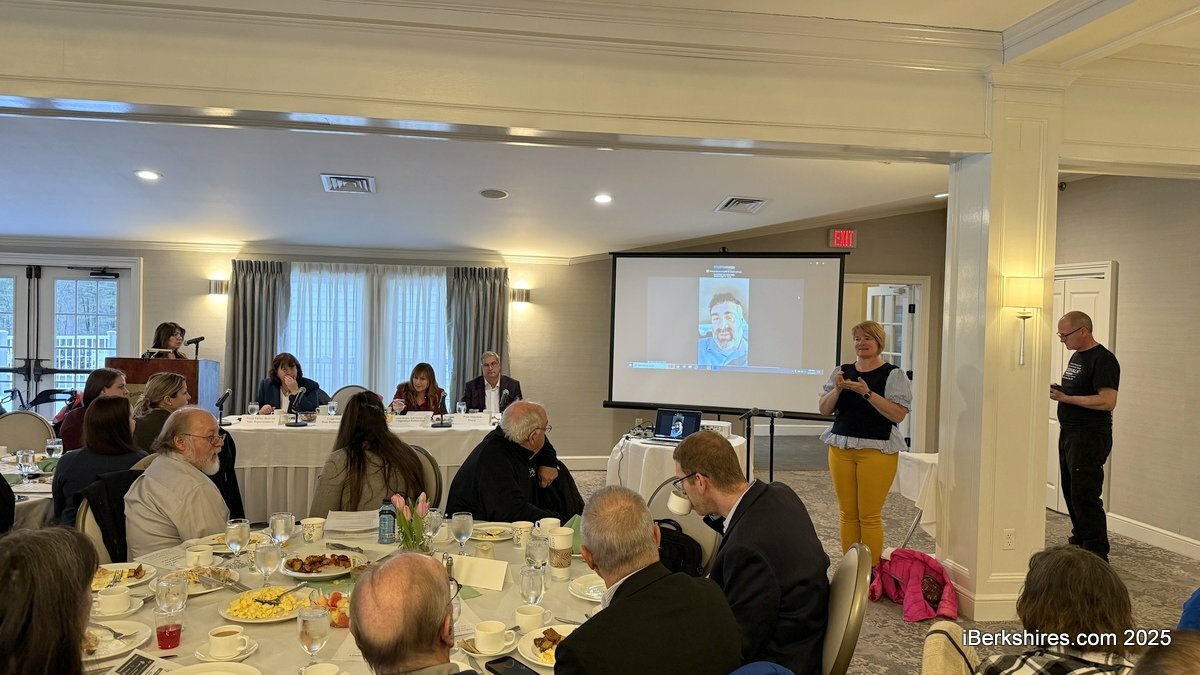
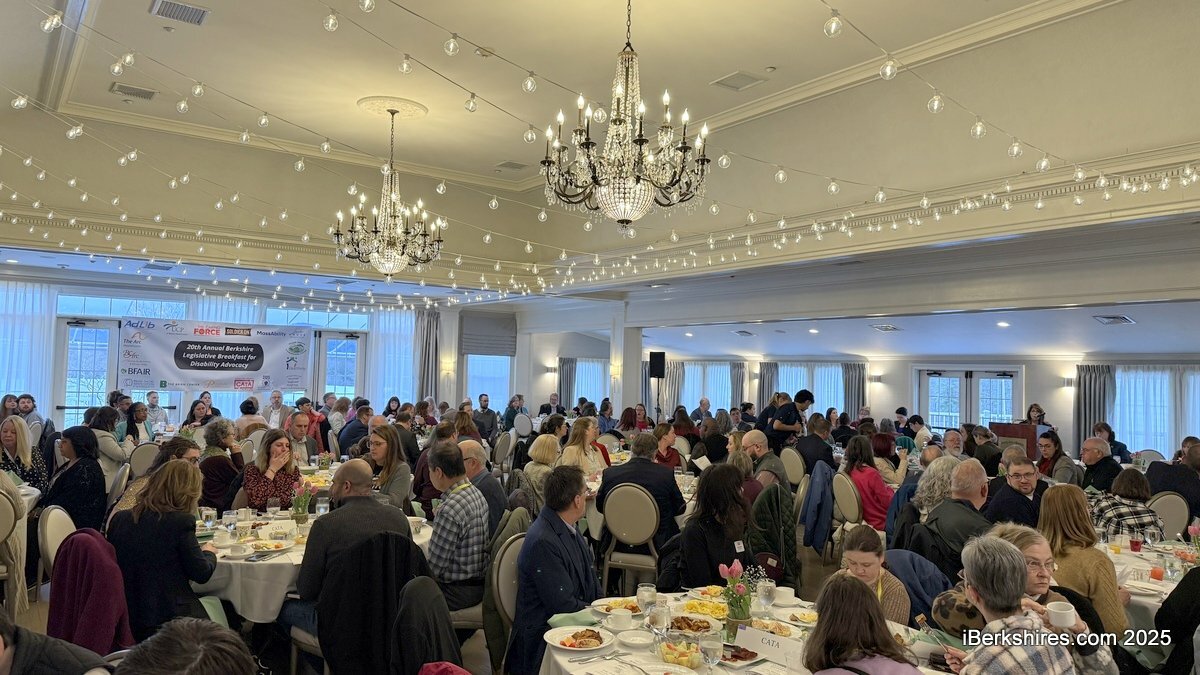
During the 20th annual Berkshire Legislative Breakfast for disability advocacy, Mayor Peter Marchetti, state Reps. Tricia Farley-Bouvier and Leigh Davis, and state Sen. Paul Mark, attending remotely, listened to speakers who shared their stories and expertise on the needs of the community. A representative from U.S. Rep. Richard Neal's office also read a statement.
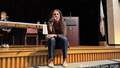
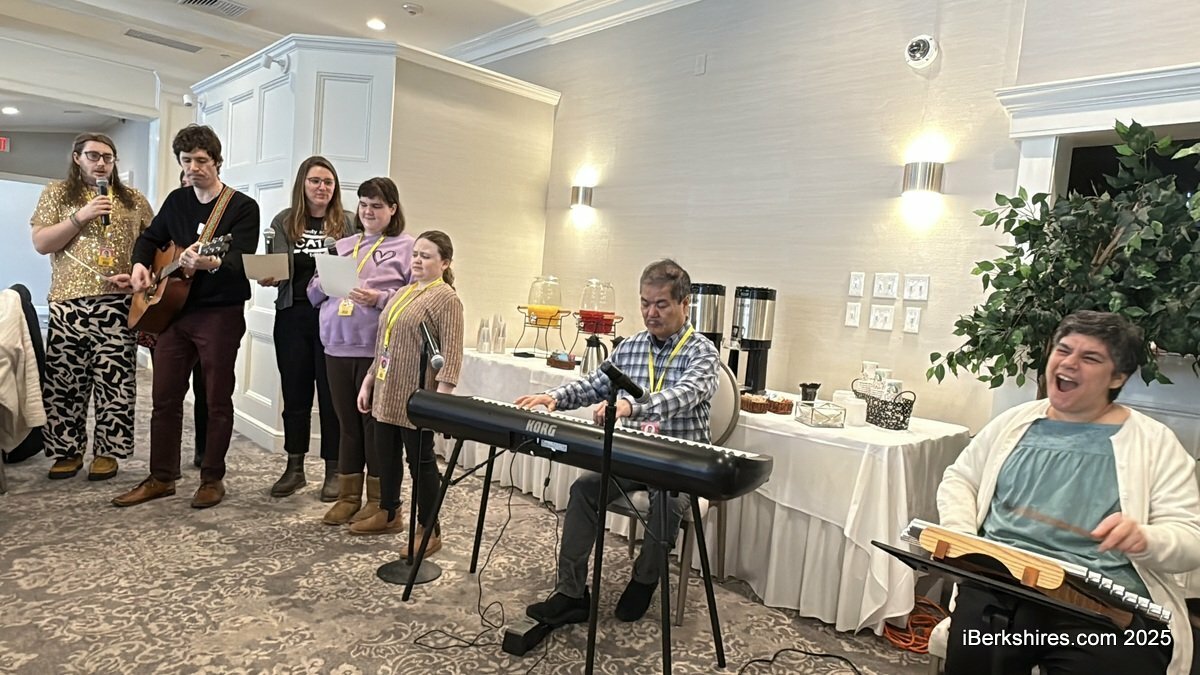
The event culminated in a performance of an original song, "Where is the Light," by Community Access to the Arts musicians.
"We build community side by side/ Where is the light?/I think we know/Shining bright in the seeds we sow/ I see the light wherever we go/ Let's care for each other side by side," they sang.
This melody was demonstrated during the event by many of the speakers.
"The support and collaboration among the agencies in this room today and their staff is just incredible. I always tell my colleagues across the state that the Berkshire community comes together like no other community. More than 30 different organizations are here," said Maryann Hyatt, Berkshire County Arc president and CEO.
Things are grim, said the legislators; a level-funded budget would be a win.
"As we do this budget this year, we're doing it kind of blind," Farley-Bouvier said, highlighting the unpredictability of the budget landscape climate and needing to make budget adjustments from April and potentially into September or October.
There is uncertainty surrounding which federal funds will be cut, interrupted, and funded partially, she said.
"I look at all you that are in the trenches, that are doing the actual, real work that we try to fund, and I just ask you, as best you can, to stick with us," Farley-Bouvier said.
"We're doing our very best in prioritizing where we think the investments need to be made, and those who are on the front line doing the real work with real people is exactly where we need to put those dollars."
Mark also emphasized the ever-changing political and economic landscape that is impacting budgeting and federal funding. He highlighted how the state Ways and Means Committee hopes for a 2 percent growth.
However, that is slow and small, which means a level-funded budget or a slight increase is going to be a win.
Of the state's $58 billion budget, $15 billion comes from the federal government. Because of "really good fiscal management" from Gov. Maura Healey and Charlie Baker before her, the state has $9 billion in rainy day funds, so can weather what might happen a little better than other states, Mark said.
That said, consistent losses of $3-$4 billion annually from the federal government could lead to challenges.
"The good news is, the services that all of you provide are investments, and so when people are looking at what are the limited investments we can make, the more that we are able to point to programs that each dollar that comes in saves the Commonwealth money, or even helps support other services in the Commonwealth, the better off you're going to be in what is looking like a challenging club budget cycle," he said.
Speakers identified challenges that residents, nonprofits, and public service organizations face in housing, transportation, wages, retention, access to services, student debt, and navigating complex or restrictive policies.
They highlighted the obstacles in finding affordable housing and the lengthy waitlists.
The insufficient housing options in the area make it difficult for low-income individuals and people with disabilities to compete for housing.
"There are five housing projects in the works currently within the city of Pittsfield. There is the formerly White Terrace, which is now going to be Terrace 592, nine units of supporting housing at Zion Lutheran Church, 28 more units at permanent supportive housing at West Housatonic Street, [and] 34 market-rate apartments on North Street, 20 percent of those will be affordable housing," Marchetti said.
"And then, for me, the most important piece is the housing resource center that will be included inside the Zion Lutheran Church. All these projects will not solve our housing crisis, but we know that we're on our way, and it's some positive steps in the right direction."
Bruce Buckley, CEO of Soldier On, advocated for a program similar to the Empire State Supportive Housing Initiative, which provides supportive housing funding up to $25,000 per unit annually to New York agencies to cover rental subsidies and operational costs such as staff, transportation, and meals.
Although the program's language was included in a recent bill passed with the governor's Affordable Homes Act, the funding is still pending, Buckley said.
Blake-Davis emphasized the importance of supportive housing, repurposing housing, and intergenerational living.
"I'm looking at in Vermont, their very, very successful Home Share Vermont program, which allows seniors that might be living in homes with extra rooms to be matched with workers looking for housing. And it's a very successful program that there's a kind of a middleman that matches," she said.
Transportation in the area is unreliable and not easily accessible, especially for people with disabilities, speakers said.
Booking transportation requires a three-day notice; otherwise, a fee applies, which does not take into consideration sickness or emergencies. Additionally, staffing issues are causing some transportation appointments to be canceled at the last minute, Adlib advocate Valerie Pease said.
"There are some good things that have been happening with grants in terms of free fixed route prices and free [Americans with Disabilities Act] paratransit service that we know is only valid now through September. So we have some work to do to make sure that we can continue that into the future,"
Marchetti also said he has had meetings to determine how the city can help with transportation.
"We have a taxi cab commission, and we have some other entities that don't really meet, so how can we reconvene them and start putting pressure on the transportation companies that we have in the city to step up to the plate and do more," he said.
Mateo Martello-Judge, a Brien Center human resources specialist, said he has witnessed the "significant impact that wages have on recruitment and retention, which is the keystone in the operation, service, sustainability, and success of a nonprofit organization, specifically human services."
He emphasized the importance of offering competitive, livable wages to attract and retain top talent and minimize burnout.
Martello-Judge demonstrated that being in compliance with regulatory requirements is challenged by high turnover, which impacts the quality of care provided.
Many qualified applicants are deterred from moving to the Berkshires because of wage comparisons with other regions, he said.
Attendees also highlighted the restrictive and complex guardianship process and medical care systems.
"I quickly realized that it can be a challenge to find a reliable caregiver, and the process of guardianship is extremely lengthy and difficult," Stephanie Kulzer, BCArc brain injury supervisor, said when recounting her personal experience with her nonverbal son.
During the process of becoming a guardian for her son, Kulzer was surprised to learn that the programs funded by Mass Health do not allow guardians to be caregivers.
"The choice has been incredibly difficult. So, I have chosen to be his caregiver because I have filled that role since he was born. I know him inside and out, and I can also understand what he means just by his sign language," she said.
"Allowing me to be both Aiden's guardian and caregiver would be in his best interest and put me at ease. However, if Aidan was able to make his own decisions. He would be able to appoint me as his healthcare proxy, power of attorney, and caregiver. Updating the legislation to allow guardians and spouses to also be paid caregivers will be beneficial to our family and several families."
Tags: disabilities, legislative breakfast,