Clark Art Lecture On Museum Education and Ukrainian National Identity
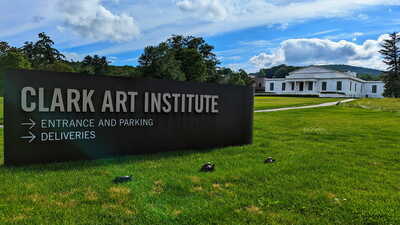 |
WILLIAMSTOWN, Mass. — On Tuesday, April 8, the Clark Art Institute's Research and Academic Program presents a talk by Svitlana Tymkiv (City Museum of Lviv, Ukraine / Futures Fellow) titled "Museum Education as a Factor in the Formation of National Identity."
This free event takes place at 5:30 pm in the Manton Research Center auditorium.
According to a press release:
Tymkiv examines how issues of national identity in Ukraine have become particularly relevant in the country since the outbreak of the full-scale war. In 2010, studies showed that in eastern Ukraine, the vast majority of the population self-identified as carriers of combined identities—identities influenced by past state formations, and associated with local history, gender, and occupation. By February 2022, the threat of the destruction of Ukrainian culture prompted an almost immediate switch, resulting in the population's self-identification as first and foremost one of Ukrainian nationality. If before the war someone defined themselves by their place of residence (eg., a Kyivan or a Lvivian), now everyone primarily calls themselves a Ukrainian. Museum programs play an important role in this process: they provide both an opportunity to study and learn about culture and art from real artifacts and sources, as well as a forum in which these objects are accessible to various ages and social groups. This lecture analyzes examples of educational programs in museums over the past three years that contributed most meaningfully to the formation of a Ukrainian national identity.
Tymkiv is a museologist, cultural manager, and researcher of museum education. She works at the City Museum in Lviv, Ukraine. Her professional experience combines theoretical studies of museum educational activities and practical participation or organization of such events. An important aspect of her work is the introduction of participatory practices, shifting the focus from the museum object to the visitor, the development of such topics as urbanism, urban mobility, and histories of everyday life. Her project at the Clark involves researching museum education pedagogy and methods in the United States and analyzing best practices for implementing similar approaches or programs in Ukraine.
Free. Accessible seats available; for information, call 413 458 0524. A 5 pm reception in the Manton Research Center reading room precedes the event.
Tags: Clark Art,