Williams College Plans Temporary Parking Lot at Former Field House Site
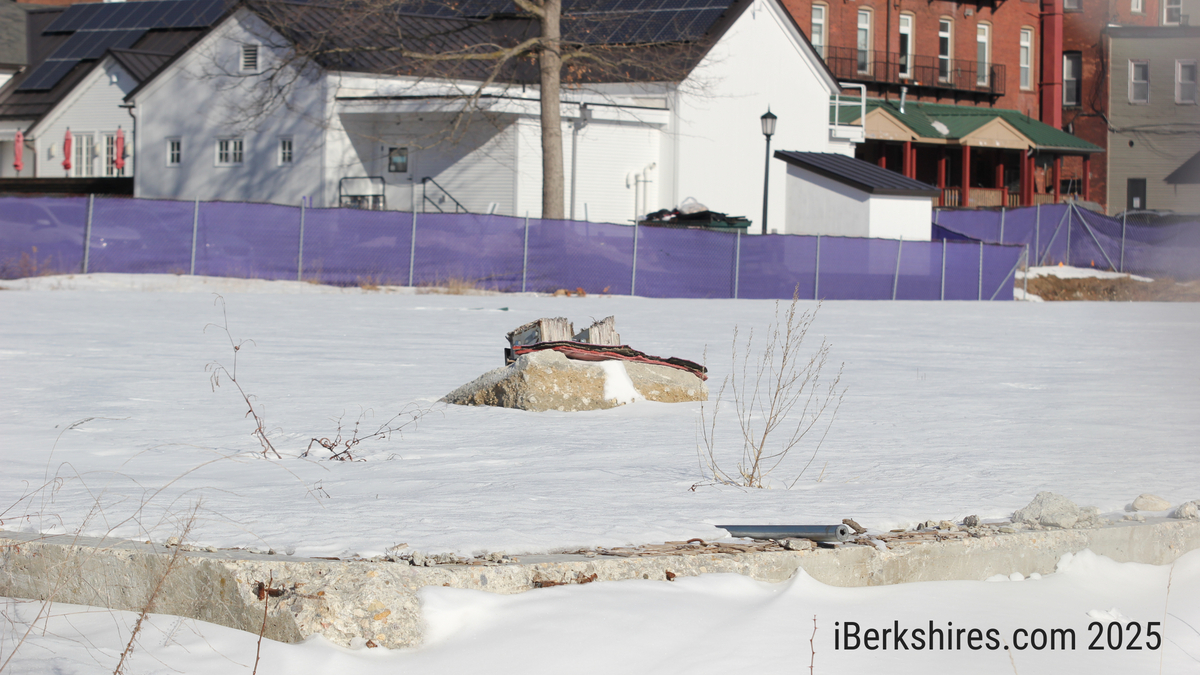
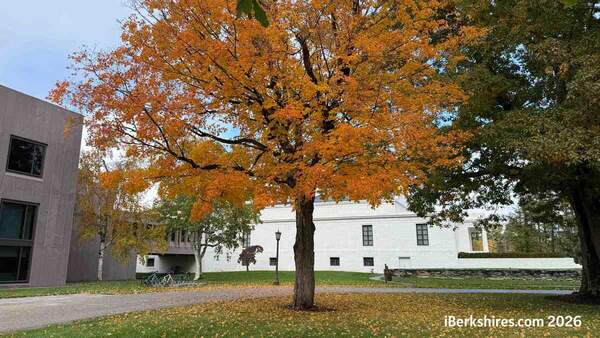
The foundation of the demolished Towne Field House is still visible on the Williams campus.
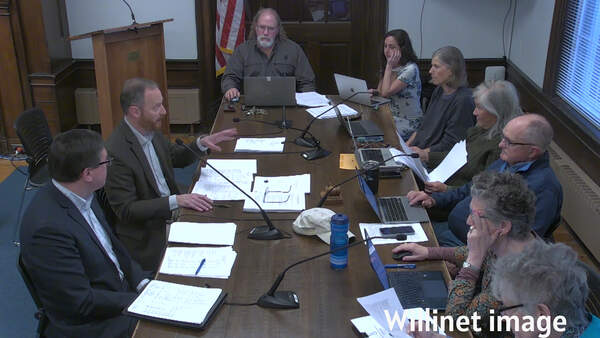
In a series of meetings hearings before the Zoning Board of Appeals and the Conservation Commission, the college received a special permit and a negative determination of applicability of the Rivers Protection Act to enable to new use for the lot on Latham Street.
Engineer Charlie LaBatt of Guntlow and Associates represented the college before both town panels, stressing each time the temporary nature of the plan.
"Five to eight years is what's anticipated, as the college works to solve what's next for that area of campus." Guntlow told the ZBA. "It will help alleviate parking concerns they have while other projects go on around campus that may displace workers and tenants.
"This use of this area, which has been dormant for about two years, it was felt was a fairly easy, low-impact and yet beneficial use for the community — five to eight years in the while everyone could benefit from it."
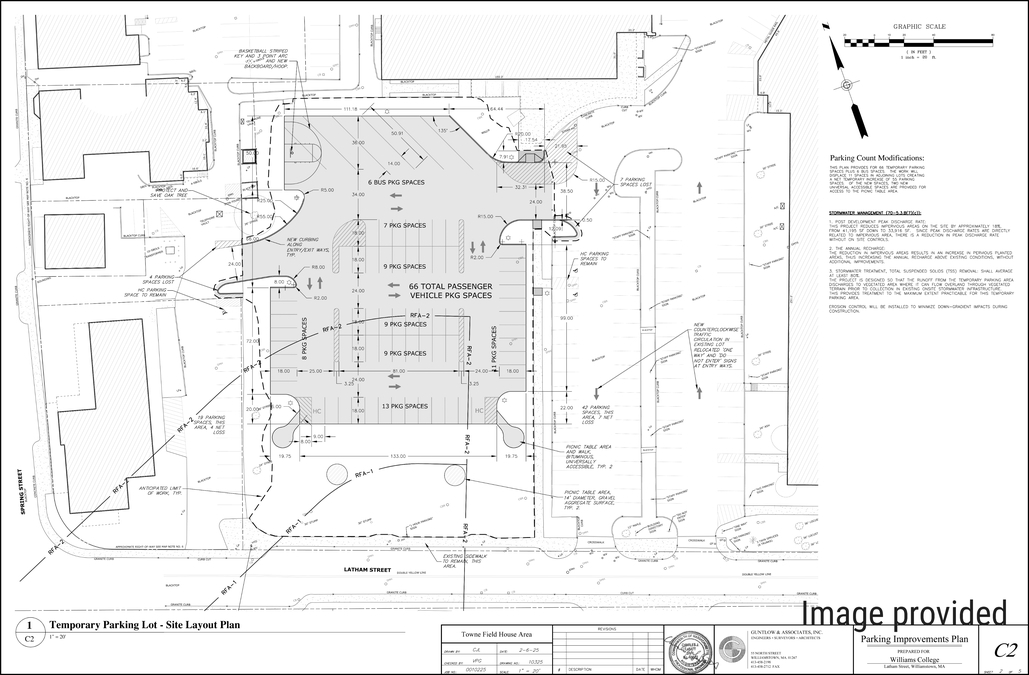
LaBatt and college officials who attended the ZBA meeting said that while the planned 66-space lot is intended for college use, it could be available to the public in the evening, on weekend or during college breaks, just like the adjacent existing lot associated with the college's facilities building.
The school needed a special permit from the ZBA, in part, because of the temporary lot is an expansion of and will be connected to the existing parking lot, which itself does conform to the bylaw. The lot across from the Weston Field athletic complex extends beyond the front edifice of the facilities building it serves; the bylaw requires parking areas in that district to be set back from the road at least to the profile of the building.
The new lot will use the same curb cuts as the existing lot, and it will be set back about 60 feet from Latham Street, LaBatt said.
That 60-foot strip will be converted to lawn, and the college plans to add four picnic tables to the new "park-like" area that will both beautify the area and add some functionality for nearby businesses.
Another aspect of the special permit the college sought was relief from the town bylaw that requires vegetative screening and trees in the interior of a parking lot, LaBatt explained.
"One of our concerns, obviously, is we could plant a lot of stuff and have to dig it up in five to eight years," he said. "Even trees, it would be a complete waste. In that period of time, they wouldn't even get to be shade trees. We were trying to be a little practical."
Members of the ZBA tried to nail down the college on the specifics of who would use the lot and how it will be signed. LaBatt explained that the expectation is the lot will be used for a variety of purposes depending on what other construction is going on around campus over the next five to eight years.
"The utility upgrades are essentially a new electrical system," he said. "Obviously, there are other projects throughout campus that ultimately will displace those activities. This is thought of as swing space for all of that. It will help the college to manage their own parking.
"For two days, if you're trenching a pipe through a parking lot, guess what? For those couple of days, you can't park there. That's the kind of flexibility we're talking about."
ZBA member Andrew Hoar asked about the expense of building a temporary solution to those parking problems.
"For five to eight years, [the college is] putting an awful lot of money into this parking lot with lights and drainage and all the other things," Hoar said. "What happens at eight years? Blow it up and move on to something else?"
LaBatt said that is possible, but it also is possible that the college's planning process for the Towne Field House replacement will determine that parking on the former field house site is part of the long-term solution. Whatever that long-term plan is, it would require more town approvals at a later date.
"Parking lots are generally expensive when you're starting from scratch, but we have a fairly level site with no trees on it," LaBatt added. "It actually has existing drainage, all of which we're reusing without adding anything new. We have to move the [field house] foundation eventually anyway.
"And, as far as parking lots go, it's probably one of the more cost-effective temporary lights. The lighting is expensive, but it's the standard campus lights, so to speak, so we could remove them, put them on a shelf and reuse them elsewhere."
The ZBA voted 5-0 to approve the special permit with a condition that it be reviewed in five years by the body.
The next week, LaBatt and college officials were back at town hall for a hearing in front of the Conservation Commission, which needed to OK the project because it occurs in the area of Christmas Brook.
Because it is a "degraded" or previously developed riverfront area, the approval was fairly standard. Most of the conversation before the Con Comm concerned what happens when the temporary parking lot outlives its purpose and the college moves on to developing the area permanently.
"One of the main things I'd hope the Commission could recognize is the temporary nature of this and say, in the future, when there is a project in front of them that it's like [the temporary parking lot] never happened, and they could recognize that area as the degraded riverfront portion of this," LaBatt said.
In other words, the college does not want to shoot itself in the foot by converting part of the former field house footprint to lawn while the rest is used for temporary parking. Strict interpretation of the Rivers Protection Act at a future date could treat the lawn as non-degraded riverfront and complicate future development.
LaBatt stressed, for the record, that lawn and parking lot are both temporary and said he hoped a future Con Comm would recognize the state of the land in February 2025.
"Maybe in five to eight years, I'm looking at the same commissioners, which may or may not be the case," LaBatt said, drawing laughter from the body. "You don't want to temporarily improve an area at the risk of cutting off your nose to spite your face when you propose something in the future."
LaBatt said the college understands there is nothing formal that the current commission can do that would bind a future iteration of the body but made sure the record emphasized the school's hope the land's current state is the basis for how it will be treated later by the regulatory body.
The town's conservation agent told the commission that there are precedents for the body to consider previously degraded riverfront as LaBatt suggested.
"The most recent large-scale example would be Cable Mills and how that was developed," Andrew Groff said. "You had one developer who comes in, gets [a notice of intent] to do all the remediation work, tears down a lot of buildings that were newer than the original mill, so you've got a degraded area.
"Then he, unexpectedly, passes, and the whole area sort of grew back up. It wasn't remediated, but it came back to a more natural state. This commission always found that the original footprint is what was on site."
The Con Comm voted 7-0 in favor of a negative determination of applicability of the Rivers Protection Act.
Tags: conservation commission, parking, Williams College,