Higher Taxes, Loss of Latin Seen in Mount Greylock's Tentative Spending Plan
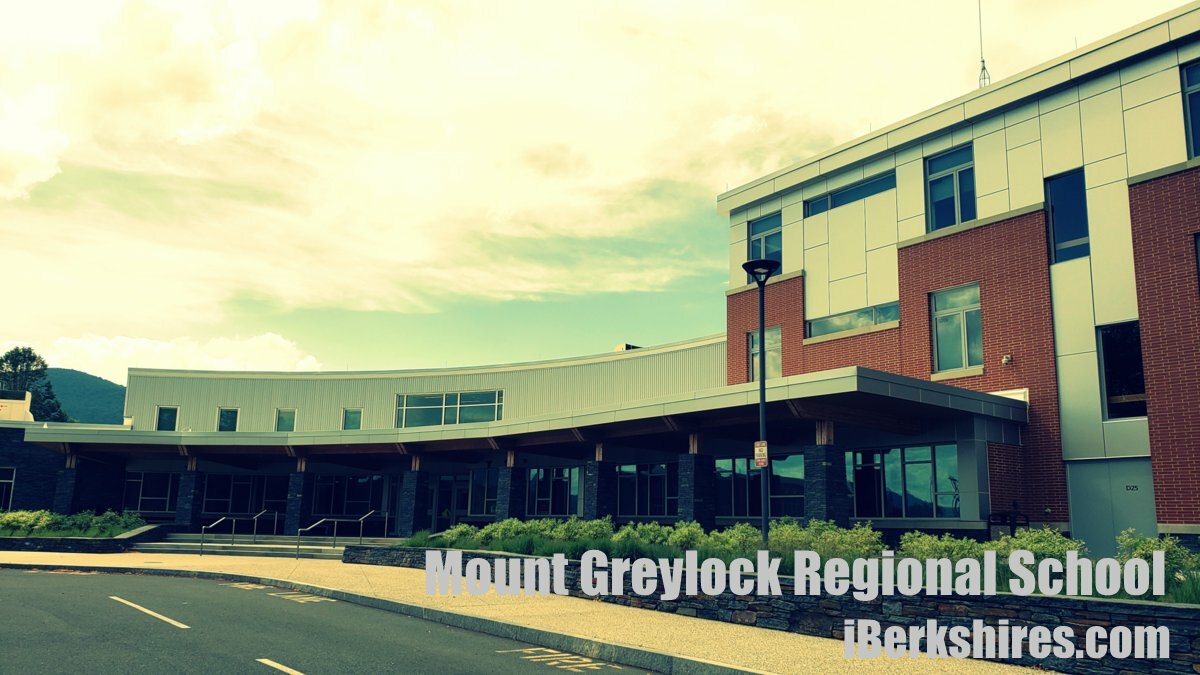
WILLIAMSTOWN, Mass. — The Mount Greylock Regional School Committee on Thursday began honing in on a budget that will require much larger assessment increases than the district's two member towns typically see.
While repeatedly stressing that the fiscal year 2026 budget on the table was a draft, interim Superintendent explained that the spending plan he has crafted reflects the reality of non-discretionary cost increases, state aid that is not rising anywhere near the rate of those increases and some of the investments in personnel and course material that came from the district's three school councils.
As it stands now, the district would see an increase in its gross operating and capital budgets of a combined $1,446,733 from the current fiscal year that ends on June 30.
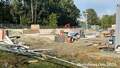
Of that $1.4 million, about 62 percent, or $890,000 comes from increases that are outside the control of the School Committee: contractual obligations for step and column increases of unionized staff, borrowing for a field and track project that was approved by town meetings in Lanesborough and Williamstown in 2023, higher transportation costs and, most significantly, health insurance.
A 16 percent health insurance increase from the Berkshire Health Group alone accounts for $550,000 in increased cost for the preK-12 district in FY26 — about 38 percent of the $1.4 million total.
Bergeron stressed that district staff continues to refine the numbers on the expenditure side of the ledger. He will bring a revised budget to the School Committee for a planned Feb. 27 budget workshop and, likely, have even more revisions by the time the committee gets to its March 13 public hearing on the budget, where it will vote the final assessments the district sends to both member towns to approve at their town meetings.
But he pledged that those refinements will not include reduction from the district's current staffing.
"This is a draft," Bergeron said. "We're continuing to identify areas where we can reduce supplies and [contracted] services. … I want to say this clearly: We do not have any areas where we'll be proposing reducing people."
As of Thursday, the draft budget would lead to a 6.82 percent increase in the assessment to the town of Lanesborough and a 7.96 percent increase in the assessment to the town of Williamstown.
By comparison, the budget approved last year saw a 3.38 increase for Lanesborough and a 3.90 percent increase for Williamstown.
There is another factor pushing the potential assessments higher.
The potential 7 and 8 percent increases for FY26 are actually higher than the 5 percent increase in the gross operating and capital budget over FY25. One big difference between this FY25 and FY26 is the availability of reserves to help mitigate the cost increases.
Last winter, the School Committee decided to apply a combined $2.1 million from the district's school choice, tuition and excess and deficiency "revolver" accounts to lower the assessments to the member towns. In the draft budget presented on Thursday night, the use of those reserves totaled $1.8 million, a drop of 14 percent.
"We have [in recent years] intentionally spent the funds we have on hand in our revolving accounts so we could keep property tax increases to a minimum," Bergeron said. "That's a good thing. You should spend the money in the bank before you increase the levy. … But we signaled to the towns that we'll be coming back with larger increases.
"We have been preparing them and ourselves for larger increases for numerous years, but it doesn't make it easy. It's important we bring this budget forward with a high level of justification."
To that end, Bergeron walked the School Committee back through the rationales for the spending increases that came from the School Councils — panels of teachers, staff and parents and caregivers in each school building that are charged with advocating for those building's needs.
The biggest increase in "discretionary" spending is to add three new staff members at Mount Greylock Regional School: teachers in the world languages and wellness departments and a reading interventionist position that was not filled in past years after a retirement. That's $200,000 of the increase in the draft budget. Another $100,000 is for increased paraprofessionals — two full-time equivalents at each of the two elementary schools.
A $90,000 increase will support a conversion to a new elementary school math curriculum that has been piloted at Williamstown Elementary and Lanesborough Elementary, the first overhaul of the school's math curriculum since 1997. Expanded professional development opportunities to help teachers increase skill in math and literacy have a $56,700 price tag. And, if the budget moves forward as drafted, four Lanesborough classrooms would acquire new overhead projectors, at a cost of $30,000.
Still, the budget falls short of the recommendations from the School Councils. They had requested additional math and visual arts teachers at the middle-high school and the restoration of a math interventionist at each elementary school.
And the budget reflects a curricular change that is sure to anger some parents and students.
"We are proposing, within this budget, to gradually phase out Latin instruction," Bergeron said. "We will maintain our commitment to current Latin students. But there will be no new Latin 7 [seventh-grade] or Latin 1 [for high school students] this coming year. We will focus resources where student demand has shifted."
Not for the first time, Bergeron explained that the current demand for Spanish — which would be the only world language offered under the plan — has far outstripped demand for Latin, to the point where class sizes in Spanish are not optimal.
School Committee members, who last year backtracked on the same plan after receiving a torrent of comments from constituents, asked Bergeron to talk about how to justify making the move now.
"Student interest in Latin has declined from 20 years ago," he said. "Part of that is functional. There are many students within our schools who recognize on their own or with their families that the importance of learning Spanish goes well beyond having a world language on their transcript for graduation or to get into college. It is valuable to anyone entering a work environment.
"In an ideal world, we'd offer many languages. But then the question becomes do you offer more languages and potentially have situations where we are right now where Spanish has such large class sizes that we are not providing a quality experience."
Bergeron said Mount Greylock Spanish classes can be as large as 27 students — well above the targeted number. And Spanish teachers currently have an average of 120 students — 20 percent higher than the 100 students that are average for faculty at Mount Greylock.
Bergeron had indicated that Latin again could be on the chopping block at the School Committee's January meeting.
Tags: fiscal 2026, languages, MGRSD_budget,