70 Pittsfield Students Have Been Homeless This School Year
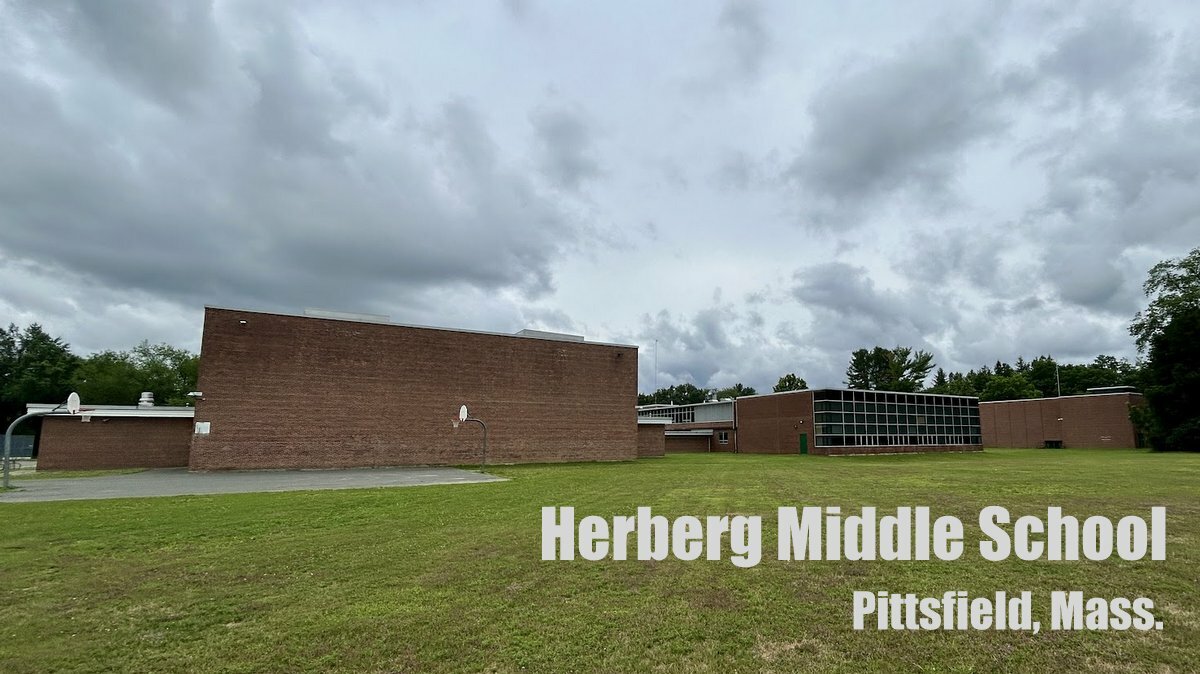
PITTSFIELD, Mass. — Seventy Pittsfield Public School students have been unhoused this school year, 20 more than the previous year.
"The numbers, in my opinion, are quite high," said Jennifer Stokes, assistant superintendent for school transformation and accountability.
On Wednesday, Stokes spoke with the Homelessness Advisory Committee about the district's McKinney-Vento population. The McKinney-Vento Homeless Education Assistance Act is a federal program that helps homeless children and youth enroll in and attend school.
Since September, there have been 70 unhoused students in the district. Twelve have obtained housing, leaving 58 still without a stable roof over their heads.
Twenty-two of those students are in a shelter, six are in a motel or hotel, 30 are doubled up with friends and family, and 16 of those students were also homeless last year. Seven of the unhoused students are immigrants from the state emergency shelter housed at the Hilton Garden Inn and 24 are new to the district and have moved to Pittsfield in shelters or as part of an unhoused family.
"Once a student is identified as McKinney-Vento, we immediately enroll them in school, and we immediately provide transportation," Stokes explained.
"So if, let's say, a family does not have all the required documentation such as medical forms, we bypass that. If they're a McKinney-Vento student, they're allowed to start immediately. Sometimes that gets a little tricky when a student is on an IEP because we want to make sure that their special education placement is the correct placement."
Once these students start school, the school adjustment counselor is notified and reaches out to the student and family to see what services they need or provide any needed support through confidential counseling.
The definition of an unhoused student is one who doesn't have a regular place to put their head every evening.
"For example, if a student is doubled up with another family member, that's not their regular house, that they don't have a regular place that they're going home to every night," Stokes explained.
Around this time last year, PPS had around 50 unhoused students, with many living in shelters.
Forty-five of the students identified in January 2024 came from 24 families. Fifteen were homeless upon entering PPS, 26 were living in a shelter, five were unaccompanied, three were in a motel, 16 were doubling up with other families and four lost housing because of a variety of circumstances.
"Being new to this position, having 70 students in schools that are unhoused seems really, really high," Stokes said.
The former special education director was hired over the summer. She leads initiatives for transforming schools that have been designated in need of targeted assistance from the state Department of Elementary and Secondary Education.
Erin Forbush, director of shelter and housing at ServiceNet, said even though it sounds like a high number, there is probably a significant number of unhoused students who are not counted.
"There are many families that are very cautious about that, to have schools and/or DCF involvement," she said.
"So there are many families that we've worked with that aren't reporting fully so I just want people to really understand that there probably are far more people out in our community that are in need of some housing stability."
Stokes said the district has a "very talented" pool of school adjustment counselors who work with families and can express the importance of being identified as unhoused so they can be provided with transportation and other services.
"But I agree with you there, there's huge resistance," she said.
Forbush added that it is probably primarily for folks who live in places not meant for human habitation.
Stokes said the resiliency of these students is "just amazing," describing a district family who got their children to school every day while living in a car.
"This is valuable information," Chair Kim Borden said. "And I think that oftentimes the community just is not aware of what our students are struggling with and our families."
Tags: homeless,