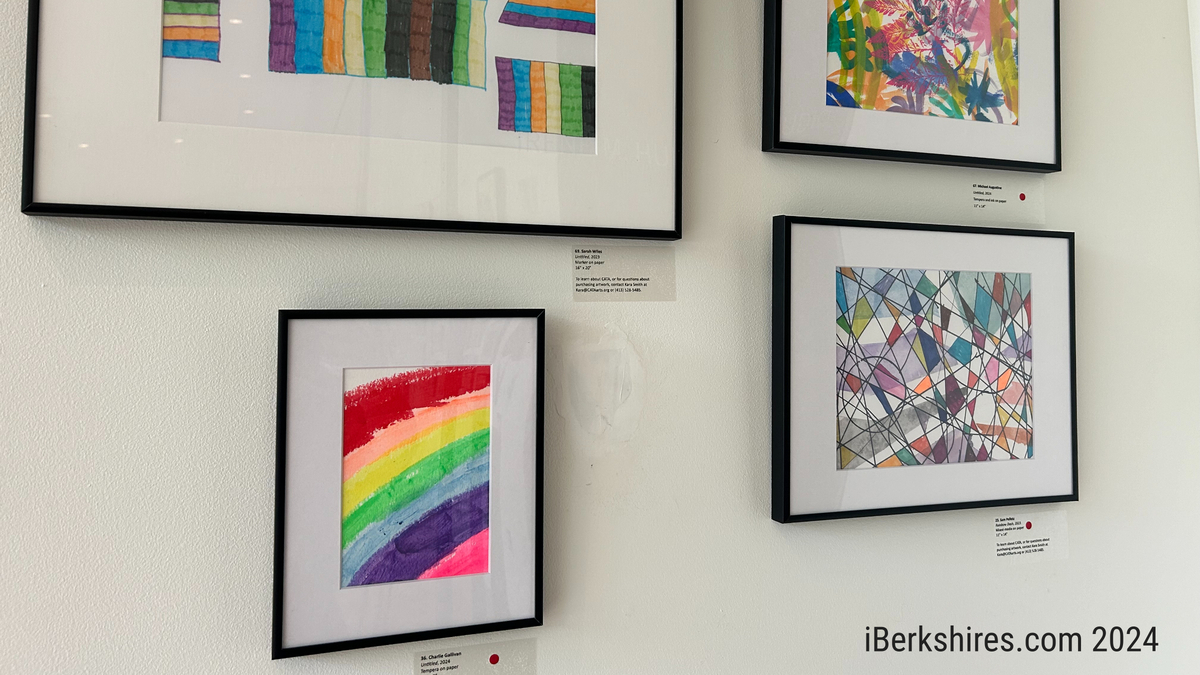
CATA Artists Shine at Clark Exhibit
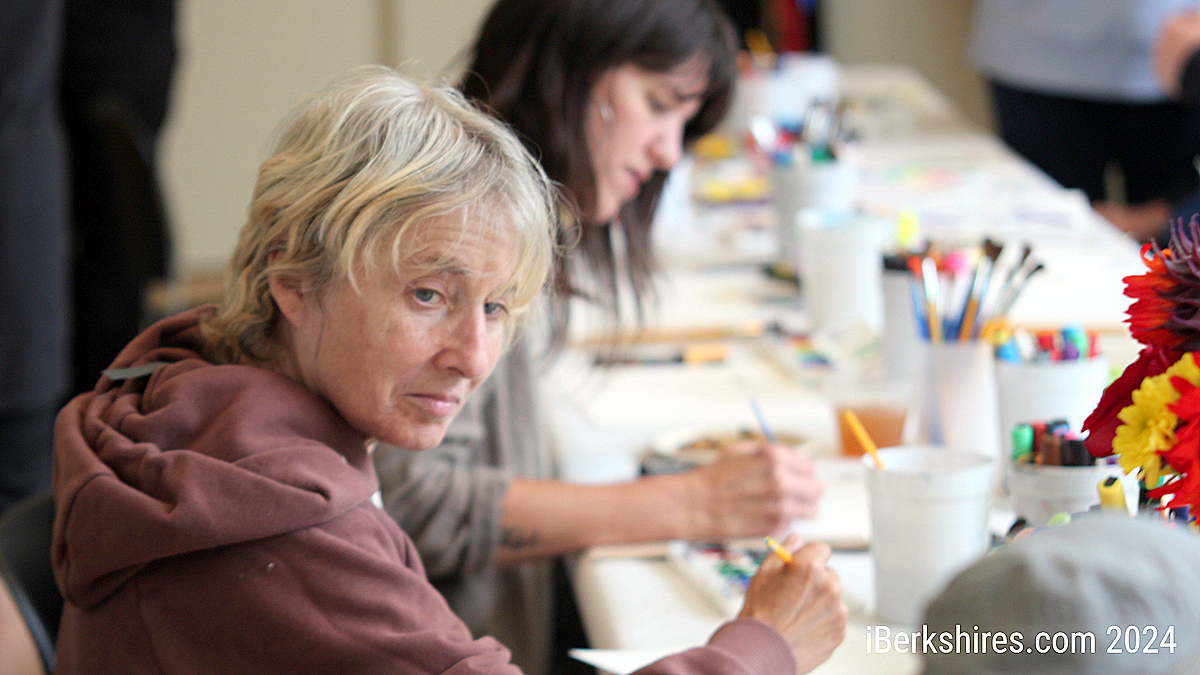
CATA program participants had the opportunity to express themselves through art at the event.
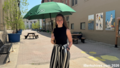
Is she creating a piece for CATA's next annual art show?
"Maybe, I don't know yet," Butler says with a smile.
This summer, Butler joined 200 other artists in Community Access to the Arts programs to contribute pieces for a show that ran at Pittsfield's Lichtenstein Center for the Arts through Tuesday and continues at the Clark Art Institute through Sept. 22.
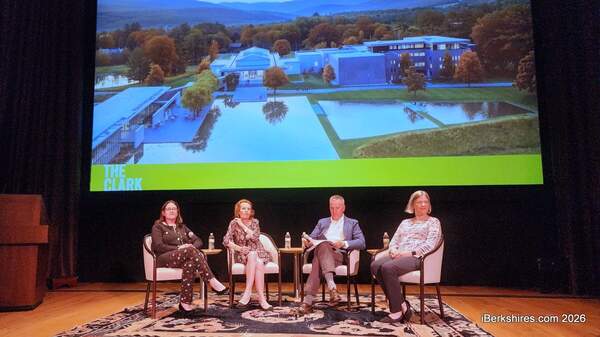
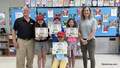
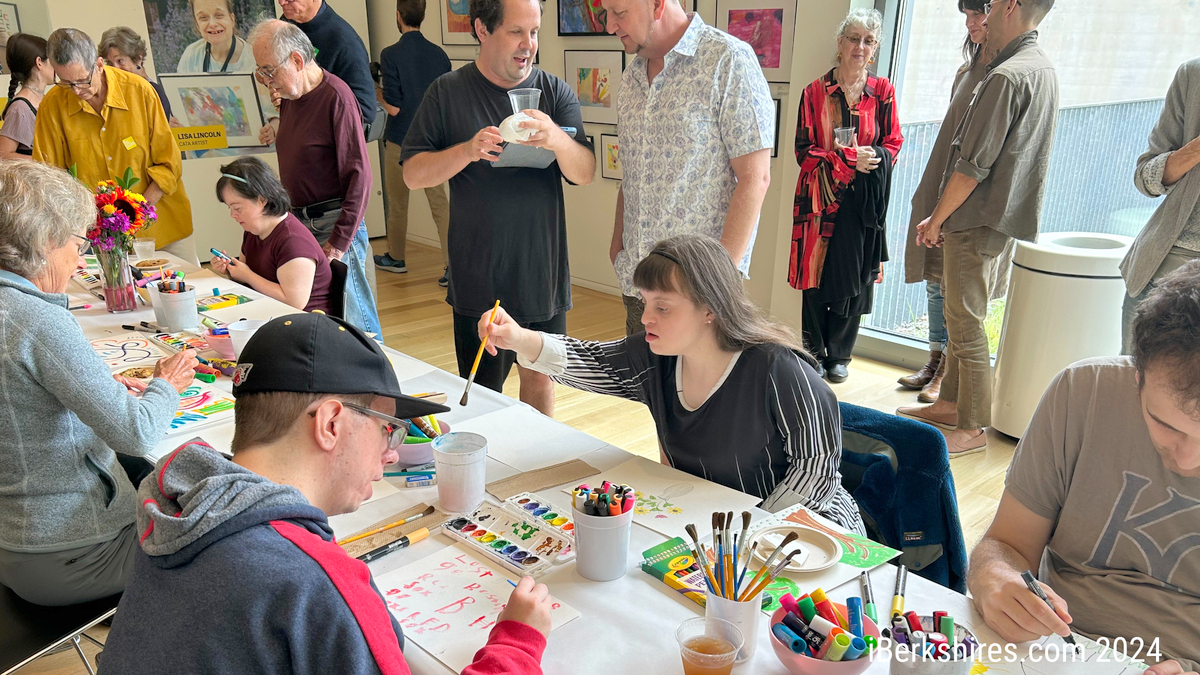
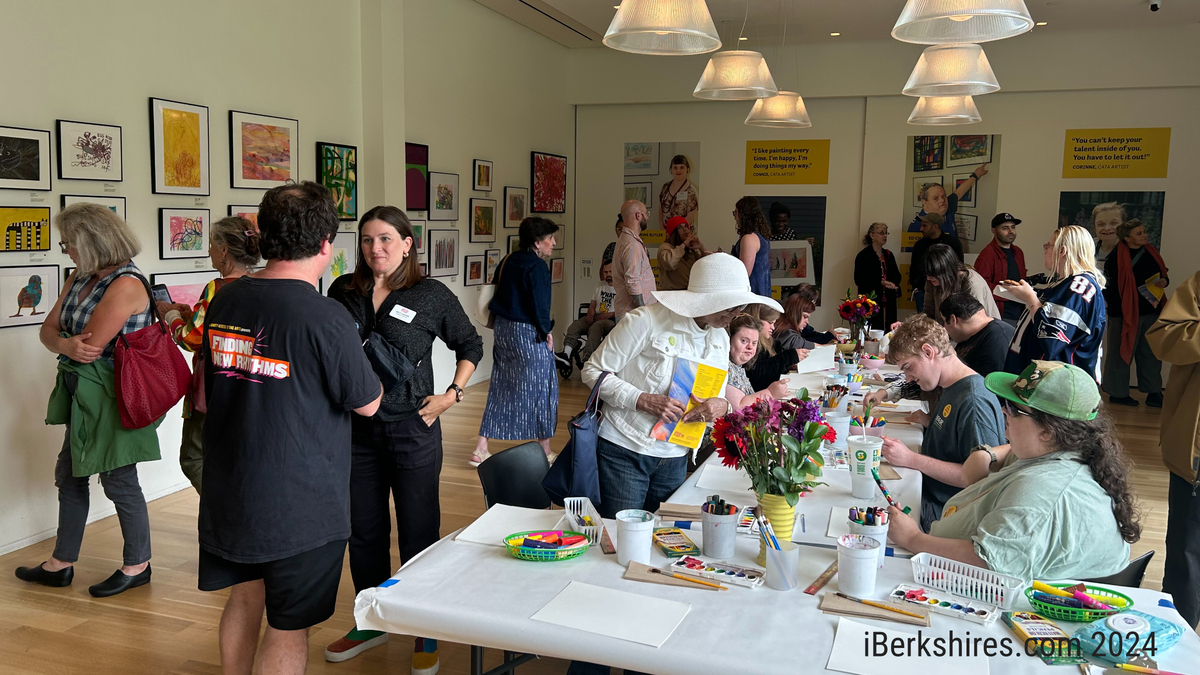
On Tuesday afternoon, CATA and the Clark hosted a Meet the Artists and Community Art Making event in the Lunder Center at Stone Hill on the south side of the Clark's campus.
Butler, whose personal contribution was displayed in Pittsfield this summer, was one of many people taking advantage of the opportunity to create even as previous creations were celebrated.
"Loving this world is my passion, and I always knew I was an artist," Butler said.
"I feel very proud, especially being part of CATA. I just love the opportunity everybody gives me. Everybody is so nice and welcoming, and I want to thank everybody for that."
CATA Executive Director Margaret Keller was one of the dozens of people who stopped into Tuesday's event to visit with the artists.
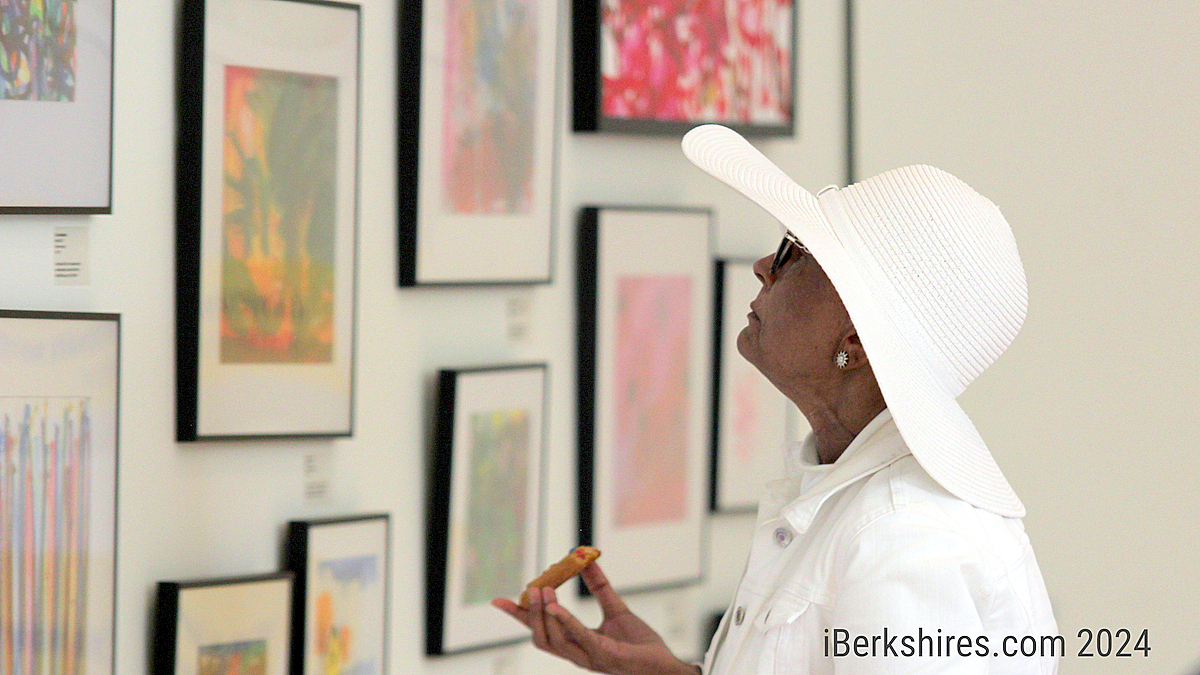
"This show, in particular, we're here for a number of months, and over the course of the exhibit, literally thousands of people have the opportunity to encounter artwork, stunning artwork, created by CATA artists with disabilities," Keller said. "For us, as an organization, that allows us to expand our reach and engage a wider community, both a local community and visitors.
"For our artists, this show is an opportunity to say, 'Here I am, and this is who I am,' and express their talents, their unique perspectives on the world through painting, drawing, sculpture, collage."
CATA, based in Great Barrington, is a wide-ranging program that serves artists in nearly every discipline imaginable, from painting to acting to juggling to creative writing.
With 26 faculty artists, the program collaborates with 60 partners throughout the county and just over the state line into New York, offering programs at schools, community centers, nursing homes, day programs and private homes to advance its mission to give "people with disabilities powerful opportunities to express themselves creatively and share their talents with the public."
The organization serves 1,000 artists each year and holds annual performances at Shakespeare and Company and poetry readings at the Mount in addition to partnerships with galleries like the Clark and Lichtenstein.
Asa Peabody, whose family recently moved to Great Barrington, has been involved with CATA for about a year as a performance artist. Although he had no works on the walls at this year's art show, he was at Tuesday's event to support his fellow artists.
"I decided I wanted to do some classes, and I asked If I could do some classes, and they said, 'Yes,' " Peabody said. "I started with drumming, and I performed in drumming. And then I did tap dancing, and I performed in tap dancing. I took a lot of different classes, and it was a lot of fun to learn how to do all these different things."
Next year, you might see an original work by Peabody hanging on the walls at the Clark.
"I would love to take some art classes, to do some other art classes," he said.
Kara Smith, CATA's director of studio programs, helped curate this year's summer art show, titled "I Am a Part of Art."
"It's just a really robust variety of incredible work by CATA artists, from photography to collage to watercolor to sculpture to drawing painting," Smith said. "It's an incredible way to see the work of CATA artists and the way they see their world.
"Any CATA artist who participates in a CATA workshop has the opportunity to have their work in one of our summer art shows. So we collect all the work they did, and we look for a piece that seems to speak to their style and shows them stepping into it — a new way of showing their unique perspectives."
Thanks to partners like the Clark, the CATA artists can share that perspective with the world.
"I think any artist that you talk to in this gallery will tell you how meaningful it is for them to have work on the walls of the Clark Art Institute," Keller said. "As you know, all of the pieces in the exhibit are for sale, and artists receive a substantial commission on every piece that is sold.
"Those checks are some of the happiest checks that I will ever sign as executive director. It's really meaningful to be able to recognize the work and the talents of our artists — both by sharing their work with the public and by giving them that chance to earn a commission."
Great Barrington resident Scott Thomas had some of his sculptures on display in the CATA show in Pittsfield this summer. He has experience in a wide range of fine and performing arts.
"I like it all," Thomas said. "I do the music. I was in Shakespeare. And I also do the creative writing class, too."
A friend reminds Thomas that he also does standup comedy.
"Yeah, but there's no class for that one," Thomas said. "I'm my own teacher for that one."
Tags: art exhibit, CATA, Clark Art,