WCMA Awarded Grant To Support Energy Efficiency in New Building

Print Story | Email Story
WILLIAMSTOWN, Mass. — The Williams College Museum of Art has received a grant from the Helen Frankenthaler Foundation to implement Direct Digital Controls (DDC) in the new museum building to optimize the energy efficiency of the building's heating, ventilation, and air conditioning (HVAC) system.

WCMA was one of 69 arts organizations across the country selected to receive a grant through the Frankenthaler Climate Initiative (FCI), which conferred a total of $3.3M this year. Dedicated to advancing climate action in the visual arts, FCI supports a wide range of transformative energy-efficiency and environmental sustainability projects that help arts organizations assess, develop, and implement plans that reduce environmental impacts and operational costs and promote clean energy generation. The 2024 cohort of grantees also includes the first recipients of the Catalyst Grant, which funds short-term projects for organizations that are often at earlier stages of their climate action trajectory.

Funds will be used to implement Direct Digital Controls (DDC) in the new WCMA building to optimize the energy efficiency of the building's HVAC system, allowing for centralized control and monitoring of all art spaces and HVAC equipment and ensuring reduced energy consumption and improved performance. By providing precise control of seasonal setpoints for temperature and humidity, the DDC system will create a stable environment for sensitive artwork while reducing carbon emissions.

Scheduled to open in 2027, the new WCMA will enhance the museum's role as a creative catalyst for the college and the Berkshires. The new building project emphasizes sustainability and energy efficiency, addressing the climate impact of the museum with advanced solutions and striving for the highest measures of sustainability.

"We are aiming to achieve the International Living Futures Institute (ILFI) Living Building Challenge (LBC) Core 4.0, a very ambitious sustainability certification that aims to require as little as 30 percent of the current baseline energy usage for art museums," said Pamela Franks, the Class of 1956 Director of WCMA. "One advancement in sustainable practices in the museum field is a recognition of the benefits of maintaining a preservation environment through the use of seasonally-fluctuating temperature and humidity setpoints instead of the traditional requirements of fixed set points that are more energy intensive over time. Achieving the sustainability goals while participating in this advancement in the field, WCMA will be able to incorporate this ethos into the teaching and learning that occurs here as part of the training of future arts leaders."

Throughout the United States, the 2024 recipients range in size, scale and mission, including non-collecting institutions such as Massachusetts Museum of Contemporary Art (MASS MoCA) (Massachusetts), MoMA PS1 (New York), Contemporary Art Museum St. Louis (Missouri), and the New Museum (New York); nonprofits such as The Kitchen (New York), The Swiss Institute (New York), Storefront for Art and Architecture (New York), and The Chinati Foundation (Texas); art schools and university museums such as Rhode Island School of Design (Rhode Island), New Mexico Highlands University Foundation (New Mexico), and the School of the Art Institute of Chicago (Illinois); museums such as Seattle Art Museum (Washington); and community art centers such as Racing Magpie (South Dakota); among many others. The full listing of 2024 grantees can be found here.

"The Foundation is delighted with the advancements in environmental sustainability spearheaded by our partners through the Frankenthaler Climate Initiative," said Lise Motherwell, Chair of the Board of Directors of the Helen Frankenthaler Foundation. "With its newest round of grantees, FCI has supported over two hundred visual arts organizations to date and is leading the way in tangible climate action."

"Over the last four years, FCI grantees have developed and implemented groundbreaking climate focused initiatives, inspiring a surge in applications and more ambitious projects," added Elizabeth Smith, Executive Director of the Foundation. "Extending the Foundation’s full range of grantmaking activities, FCI upholds Helen Frankenthaler’s legacy and cultivates a future where our peer organizations in the visual arts lead the way in creating a more sustainable world."

Created and overseen by the Helen Frankenthaler Foundation in partnership with RMI and Environment & Culture Partners, FCI has expanded its impact and reach since its inception in 2021, with broadened eligibility criteria and consecutive increases in its funding over the years, from the initial $5M pledge to the current $15M commitment. Among the first grantmaking initiatives promoting energy efficiency and clean energy generation at art organizations, FCI now includes projects at over 200 institutions across 37 states in the United States.

The application process for the next grantmaking cycle is expected to open in spring 2025.


Tags: WCMA,   

If you would like to contribute information on this article, contact us at info@iberkshires.com.

Puppets Teach Resilience at Lanesborough Elementary School

By Breanna SteeleiBerkshires Staff

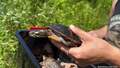
The kids learned from puppets Ollie and a hermit crab.

LANESBOROUGH, Mass. — Vermont Family Network's Puppets in Education visited the elementary school recently to teach kids about being resilient.

Puppets in Education has been engaging with young students with interactive puppets for 45 years.  

The group partnered again with Bedard Brothers Chevrolet, which sponsored the visit. 

Classes filtered through the music class Thursday to learn about how to be resilient and kind, deal with change and anxiety, and more.

"This program is this beautiful blending of other programs we have, which is our anxiety program, our bullying prevention and friendship program, but is teaching children the power of yet and how to be able to feel empowered and strong when times are challenging and tough," said program manager Sarah Vogelsang-Card.

The kids got to engage with a "bounce back" song, move around, and listen to a hermit crab deal with the change of needing a new shell.

"A crab that is too small or too big for its shell, so trying to problem solve, having a plan A, B and C, because it's a really tough time," Vogelsang-Card said. "It's like moving, it's like divorce of parents, it's changing schools. It's things that children would be going through, even on a day to day basis, that are just things they need to be resilient, that they feel strong and they feel empowered to be able to make these choices for themselves."

The resiliency program is new and formatted little differently to each of the age groups.

"For the older kids. We age it up a bit, so we talk about harassment and bullying and even setting the scene with the beach is a little bit different kind of language, something that they feel like they can buy into," she said. "For the younger kids, it's a little bit more playful, and we don't touch about harassment. We just talk about making friends and being kind. So that's where we're learning as we're growing this program, is to find the different kinds of messaging that's appropriate for each development level."

This programming affirms themes that are already being discussed in the elementary school, said school psychologist Christy Viall. She thinks this is a fun way for the children to continue learning. 

"We have programs here at the school called community building, and that's really good. So they go through all of these strategies already," she said. "But having that repetition is really important, and finding it in a different way, like the puppets coming in and sharing it with them is a fun way that they can really connect to, I think, and it might, get in a little more deeply for them.

Vogelsang-Card said its another space for them to be safe and discuss what's going on in their life. Some children are afraid because maybe their parents are getting divorced, or they're being bullied, but with the puppets, they might open up and disclose what's bothering them because they feel safe, even in a larger crowd. 

"When we do sexual abuse awareness that program alone, over five years, we had 87 disclosures of abuse that were followed up and reported," she said. "And children feel safe with the puppets. It makes them feel valued, heard, and we hope that in our short time that we're together, that they at least leave knowing that they're not alone."

Bedard Brothers also gave the school five new puppets to use. Viall said the puppets are a great help for the students in her classroom, especially in the younger grades. 

"Every year, I've been giving the puppets to the students. And I also have a few of the puppets in my classroom, and the students use them in small groups to practice out the strategies with each other, which is really helpful," she said. "Sometimes the older students, like sixth graders, will put on a puppet show. They'll come up with a whole theme and a whole little situation, and they'll act it out with the strategies for the younger students. It's really cute, they've done it with kindergarteners, and the kids really like it."

Vogelsang-Card said there are 130 schools in Vermont that are on the waiting list for them to come in. Lanesborough Elementary has been the only Massachusetts school they have visited, thanks to Bedard Brothers. 

"These programs are so critical and life-changing for children in such a short amount of time, and we are the only program in the United States that does what we do, which is create this content in this enjoyable, fun, engaging way with oftentimes difficult subjects," she said. "Vermont is our home base, but we would love to be able to bring this to more schools, and we can't do this without the support of community, business funders or donors, and it really makes a difference for children."

The fourth-grade students were the first class to engage with the puppets and a lot of them really connected with the show.

"I learned to never give-up and if you have to move houses, be nervous, but it still helps," said William Larios.

"I learned to always add the word 'yet' at the end," said Sierra Kellogg, because even if she can't do something now, she will be able to at some point.

Samuel Casucci was struck by what one of the puppets talked about. "He said some people make fun of him if he dresses different, come from different place, brings home lunch, it doesn't matter," Samuel continued. "We're all kind of the same. We're all kind of different, like we have different hairstyles, different clothes. We're all the same because we're all human."

"I learned how to be more positive about myself and like, say, I can't do this yet, it's positive and helpful," said Liam Flaherty.

The students got to take home stickers at the end of the day with contact information of the organization.

View Full Story

More Williamstown Stories