Mount Greylock Committee Accepts ARPA Offer, Sets Vote on Latin
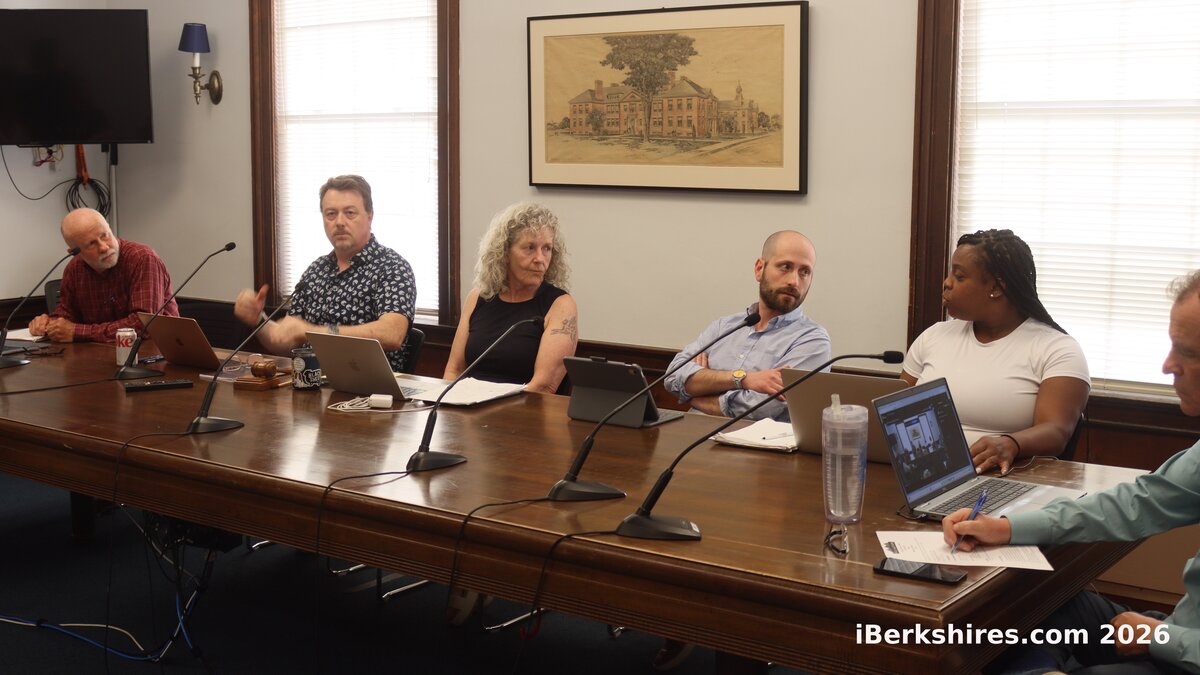
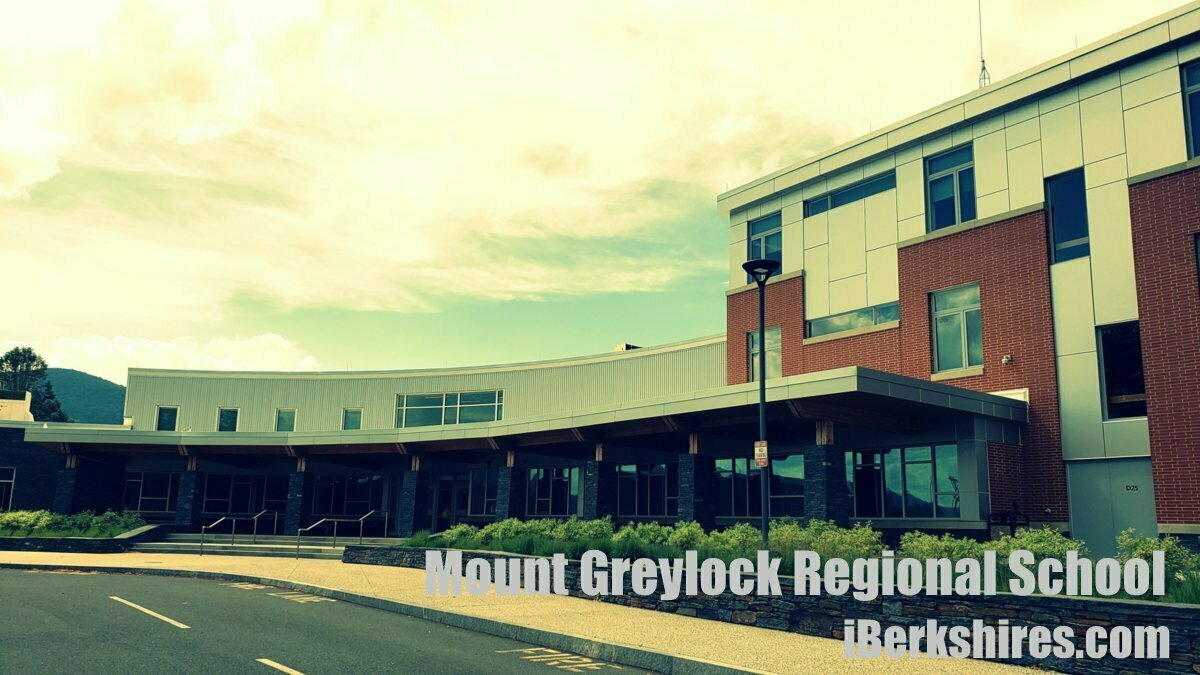
WILLIAMSTOWN, Mass. — The Mount Greylock Regional School Committee on Thursday moved forward with a proposal to fund a consultant with about $66,000 of Williamstown's American Rescue Plan Act funds.
Meanwhile, it held off on a decision about whether to resuscitate the middle-high school's Latin program, scheduling a special meeting for Tuesday, June 18, to make that call.
The 4-0-1 vote on the DEI consultant work came after the Select Board earlier in the week affirmed its support for the idea, which was brought to both the town and school district by parents concerned about the school district's policies about and response to "bias-based, hate, bullying and Title IX incidents."
The parents are asking the district to hire a consultant to review the district's current policies and how it measures progress in making the schools more equitable and inclusive. The parents group also hope the consultant can advise the district on its communications practices, hiring and retention of staff and implementation of restorative justice.
"The deliverables from this review should include actionable best practices updates to policies and protocols and sustainable recommendations for measurable change," according to a memo from the parents to the School Committee.
Interim Superintendent Joseph Bergeron, who has consulted with the parents group, told the School Committee that the next step following Thursday's vote would be to assemble a committee to draft a request for proposals to find a consultant.
In the meantime, Bergeron said, the district would not wait for the consultant but continue to do its own internal review of its policies and procedures to address concerns raised by, among others, the district's Diversity, Equity, Inclusion and Belonging/Parent Caregiver Action Network.
"The value of having a third party do that [review] is they have experience and vision into many different school districts," Bergeron said.
As for the cost of that review, that will become more clear if and when the district receives proposals in response to the RFP it issues.
"We're hoping the Williamstown Select Board's ARPA funding would be available in full," Bergeron said. "If there was a gap, we would need to identify other possibilities for funding. It could come from a different grant or from the School Committee allocating funds from other sources."
Williamstown has, more or less, $66,257 in uncommitted ARPA funds, according to town officials. The town received about $2 million originally from the pandemic-era federal program.
The Select Board has agreed not to allocate any more ARPA funds until it has a formal request from the School District.
School Committee member Steven Miller abstained from the vote to move forward with an RFP.
"We all agree this work is important and that this is something that needs to be done," Miller said. "My main concern is whether we spend the money in ways that lead to results. I have seen numerous times experts being brought in and things being done where it almost feels like we're checking a box that something has been done rather than putting something in place that's going to make real progress.
"That's my biggest concern about how this is done, especially who is brought in. Do the people who end up coming in have an agenda? Do the people coming in have a real track record of making a difference they can point to?"
Carolyn Greene disputed the notion that the district has "wasted" money on "ineffective" measures to address its diversity, equity and inclusion issues.
"We've been investing in this work in ways that have been thoughtful," Greene said. "Our faculty has been working with consultants for several years now – gaining insight, gaining experience, gaining knowledge about this work that is very new to many of our faculty and to many of our students, as well. Our students have engaged in deep conversations with people we've brought into the district.
"I see it all as foundational to the work we're trying to set ourselves up to do going forward."
Greene framed the consultant work as another step in a long road to address bias issues in the district.
"Progress is not fast, it's never fast enough," she said. "But we are grateful the funds are being made available so we can invest in the work in ways we haven't been able to do before."
On Tuesday, the School Committee will decide whether to make its own funds available to keep Mount Greylock's Latin program fully operational for another year at least.
Earlier this spring, since departed Superintendent Jason McCandless announced that the school would be phasing out Latin and moving to offer only one world language, Spanish, in future years.
On Thursday, the School Committee heard from nearly a dozen people — former and current Latin students, parents of former and current Latin students and Latin teachers — about the value of instruction in the classical language. More than 500 people also signed a petition encouraging the district to continue to support instruction in the language.
As far back as March, McCandless had indicated that the foreign language offerings were one area of potential budget cuts in an increasingly difficult budget environment.
But the decision not to offer Latin to seventh-graders starting in September was made after the fiscal year 2025 budget was finalized.
On Thursday, Bergeron explained the move by telling the committee that the district did not see the "retirements and departures" it forecast for FY25 — staff exits that would have meant cost reductions.
"When various pieces fell into place, it forced us to say, 'Do we need to accelerate those difficult conversations that we projected needing to have over the course of this coming year,' " Bergeron said. "As we presented the budget, we talked about we might need to accelerate change, we might need to consider program of study choices — that's what we were starting to allude to so that we hoped we would have gradual discussions and community discussions around priorities and how to make sure our students' needs were met."
In answer to a question from Miller, Bergeron said it would cost about $65,000 to keep the Latin program fully operational in 2024-25. Miller then suggested that the district could take money from its School Choice and excess and deficiency accounts to cover the shortfall and allow the "community discussions" that Bergeron referenced during the coming year.
Jose Constantine joined Miller in supporting that approach. But Miller expressed hesitancy to call for a vote on a School Choice allocation without a specific vote being warned on the meeting's agenda.
Not everyone on the committee appeared ready to follow Miller's lead
"I do want to have Latin this year, next year, forever," Curtis Elfenbein said. "I also want to have a DEIB coordinator for the district and a dedicated art teacher in the middle school. My shopping list is way longer than you can imagine."
Chair Christina Conry, who mostly stayed out of the debate, did offer thoughts toward the end of the discussion.
"I do feel like we may be creating a bigger sword to fall on next year," Conry said, referring to the financial impact of digging more deeply into the district's reserve accounts for a one-year fix for the world language program. "I would like to hear more of a representation from both towns. I'd love to hear from community members who are on a fixed income and don't necessarily have kids in school.
"We want to do everything for the kids, want to give everything to the kids. But we have limited funds."
Greene, a member of the School Committee's Finance Subcommittee along with Miller, sounded the alarm about depleting the reserve accounts, especially after the district used more of those reserves than customary to fund the FY25 budget in the first place.
"We're not allowed to run a deficit, and we're currently, without adding Latin, running a deficit," Greene said. "The administration did the responsible thing, which was to find the money in the budget. … Finding more money after the budget has been voted is another approach. It's not one I'm comfortable doing."
The committee decided to meet virtually at 5 p.m. on Tuesday to decide whether to dip into the reserve accounts to fund full Latin instruction for the 2024-25 school year.
In other business on Thursday, the School Committee:
• Appointed Noelle Sullivan to serve as the district's director of special education services.
• Finalized a contract with Bergeron to serve as interim superintendent while continuing in his role as the district's business manager.
• Conducted a first read of a new policy banning personal electronic devices, like cell phones, for students in the district's three schools.
BHeard a report on the district's ongoing "Diversity, Equity, Inclusion and Belonging" initiatives.
• And reminded residents of the three seats on the ballot in November for positions on the seven-person School Committee. Conry said members Julia Bowen (Williamstown) and Ursula Malloy (Lanesborough), who did not attend Thursday's meeting, have told her they plan to pull papers for the race. Constantine (Williamstown) announced at Thursday's meeting he would do the same.
Nomination papers are available in the district office on the Mount Greylock campus. Candidates need 45 signatures from registered voters in either Lanesborough or Williamstown (or some from each town) in order to get on the ballot. The deadline to submit nomination papers with signatures is Tuesday, July 23, at 5 p.m.
Tags: ARPA, languages, MGRSD,