Clark Art Presents Symposium on Artists Featured in 'A Room of Her Own'
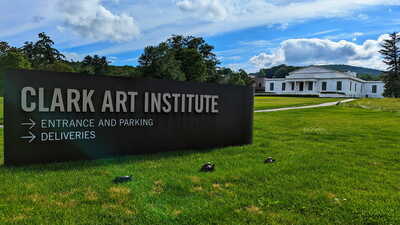 |
WILLIAMSTOWN, Mass. — The Clark Art Institute presents a two-day symposium on Thursday, Sept. 11 and Friday, Sept. 12 in celebration of its current exhibition, "A Room of Her Own: Women Artist-Activists in Britain, 1875–1945."
All events are free and open to the public and take place in the Manton Research Center auditorium.
This symposium hosts an international group of scholars to explore how select artists featured in the Clark's exhibition negotiated public and private spaces to establish professional careers as artists and thrive creatively. A keynote lecture on Virginia Woolf's essay, "A Room of One's Own," begins the symposium Thursday, Sept. 11. Vanessa Bell, May Morris, Mary Lowndes, and Gwen John are the subjects of four in-depth talks by art historians on Friday, Sept. 12.
On view through September 14, the exhibition celebrates the achievements of twenty-five women across the fine and decorative arts and features paintings, drawings, prints, stained glass, and embroidery. Inspired by Virginia Woolf's essay "A Room of One's Own" (1929), the exhibition examines the spaces in homes, studios, art schools, and exhibition sites that women artists used to produce their work and cultivate professional success.
Schedule
Thursday, Sept. 11, 6 pm
Keynote Lecture: Virginia Woolf's Incomparable Female Gaze
Merve Emre, Shapiro-Silverberg Professor of Creative Writing and Criticism at Wesleyan University and director of the Shapiro Center for Creative Writing and Criticism, discusses Virginia Woolf's 1929 essay, "A Room of One's Own." Emre highlights Woolf's understanding of formal education, and how women's exclusion from this social institution served to devalue their creativity. Emre's lecture will demonstrate how Woolf's essay provides a rich framing device for considering the artists in the exhibition.
Friday, Sept. 12
Symposium
10:00 am: Welcoming Remarks
Kathleen Morris, Sylvia and Leonard Marx Director of Exhibitions and Collections and Curator of Decorative Arts, and Alexis Goodin, associate curator, welcome guests to the Clark.
10:15 am: Session One
10:15–10:40 am: Wendy Hitchmough, Emeritus Senior Lecturer, University of Sussex, United Kingdom on Vanessa Bell and the Subversive Studio
10:45–11:10 am: Rowan Bain, Principal Curator, William Morris Gallery, London on May Morris at the Worktable: Home, Craft, and the Business of Embroidery
11:30 am: Session Two
11:30–11:55 am: Jasmine Allen, Director and Curator, The Stained Glass Museum, Ely, United Kingdom on "Making space for women:" Mary Lowndes—Pioneering Stained Glass Artist and Suffragist
12:00–12:25 pm: Rachel Stratton, Independent Curator, on Strange Beauty in Gwen John's Interiors
1:30 pm: Panel Discussion
Moderated by Alexis Goodin, curator of A Room of Her Own: Women Artists in Britain, 1875–1945, this panel will bring together the day's speakers to explore parallel and divergent experiences of the artists discussed, and provide the audience with an opportunity to ask further questions.
All symposium events are free and open to the public. No registration is required for the keynote lecture on September 11, but advance registration is recommended for the program on September 12. Accessible seats available; for information, call 413 458 0524. To register and view the program schedule, visit clark.edu/events.
Tags: Clark Art,