Pittsfield Commission Considers Park Square Historic District
PITTSFIELD, Mass.— The city is chipping away at its plans for establishing a possible historic district in the downtown.
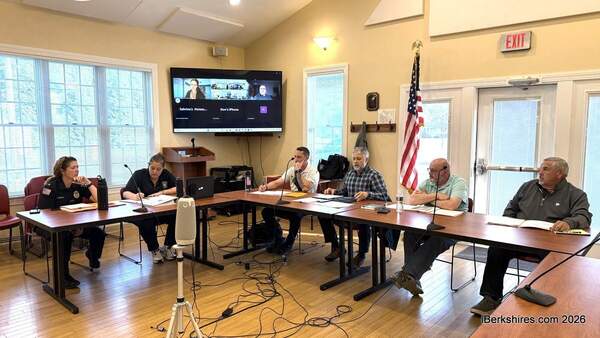
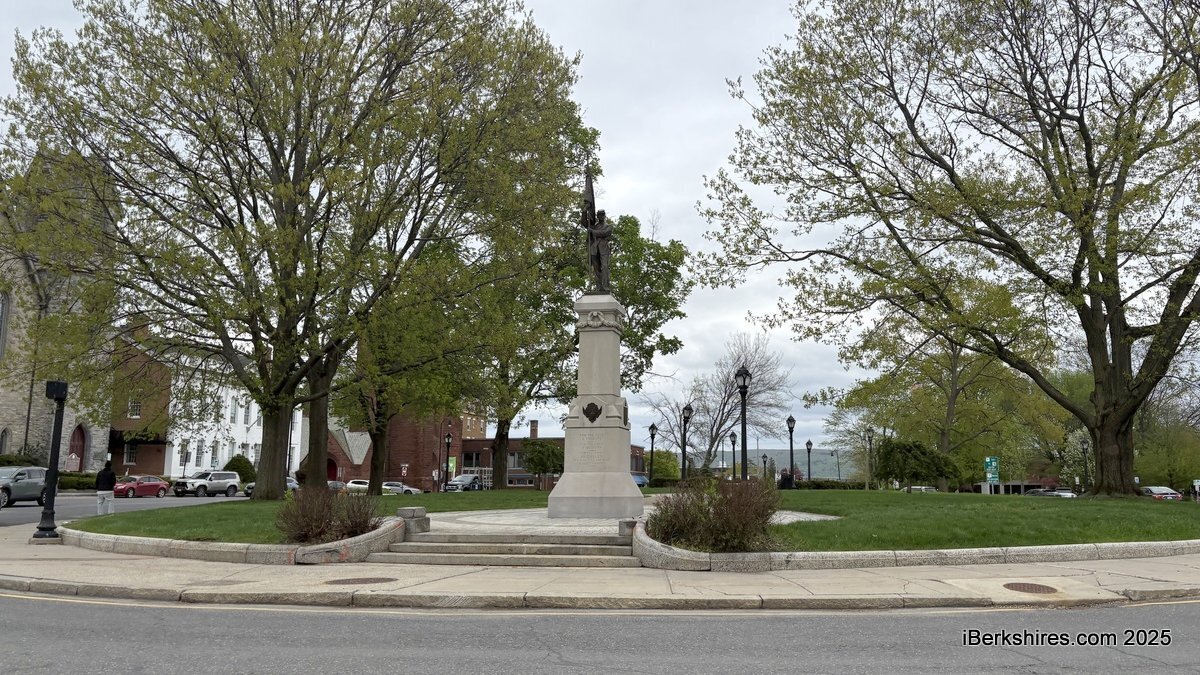
On Monday, the Historical Commission discussed who would lead the charge to designate a small area around Park Square as a historical district, which preserves and protects buildings and places with historical significance.
City Planner Kevin Rayner said that if it is done, it will be done slowly and properly. He hopes that the commission could lead the project.
"Whatever board does this, it's going to be like a year-long process, so I don't think it makes any sense to rush getting into that process. I think we set up the foundation of it perfectly, and then we go from there," he said.
The city has more than 20 locations on the National Register of Historic Places, including the Park Square Historical District, but the designation just allows communities to apply for federal tax credits and doesn't impose restrictions on buildings.
The central area was laid out a few decades after Pittsfield was given a town charter in 1761 and was the site of the first agricultural fair in 1810.
A district can be one building, several buildings, or an area. Historic restrictions only apply to the exterior of buildings.
During the meeting, Rayner displayed a map of the proposed district, which would start at Park Square and expand to buildings with frontage on the park and the Berkshire Athenaeum.
He explained that he used the National Historic District boundaries as a guide.
"The idea with this map was to encompass the entirety of Park Square itself and surrounding roads," he said, pointing to other nearby historic properties that it includes.
"…I didn't want to stray too far from the actual Park Square area, the focus area."
It was suggested to start small, outlining the proposed district with unarguably historic buildings in the center of the city. Then the district could expand with City Council approval later on.
"I think this is a good test case. It's a good one to build off of, because I don't think many people are going to argue that Park Square is a historic property," Rayner said.
"And most of the properties that I've listed on here already have preservation restrictions. They're already on the national register."
The commission would have to petition the City Council to create a body that studies and creates the district.
Rayner wanted to gauge the commission's interest before going before the council or looking at potential ordinance changes.
He pointed out that there were "seven pretty intelligent, motivated people who care about the history of this community" in attendance.
It was questioned whether it is feasible for the historical commission to adjust its charge to include working on the proposed district.
The city planner will consult the city solicitor and contact other stakeholders to be included in the discussion, or possibly join a Historical District Commission.
Tags: historic buildings, historic district, historical commission,