Great Barrington Celebrates Unveiling of Du Bois Sculpture
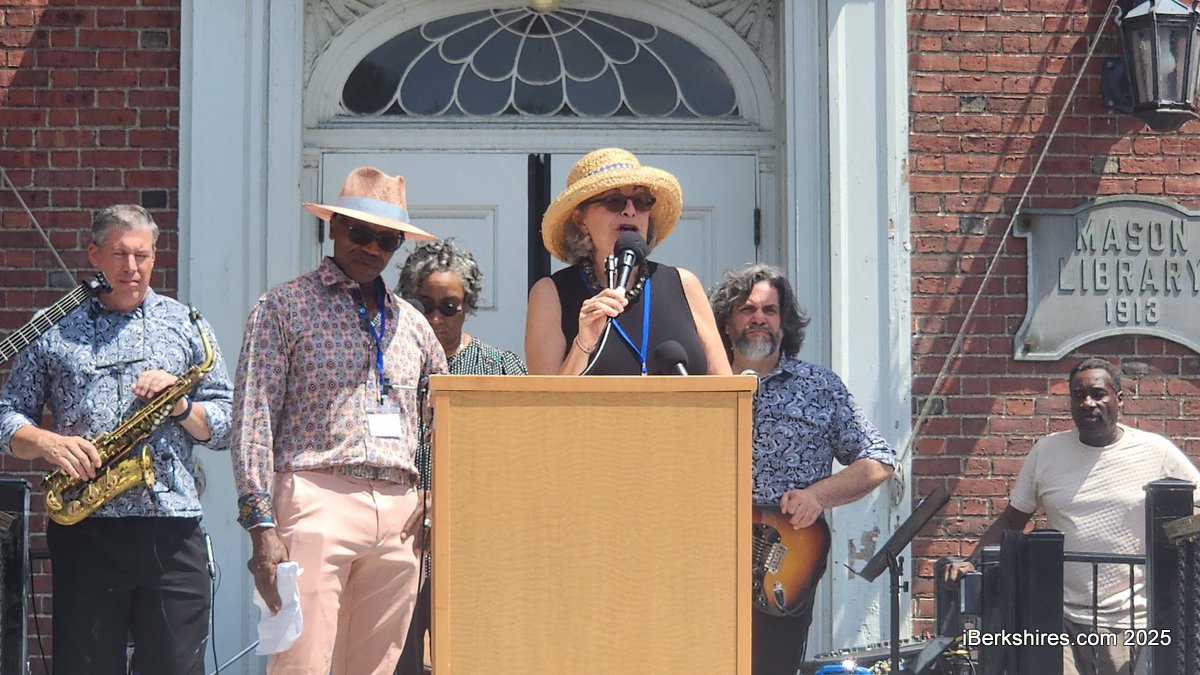
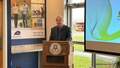
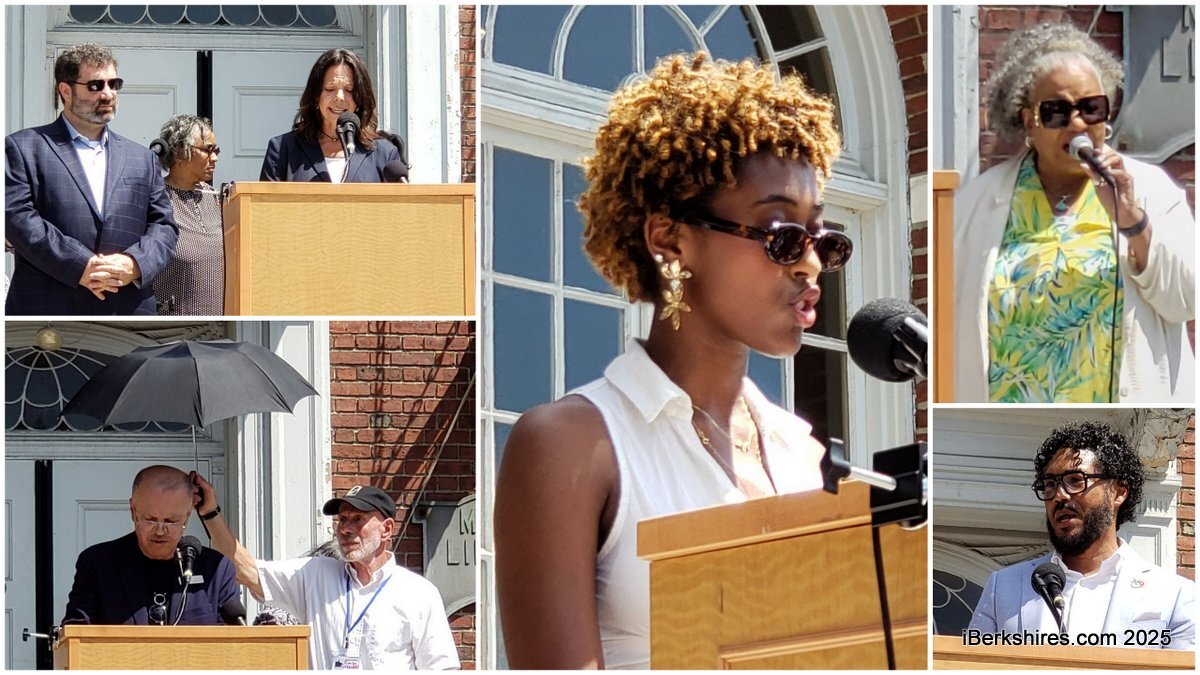
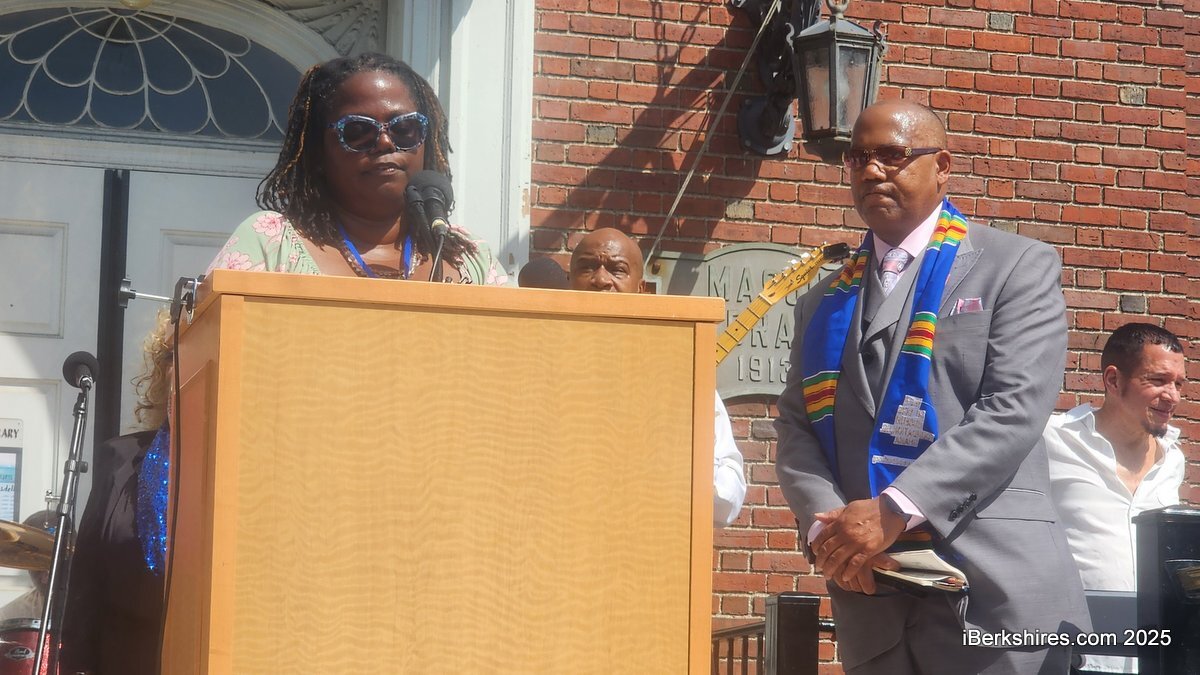
Sculpture project co-Chairs Ari Zorn, left, and Julie Michaels thank the many people and organizations that made the day happen.
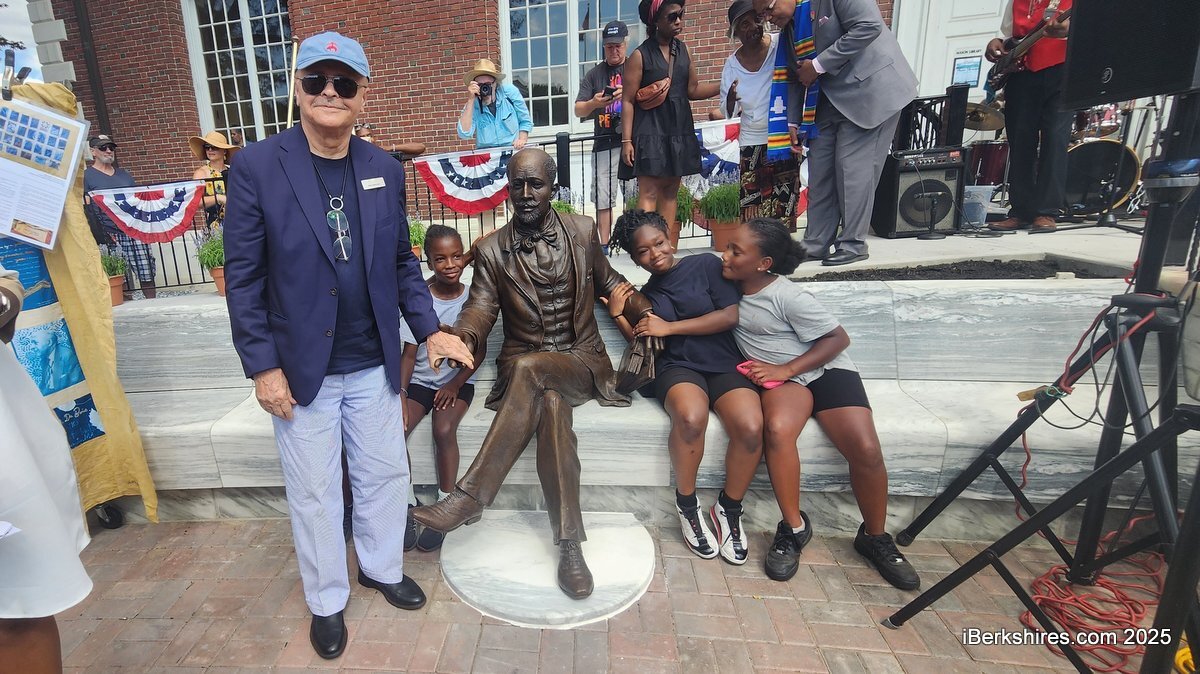
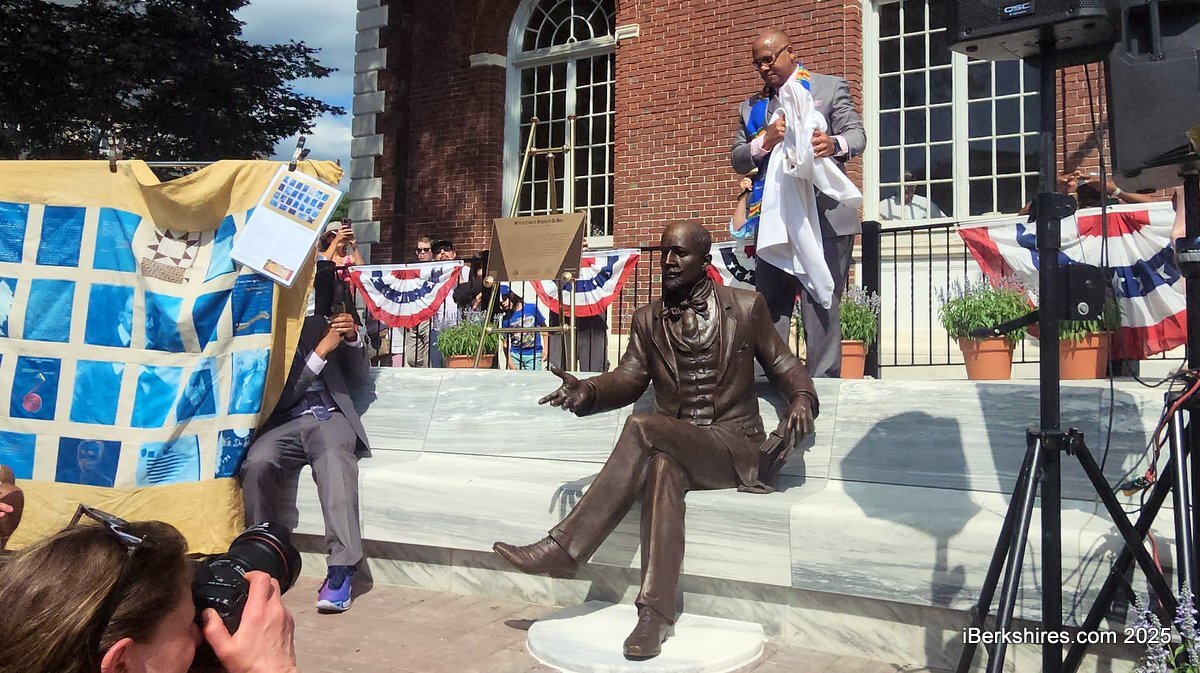
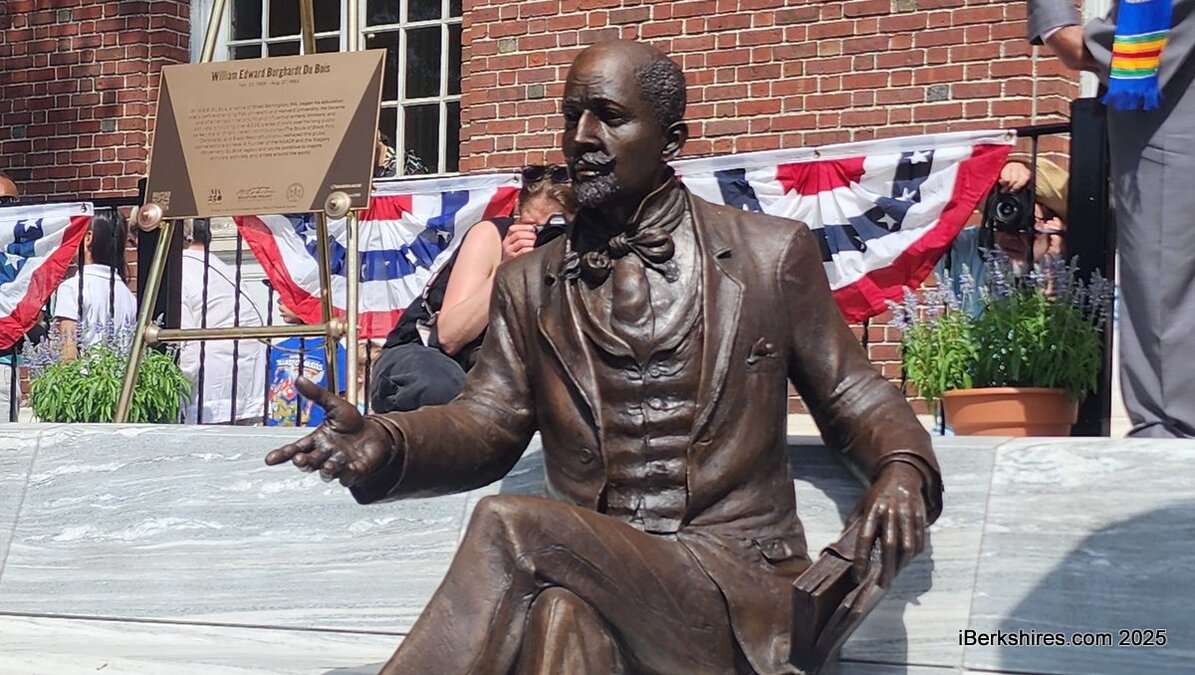
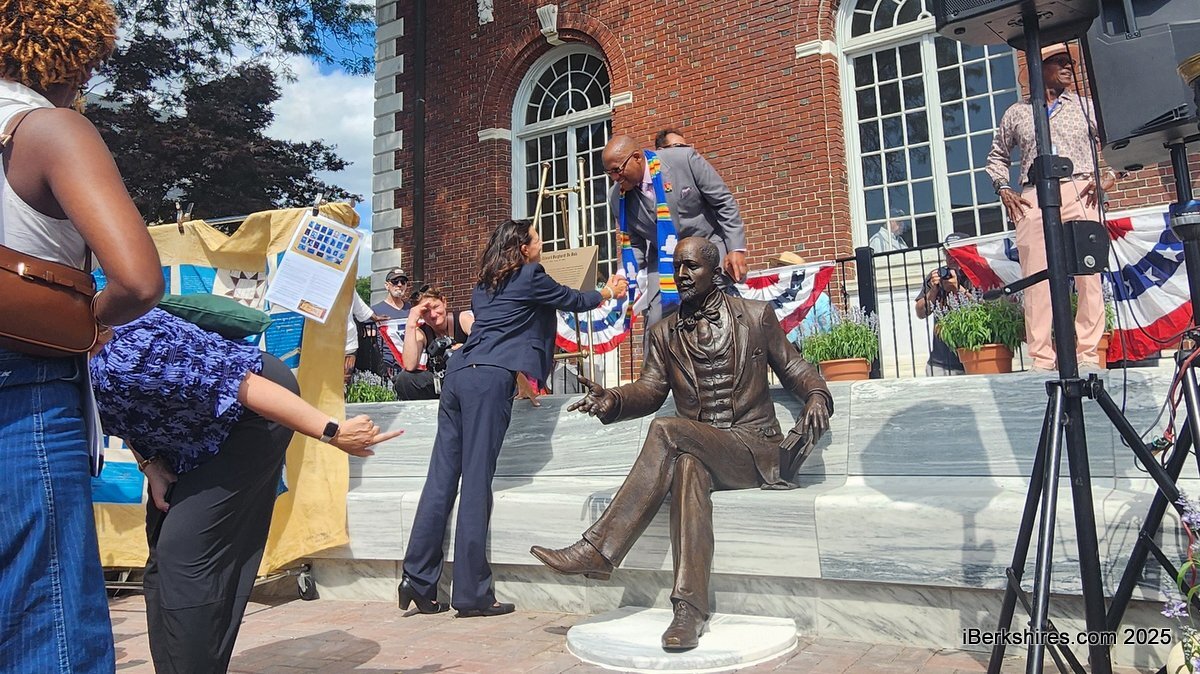
The bronze sculpture, created by artist Richard Blake, sits on a curving marble bench with hand outstretched and open, welcoming passers-by to stop.
"Du Bois meets us not with a sword ... not with a fist, not with a flag. He meets us with an open hand," said Imari Paris Jeffries, president and CEO of Embrace Boston, a partner in the sculpture project. "An open hand is never just a hand. It is a symbol, a language, a refusal. It is peace, the kind does not that does not forget violence, but refuses to replicate it. It is a welcome. It is a gesture that says you belong here, even in a nation that tried to make you feel otherwise."
Contrast that, he said, with 2,000 monuments, schools, roads, lakes, rivers and military bases named for Confederate leaders "planted after Reconstruction in the hard soil of Jim Crow and then the aftermath of Brown v. Board [of Education]. They were constructed not to grieve the dead, but to police the living."
The life-size statue of the civil rights leader, author, and sociologist offers something far different, Paris Jeffries said: "It is an offering of memory and of intellect, of unyielding belief that Black life contains multitudes, a monument to love."
The sculpture now joins that in Sheffield of Elizabeth Freeman, whose suit for freedom lead to the abolition of slavery in Massachusetts, in marking local Black history.
Its creation was years in the making through the efforts of a broad coalition of local and state partners. Julie Michaels, co-chair of the sculpture project, ticked off all the people and organizations who when asked to make the project a reality said, "Nobody said no, nobody said next week, nobody said tomorrow. They all said, 'yes, yes, yes.' And that is so important to us."
The installation of the statue was also part of the reconstruction of the front entrance to the library, which now has sloping walkways along the back of the curved marble benches on each side.
Sculpture project co-Chair Ari Zorn said he was still in disbelief of this moment and the amount of community unity.
"He died in 1963, the very day of Martin Luther King's March on Washington. His life encompassed almost 100 years of struggle for equality and proper recognition of Black Americans," said sculpture co-Chair Ari Zorn. "Dr. DuBois was fortunate in his birthplace. Great Barrington was progressive, pro education and pro union, there was a color line Dubois wrote, but it was not yet manifestly drawn."
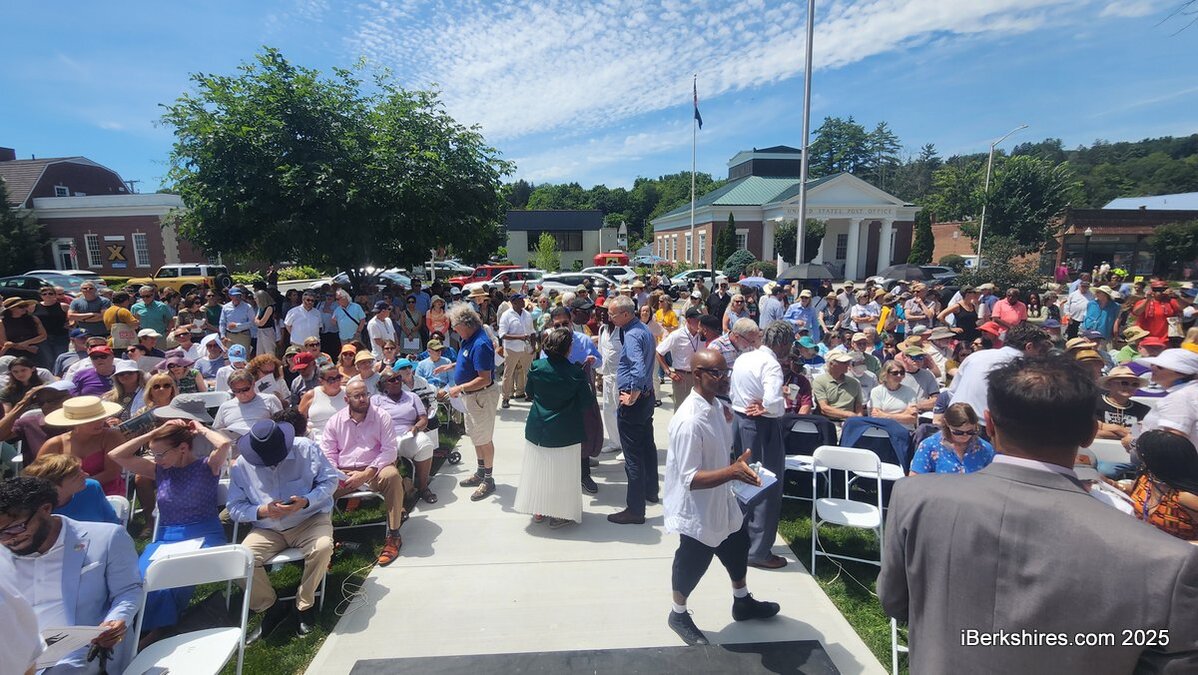
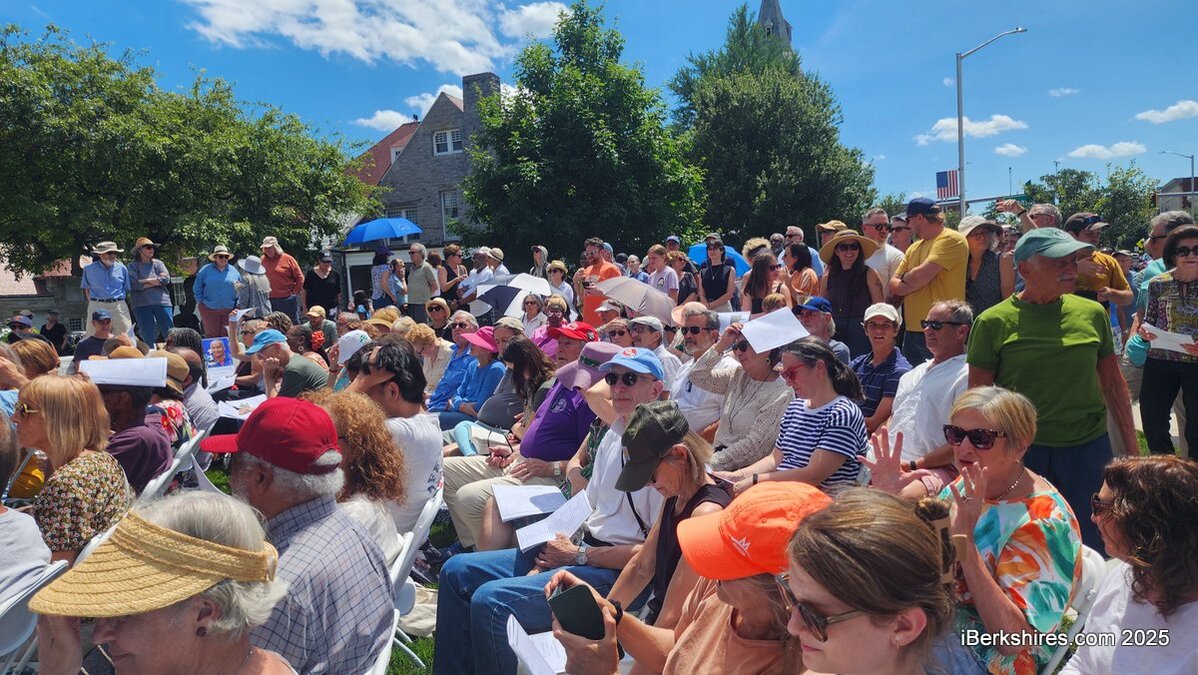
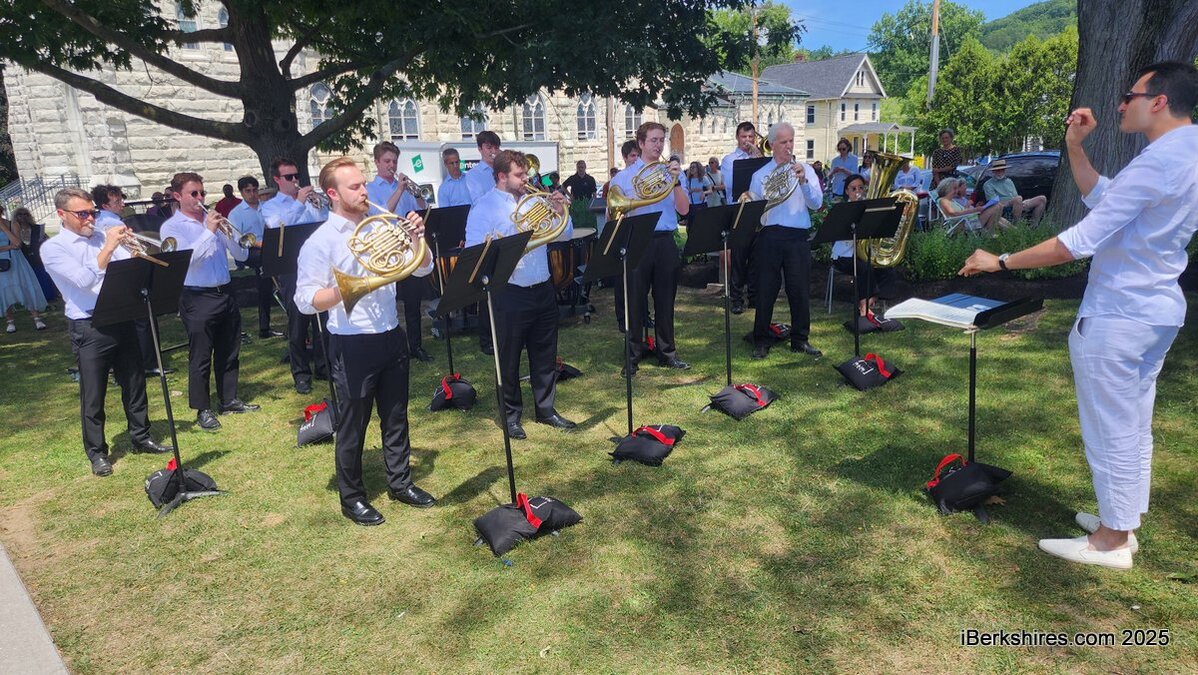
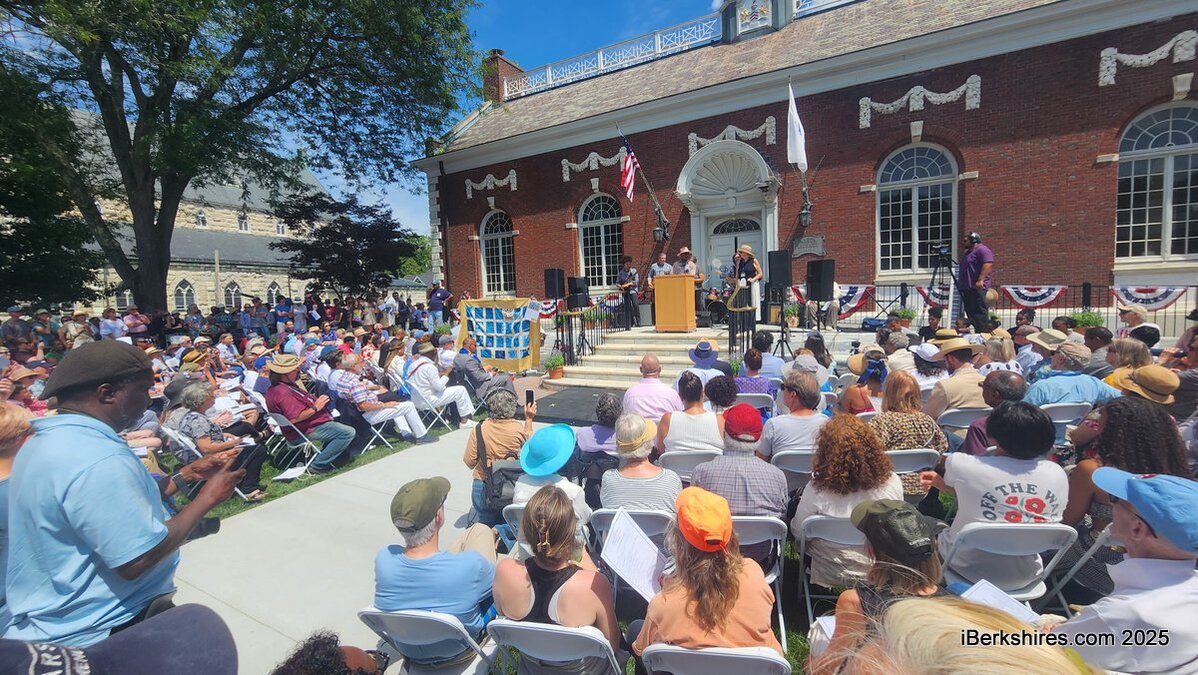
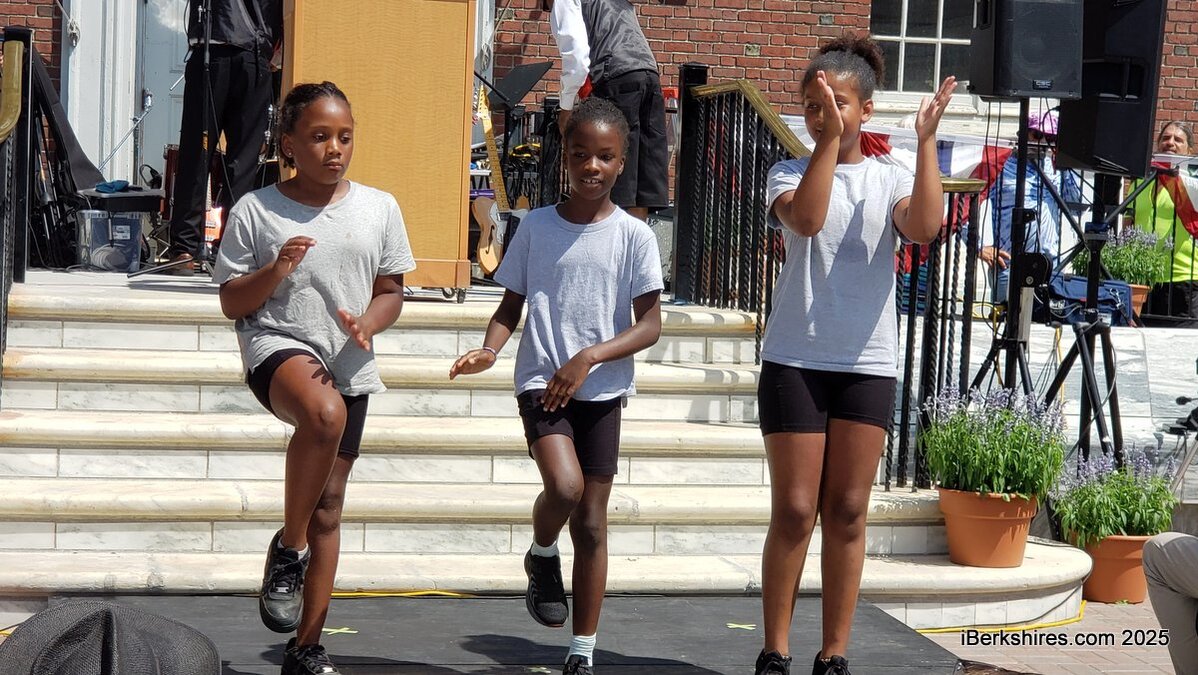
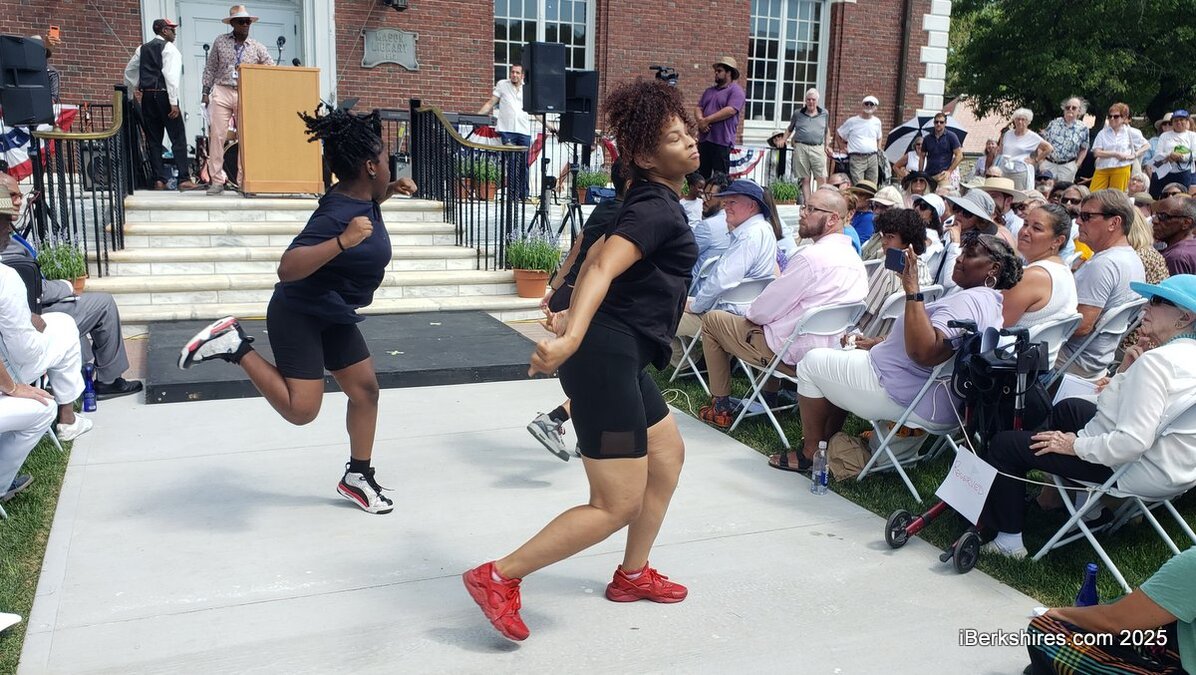
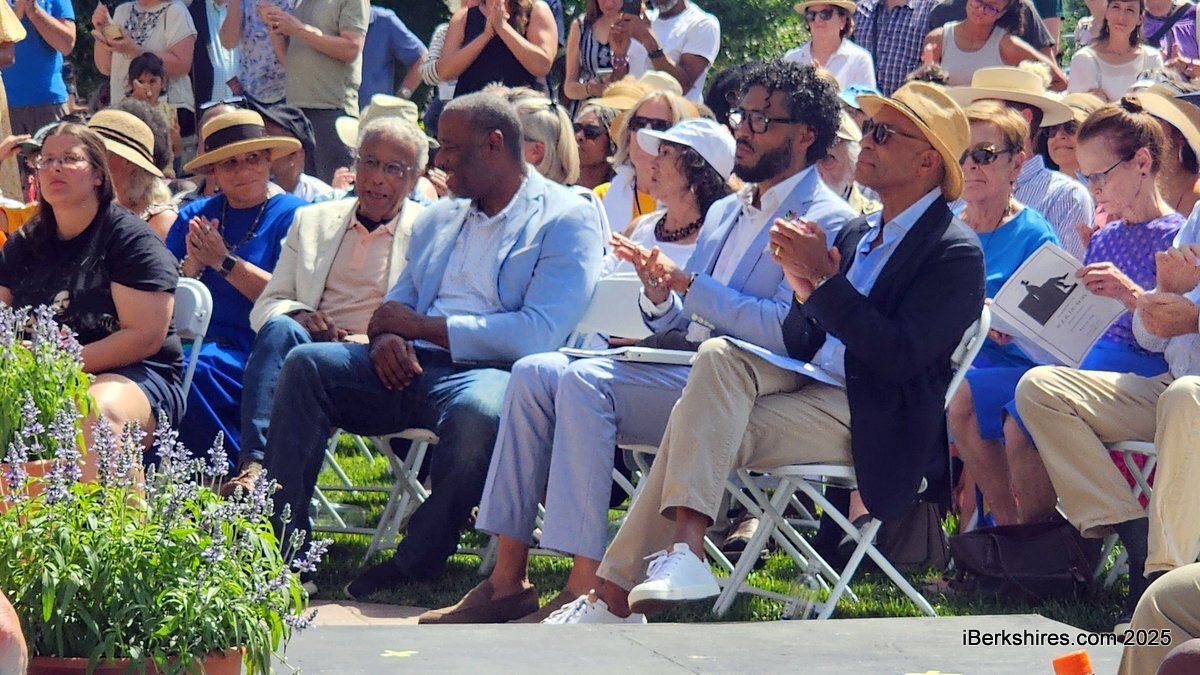
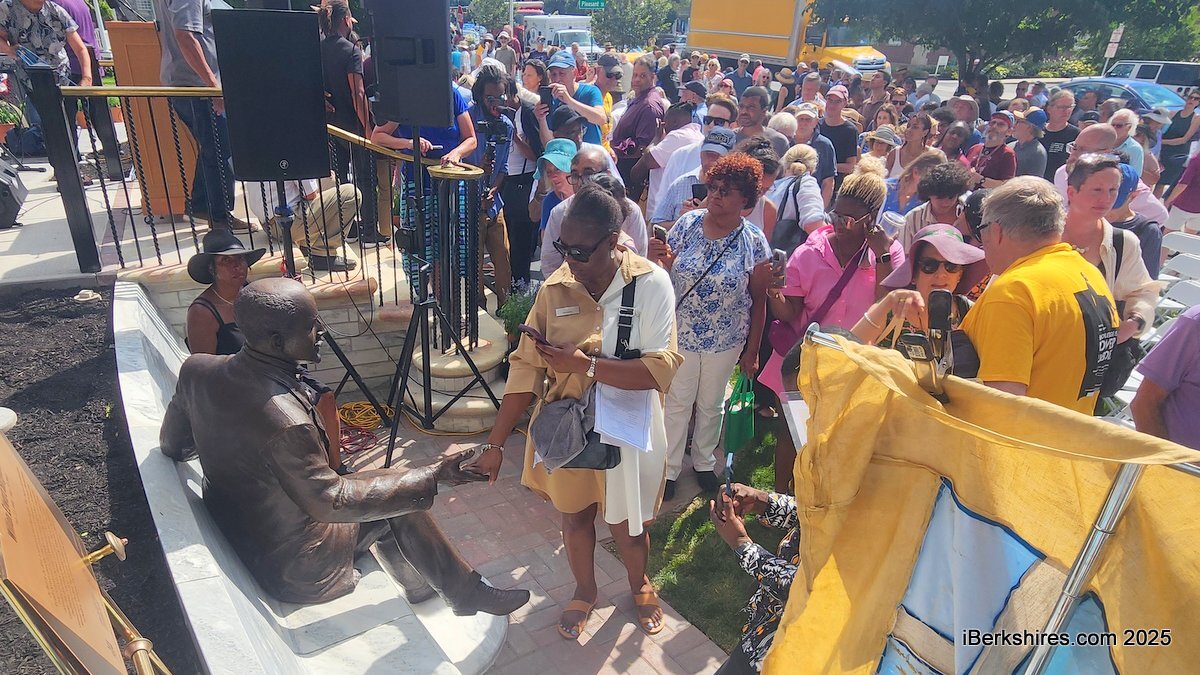
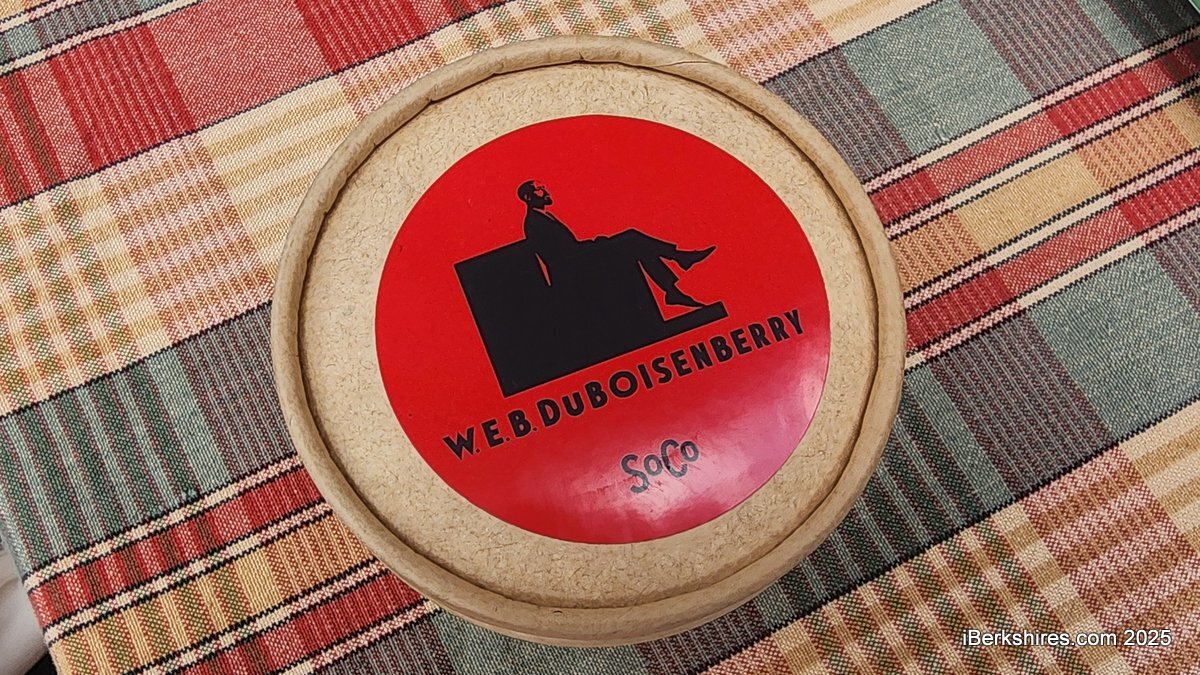
Hundreds gathered under the hot sun for performances by Wanda Houston, Gina Coleman and the Misty Blues, Randall Martin's Sweet Life Music Project and the Youth Alive Step & Dance Team. Luna Zander read from Du Bois' prose poem "Credo" and Gwendolyn Van Sant asked the crowd to consider the ancestors that brought them here and to imagine a connected future. SoCo Creamery distributed 250 cups of Du Boisenberry ice cream.
State Rep. Leigh Davis, accompanied by state Sen. Paul Mark, brought greetings from Gov. Maura Healey and Lt. Gov. Kim Driscoll, and offered her own perspective on growing up in an interracial family and how her father, a proud Black man, taught her to "stand tall in both."
"I can't help but reflect, this past, this day was not easy," she said. "It took years of vision, partnership and persistence, because in this country, the road to honoring people of color is often long and never without resistance. But this community stayed the course."
Craig Harris, playing with the Music Project, also stepped out to perform "Souls in the Veil," inspired by Du Bois' "The Souls of Black Folks" and his teacher Pat Patrick, for his mentor's son, Deval Patrick, the state's first Black governor.
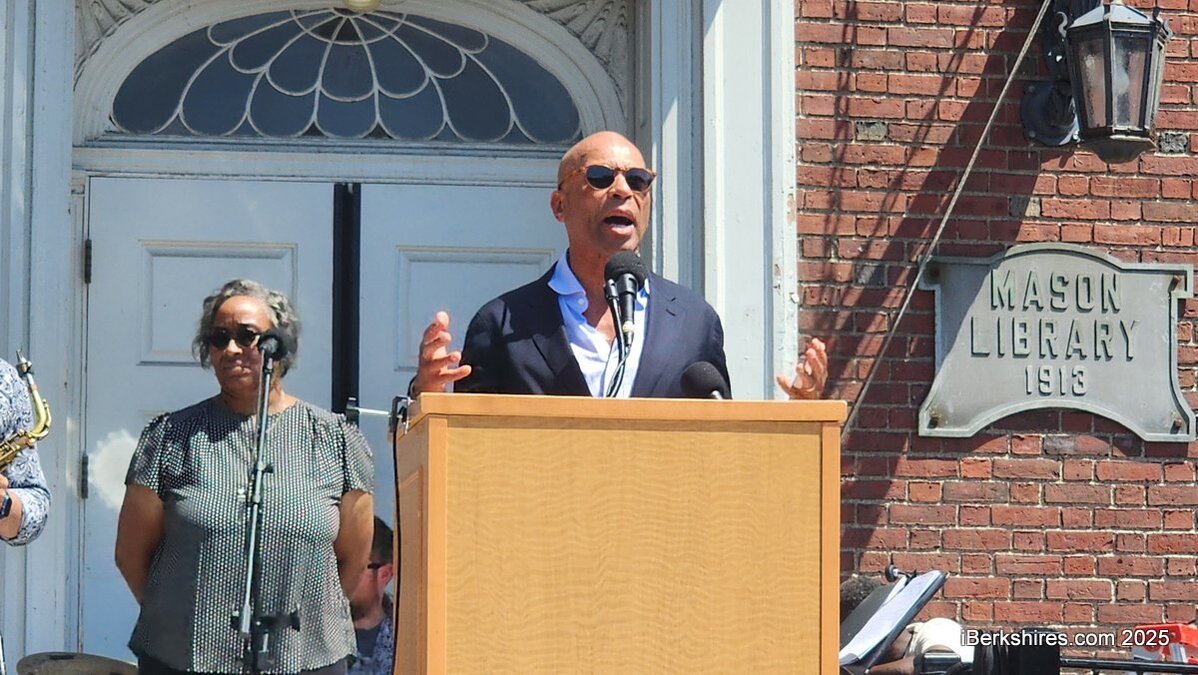
Patrick, who lives in nearby Richmond, recalled how his sister-in-law first visited them and asked, "where are all the Black people?"
"The answer is as it has always been: We are everywhere, and by the way, we always have been and we always will," he said to applause. "I think it's important to make that point right now, in these times, in our times, when so many, many people are being made to feel like we are outsiders, like we don't belong, like we have no history and no place.
"That's not what a community is. I'm proud to be a member of this community, and I'm proud to be a member of this community in part because we understand we don't have to hide from our history to love our country or to love our community."
He said it was fitting that "this extraordinary sculpture" was at a library because he thought Du Bois would understood that data and information is not the same thing as knowledge, and knowledge is not the same thing as wisdom.
"This statue here is an invitation for us all to seek wisdom, to do that humbly, to seek it and see it in each other, to listen for it in the folks who agree with us and the ones who don't, and the folks we know and the ones we think we know," said the former governor. "But if we stop for just a minute, we'd realize we don't know a damn thing, and asking an honest and humble question is how we discover the magic and the light that lives in all of us. In that spirit, I am so, so proud to be a part of today's reveal. God bless you all,"
Du Bois was born in Great Barrington three years after the end of the Civil War and grew up there, graduating as his high school's valedictorian. He became the first Black American to earn a doctorate from Harvard University and became a leader of the Niagara Movement, a civil rights group formed in 1905. Four years later, he would become a founcer of the NAACP. He is writings attacked racism and discrimination, and the Jim Crow laws that persecuted African Americans in the South. He wrote numerous books and essays, with perhaps his best known being "The Souls of Black Folk" and "Black Reconstruction in America."
His light would dim in later years as he sympathized with socialism and then communism during the years when America was fighting a Cold War against communism. An attempt to name one the newly built school after the academic was shot down in 2004; 15 years later, the middle school would be named in honor.
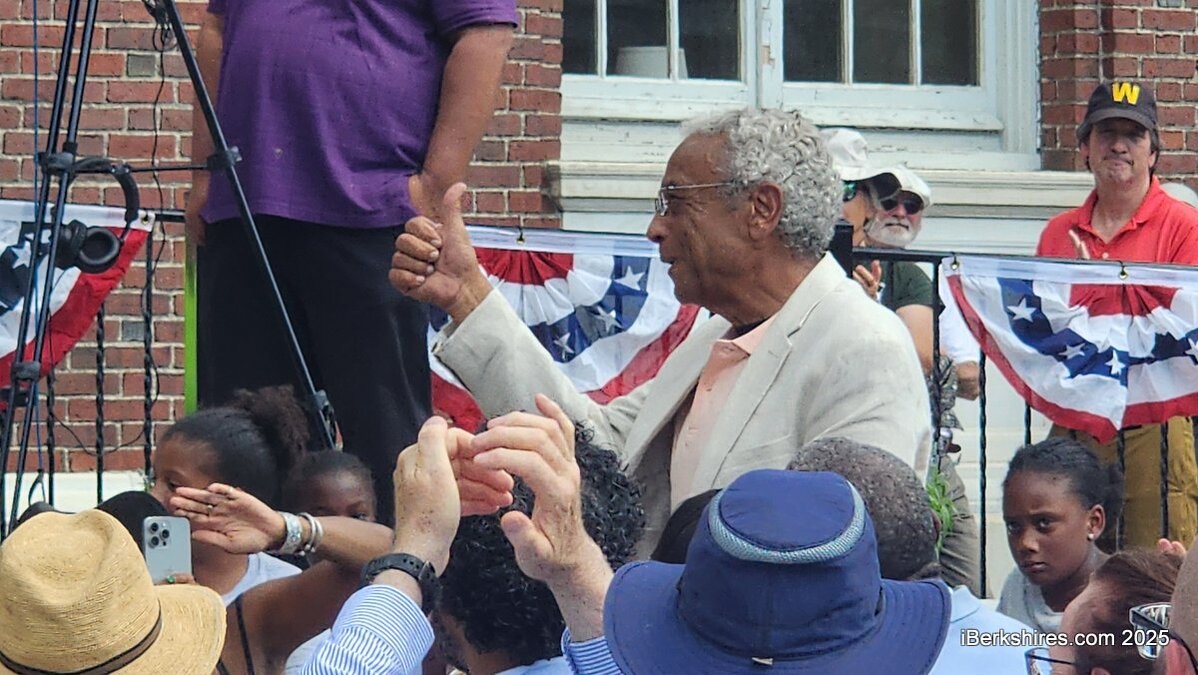
David Levering Lewis, author of the Pulitzer Prize-winning two-volume biography of Du Bois and professor emeritus of history at New York University, recalled how he'd come to Great Barrington to find anyone who might have remembered the activist. He was referred to the local head of the Daughters of the American Revolution (which drew laughter from the crowd), one of the town's oldest citizens.
"[She] recalled a brilliant, colored man of whom much had been expected until years later his un-American activities had deeply disappointed the town," Lewis said. But he had been honored as a national treasure in 1948, "Du Bois stood on a pedestal occupied by few other Americans, a senior intellectual of his race and an unexcelled propagandist. ...
"Du Bois espoused racial and egalitarian beliefs of such variety and seeming contradiction as often to bewilder and alienate as many of his countrymen and women as he inspired and converted. Nearing the end, Du Bois himself conceded mischievously that he would have been hailed with approval had he died at 50, at 75 he said, 'My death was practically requested.' Welcome home, William Edward Burkhart Du Bois."
Jeffrey Alan Peck, Du Bois' great-grandson, is on the board of the W.E.B. Du Bois Museum Foundation, which is building a museum in Ghana, where author spent his last years. He read a letter from his brother, who could not attend, saying, "This town should be proud of its role in making him the man he would become, giving him the strength and the perseverance that would become the hallmarks of his success."
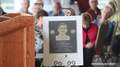
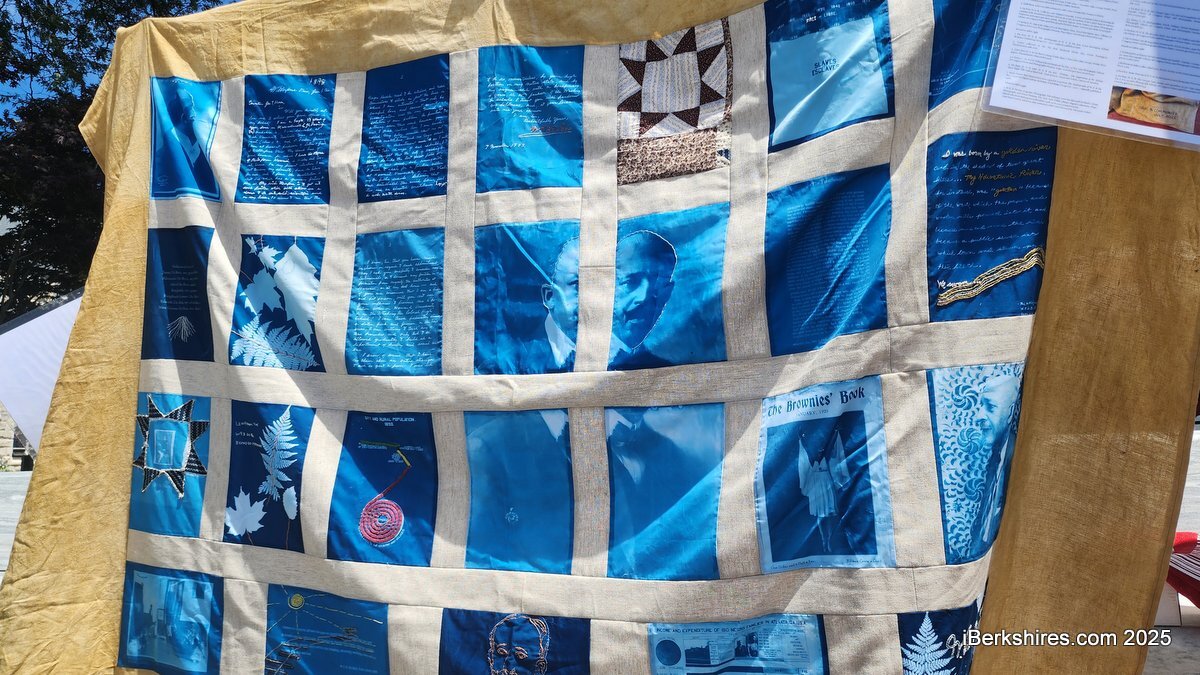
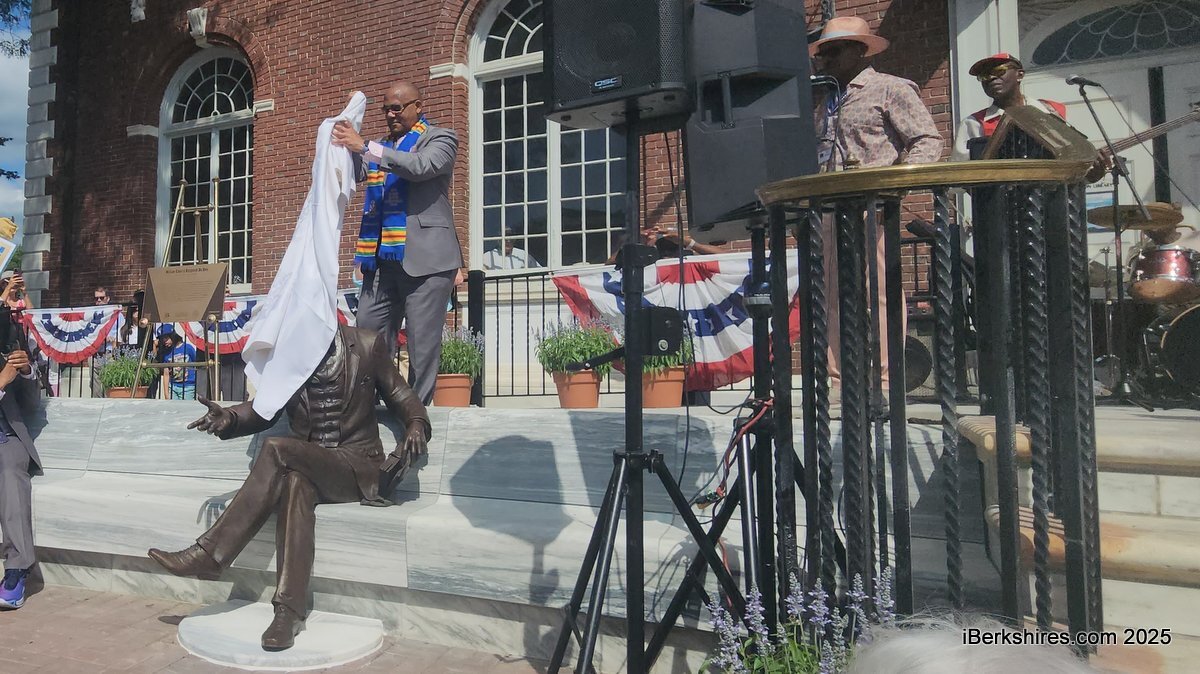
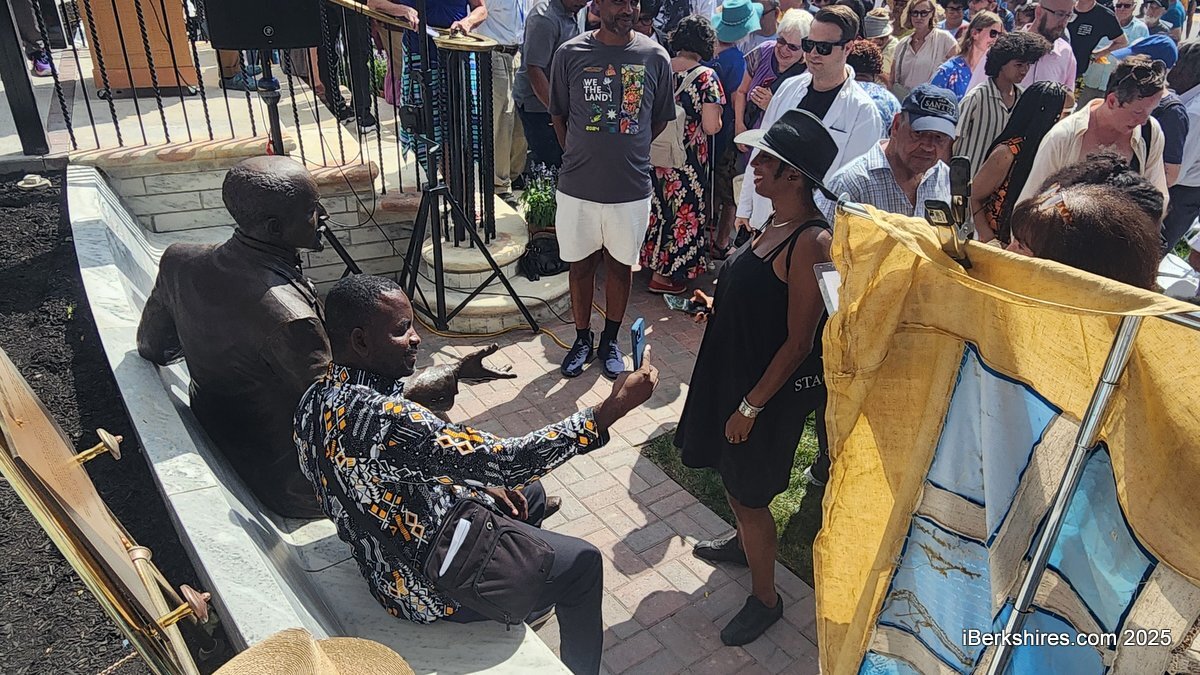
The sculpture, which Blake had said would be his last, spent the two hours hidden behind a quilt displaying his image and his words, and under a cloth. Peck was given the honor of pulling off the cloth to reveal the bronze, which was treated like a star, with phones and cameras going off, and with people lining up who wanted to touch its outstretched hand and sit by its side.
"The significance of this event is that we need to uplift my great-grandfather's radical commitment to justice, that we should be inspired by his courage at the time like this," he said. "What makes Du Bois rare then and now is that he is courageously represented his convictions. In the spirit of Du Bois, may we model the same kind of courage, as he did."
Tags: du bois, sculpture,