Mass Federal Funding Office Starts Outreach in Berkshires
PITTSFIELD, Mass. — The Berkshires were the Healey-Driscoll administration's first stop in federal funds outreach.
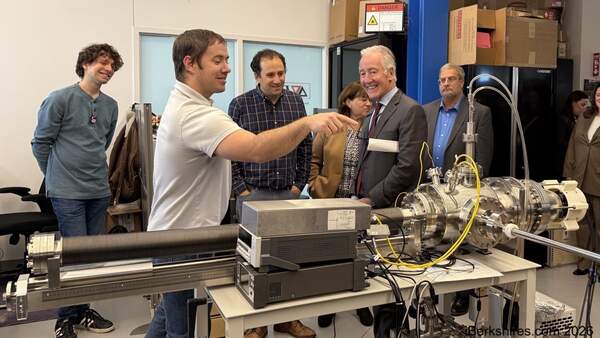
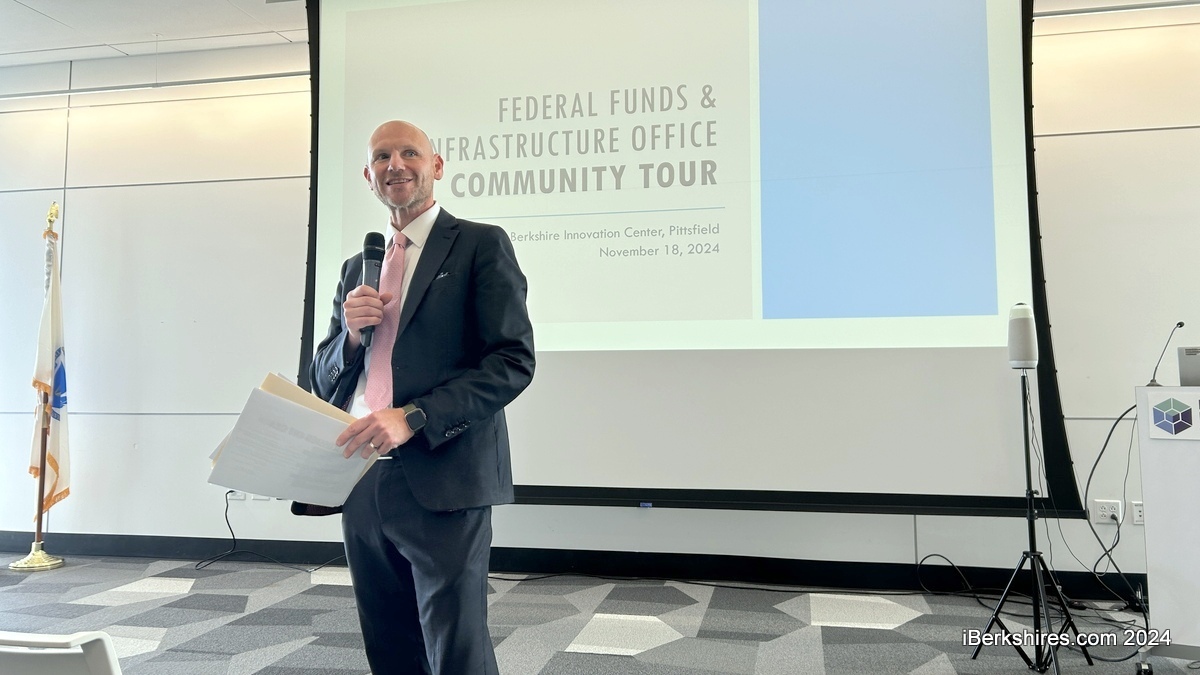
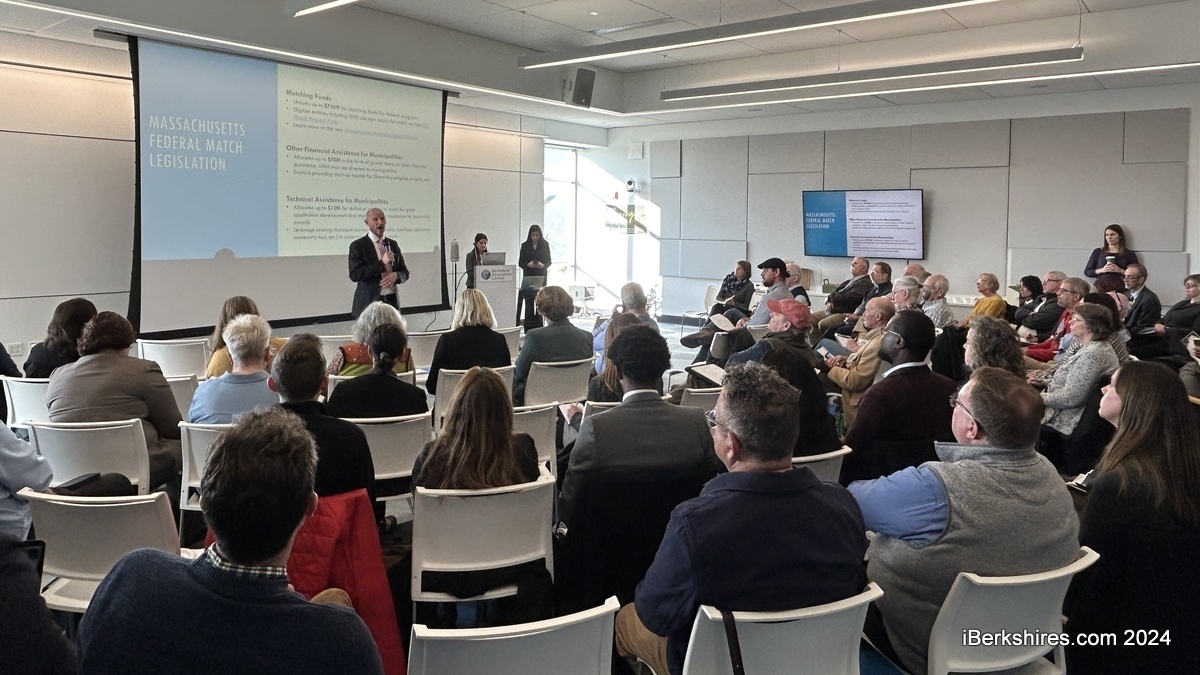
On Monday, the Federal Funds and Infrastructure Office held a community roadshow at the Berkshire Innovation Center. At the first of 12 statewide sessions, attendees were briefed on the office's effort to support communities in leveraging monies from the federal government.
The state has brought in nearly $9 billion in federal dollars is year and Berkshire County, rich in collaboration but not always funding, wants to ensure its share of the pot.
"When Governor [Maura] Healey came into office last January, one of her day one commitments was to ensure that we were being strategic and aggressive and leaving no stone unturned in terms of making sure that we seize these opportunities and direct new resources to committees all across Massachusetts," said Quentin Palfrey, director of federal funds and infrastructure.
"The way that she thought about pulling this together was in the first instance, through an executive order. So she signed an executive order, she created a new whole-of-government effort that was focused on leveraging these new federal resources to accomplish a really ambitious set of priorities across the administration."
He identified the federal Bipartisan Infrastructure Law, the Inflation Reduction Act, the CHIPS and Science Act, and the American Rescue Plan Act as a "really extraordinary moment in American History" for investing in infrastructure. Collectively, these represent trillions of dollars.
The county saw nearly $6 million in federal funds, including $4.67 million to the Berkshire Regional Transit Authority through the Low or No Emissions Grant Program for hybrid buses; nearly $199,000 to the Berkshire Regional Planning Commission; and more than $310,000 for Pittsfield in Safe Streets and Roads for All funding; and another $750,700 to North Adams through the Reconnecting Communities Pilot program for rural planning.
The newly created office consistently heard that communities want to bring in federal funds but struggle with jargon, various silos, overwhelming nuances, and a lack of resources to match the applications.
"The Berkshires is a place where we are collaboration rich and we tend to be match poor," 1Berkshire's Vice President of Economic Development Benjamin Lamb articulated to a room of nodding heads.
The Federal Funds Partnership, led by the FFIO, meets every month. Palfrey explained it as an effort to ensure these opportunities are accessible and digestible and that a bridge is provided between experts within the federal and state governments to unlock resources.
Monthly emails digest opportunities that the partnership feels are most actionable and the partnership hosts an hour-long Zoom meeting including subject matter experts, which he reported is often attended by hundreds of people.
The statewide community tour is a way for the office to supplement the visual engagement and hear from residents and stakeholders in-person. It began on the westernmost end of the state.
"We decided to come to Berkshires first because we really, really care about this area and really appreciate our partners out here helping us organize this," Palfrey said.
The state has a $9 billion "rainy day" fund that accrues a significant amount of interest and Healey has dedicated three years of the interest to support competing for federal grants. Less than two months ago, the federal match legislation was signed into law after being passed unanimously by the House and Senate.
This allocates $750 million for federal matching funds, $50 million for financial assistance, and $12 million for technical assistance.
"Our hope is that this can really breathe life into a lot of these local projects," Palfrey explained.
Lamb said the accessibility of the FFIO goes above and beyond when it comes to federal opportunities.
Last year, 1Berkshire applied for the U.S Economic Development Administration's Build to Scale program and was not accepted. With help from the office, the organization was able to apply this year with more gumption and a hopeful positive outcome.
"They obviously have to do their due diligence, but they really did want to work with us. They wanted to make sure that they're spreading these resources equitably across the state, that they're taking everything into consideration," Lamb said.
"If you have a really good case statement to make, they are there to help you, whether it's the technical assistance or it's the actual seeking of dollars to put towards your application and again, this tackles those perennial issues that, especially in rural communities like we have here in Berkshires around not being able to come up with local match either from our municipalities or from our private sector. This is a huge tool in the toolbox now that, until recently, we didn't have that gas in the tank."
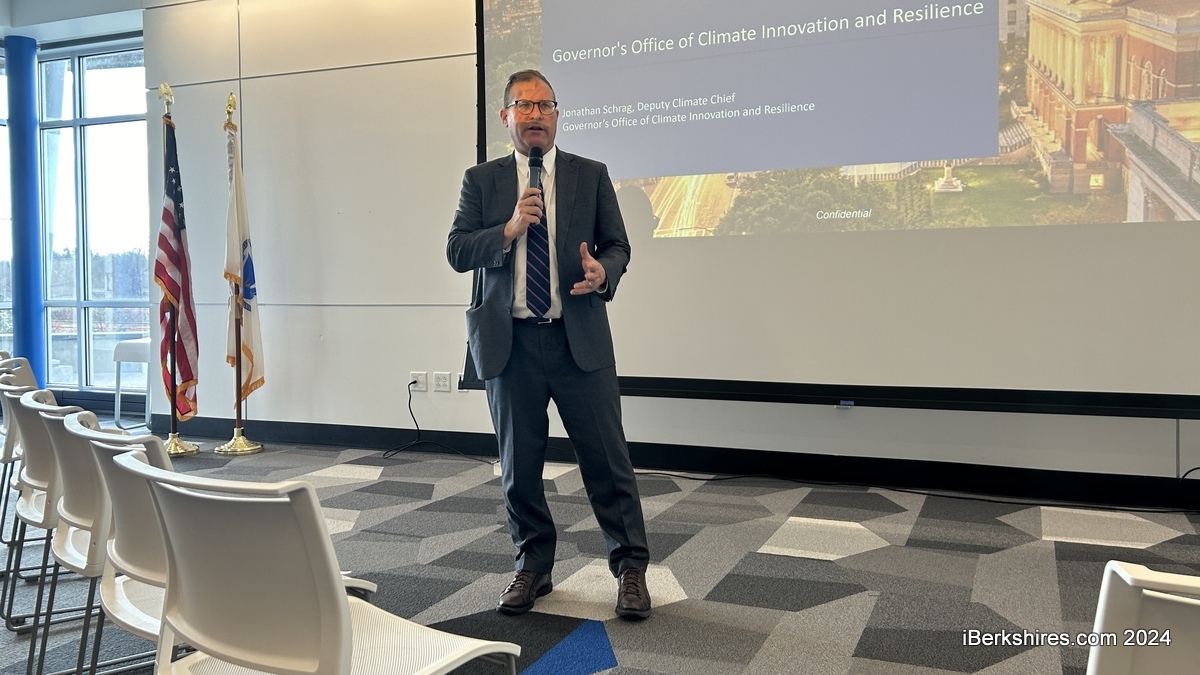
Jonathan Schrag, deputy climate chief in the Office of Climate Innovation and Resilience, spoke about Direct Pay. Under the Inflation Reduction Act, tax-exempt and government agencies can receive as much as the full value of a clean energy project through tax credits.
"Bottom line, the IRA has created a new program to deliver cash refunds to municipalities in the state for certain clean energy projects," Schrag explained.
"You get the projects done, you file a new form, you get 30 to 40 percent of the money back."
The most common credit is the Investment Tax Credit, which is calculated on a base credit of 6 percent on the investment basis of the project. Low-income communities can receive a 10 percent to 20 percent bonus and energy communities get a 10 percent bonus.
"Beginning in 2026, assuming that there would be a change, that the IRA might be revoked the first day of the new administration. If that were to happen, then that would most likely, and every conventional legal analysis says, the earliest that could take effect would be Jan 1, 2026, the next tax year," Schrag clarified.
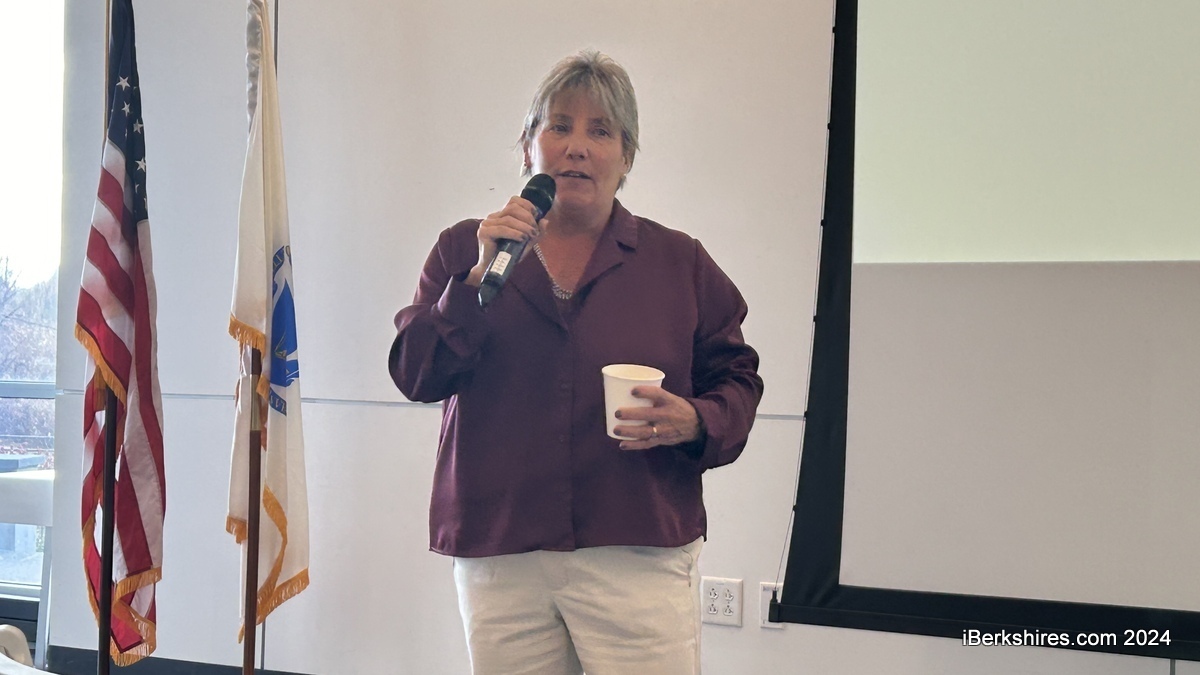
During the Q&A portion, representatives from rural communities expressed concern over accessing federal funds. Director of Rural Affairs Anne Gobi urged these communities to keep her in the loop when applying for funding.
"If you're thinking of applying for a grant, make sure you let me know too because it's really helpful so that we can give some extra support from our office," she said.
"And just to make sure that Quentin and his team know about it as well, regardless of what it is, if it's a federal grant or not, let me know so that we can be there to be supportive to you."
Tags: federal funds,