Dalton Historical Enters First Phase of Establishing 2nd Historic District
DALTON, Mass. — The Historical Commission has embarked on the first phase of establishing its second historical district.
During last week's meeting, co-Chair Louisa Horth brought three maps of the proposed district, which would run from the cemetery on Park Avenue down to Depot Street.
She recommended dividing the proposed district into multiple sections and assigning each section to specific commissioners.
The commission is responsible for taking pictures of every building within the district that meets historical status. On the back of each photo, they need to include the building's historical significance, the year it was built, and the type of architecture, Horth said.
The commission can use the state's Cultural Resource Information System map, which shows some of the area's historic buildings, to help during the process, Commissioner Nancy Kane said.
Once this phase is complete, the commission sends all of this information to the Massachusetts Historical Commission to review and continue with the next phase where it can hire a preservation specialist.
Horth forewarned that this phase will take some time, so members may need to request an extension for the $5,000 state cultural grant. The Cultural Council awarded the commission the grant so it could hire a preservation specialist.
It also has funding from a $15,000 matching grant that was approved during a town meeting in May 2022 for the establishment of the second and a third historic district.
At the town meeting, the Historic Commission estimated that establishing the next two districts would cost $30,000.
When the commission decided to lower the scope of the project in June, it was determined it would cost $10,000 to establish each district.
The commission originally planned on establishing the Main Street Corridor Historical District and the third district, East Main Street, simultaneously but decided it would be easier to establish them one at a time.
Using the $5,000 from the state cultural grant will allow for a matching amount of $5,000 from the town, which will be used to establish the Main Street Corridor Historical District,
The commission can not hire a preservation specialist until Massachusetts Historical reviews what it gathers in its first phase and determines that the district has a substantial enough historical significance to be considered a district.
In other news:
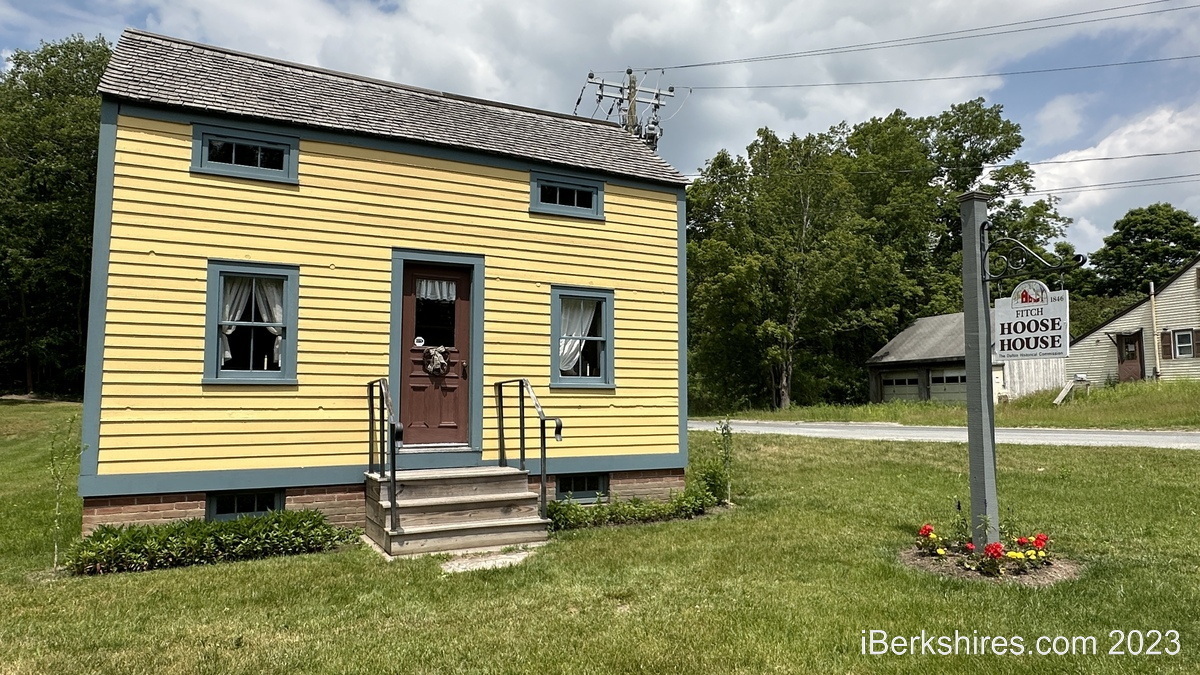
• The commission voted to appropriate $484 from the town account to be utilized for 500 Fitch Hoose-House brochures. It hopes to distribute the brochures at various locations, including the libraries and the Du Bois Freedom Center.
The funds could come from supplies line item in the commission's budget, Horth said.
She will communicate with Town Accountant Sandra Albano to ensure the purchase can be made using the town account.
The commission has $2,923 left in this year's budget, which needs to be spent by July 1.
Kane also noted that the more the commissioners promote the Fitch-Hoose House, the more donations they may receive from visitors because of the increased traffic.
Tags: historic district, historical commission,