Adams Marks 250 Years of the Declaration With History, Hope and Look Toward the Future
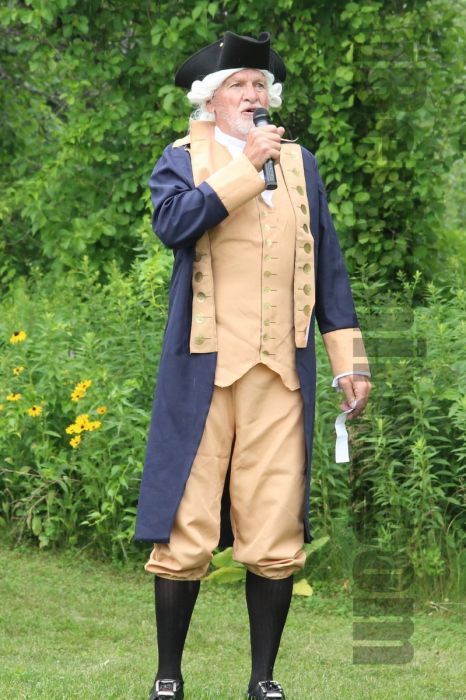
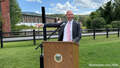
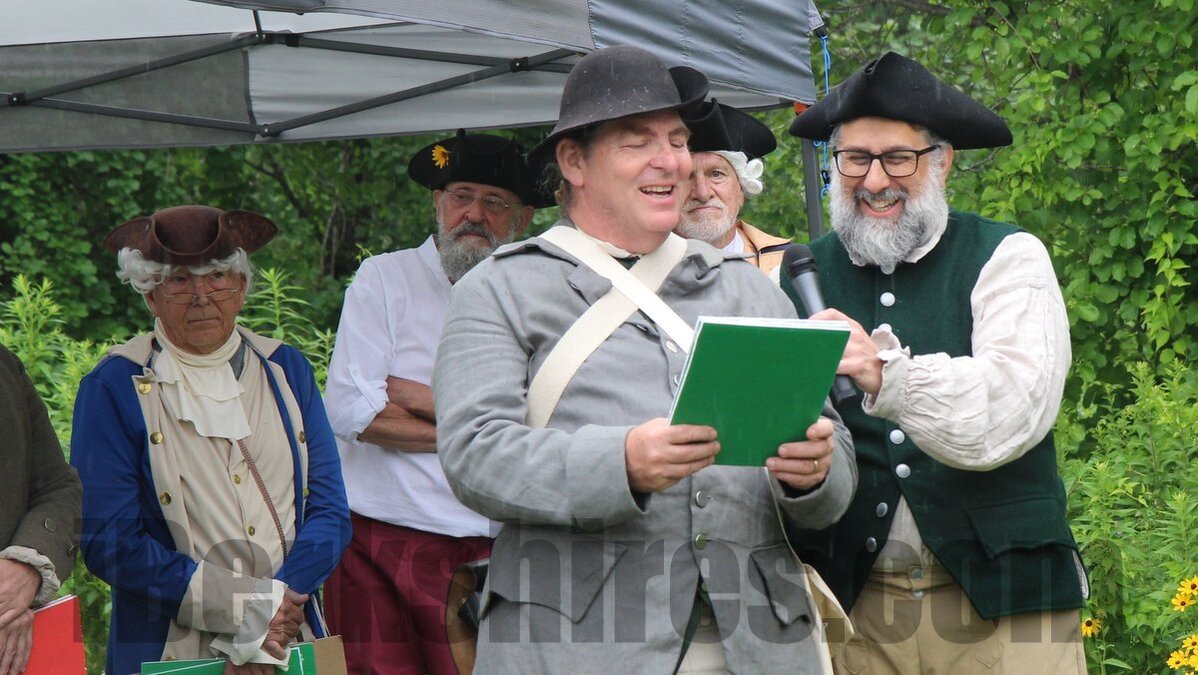
George Washington (Joseph Nowak) addresses the gathering at the Greylock Glen. See more photos here.
Now 250 years later, the reading not only stands as a reminder of the country's history but also serves as a beacon of hope for change.
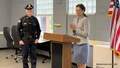
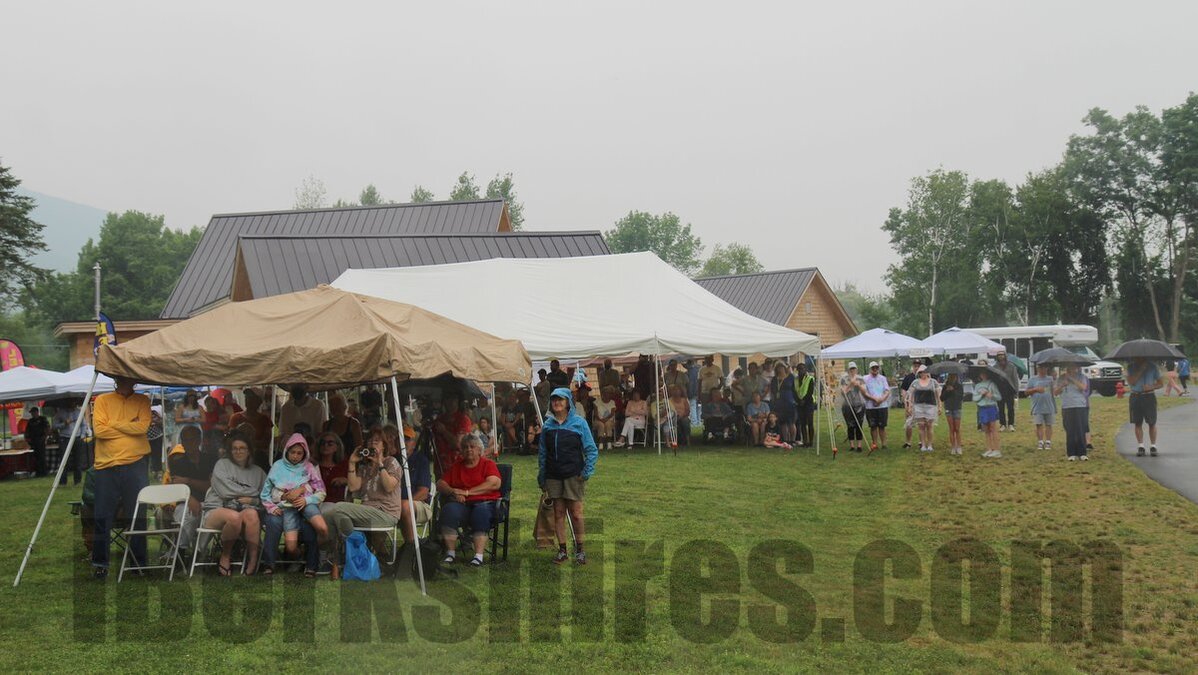
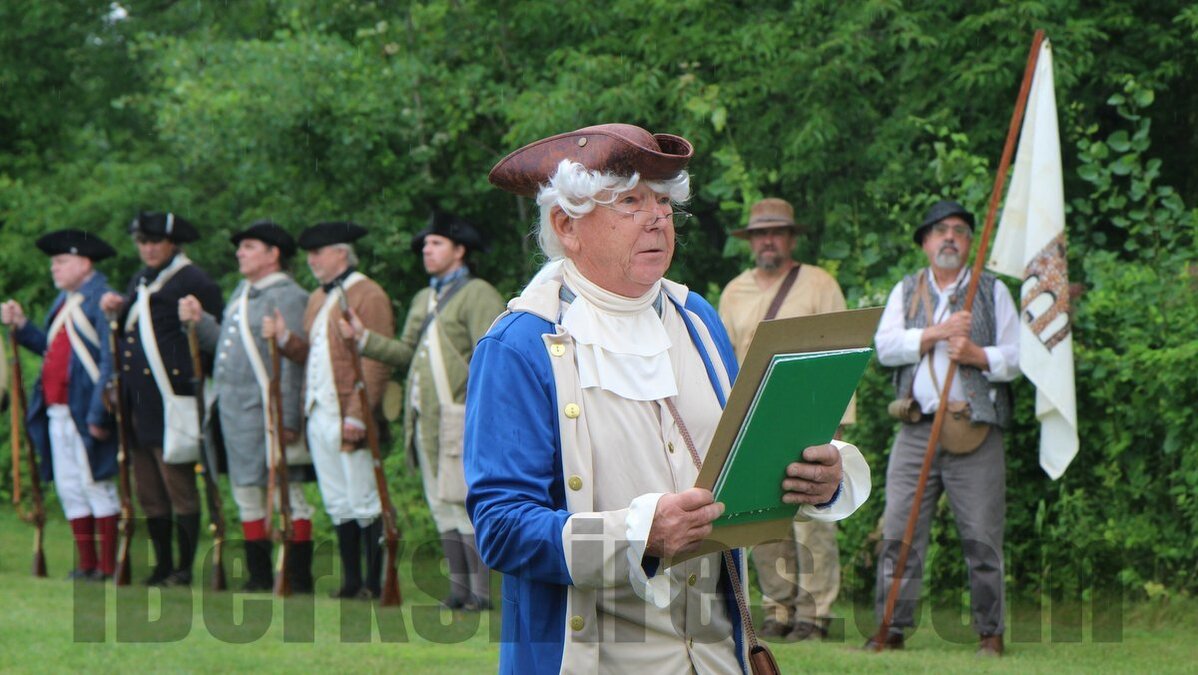
On Saturday, hundreds of people gathered at the Greylock Glen Outdoor Center, nestled at the base of Mount Greylock, the tallest mountain in all of southern New England. The clouds rolled over and rain came pouring down but that did not dampen the voices of the people.
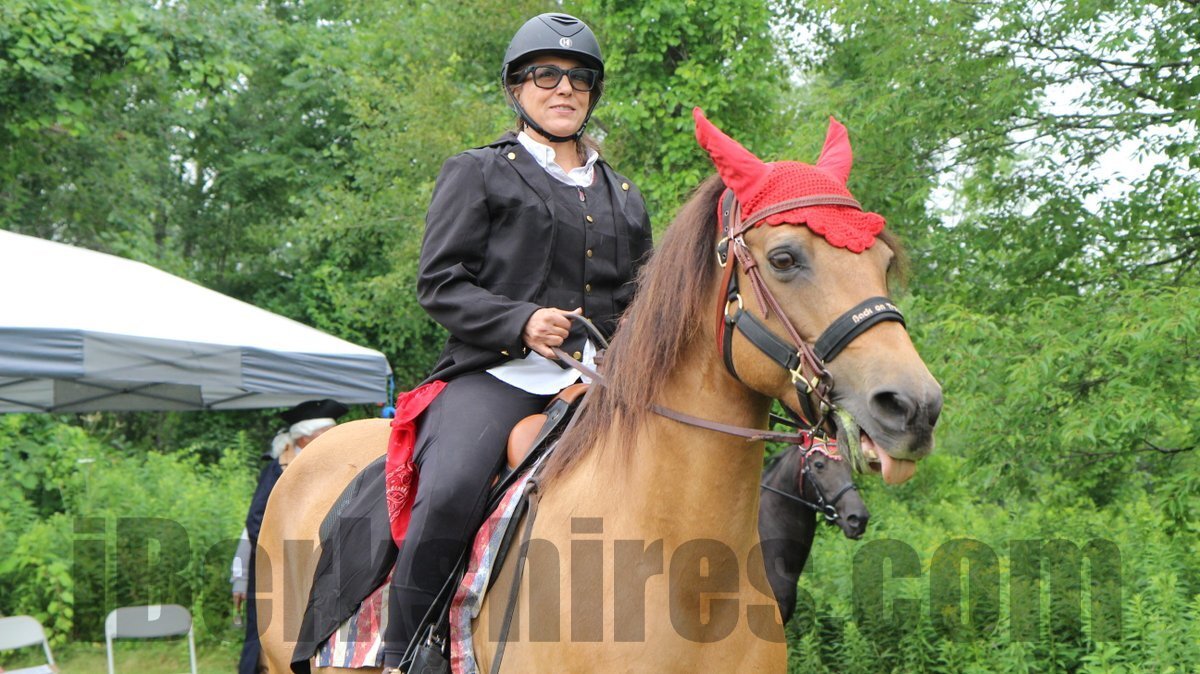
Dressed as George Washington, Selectman and Adams 250 committee founder Joseph Nowak was handed the Declaration of Independence, by two horsewomen played by Kathy Foley and Donna Digrigoli of Aisling Mountain Farm.
Sections of the Declaration were read by resident Christian Rowe; re-enactor Michael Duncan Smith; retired historian Barry Emery as Thomas Jefferson; and the Stafford Hill Boys, Ken Milman and Ed Chase, who are descendants of Deacon Stephen Carpenter, who fought in the Battle of Bennington.
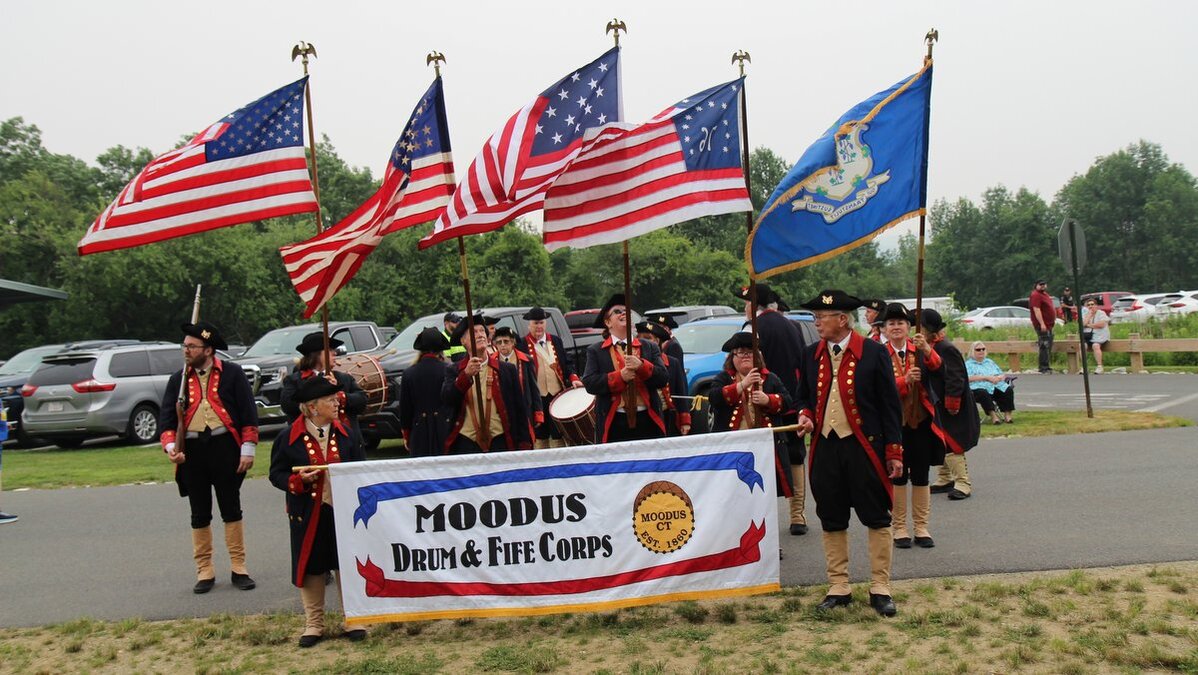
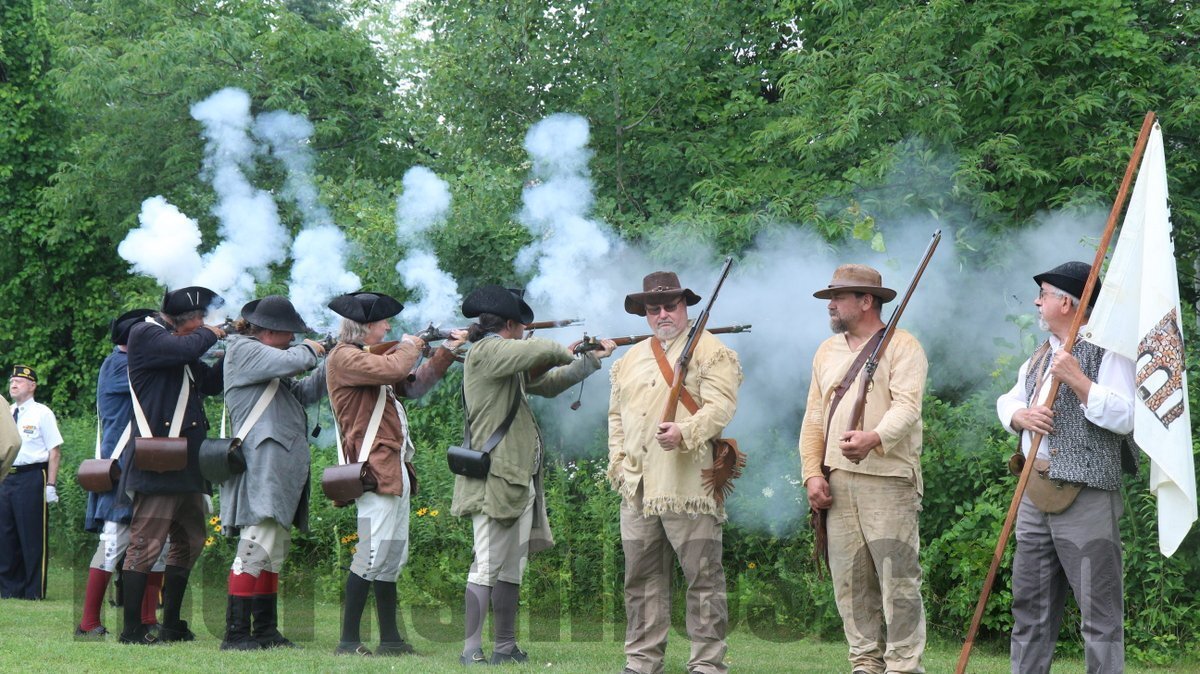
As it was read, history and the present stood together, with reenactors dressed in period clothing alongside Adams American Legion veterans, dressed in modern day regalia — a demonstration of how history and present are forever intertwined.
"We were given the roles of speaking the grievances, and the original writers of the Declaration made it very clear that it was the duty of the people to petition in redress for grievances against the governing authorities," Chase said.
"And I feel like we as Americans need to be reminded of that duty — that we have to continually petition for the redress of grievances, which was also included in the First Amendment."
A lot of the grievances raised in the declaration are concerns people still have today, from concerns about what a head of a civilized nation should act like to the breakdown of the justice system, the re-enactors said.
The audience members applauded during several sections of the Declaration that rang true to them.
Smith, who came to the ceremony from Reading, is a culinary historian who has been educating people on American history and food at in-person events and online at "18th Century Cook."
"As a living historian, I love that there are living documents like that that can continue to teach us … I think the idea of standing up for what you believe in — what you believe is right — is kind of what they were after, and what we have to take away from now," he said.
"You have to keep fighting, not necessarily with muskets, but with the ballot box or writing, or for me, I'm just an artist cooking on the internet, but I do try to show everyone's history … selfishness pervades in America today, and I think that's not something that people in 1776 would understand."
It's important for people to be informed of their history but also what is happening in their own communities to create a better future, Rowe said, highlighting his recent involvement in Adams, particularly as a member of the Planning Board.
The event also stands as a beacon of hope that the country will overcome the rough times it is in, just as it has done before, during the Great Depression, wars, and other times of turmoil, Milman said.
In 1776, communities gathered together raising buildings and making change — this community-feel is something Smith hopes to see return.
Whatever your political beliefs, historical events like this do just that. Milman said.
"You're not alone. That's the good thing about. Hopefully, you meet other people and you realize that if you talk about it, people will get together, and then you can get things done once," he said.
"One person can't do anything. You can be free and independent, but you won't be able to help your neighbors be free and independent. And if the government decides that they want to take away your liberty, if your neighbors aren't there to help you, they'll take it away."
Hopefully this event will inspire the next generation to continue to keep the dream and spirit of the Declaration of Independence alive, speakers said.
Inside the Outdoor Center, attendees explored educational exhibits that connected the past with the future. Among them was a presentation highlighting the eastern woodland peoples of the 18th century, as well as a time capsule station where visitors were invited to leave messages for future generations.
The capsule will be reopened 25 years from now, offering a glimpse into the community's reflections during the nation's 250th anniversary.
During past historical celebrations, the role of indigenous peoples in shaping the American story has not always been represented or fully acknowledged, said Drew Shuptar Rayvis, of the Pocomoke Indian Nation.
"The American story is an indigenous American story," he said.
"American history starts with American Indian history as well," added Dan Shears, of the Nulhegan Abenaki tribe.
The 250 celebration marks the start of a more inclusive representation of history, they said.
"The bicentennial was a start but the problem was with the bicentennial, it was a very bifurcated conversation. It was really very little inclusion, and I think with the 250th, I've seen a lot more inclusion," Rayvis said. "People have been really asking for these stories, and they've admitted and they've come to terms with that America and the country that we live in was founded, created, and is lived in by Indigenous Americans.
"American Indians have fought in every conflict since the colonial wars, and they continue to serve at one of the highest rates in the United States military, and it's a fact that we need to know and we need to learn."
Tags: anniversary, bicenquinquagenary, Greylock Glen,