Dalton Voters to Decide Moveable ADUs at Special Town Meeting
DALTON, Mass. — It's time for voters to decide if they want to permit mobile accessory dwelling units in town and a special town meeting has been set to do just that.
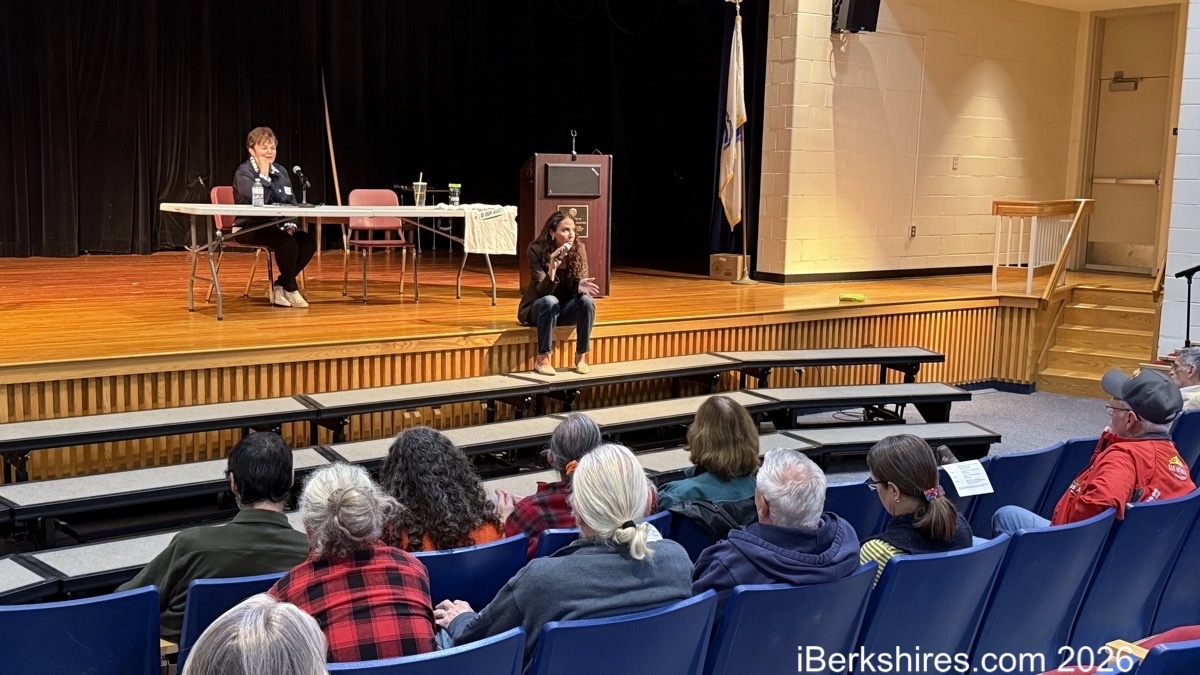
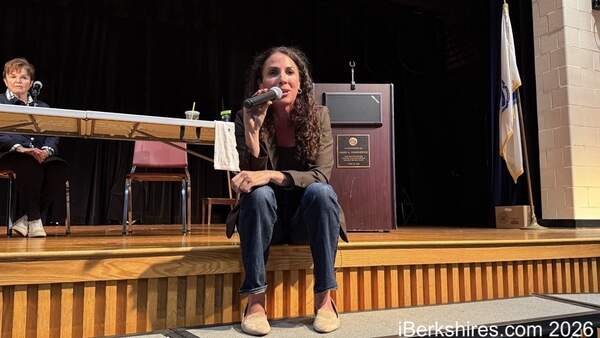
For more than two years, Amy Turnbull has been advocating to amend the town's current bylaws to allow mobile tiny homes but has met obstacles delaying the effort.
On Monday, June 29, at 7 p.m., voters will convene at Wahconah Regional High School to decide on the topic, and four other items centered around funding for the Clean Air Committee and the town's Department of Public Works roof repair project.
Turnbull initially presented this item at the annual town meeting but it was "tabled" so a public hearing could be held.
Like many meetings before, this hearing resulted in little movement as the Planning Board decided to neither support or oppose the proposed bylaw.
During the signing of the warrant, Select Board member John Boyle expressed his hesitation about placing this item on a special town meeting warrant, citing historically low attendance at such meetings.
"It's very important and going to be a very controversial thing … Important issues should be at an annual town meeting," he said.
The town has a legal obligation to put this on the town meeting warrant, Town Manager Eric Anderson and fellow board members said.
"The applicant has put in much time and effort over the years, and I don't think the applicant should be denied her right in public meeting," Select Board member Antonio "Tony" Pagliarulo said.
The Planning Board didn't raise any concerns by deciding to neither oppose or support the item, he said, adding that he wished they had taken a vote but, "It's their prerogative they chose not to."
"The planning board ignored it, Boyle said.
This is our job to put it in the voter's hands and hopefully enough people will get out and vote, Chair Robert Bishop said.
The item, listed as Article 5 and 6, on the warrant, would make the structures allowed by special permit, subject to specific requirements.
Article 5 amends the town's bylaws to include the definition of a movable tiny home as "a transportable structure built on a chassis designed for year-round living."
The article outlines that to qualify for a special permit, the unit has to meet the following conditions:
- requires site plan review,
- is licensed and registered with the local Registry of Motor Vehicles,
- meets the American National Standards Institute A119.5 or National Fire Protection Association 1192 safety requirements,
- is certified by a manufacturer or third-party inspector for ANSI or NFPA compliance and
- the International Residential Code Appendix Q;
- cannot move under its own power,
- the undercarriage (wheels, axles, tongue and hitch) shall be hidden from view,
- is secured by ground anchors that meet weight and height requirements
- must sit on a level gravel or paved surface.
The bylaw amendment goes on to say the structure must be served by an approved energy and water source and wastewater system and have no less than 150 square feet of habitable living space and no more than 400 square feet.
This maximum size restriction is excluding lofts, projections from bay windows, open desks, porches or exterior utility and storage compartments.
The bylaw requires that the unit be designed and built using conventional residential building materials to any single- or two-family dwelling.
Article 6, would amend the town's Accessory Dwelling Unit bylaws to add "a movable tiny house" to the definitions following "a unit that is part of an accessory structure," and before "or a unit that is part of an expanded or remodeled primary dwelling."
During the Select Board meeting, Turnbull requested two amendments to the articles. For Article 5, she requested that "requires site plan review" and "and the International Residential Code Appendix Q" be removed.
"The first strike-through is to correct that placement of where the special permit should be," she said.
The special permit is in the wrong place, it's a definition, and under state law, definitions are not supposed to contain a "use," Turnbull said.
She explained that, as she understands it, site plan review is already included in the special permit process, enabling town officials to ensure compliance with required standards, so shouldn't be included in the definitions.
"And the second strike-through is a means of letting the inspection of a tiny house remain with ANSI or NFPA certification either by a manufacturer or a third-party inspector."
Turnbull explained that she has sent Building Inspector Brian Duval an agency, National Organization of Alternative Housing (NOAH), which uses a combination of ANSI and state code, and likely Appendix Q.
"So, I didn't want to dirty the waters," she said.
The Select Board agreed not to make these amendments because it had not been reviewed by an attorney and said these changes can be made with a motion at the special town meeting.
Article 1 is requesting voters authorize amending the vote taken on Article 3 for the May 4, 2026 Annual Town Meeting allowing the town to increase or decrease funding for one or more departments for the fiscal year beginning July 1, 2026.
Article 2 requests voters establish a line item for the Clean Air Committee. Subsequently, Article 3, transfers the available funds, that were appropriated at previous town meetings, into the new account.
Lastly, Article 4 requests voters transfer a sum of money, not yet provided, from the Capital Stabilization Fund to cover costs to the DPW's roof repair project that exceed borrowing.
Tags: ADU, special town meeting, tiny homes, zoning,