Pittsfield Subcommittee Supports TIE to Overhaul Historical Building into Housing
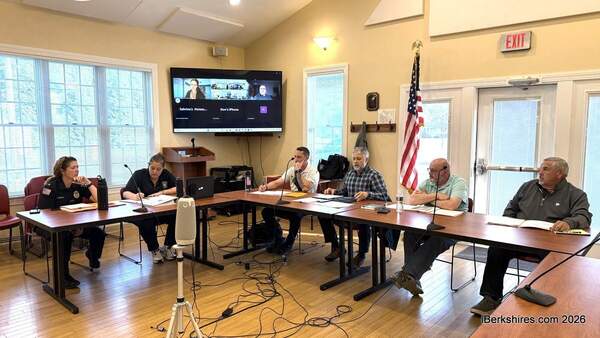
PITTSFIELD, Mass. — The Community and Economic Development subcommittee supports a 10-year tax increment financing agreement for Allegrone Companies' renovation of the former Berkshire County Savings Bank block.
The agreement will be recommended to the City Council on Tuesday.
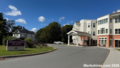
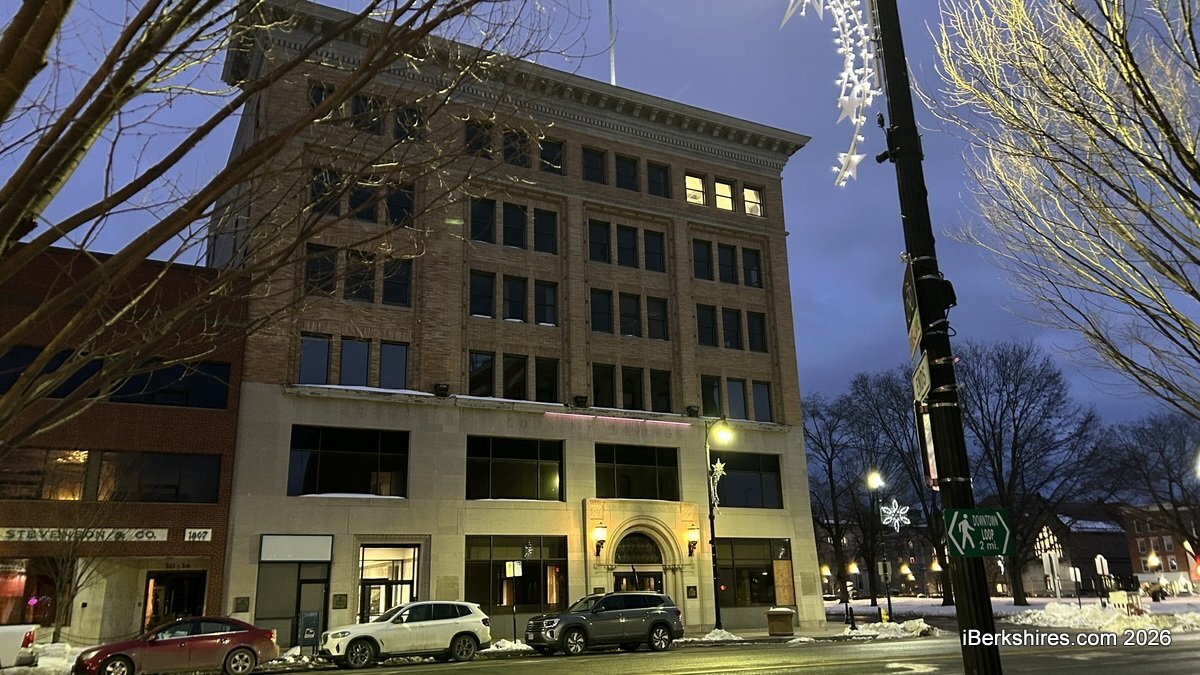
The historic 24 North St. with a view of Park Square has been vacant for about two years, and Allegrone Companies plans to redevelop it and 30-34 North St. into 23 mixed-income units. Last week, the City Council subcommittee voted in favor of a tax increment exemption agreement to assist the project, which is also seeking state funds.
"I do think this is going to make a difference," Councilor at Large Alisa Costa said.
"This and so many other housing projects will make that difference, and eventually we'll have enough housing for everyone at all income levels."
Incremental forgiveness would begin at 100 percent in year one and decrease by 10 percent per year over 10 years. The total estimated capital investment for both sets of apartments is $15.5 million.
The TIF for 30-34 North Street, which is staged for four units of housing and a ground-floor commercial space, would pay out more than $81,000 in taxes over 10 years and save Allegrone about $63,000. The TIF for 19 units of housing and ground-floor commercial space at 24-28 North Street would save Allegrone more than $285,500 over ten years, and the company would pay about $234,600 during that term.
The base value for 30-34 North St. is $202,500, and the base value for 24-28 North St. is $880,000.
Last month, Gov. Maura Healey visited the historic building to announce housing initiatives that are expected to bring more than 1,300 units online. The administration rolled out a Commercial Conversion Tax Credit Initiative and the Affordable Housing Development grant program as ways to aid housing production, both of which Pittsfield will benefit from.
Mayor Peter Marchetti said this sent a message.
"We have this brand-new commercial conversion program, and we're going to come to Pittsfield, Massachusetts, to announce the first list of winners," he recalled.
"And then when you go through the list, $1.8 million MassWorks grants to help with the infrastructure piece, the $1.4 million in the conversion tax credits, the additional monies that we can unlock with state tax credits."
The project was recently awarded $1.8 million from the MassWorks Infrastructure Program.
Vice President Louis Allegrone said the tax credit initiative will hopefully be "very helpful" in this project. The team hopes to see around $3 million from HDIP and has applied for an Underutilized Property Program grant for 34 North St.
The Housing Development Incentive Program was created in 2012 and modeled after the Economic Development Incentive Program for commercial and industrial development. It is available for gateway cities to incentivize market-rate housing, increase residential growth, expand the diversity of housing stock, and support economic development.
Since 2012, 10 Pittsfield housing projects have utilized the program, representing the creation of more than 200 housing units.
"Pittsfield has been an early adopter of the program, and has really utilized it to create new housing units in a very strategic manner," Director of Community Development Justine Dodds said.
A tax increment exemption is the deferral of the increase in real estate property tax from capital investments. Developers must have an approved local TIE to move forward with state tax credits, showing the city is in support of the project.
Dodds said construction costs have become "extravagantly" expensive, and that there are supply chain issues on top of inflation. Building homes in Pittsfield costs the same as building them in Boston, she added, but Pittsfield's rents don't measure up.
"If rents were charged to cover those development costs, they would not be affordable to many Pittsfield residents, so it's really just closing a gap in the funding," Dodds explained.
Anthony Allegrone, the project's principal architect, reported that improvements will cover roughly 50,000 square feet of underutilized square footage in downtown Pittsfield, adding, "Not only is it underutilized, but it's also not fit for occupancy."
The buildings were constructed towards the end of the 19th century, and it needs safety and accessibility improvements, including fire protection compliance, hazmat remediation, structural reinforcement, and replacing the existing HVAC system.
"These projects are extremely difficult to renovate due to being at the end of their life cycle, to say the least, so I hope that's clear," Allegrone said.
Twenty-four North Street is a six-story building, and 34 North Street is a three-story building. This is a historic restoration and preservation project, so the exterior of the former Berkshire County Savings Bank will remain, and the company has been working with the Massachusetts Historical Commission and the National Park Service to meet requirements for adaptive reuse.
Residential units will hug the perimeter, and the core of the building is where a lot of historic elements will be preserved and restored, Allegrone said.
Allegrone Companies is also converting the former Wright Building and Jim's House of Shoes down the street into 35 new rental units, 28 market-rate and seven affordable. This effort is also seeing state support and a tax exemption from the city.
Ward 6 Councilor Dina Lampiasi brought up concerns with affordability, observing that people would have to earn between $90,000 and $100,000 per year to "comfortably and truly" afford the higher rent.
The company reported conducting market studies and pointed out that there is a 20 percent affordability component for people earning 80 percent of the median area income. The Wright Building will be a real-life test coming online in a couple of months, the VP said, and that will inform this project.
Tags: housing, housing development, tax incentive,