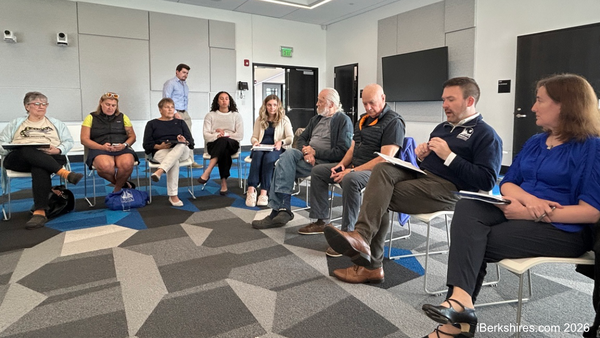
National Caregivers Day, Feb. 20: Honoring the Quiet Work That Holds Families Together
Caregiving often begins with small acts that feel natural and uncomplicated. A family member helps with groceries, drives a parent to appointments, or checks in more often. Nothing about it feels like a burden. It feels like love. It feels like responsibility. It feels like what any decent person would do.
Yet over time, what begins as a few simple tasks becomes a level of financial pressure that no one anticipates. This matters because too often, poverty is framed as a personal failure. In reality, for many Berkshire caregivers, hardship grows directly out of compassion.
What they carry is a moral calling, not a moral flaw.
The first hardship is time. Medical appointments run long. A trip to a specialist in Springfield or Albany can consume half a workday. New medical needs require more frequent supervision, and unexpected issues can change a schedule without warning. For many residents who are paid hourly, each hour spent caregiving is an hour not spent earning income. What begins as a single morning eventually becomes a pattern of missed wages. The caregiver is working as hard as ever, yet income shrinks.
This loss is not a sign of irresponsibility. It is the cost of stepping forward when a loved one needs help.
While income decreases, expenses increase. Caregiving introduces a steady rise in out-of-pocket costs that accumulate month after month. Fuel for frequent trips, copays, prescription medications, nutritional supplements, and incontinence products all add new pressure to a household budget. Heating costs grow because a medically fragile person often needs a warmer home. None of these expenses are optional. They are necessities rooted in compassion and duty.
Electric costs rise even more sharply when medical equipment is required in the home. Oxygen concentrators, nebulizers, CPAP devices, and hospital bed equipment run for many hours a day and cannot be turned off to save money. For many families, the electricity used by these essential machines adds hundreds of dollars to the monthly bill. These expenses accumulate quietly but quickly, stretching budgets past their limits. Once again, the financial strain does not reflect a lack of effort or planning. It reflects a level of care that most of us hope someone will one day provide for us.
As these pressures intensify, the caregiver's role expands far beyond the original intention. What began as helping soon becomes sustaining. The caregiver shops for two households, pays additional bills, coordinates appointments, manages medications, supervises safety, and provides daily support that professionals would normally deliver. Income does not rise to match these growing responsibilities. The family is often left supporting two lives on a single paycheck. No amount of discipline can make the numbers work. The hardship does not stem from poor choices. It stems from doing what is right even when it is costly.
Employment often becomes difficult to maintain. A fall, a medication issue, or a sudden change in condition can interrupt a workday at any moment. Employers may try to be understanding, but repeated interruptions make full-time work increasingly challenging. Once hours become inconsistent, bills fall behind. Heating oil is stretched longer than it should be. Car repairs are delayed. Credit cards fill the gaps. Late fees pile up.
These struggles are not the result of negligence. They are the direct consequence of answering a moral responsibility that leaves no room for predictability. It is a reality that many BCAC employees themselves have quietly carried over the past 10 years, balancing their commitment to this community with the same loving responsibility they show their own families. Their experiences are what brought this message to the page.
Employers can play an essential role in easing this burden. A caregiver is often balancing two full-time responsibilities, and without workplace understanding the strain becomes overwhelming. Flexible scheduling, remote work options, and the ability to adjust hours without penalty allow caregivers to respond to urgent medical needs without risking their jobs. Just as important is a workplace culture that views caregiving as a moral commitment rather than a lack of dedication to work.
When employers offer empathy, avoid punitive attendance policies, and allow the use of sick time for caregiving tasks, they prevent a temporary crisis from becoming long-term financial hardship. These actions strengthen the entire workforce and honor the reality that caregiving is an act of compassion that deserves support.
Massachusetts has created programs that attempt to recognize this reality, including the Personal Care Attendant Program and Adult Foster Care, which allow certain family members to receive modest compensation. The pay is low, often around thirteen dollars per hour or even less through monthly stipends. This does not replace the income lost when a caregiver reduces or leaves outside work, but it does acknowledge that caring for a loved one is real work and deserves recognition.
Caregivers hold families together. They do it quietly and faithfully, often at great personal cost. When we see caregiving clearly, we also understand that hardship is not a sign of weakness. It is often the direct result of compassion, duty, and love. Supporting caregivers with energy assistance, food programs, rental help, transportation support, respite care, and flexible workplace policies is not charity. It is a community's way of honoring those who choose compassion over convenience and ensuring that no one who steps forward to care for another is ever left to carry that burden alone.
Deborah Leonczyk is executive director Berkshire Community Action Council.
Tags: BCAC,