Healey Announces Housing Development Supports at Former Pittsfield Bank
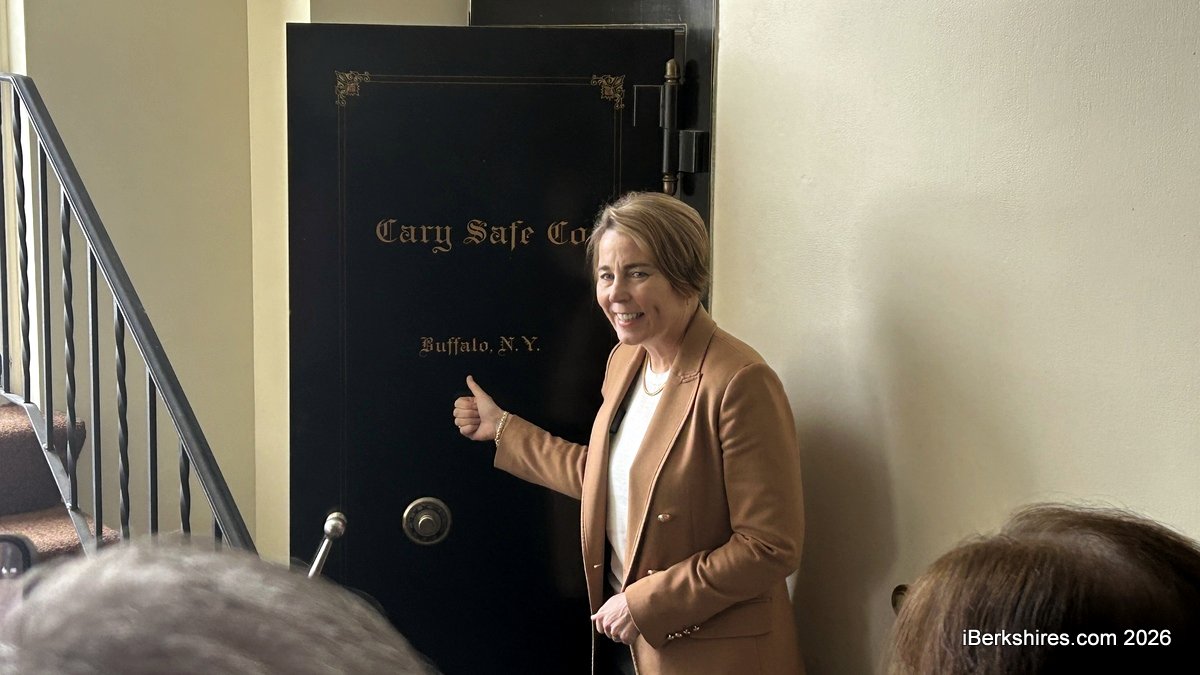
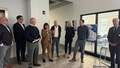
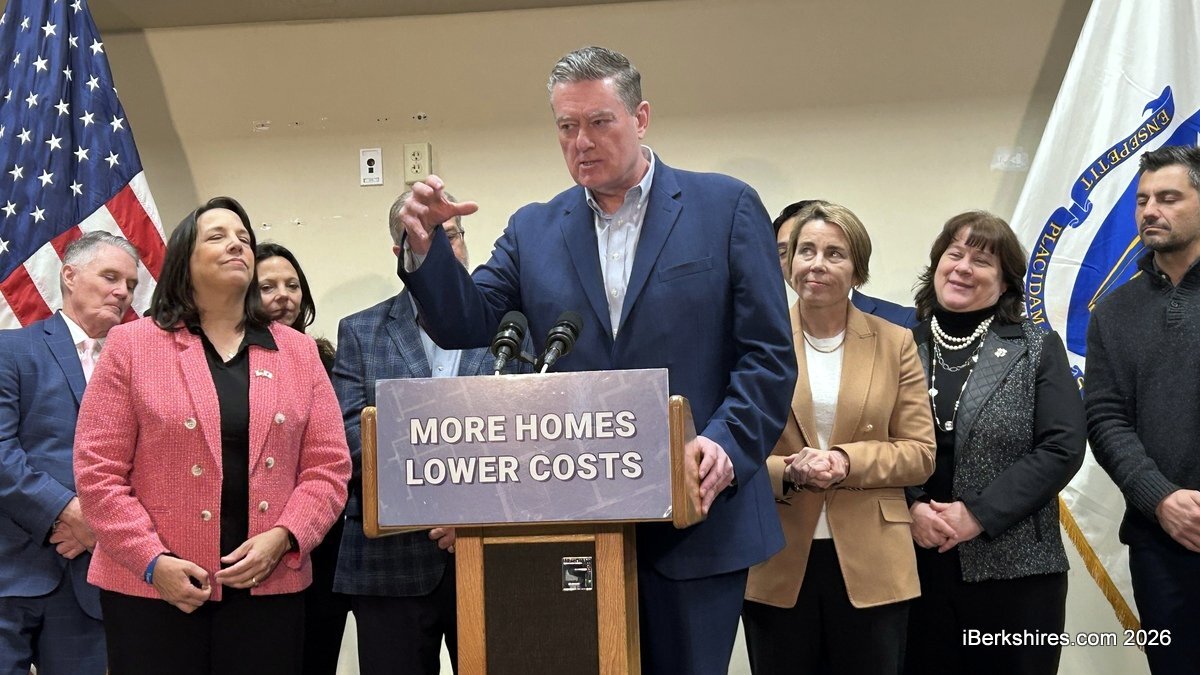
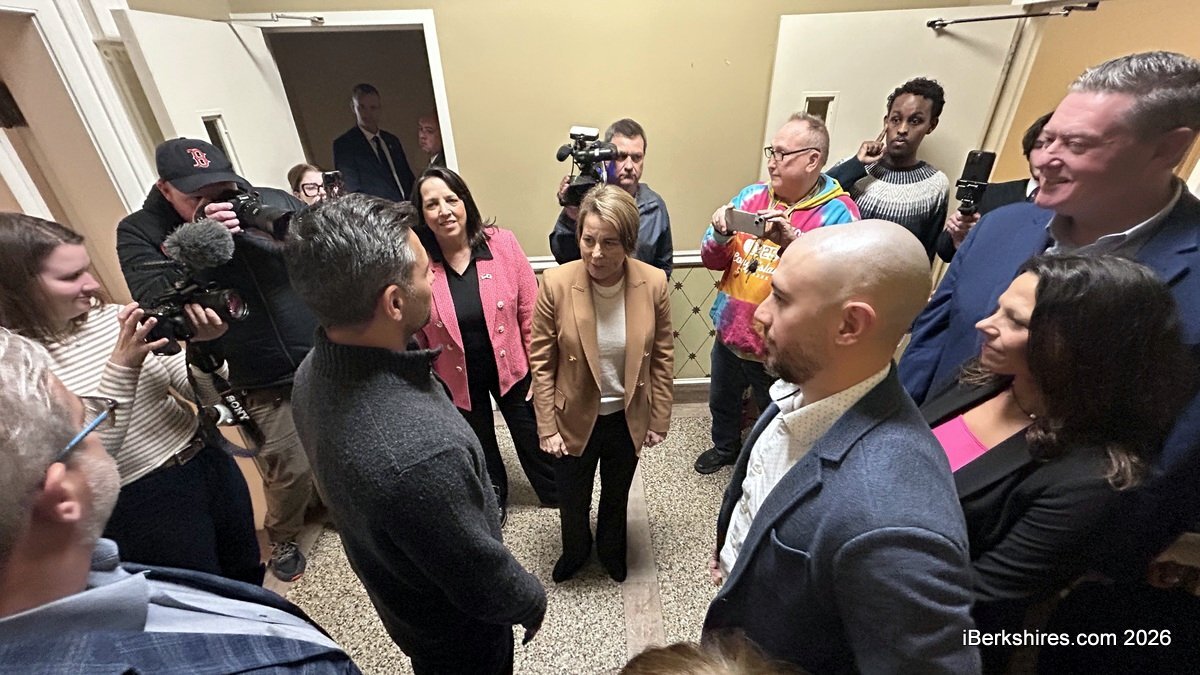
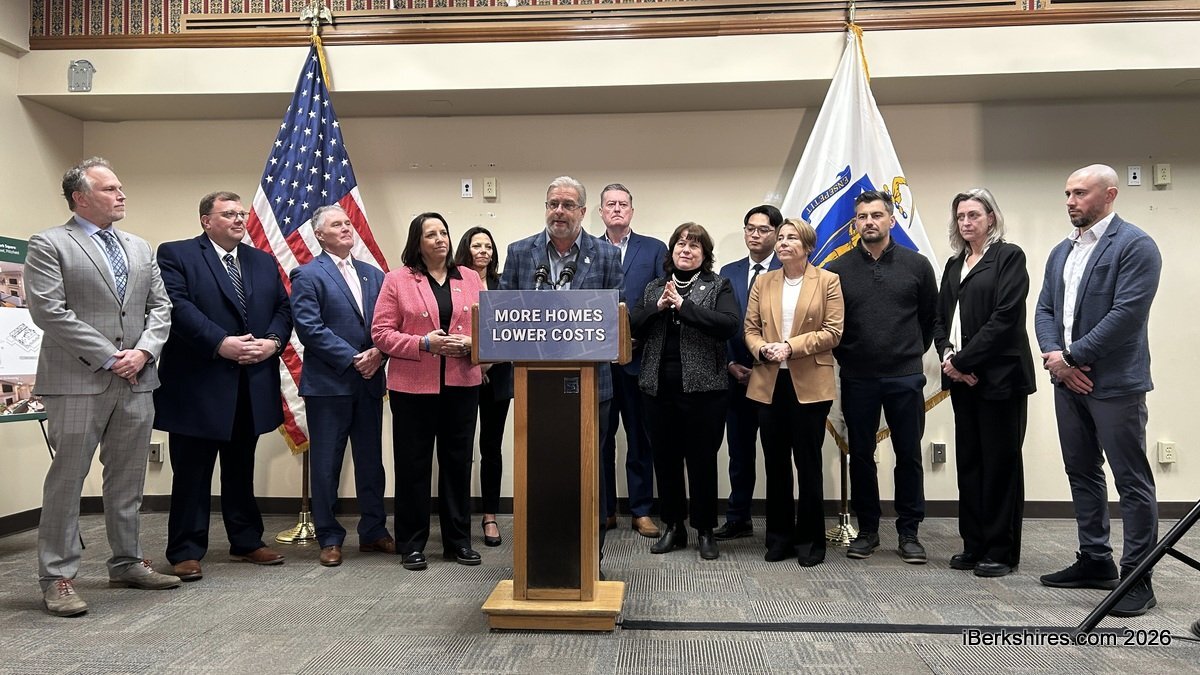
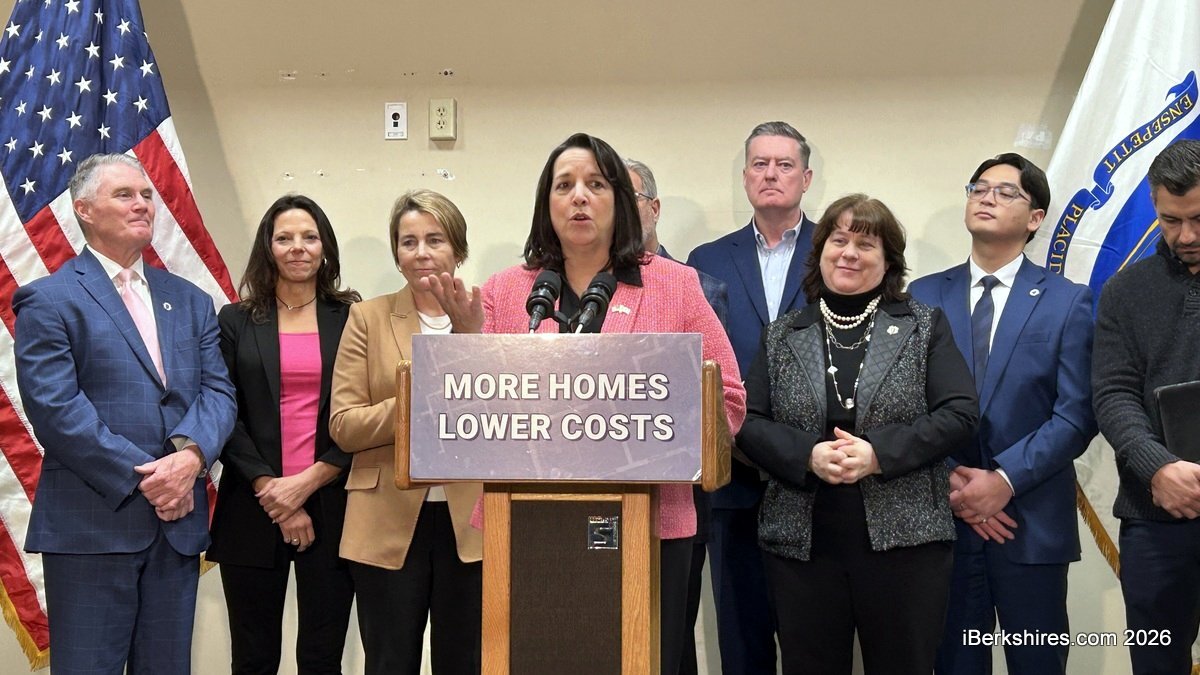
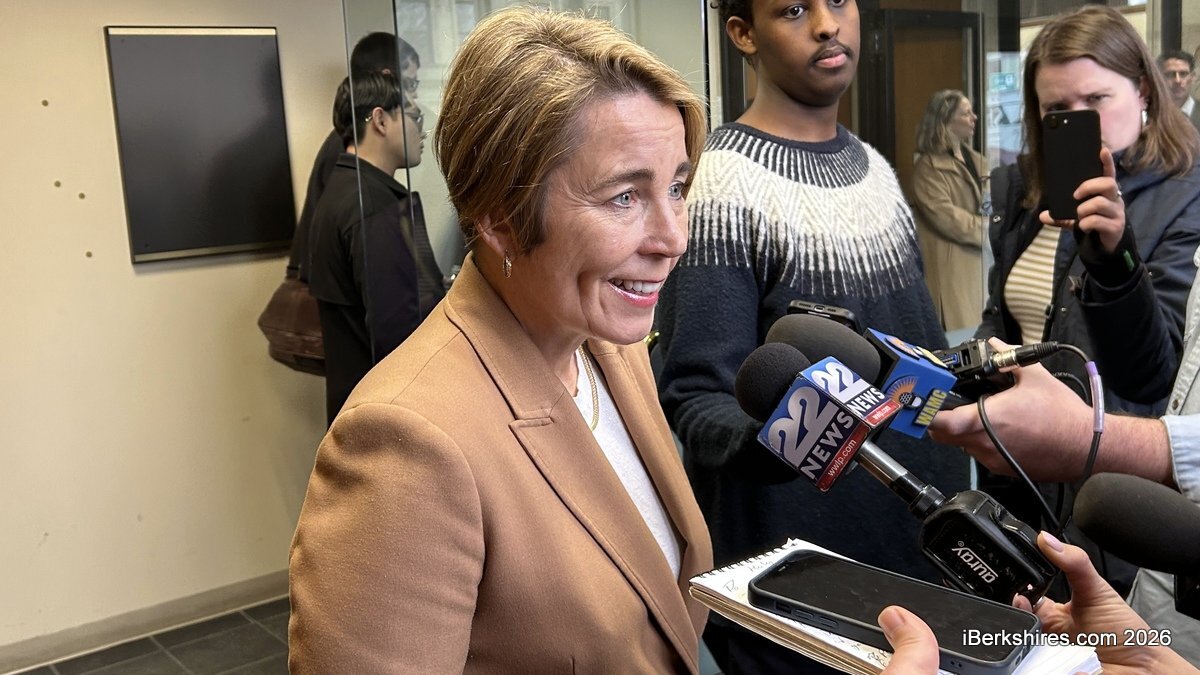
PITTSFIELD, Mass. — Gov. Maura Healey stood in the former Berkshire County Savings Bank on Tuesday to announce housing initiatives that are expected to bring more than 1,300 units online.
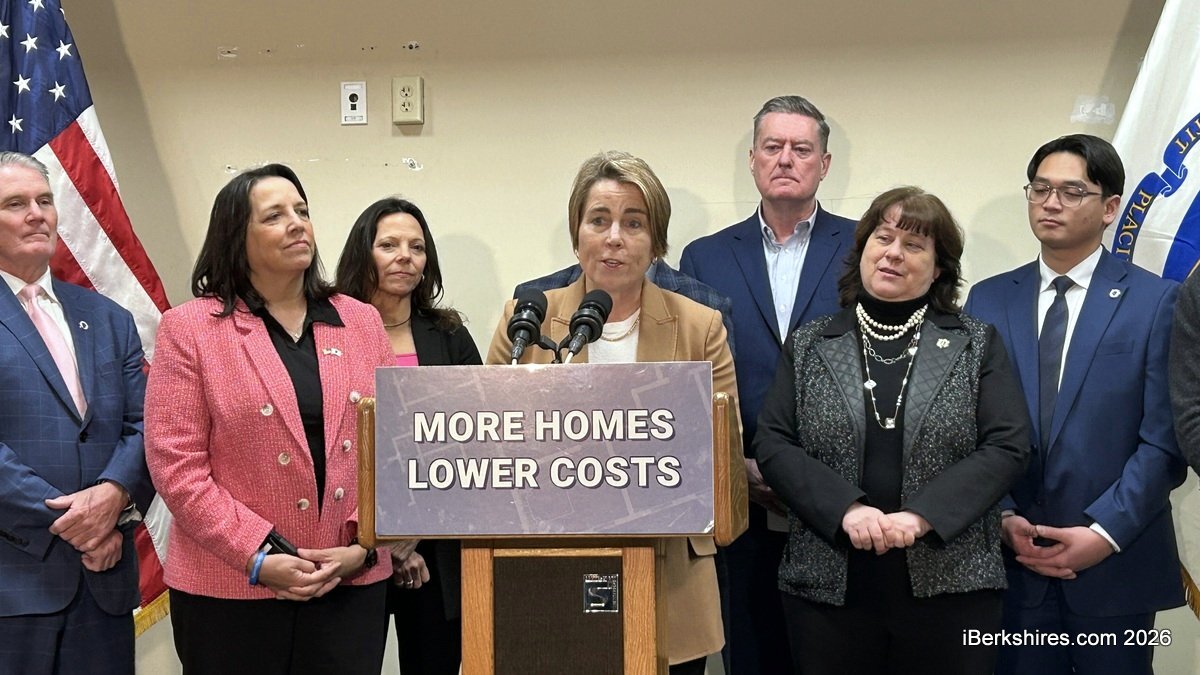
"People come here from all over the world. We want them to stay here, and we want kids who grew up here to be able to afford to stay here, but the problem is that for decades, we just weren't building enough housing to keep up with demand," she said.
"And you guys know what happens when there isn't enough supply: prices go up. We have among the lowest vacancy rates in the country, so against that challenge, we made it our priority from day one to build more homes as quickly as possible."
Approximately $8.4 million from the new Commercial Conversion Tax Credit Initiative (CCTCI) is designed help communities transform empty or rundown commercial buildings into new homes along with $139.5 million in low-income housing tax credits and subsidies through the Affordable Housing Development grant program.
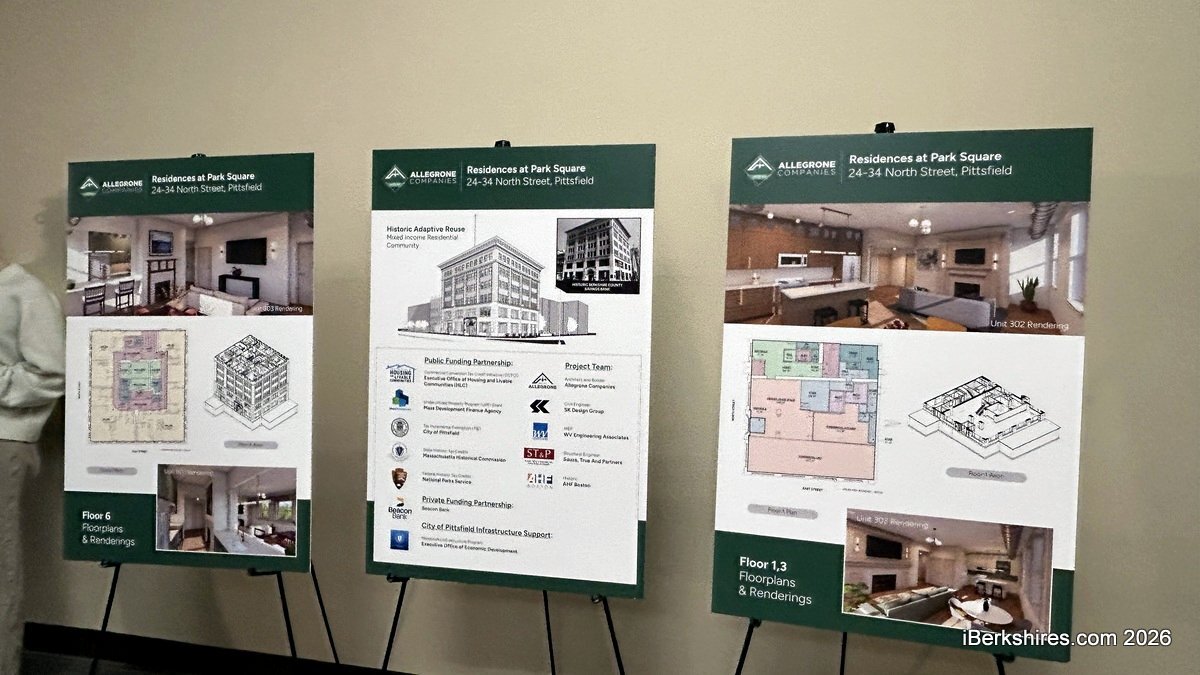
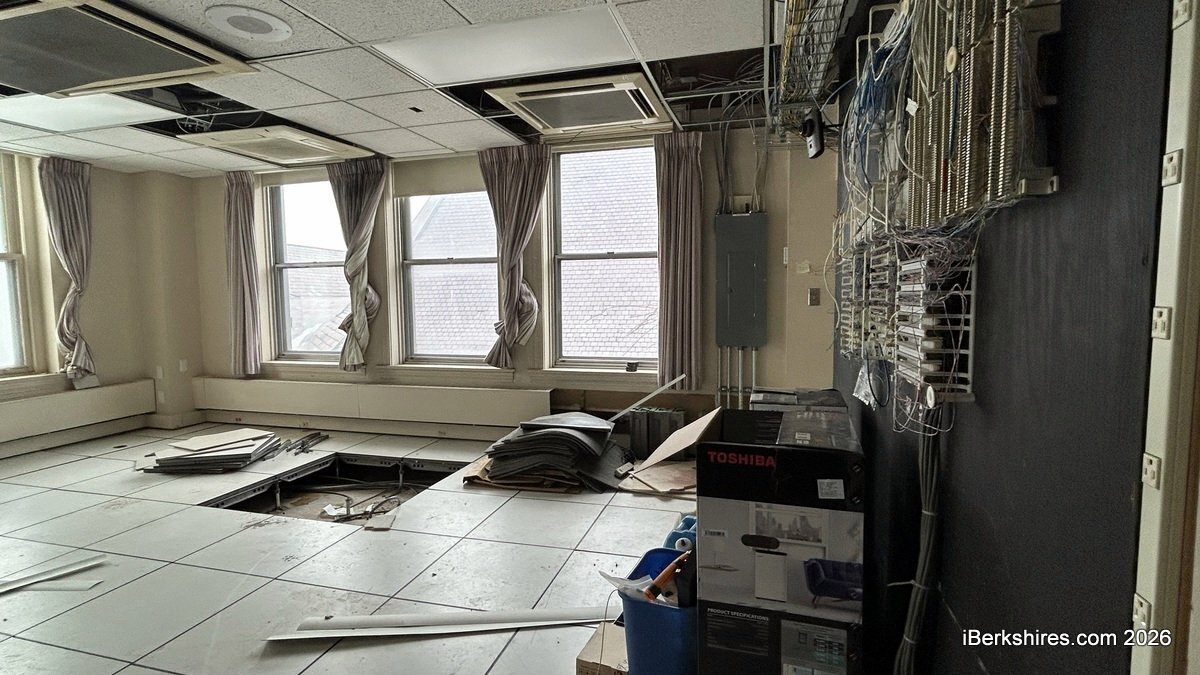
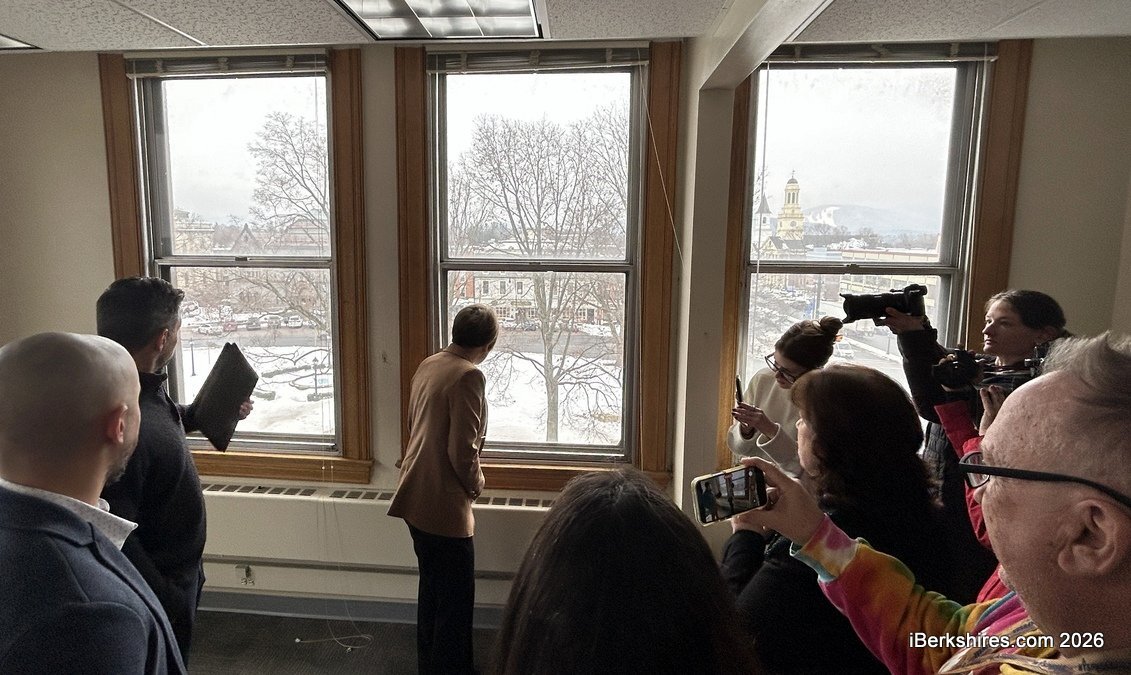
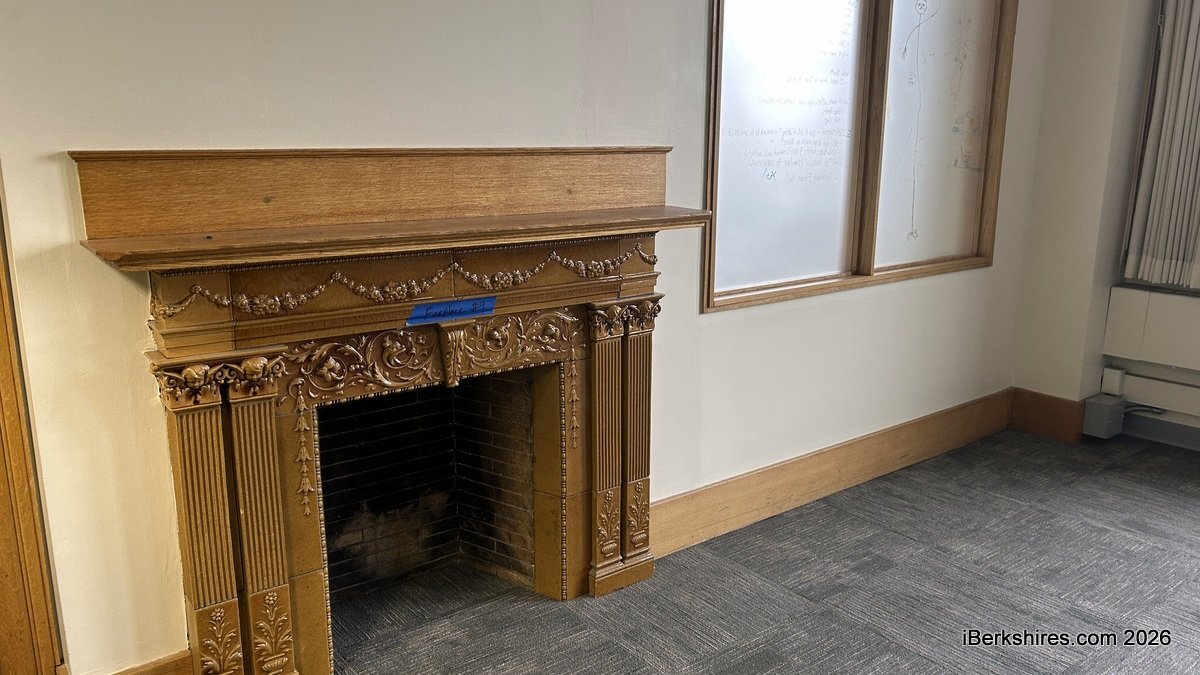
The historic 24 North St. with a view of Park Square has been vacant for about two years, and Allegrone Companies plans to redevelop it and 30-34 North St. into 23 mixed-income units. The administration announced its Commercial Conversion Tax Credit Initiative (CCTCI) and the Affordable Housing Development grant program as ways to aid housing production, both of which Pittsfield will benefit from.
The state is partnering with Hearthway for the construction of 47 affordable units on Linden Street, utilizing the former Polish Community Club and new construction, and Allegrone for its redevelopment of the block.
The Linden Street project is one of the 15 rental developments the Executive Office of Housing and Livable Communities is supporting through $25.7 million in federal low-income housing tax credits, $32.4 million in state low-income housing tax credits, and $81.4 million in subsidies.
Allegrone's project is supported by the commercial tax credit and was recently awarded $1,800,000 from the MassWorks Infrastructure Program.
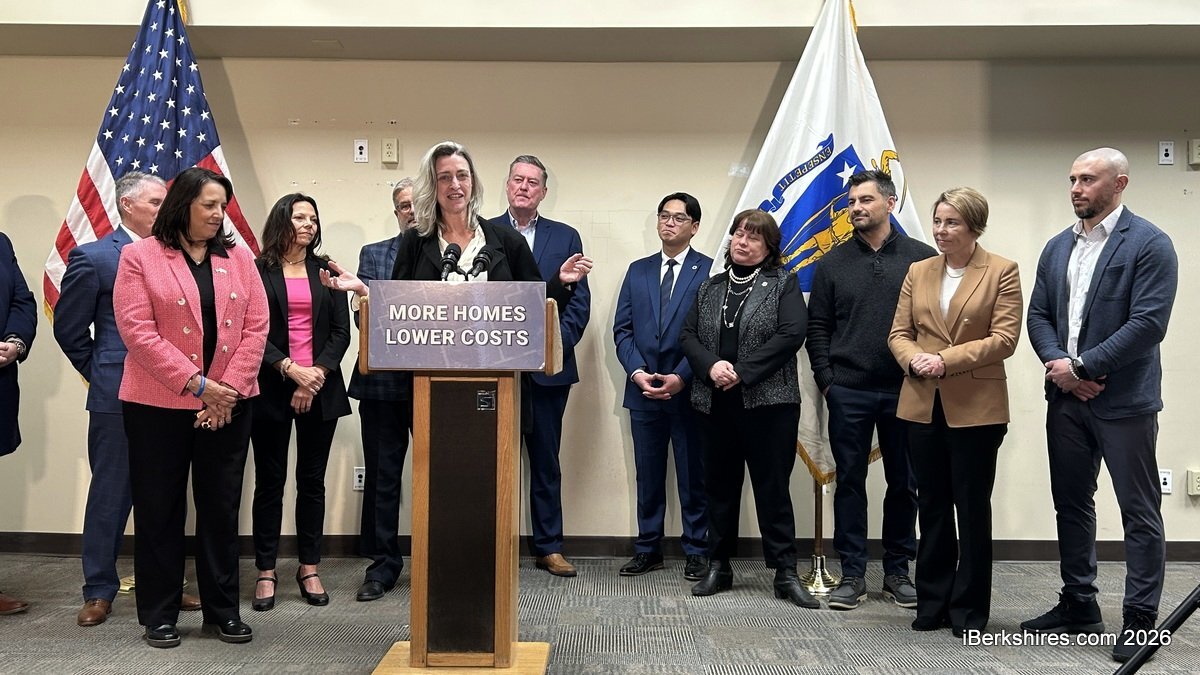
Lt. Gov. Kim Driscoll said she fully comprehends the importance of housing and how crushing it is in communities that need it and want to build, but face difficulties with high construction costs.
"Housing is the key to keeping people in the community in a safe way and giving them an opportunity to fill those many roles that we need throughout the Commonwealth in cities and towns, large and small, urban and rural, these are all important work. Having somebody fix your boiler, fix your car, we want those individuals to be able to live in our communities as well, particularly in our gateway cities," she said.
"Gateway cities were the affordable places. That's where many of our workers who served factories or manufacturing or the industrial revolution in Lowell and other places — they lived in cities, and now, through a confluence of events, certainly not building enough, those places are becoming fast unaffordable to the very people we rely on. I don't want to see anybody priced out of a community, and equally important, we don't want to see the character of our communities change."
State officials praised the $5.2 billion Affordable Homes Act, signed into law in 2024, for moving the needle forward. The act allows ADUs by right, cuts environmental review time at the state level from one year to one month, and makes "record investments" for middle and working-class housing.
Healey said the administration made it a priority from day one to build more homes "as quickly as possible" and worked right out of the gate to pass the act.
"There isn't a silver bullet to fixing the challenge this big; that's why we're not just doing one thing. We're doing everything," Housing Secretary Ed Augustus said.
"New construction, preservation, affordable housing, smart reuse of old buildings, surplus state land, and the tools communities need to say 'yes' to housing."
He said the Low Income Housing Tax Credit program was at $40 million when Healey took office in 2023, and is now at $60 million. The Housing Development Incentive Program that had expired is now funded at $30 million annually with a one-time $57 million boost to catch up with the backlog.
The commercial tax credit, established by the Affordable Homes Act, helps convert commercial buildings into residential or mixed-use developments.
"We're gathered in a place that tells an important story," Augustus said.
"Like many old commercial spaces, this former bank building is evolving to meet the needs of today, and today, that need is housing. More homes downtown mean more life downtown, more customers for local shops, more life on the sidewalks. It means a stronger Pittsfield."
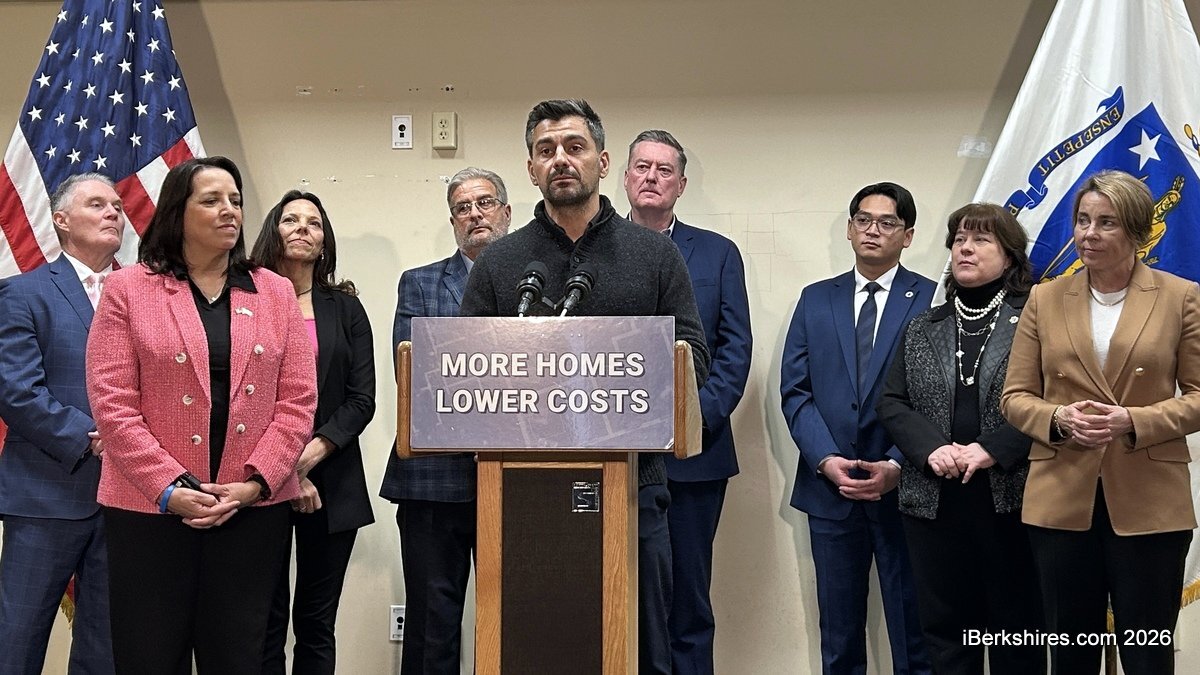
Lou Allegrone, of Allegrone Companies, said the tax credit will fill a critical void in project resources.
"It is not remotely feasible without a combination of state and local initiatives like these to balance the immense costs required to create just a unit of housing, especially in an end-of-life-cycle, incredible but historic, city asset like this building we're in today," he said.
Allegrone added that having a state government that continues to appreciate and understand the barriers to creating housing is an "absolute asset" to all of us.
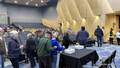
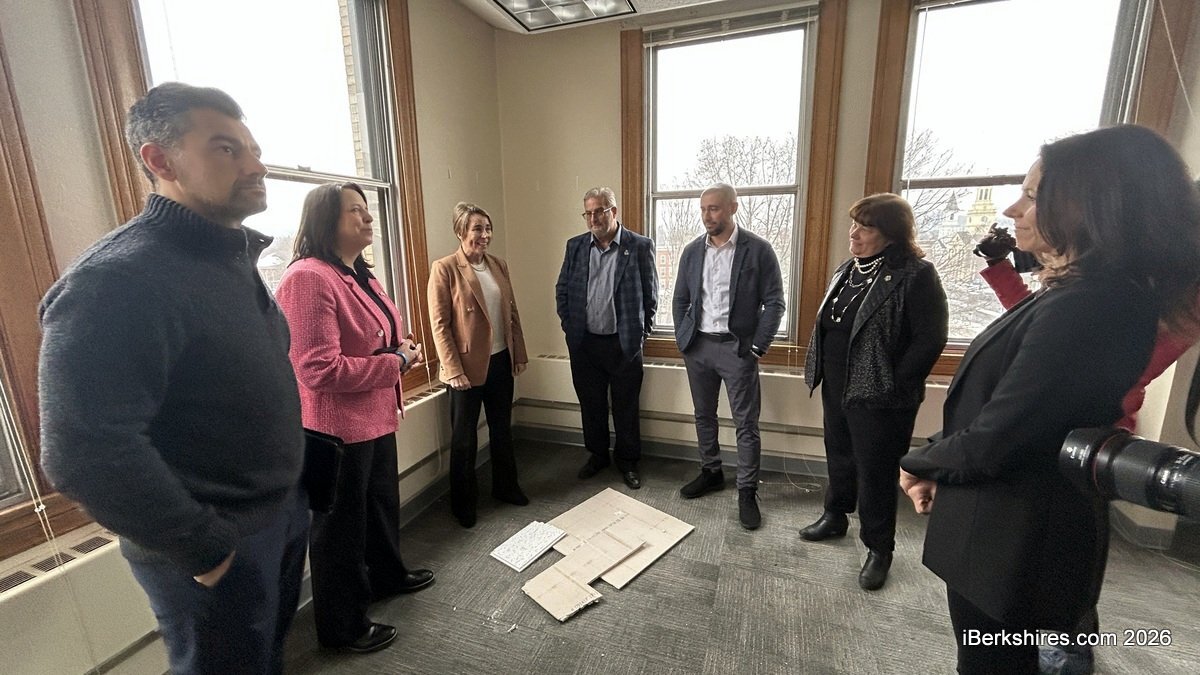
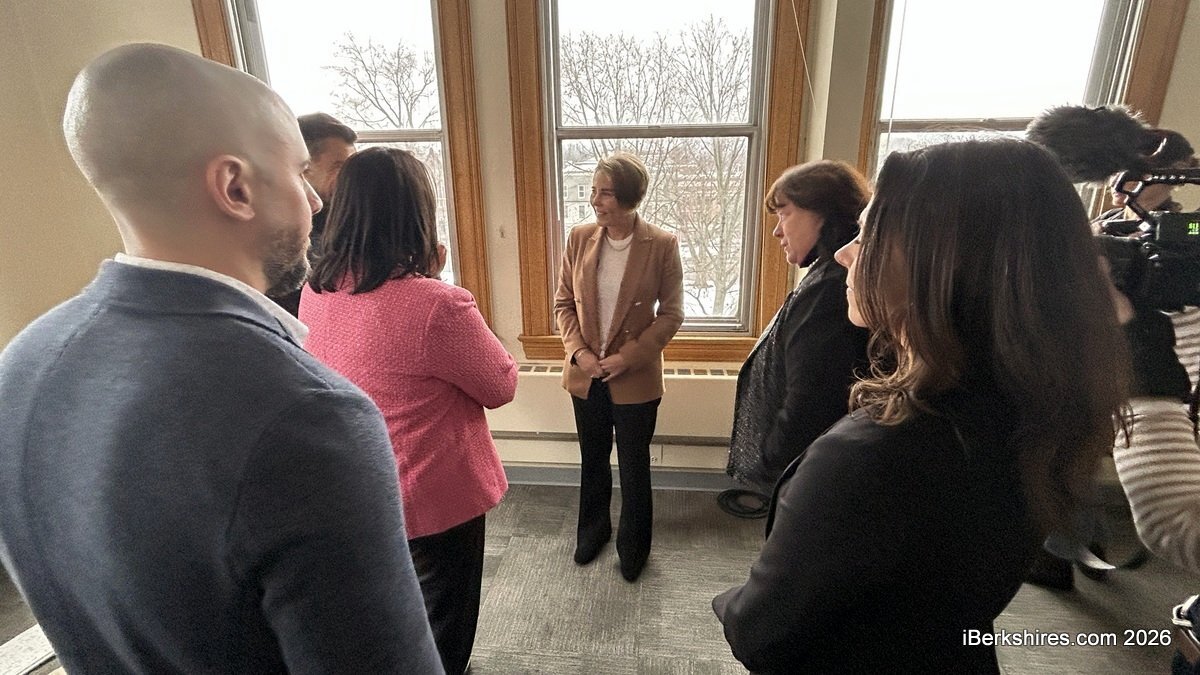
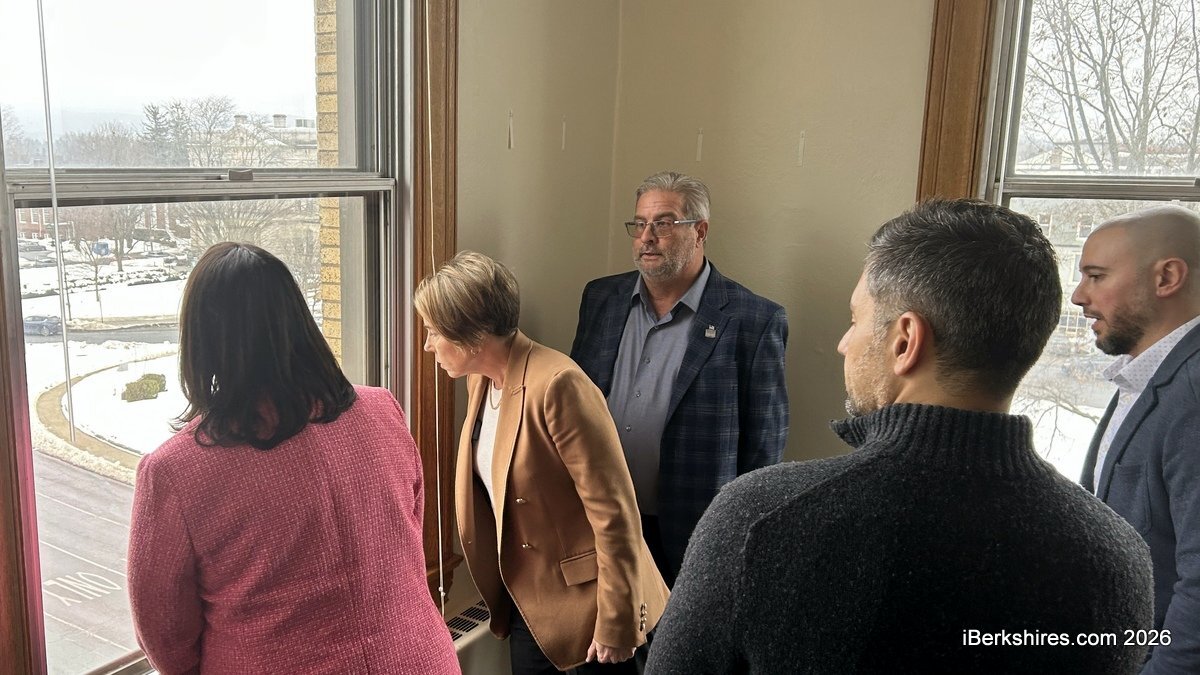
Before the press conference, officials got a tour of one of the building's upper floors to see the development company's vision for housing.
Mayor Peter Marchetti pointed out that Pittsfield has received a total of $2.38 million in Community One Stop for Growth Grants for things like technical assistance to create a Pittsfield Business Improvement District, streetscape improvements, road resurfacing, and Allegrone's redevelopment of the Wright building down the street.
"Since the beginning of my administration, the Healey-Driscoll administration has been a valued partner of Pittsfield and this community, whether we are looking to capitalize on the funding to support new housing development, make improvements to our roadways and bridges, or to help entrepreneurs start and grow their business," he said.
"I know we have a team in Boston always ready to help us."
He said state partnership is pivotal to success, and that Pittsfield has created more housing over the past several years than it has in recent decades, and "we must keep building on this momentum."
Massachusetts is estimated to need 220,000 more units by 2035 to meet demand, and Healey said the state has 100,000 built, permitted, or underway and expects to exceed that goal.
"It's a great example of work between local and state governments, our nonprofit sector, our private development sector, everybody working together as a team to get this done, to unlock funding," she said.
"There are some things that none of us here can control. We can't control inflation, we can't control tariffs, but how do we work together leverage and get the most out of every tax dollar awarded and to get the most out of private dollars in funding for these projects?"
Tags: governor, healey, housing, lieutenant governor,