DALTON, Mass. — The Central Berkshire Regional School district saw a lot of success and change this year including new administrators, policies, and state recognition.
In an effort to support high-quality instruction, the district has implemented a new curriculum, leveraged instructional leadership, restrictions some of its Tier 2 supports, collaborated with families and local organizations, and established new programming.
Following the establishment of a search committee, the School Committee unanimously voted to offer the position to Michael Henault, who had been the district's assistant superintendent for three years.
After two years of revisions and discussions with towns, six out of the seven towns approved the updated regional agreement in September. It has been sent to the state Department of Elementary and Secondary Education for approval.
The original agreement, created in 1958, has been amended several times and approved locally but never by the state Department of Education, which is required.
In 2023, the district updated its cell-phone policy to prohibit use during school hours to ensure that the use of cell phones or other electronic devices by students and staff does not interfere with learning.
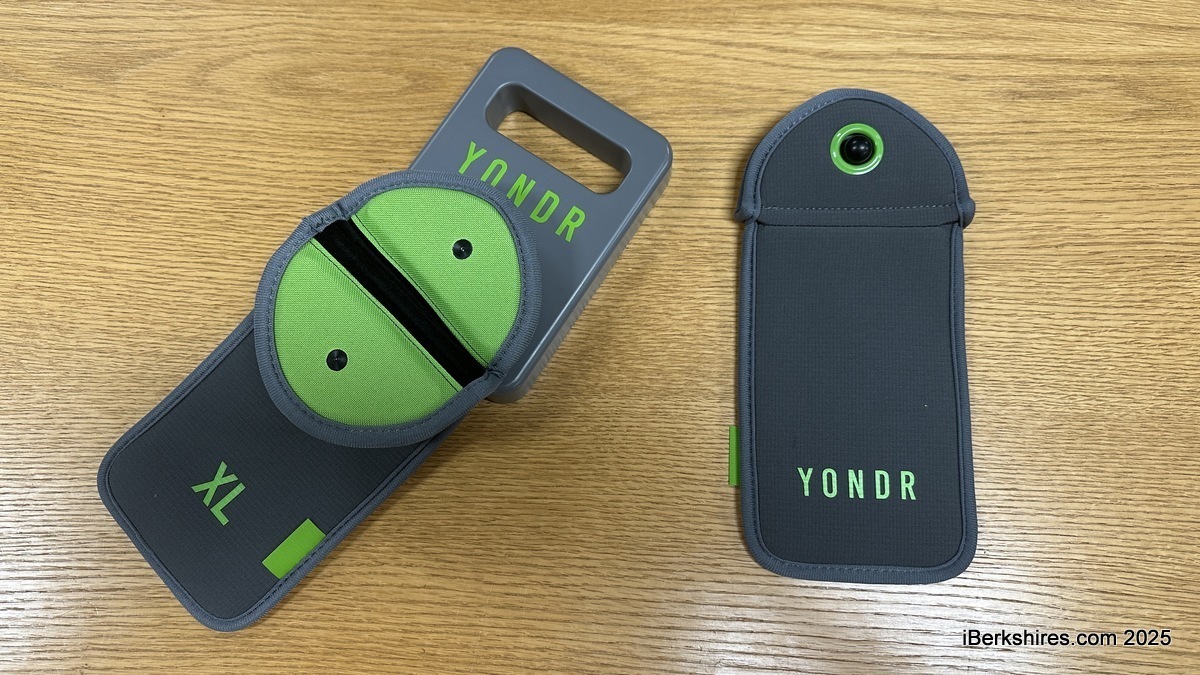
To accomplish a cell-phone free learning environment the district has been utilizing Yondr pouches in the middle and high schools.
The pouches make cell phones inaccessible to students but allows the students to keep phones in their possession and has been a gamechanger.
Achievements
The district was recognized by DESE for being one of only 13 districts across the state to meet or exceed pre-pandemic (2019) achievement levels in both English Language Arts and Mathematics for students in Grades 3-8.
Based on 2024 Massachusetts Comprehensive Assessment System scores, the district's growth score for English language and arts is 53 and for math 64; anything above 60 is considered high growth.
At least 50 percent of students without disabilities received scores that are meeting or exceeding expectations, which shows that the district's high-quality curriculum choices are working, she said.
Although the scores showed significant gains it also demonstrated the gaps within the system for students with higher needs, which the district is working to close.
There are two main areas that need attention: first, special educators require more instructional face time with their students; second, the need to enhance opportunities for collaboration between special educators and general educators to support students more effectively, Henault said previously.
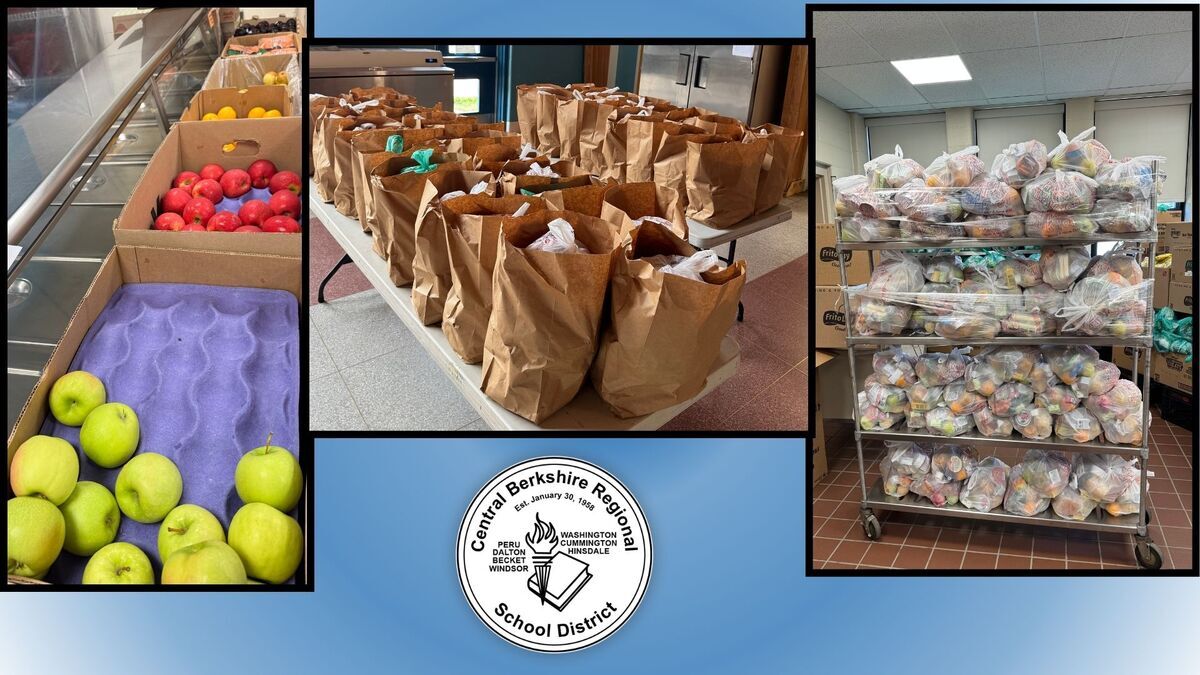
In the month of July alone, the district served 11,410 meals to families with children under 18, said John Tranfaglia, food service director.
The district chose to implement this service using a noncongregate, or distributed, meal system, allowing families to take weekly meals home and enjoy them at their convenience.
This system improves the accessibility of the service because families do not have to schedule their meals around the program's hours, Tranfaglia said.
In September, Robb established an AI ad hoc committee made up of teachers, a student, the IT director, and a School Committee member. The committee has been trying to meet twice a month.
The hope is to gather information so that the district can talk about it more intelligently before debating it.
Throughout the process, the committee will get guidance from Fadia Rostom-Makdisi, computer scientist, AI educational adviser, and former principal of St. Agnes' School.
During the November professional development days, almost 100 district staff and faculty received a three-hour basic AI training from Rostom-Makdisi which covered the how and what of AI and several commonly used AI tools in education.
If you would like to contribute information on this article, contact us at info@iberkshires.com.
Your Comments
iBerkshires.com welcomes critical, respectful dialogue. Name-calling, personal attacks, libel, slander or foul language is not allowed. All comments are reviewed before posting and will be deleted or edited as necessary.
No Comments
BRTA Focuses on a New Run Schedule
By Breanna SteeleiBerkshires Staff
PITTSFIELD, Mass. — The Berkshire Regional Transit Authority is still working on maintaining its run schedules after dropping the route realignment proposal.
Last Thursday's meeting was Administrator Kathleen Lambert's first official meeting taking over the reins; retiring director Robert Malnati stayed during a transition period that ended last month.
Lambert is trying to create a schedule that will lessen cancellations. There was a two-hour meeting the week before with the drivers union to negotiate run bids and Lambert is working with the new operating company Keolis, which is taking over from Transdev.
The board spoke about anonymous emails from drivers, which Lambert said she has not seen. iBerkshires was not able to see those letters, but has received some.
"They were lengthy emails from someone describing themselves as concerning BRTA employee, and there was a signed letter from a whole group of employees basically stating their concerns. So, you know, to me, it was a set of whistleblowers, and that, what my understanding is that this really triggers a need for some type of process to review the merits of these whistleblowers, not going to call them accusations, but basically expressions of concern," said member Stephen Bannon.
A letter iBerkshires received spoke of unhappy drivers who were considering quitting because of decisions being made without "input from frontline staff," frustration and falling morale, and the removal of the former general manager shortly after Lambert came in.
Lambert said it's difficult to navigate a new change. She also noted many drivers don't want to do Saturday runs and it has been hard negotiating with drivers on the new runs.
"I would like you all to keep in mind that the process of change is super difficult. Transdev has been here for 20 years, and some of these drivers have never known any other operating company, the way some of the operations have been handled has been archaic," she said. "So getting folks up to speed on how a modern transit system works is going to be painful for them. So I don't want to say that I'm unsympathetic, because I am sympathetic, but I am trying to coax people along with a system that's going to seem very strange to them."
The board spoke about better communication between them and Lambert, citing cooperation will be best moving forward.
"There's just a lot of stuff in the air right now, and there are a lot of fires to put out to make this a coordinated effort. And if we don't keep our communications open and be straightforward, then you get blindsided about how you know the input that you could get from us about your position, and how you know what's going on in your direction, and we get blindsided. And I think that we have to make sure that this is a collaboration," said member Sherry Youngkin.
"Both sides have responsibilities, because in the long run, this advisory board is going to have to make decisions as to how we brought forward and if we've gone forward in a fair and helpful way. And I think that's hopefully what everybody is looking for also."
Transdev and Keolis held a three-day recruiting event interviewing almost 40 candidates and offering jobs to eight, but only three stayed on to start training. Lambert said it was disappointing but she will keep trying to retain more people.
In her first report to the board, she noted that ridership dipped a little over 10 percent, but still remains higher than last year, adding that was because of cancellations of services because of the lack of drivers.
Like the last meeting, some of the advisory board members were torn over the start of the Link413 service, worried that the start of the service took drivers away and the numbers of riders are low.
Lambert, however, said the ridership has doubled from last month.
"As I've spoken before, we have, generally, a six-month adoption for brand-new service before you can really go in and evaluate, are you being successful based on the grant that my predecessor wrote along with the team for PBTA and RTA, we are ahead of schedule, which is pretty good, so I'm hoping that will continue to improve," she said.
Member Renee Wood said the board never approved the service, adding the only thing she could find in the minutes was a vote to accept the equipment. She said it was supposed to be put on the agenda to discuss.
"The Link413 service has been three years in the making. It's been a grant that was accepted and has been working with our partners, PVTA and FRTA, to put into place. So I don't have the entire history of how that process worked, but it's been three years in the making, and did we not understand that once we accept that grant that we were going to put in new service?" Lambert said.
The board discussed if Title VI, the Civil Rights Act, was followed with an accurate review and accurate amount of time for public comment period on the service changes and if its attorney should review if the grant conditions were properly followed.
Lambert said changes had the 60-day comment period included in the proposed route realignment packet, giving the opportunity for the community to respond to that as well but will look into the legality of the situation with their attorney.
The Berkshire Regional Transit Authority is still working on maintaining its run schedules after dropping the route realignment proposal. click for more
The town election is less than a month away and, unlike recent ones, all open seats are uncontested, with even a vacancy remaining on the Planning Board.
click for more