Youth Alive & ROPE: Stepping Toward the Future
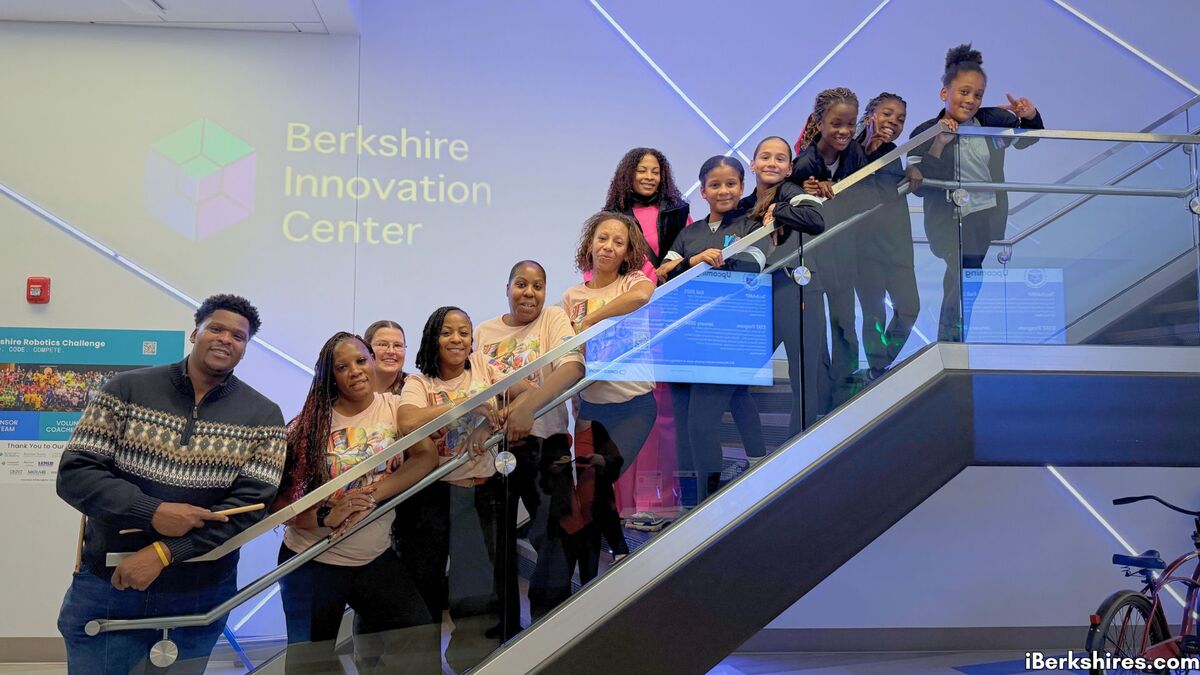
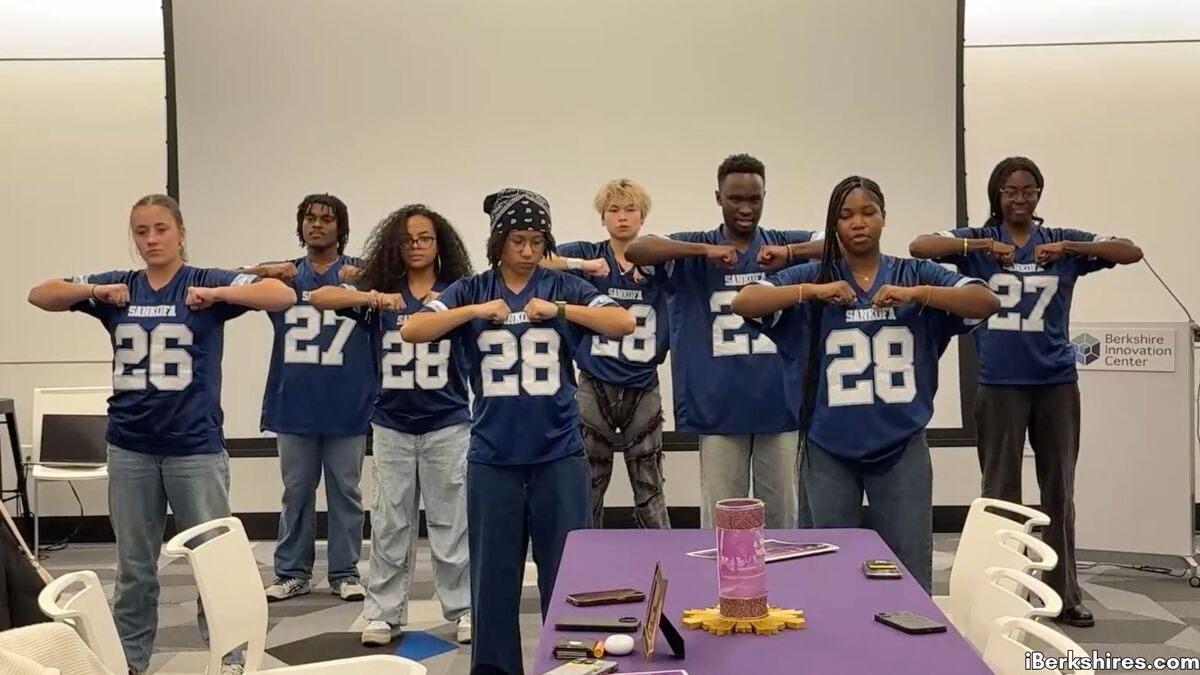
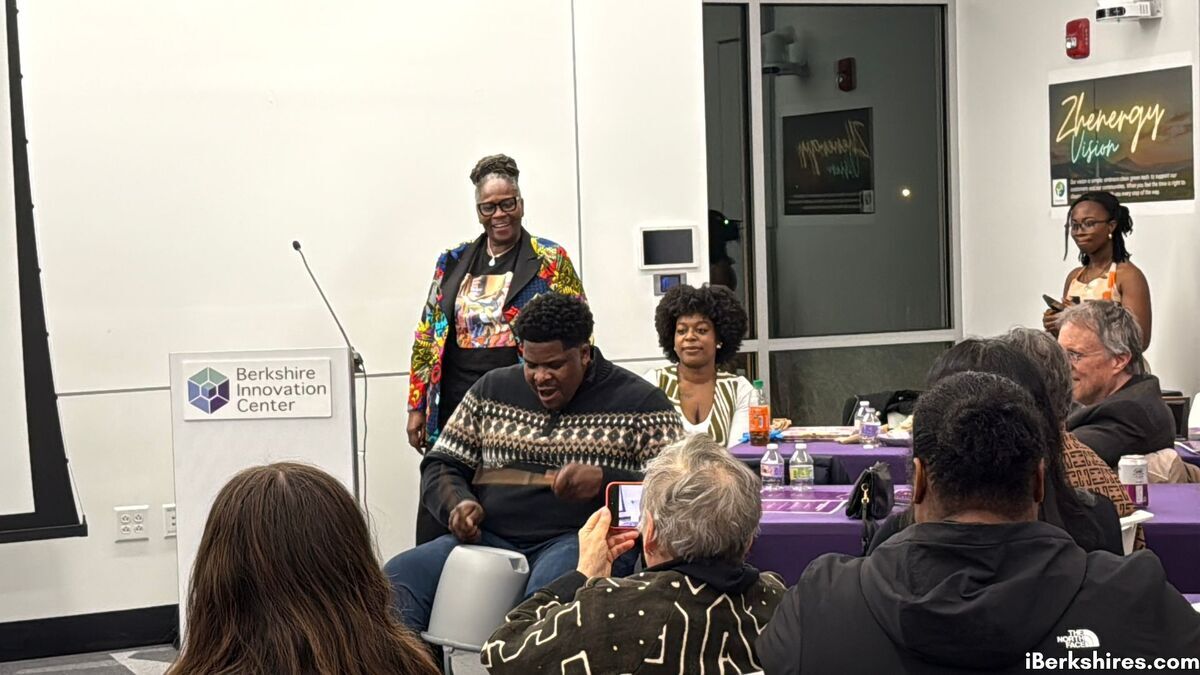
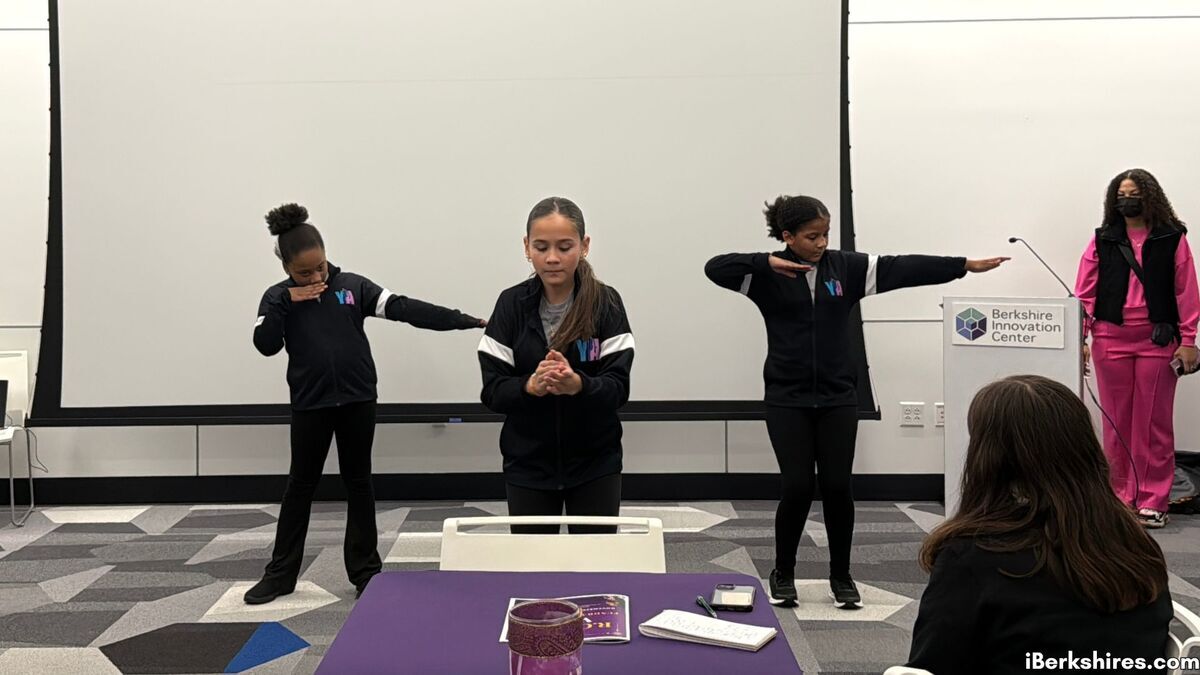
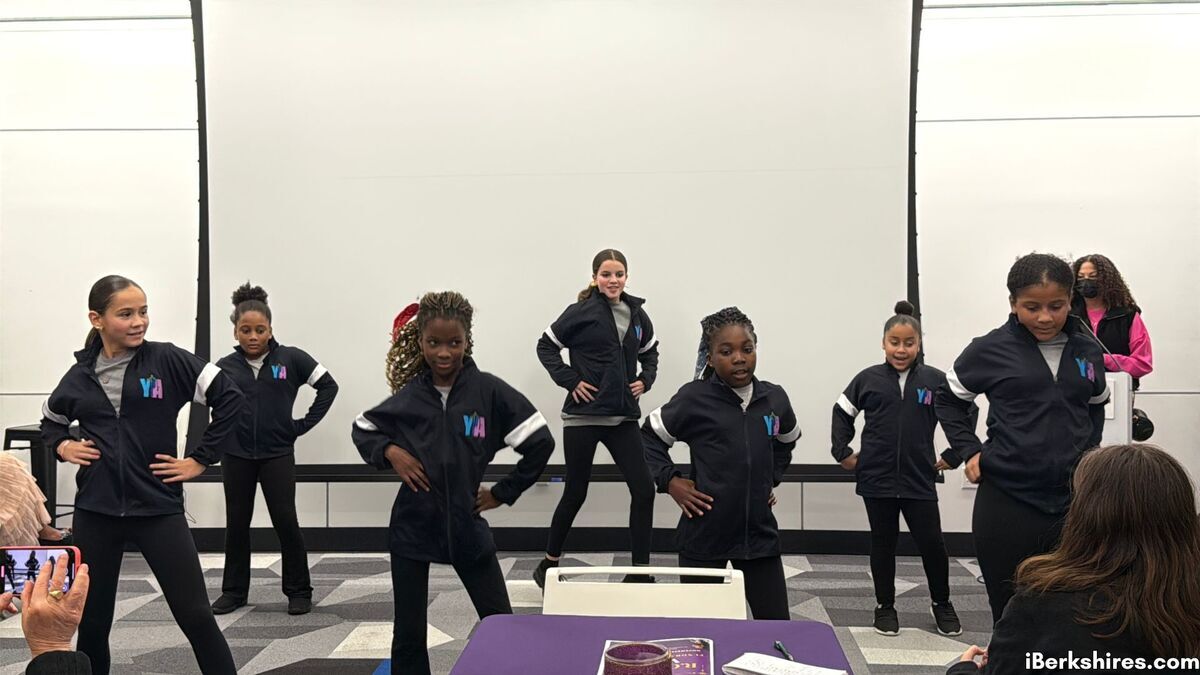
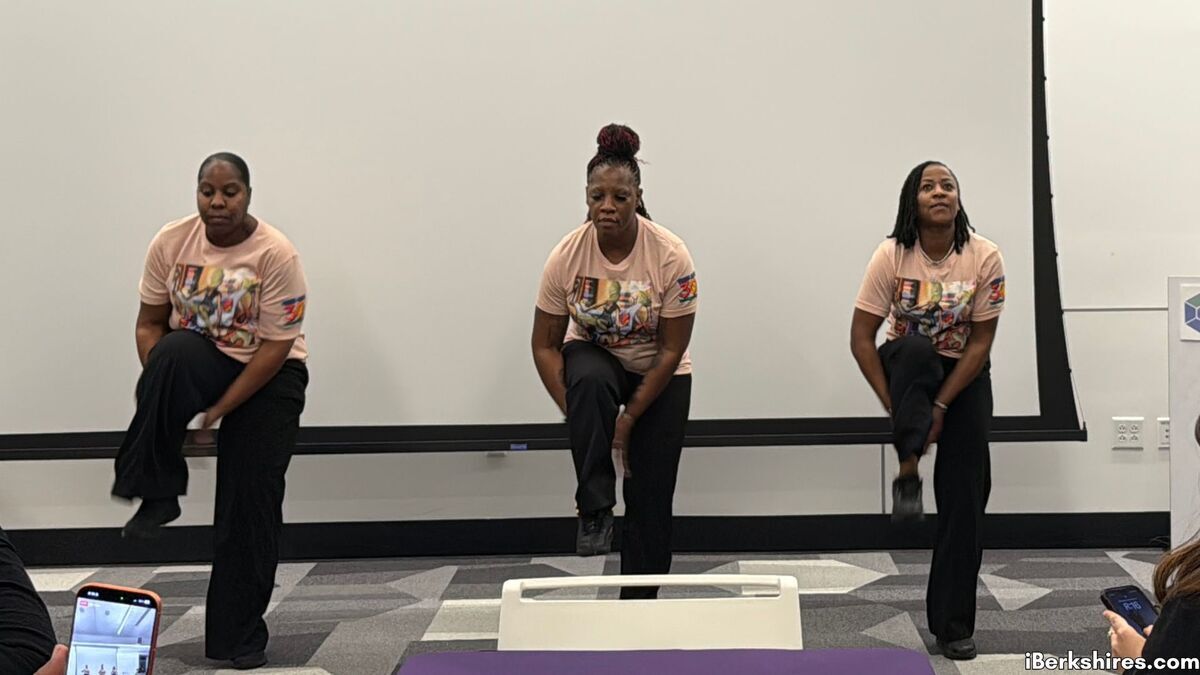
Youth Alive step, dance and drumline participants.
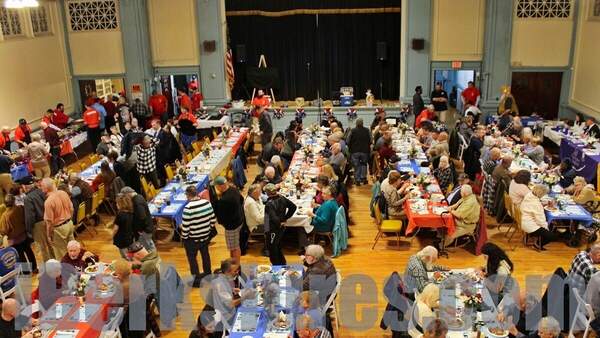
This year marked Youth Alive's 30th anniversary and ROPE's 15th anniversary. It was no coincidence that the organizations celebrated it with multiple step performances during their fundraising dinner last Saturday at the Berkshire Innovation Center.
"Every step that they took, we knew that they were stepping further away from oppression. They were stepping further away from social injustice," said keynote speaker the Rev. Nakeida Bethel-Smith, pastor of Hood-Shaw Memorial AME Zion Church of Providence, R.I.
"They were stepping further away from all the things that we were told that we couldn't be in the community that was supposed to hug us."
Bethel-Smith is also an eligibility and outreach specialist for the Massachusetts Office for Victim Assistance.
"It was people like Shirley Edgerton, [referred to as Misses E to her students] it was people like the late [Bishop Jerome Edgerton Sr.,] that saw their potential to step with their purpose, to step boldly into that thing and say, 'we see you, even if nobody else sees you.'
"Every time they stepped, they took their authority back. Every time they stepped, they reclaimed their voice. Every time they stepped, you knew that they were stepping with purpose. You knew that they were stepping with a mission.
"They weren't stepping cute. There was nothing cute about Youth Alive step. They were stepping because they had something to prove."
Bethel-Smith acknowledged there were challenges they faced over the years, difficult days, missed steps, and the need for support among friends. However, they were resilient. They gained strength over time. That step became more than a step.
"They learned to take ownership. They learned to be who they were in something that we saw so simple, and many of us have celebrated this, but it was more than a step," she said.
"That step represented our people. That step represented our voice. That step represented all the things that were taken away from us to be where we are today. So, we think about stepping our purpose, and we think about stepping in power, and we think about heading to our future. I want us to remember that it takes pressure to get to this place called now."
Youth Alive and its sister program, ROPE, are deeply interconnected.
"It was something so magical, as myself, as a young Black woman, got to see them start out there and create this project together … it was so powerful and how they stepped. And they really stepped with precision," Bethel-Smith said.
"I think about stepping boldly into our power, purpose and future. Stepping boldly into our power, purpose and future."
Youth Alive was founded by and for youth, addressing the needs of young people holistically by creating inclusive artistic and educational opportunities.
It started with Akilah Edgerton and Erica Young, then 13 and 15 at the time, respectively, wanting to do a step performance at their church.
They went on to perform at "the Gathering" a month or two later; it was there that the two girls' drive to perform a step transformed into the start of Youth Alive, which has gone on to serve hundreds as other children in the community wanted to join.
"We're like, 'join what,' there was nothing to join — it was just a couple of girls with their sisters and friends who got together and did step," said Shirley Edgerton, Youth Alive director and ROPE founder. Akilah is Edgerton's daughter.
Edgerton saw this excitement in the kids as an opportunity and used her background in social work to create an avenue for young people in the community.
"As I was talking to Akilah recently about Youth Alive and its founders, and what it meant, she talked about how it was a place for them to belong, it was a place for them to come together, it was a place for them to build a bond and a friendship," Edgerton said.
"It was a place for them in a community that didn't have something that represented them because truth being told in the 90s, Pittsfield was a little shaky for what it meant to have culture … and so to see something like Youth Alive come alive at the time that it did, it was awesome. "
The program brought in speakers to address life skills, trauma, and youth empowerment, she said. One major aspect to come from it was the college tours.
A lot of young folks didn't know about HBCUs (Historically Black Colleges and Universities) so rather than telling them, Edgerton showed them.
Fifteen years into Youth Alive, Edgerton recognized a gap, leading to her development of the ROPE program.
"The girls themselves were putting themselves in a secondary role. Like, they couldn't see their value," she said.
The girls praised the boys while overlooking their own hard work. They practiced diligently, so they should have felt proud of their accomplishments too, she said. So, Edgerton created a four-month program for mentoring girls.
After receiving feedback from the girls, she realized that mentoring relationships conducted only for a few months a year was insufficient. The program was adjusted to be year-round and support persists after high school graduation.
Over the years the program evolved to what it is today, serving more than 100 young girls since its inception.
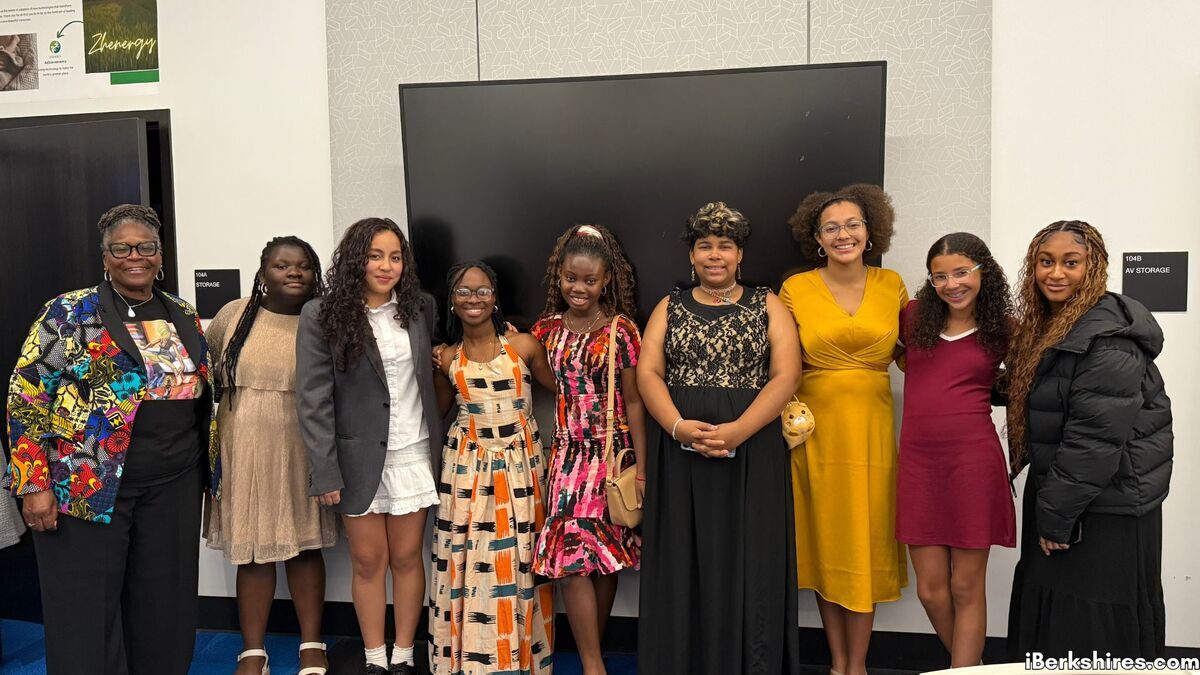
This year, ROPE welcomed its first Latina member. Its mentors are already very diverse, with mentors who are LatinX, from India, and more, all with various backgrounds, Edgerton said.
They ensure that opportunities for every group and career path are represented, as these mentors lead conversations during their monthly meetings, she said.
At first, Reina Jara, the Latina participant and sophomore, didn't think the organization would help her much but was encouraged to participate by her mother.
"But as I started going to the meetings, I started experiencing all the great benefits R.O.P.E can provide for me, I realized, 'wow, this community, this opportunity I get, is one of a kind, and I really should take advantage of it,'" Jara said.
"I'm surrounded by women who work really hard, who have wonderful degrees and are really well respected, and I should learn from them. So that's really changed my life."
For a person of color, it is harder to see oneself in a space and feel like you belong when there is less representation in the room, said Anima Ekua Gyapong, a sophomore.
"So spaces or groups like ROPE give you the voice you need and the confidence that you are in the right place ... ROPE is a group of people, not just an organization, because without the people in it, it would not be a space where more people could show up and feel seen and heard," Gyapong said.
"Also, I feel that rope is a place where kids of girls of color can learn to find their voice and advocate for themselves and others in the process."
It was highlighted how generations have come through each organization and have gone on to serve their community.
Serina Saunders participated in Youth Alive in her early high school days and now serves as the organization's dance coach.
"When I was younger, I was very shy, very quiet, very reserved, and it gave me a place to find myself," she said.
When Saunders participated in Youth Alive, it didn't have much dancing. After college, she returned to bring her talent of dance and expand what Youth Alive has to offer.
Tags: annual dinner, youth alive, youth empowerment,