Western Mass Arts Summit Focuses on Economics, Sustainability
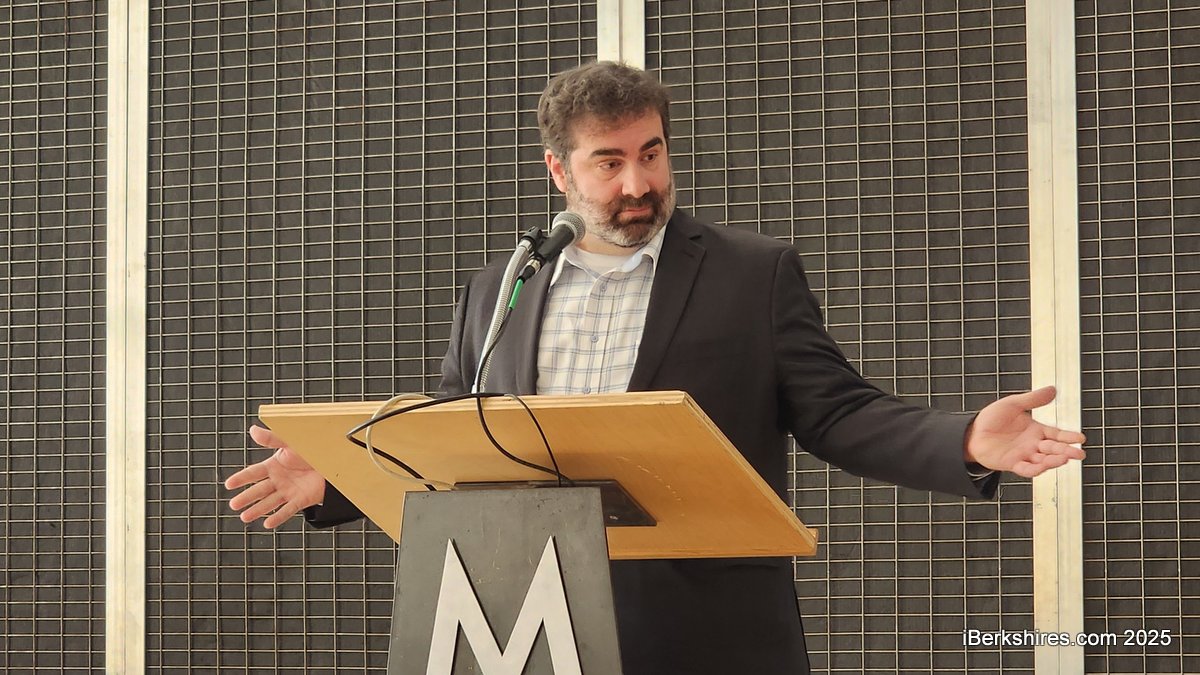
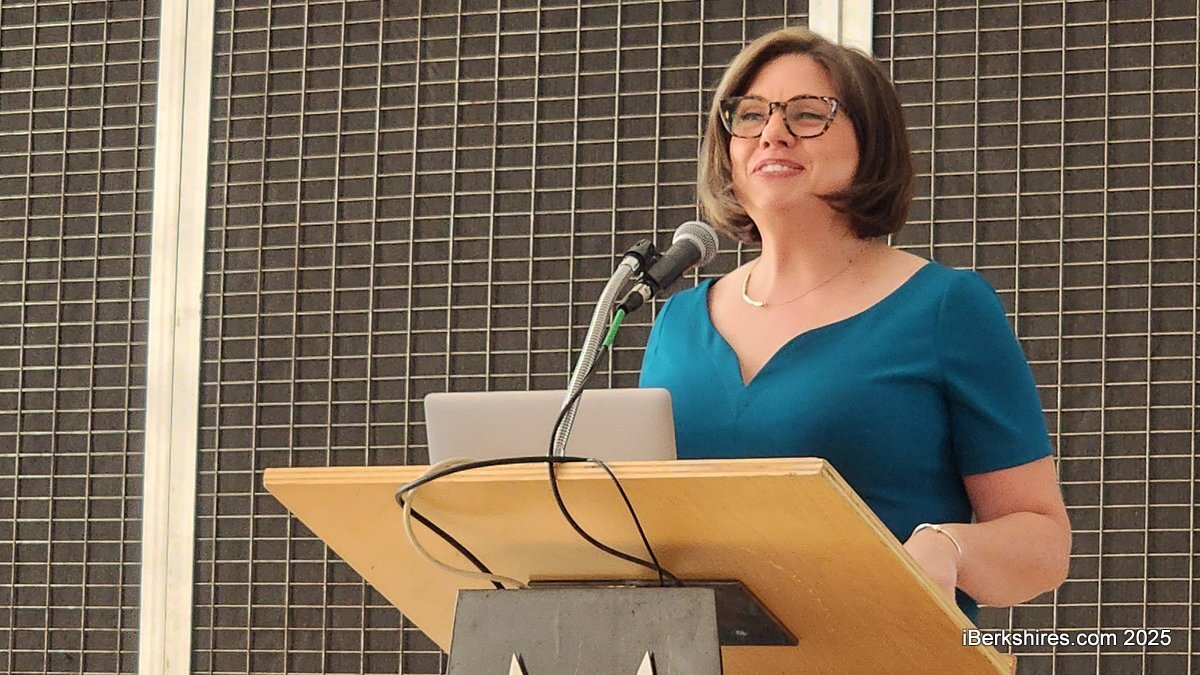
State Sen. Paul Mark, Senate chair of the Joint Committee on Tourism, hosted the event to bring together creatives and state agencies to talk collaboration and support.
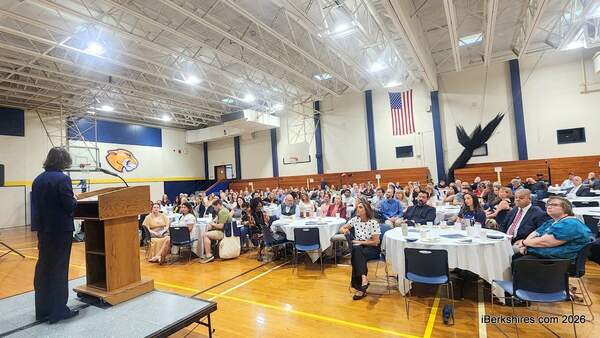
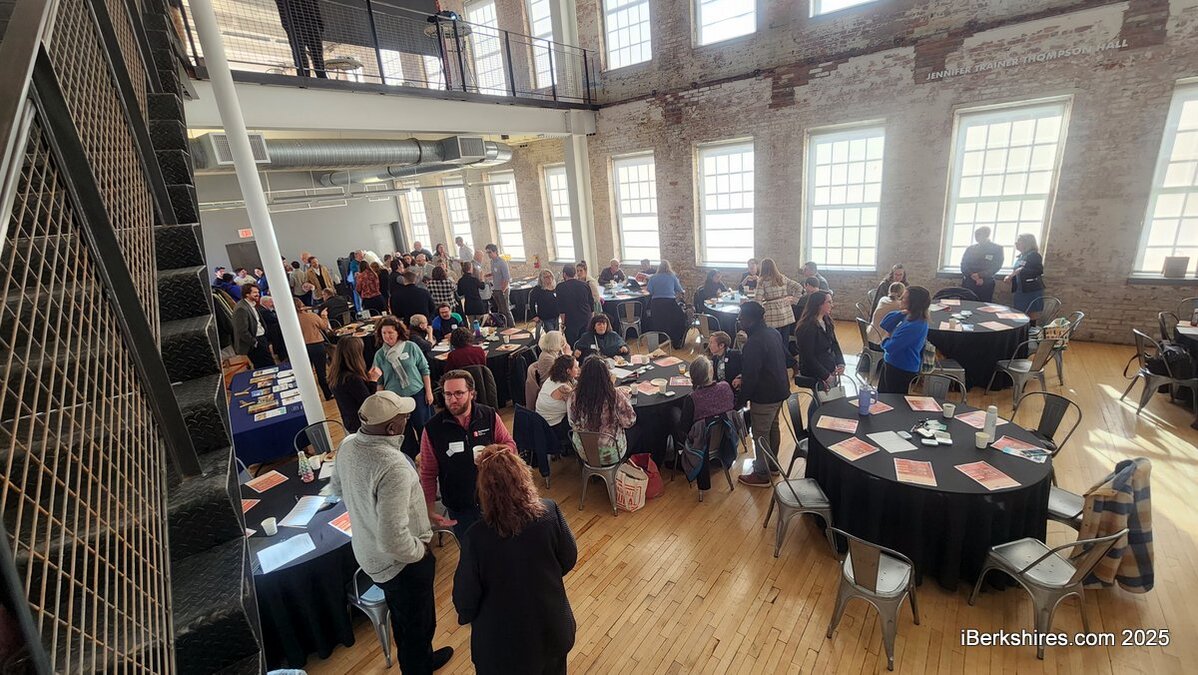
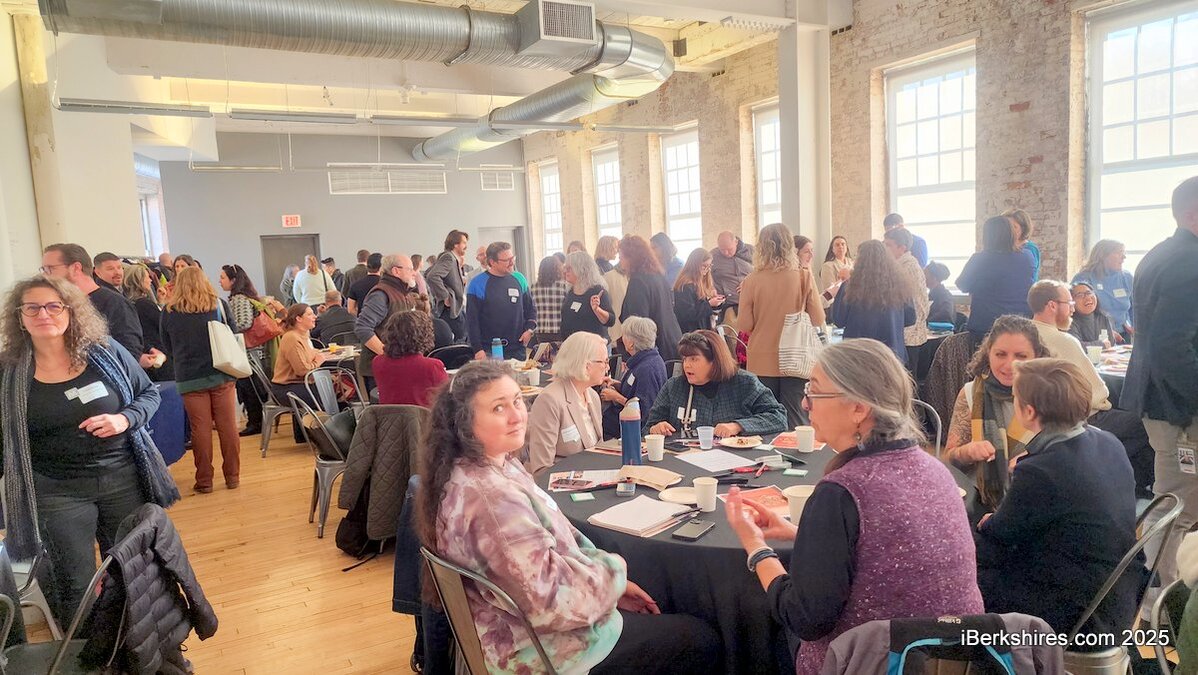
The Western Massachusetts Arts Economic Impact Summit brought creatives from the nonprofit, for-profit and governmental worlds together at Massachusetts Museum of Contemporary Arts to talk housing, energy, grants and funding, training and retaining, partnerships and sustaining.
Belchertown Select Board member Jennifer Turner came to North Adams to hear what other communities are doing to sustain their creative development. Her town had built a strong foundation for arts and culture as an economic driver but is struggling as it's run out of resources.
"We've been using a lot of ARPA funding to fund a lot of initiatives, and we use our volunteer economy mostly, but a lot of them are getting burnt out," she said. "So it's always trying to come up with a different alternative."
She found like-minded people and is going home with "tons of ideas."
"Just networking and talking to others about the struggles that they're finding in their organizations, whether it be municipality or other," said Turner. "There was somebody who brought up a civic leadership transitional program in the city of Lowell, which is very interesting. For me, that's like a key takeaway, you know, to look into models that are existing across the state, that are working."
That's what state Sen. Paul Mark hoped would happen. The Senate chair of the Joint Committee on Tourism, Arts and Cultural Development pushed for the summit after speaking with people from Western Mass during a Creative Economy Day at the State House and with local artists.
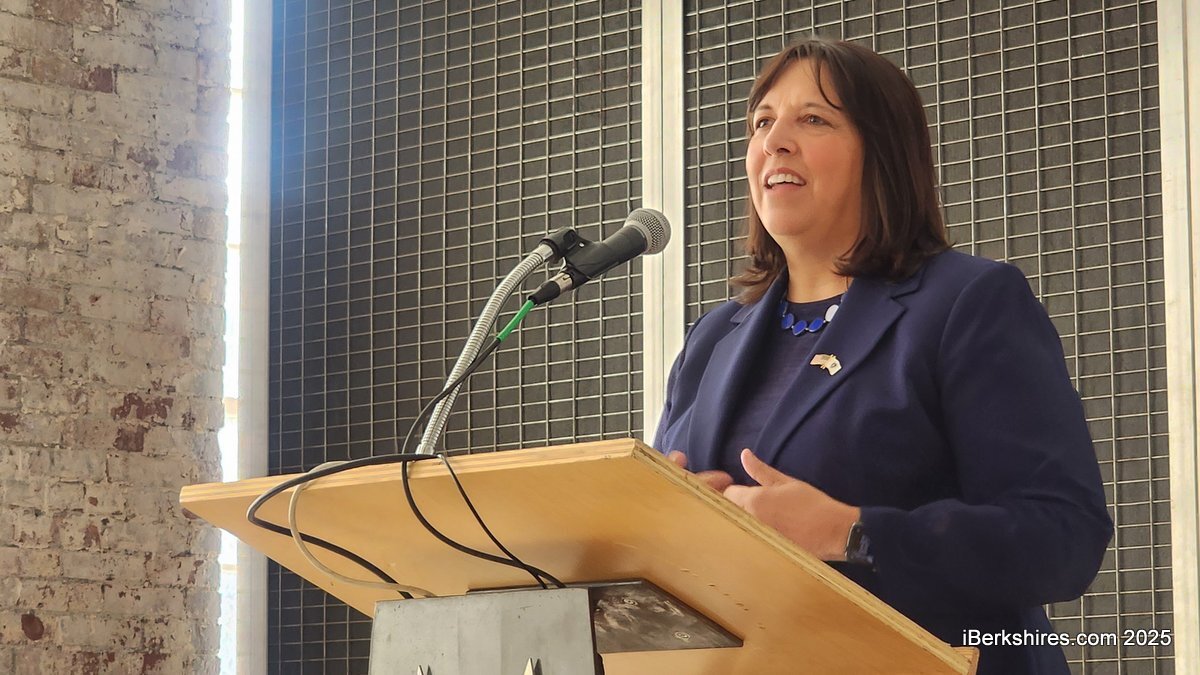
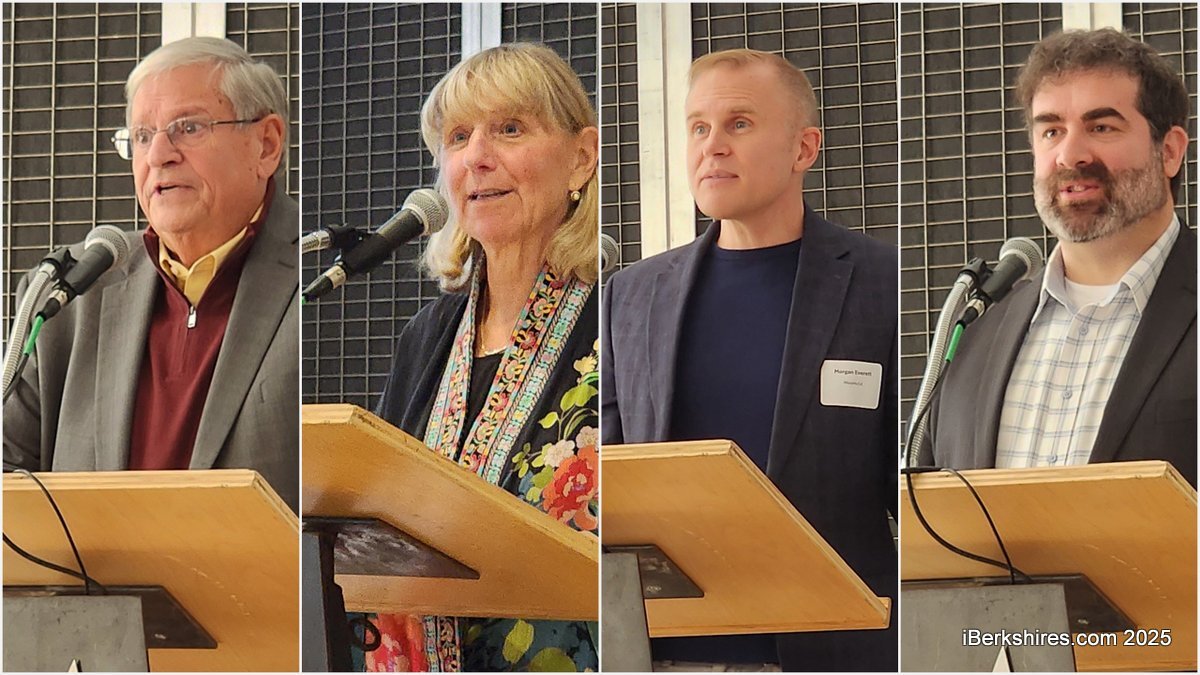
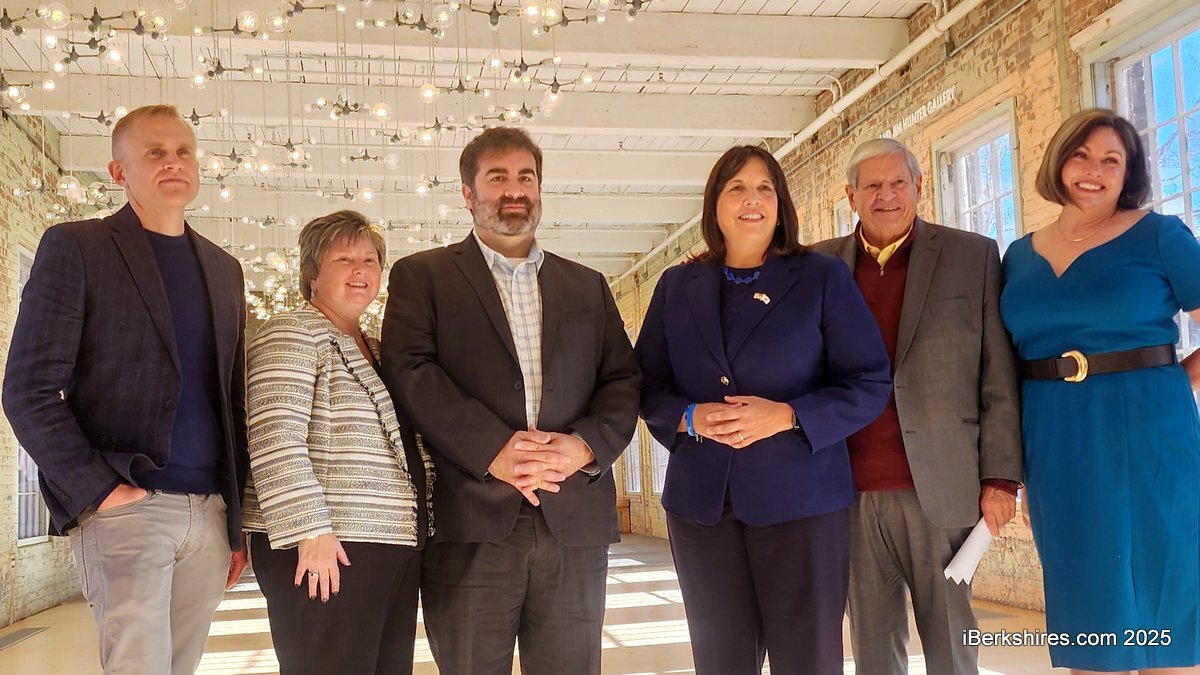
Speakers included Mark, Lt. Gov. Kim Driscoll, Senate President Karen Spilka, state Rep. John Barrett III, and Emily Ruddock, executive director of MassCreative.
"I hope what came out of it was people got to know each other. People met new collaborators. People talked with agencies like MassDevelopment and MassHousing to learn about solutions that they can use to keep their cultural venues sustainable and profitable into the future," he said. "And then people saw behind the veil of state government to see that a), we're here to help and be supportive, but b), we're relatively normal and we're approachable and we actually want to hear from everyone what's going on."
Mark expected some feedback from the summit that could be turned into action items for consideration during the upcoming budget season.
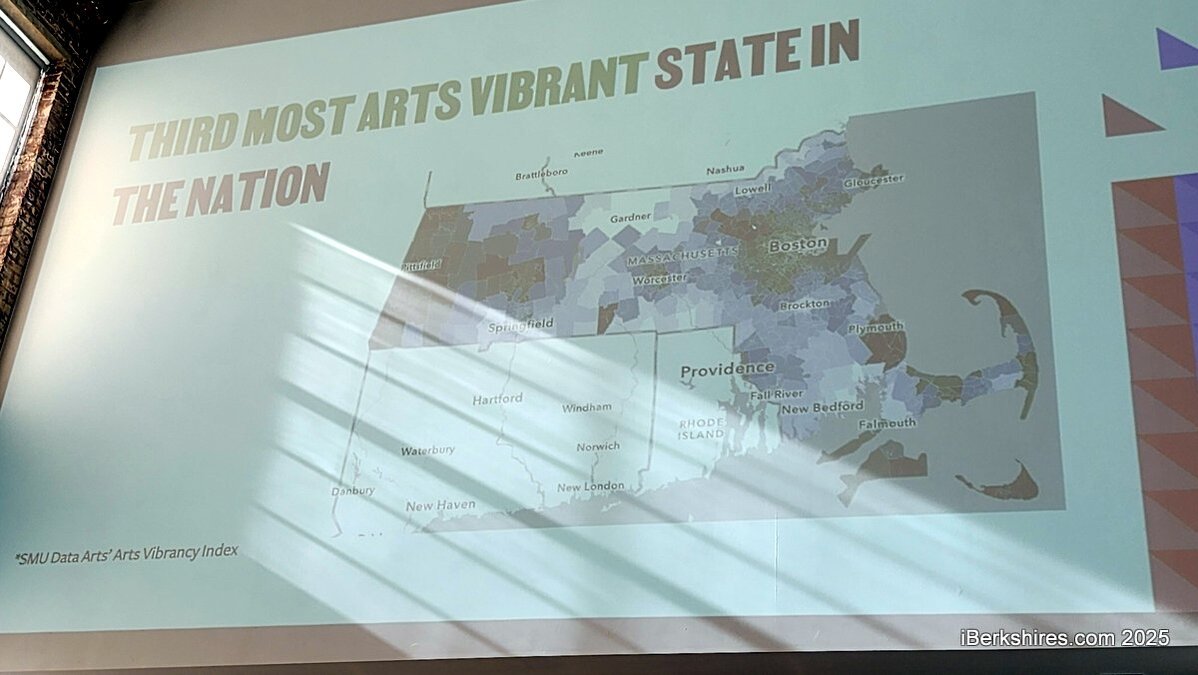
The creative economy is major force in Massachusetts, bringing on almost $30 billion in value or about 4 percent of the economy, and supporting more than 130,000 jobs.
That's more than transportation or utilities, said Ruddock.
"We have over 15,000 cultural organizations in Massachusetts, and that is not exclusive to nonprofit organizations. In fact, only 50 percent of that 15,000 are nonprofit organizations," she said. "We have 112,000 generators, artists, arts generators that are making more than 50 percent of their income from arts, humanities and the interpretive sciences."
Ruddock said the cultural and creative economy had to start moving away from "scarcity" to realizing it had "abundance.
"We are everything we need that's really important to remember, especially at a time when we are being told consistently through every single communications platform one could possibly dream up that we are not enough," she said.
"We don't have to convince our elected decision-makers that creative expression is essential for how we wake up and be proud of ourselves in the morning as residents of the commonwealth, but we do have a responsibility to make sure that they have the information, the knowledge and the political cover from all of us to make choices that will benefit our sector."
Ruddock came to the Berkshires as a young woman as a member of acting company at Williamstown Theatre Festival and that the "vibrancy and community of artists and creativity" here was an eye-opener.
And building on what Barrett had said about the beginnings of Mass MoCA and the former Sprague mill during his welcome, she said North Adams is a topic she brings up when talking with colleagues in other states.
"I talk about Mass MoCA, because it is the game changer in rethinking a city and moving us from scarcity to abundance," she said.
It took more than a decade, and a lot of help from the state, to create MoCA, but its established itself as an economic and cultural anchor, said Morgan Everett, MoCA's director of public initiatives and real estate, and brings in 175,000 visitors a year and generate an annual economic impact of $83.5 million.
Driscoll also spoke to the importance of the arts both locally and statewide, saying she and the governor both enjoyed live performances and had attended MoCA's annual FreshGrass Festival.
"I'm really just so proud of the work that we've done within the creative economy, and also recognize there's a lot more work to do, particularly in this region. I think of Western Mass and the opportunities that we have as an identity for this creative economy," she said. We do not have to be convinced on the power of the creative economy to transform communities, to strengthen the places that we live, and to grow a strong economic sector."
She added that she and Gov. Maura Healey would not rest until every corner of commonwealth has equity when it comes to access to dollars to support their economies, health care and education.
"Please know we're not only allies. We consider ourselves co-conspirators. We are here to help and to partner," she said.
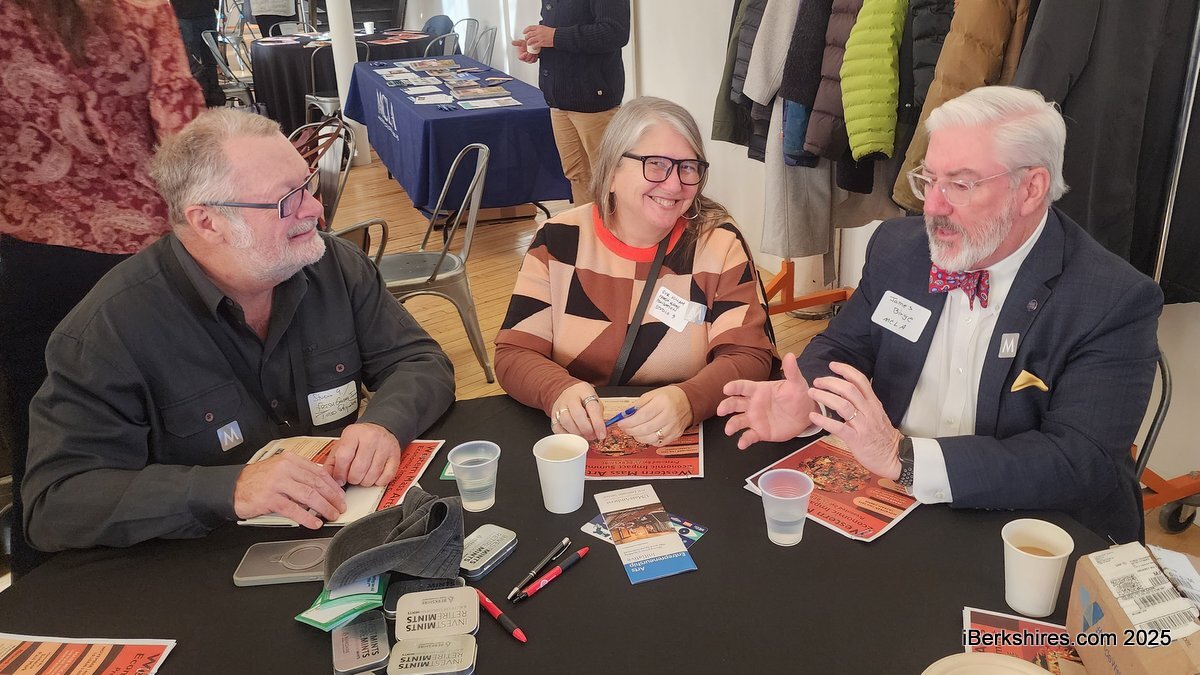
The possible loss of federal funding was on the minds of many at the summit, and referred to by the speakers. James Capuzzi of Susan B. Anthony Birthplace Museum in Adams said his takeaway was that Massachusetts is in a better place than some states in terms of forward-thinking and collaboration, given the federal funding climate.
"We're very much aware of the problems, and we have some steps in place toward fixing them. And so that was inspiring and kind of hopeful," he said. "Problems are still there, but we're here and working together. So many people came out from across the Western Massachusetts region, which was really just great to see."
Spilka of Ashland, in closing the summit, said Mark had done a tremendous amount for his district and the state as tourism chair.
"Paul, I believe, has a deep understanding that tourism, the arts and culture are not and, I even hate to use the word, but some have used it recently, they are not frivolous. They are absolutely essential to our economy, our success as a state, and fundamental, I believe, to the soul of the commonwealth," she said.
Spilka credited her mother for her appreciation of the arts, telling of how she would make her listen to opera, attend Broadway plays and encouraging reading. As a member of the Ashland School Committee, she had made sure the graduation requirements included credits in the arts and humanities.
Policies protecting and supporting arts, artists and cultural institutions are critical to the state's economic and social health, "particularly at this moment in time when we face a federal government intent on kneecapping the arts and defunding the institutions."
"I believe we need to continue to have summits like this, and thank you for pulling this together to collaborate and innovate and ensure that all of our arts and cultural institutions are moving together forward with progress," she said. "Because the more you have, one plus one plus one definitely equals a lot more as the sum of the parts."
Tags: creative economy, mass moca, state officials, summit,