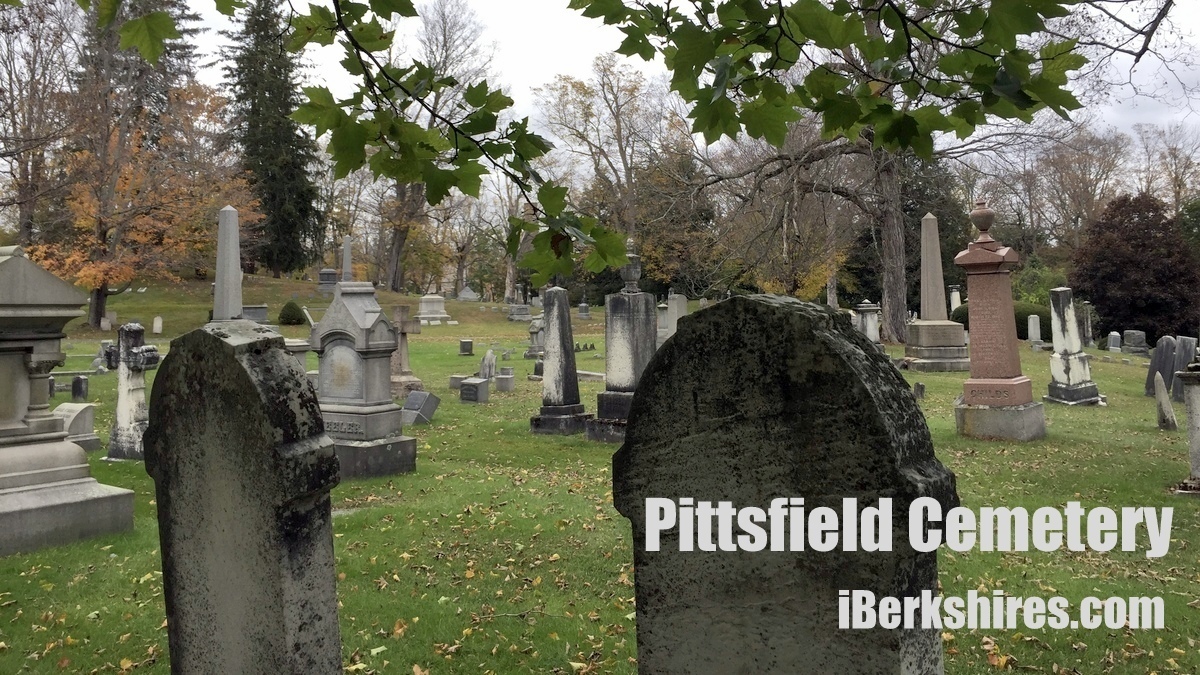
Pittsfield Health Board OKs Green Burial Policy
PITTSFIELD, Mass. — The Board of Health last week approved a policy that allows city cemeteries to offer green burials.
The board approved official guidance during its regular meeting on Wednesday, a couple of months after representatives from the independent Pittsfield Cemetery and Crematory requested a policy. "Green" generally means no embalming and no use of metal or hardwood caskets.
"The purpose is again to provide that guidance and standards for all Pittsfield cemeteries if they wish to become a hybrid cemetery and provide green burials. This is not for home burials. This is just for green burials at cemeteries," Director of Public Health Andy Cambi explained.
"It talks about the authority that we have, which, again, is to make reasonable health regulations, and we also have the authority to govern cemeteries and burials."
Green burial sites have no concrete grave liners or vaults, and use biodegradable materials for caskets and shrouds. Cambi added, "The intent is to allow for a natural decomposition and return of the remains to the earth."
He highlighted the environmental controls that are embedded in the policy. Green burial sites must be notified and approved by the Board of Health or city health agent, and the plan will be evaluated to ensure that the plot doesn't contaminate drinking water or is on unstable soils.
It would be the cemetery's responsibility to have the area assessed.
The policy utilizes setback requirements from the state, which require plots to be at least 300 feet from a private well and not within a FEMA Velocity Zone or 100 or 500-year flood zone. Grave markers are permitted, but not required, and a compliance area was added to the document.
"I also wanted to make sure that there's a consideration to pathological diseases, making sure that there's precautions, making sure that there's some infectious disease control, because there's a lot of state and federal rules against transporting or handling the burial remains. For instance, there are times that, when a body is transported to another country, we have to sign a letter saying that there's no known infectious disease, there was cause of death," Cambi explained.
"A lot of the other countries require that."
The Massachusetts Department of Environmental Protection recommends that local health boards develop standards and an approval process for green burials that includes a site plan submission, geological evaluation, and setback requirements.
The state also urges consideration for serious pathogenic diseases.
Board members recommended that the policy specifically state that it excludes home burials to clear up any possible misunderstandings.
Last year, the board was approached about home green burials, but didn't take any action to develop an ordinance. This policy applies only to cemeteries.
Tags: board of health, cemetery,