Berkshires Awarded Grants to Boost Woodland Restoration, Tourism
BOSTON, Mass. — The state awarded he Berkshire Naural Resource Council, Adams, Cheshire, Peru, and Williamstown grants designed to protect forests and boost local economies in Western Massachusetts.
Through the Woodlands Partnership Program, the Executive Office of Energy and Environmental Affairs (EEA) is providing funding, $310,000 in total, to six rural communities and three regional organizations focused on conservation and economic development. These grants will improve outdoor recreation opportunities in public forests, ensure community safety and implement sustainable forestry practices that
promote forest resilience.
In Berkshire County:
Adams - $25,000
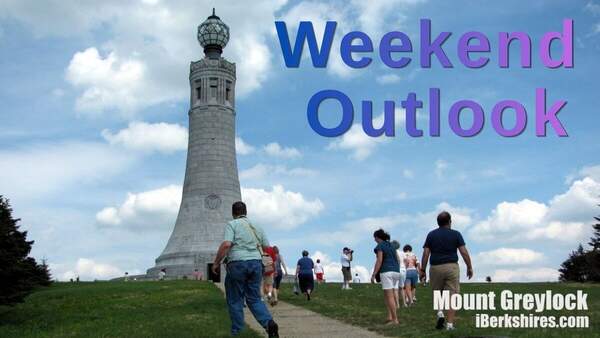
- An Invasive Plant Management Plan for Greylock Glen: Prepare an Invasive Plants Management Plan for Greylock Glen, focusing on areas under the Town of Adams' lease with the Commonwealth.
Berkshire Natural Resource Council - $25,000
- Hoosac Range Climate Smart Forest Stewardship Plan: Develop a Forest Stewardship Plan for BNRC's Hoosac Range Reserve, a 992-acre property located in North Adams and Florida.
Cheshire - $13,250
- Trail Kiosks: Install two informational trail kiosks on the Ashuwillticook Rail Trail for recreational users.
Peru - $25,000
- Fire Department Communications Upgrade: Purchase five new portable radios utilized by the Fire Department to ensure compatibility with digital upgrades to the E911 system.
Williamstown - $25,000
- Purple Trails Mountain Bike Trail Improvements: Construction of a one mile segment of critical intermediate level mountain bike trail within a professionally designed 20+ mile trail network in the mountains of Williamstown.
Forests play a central role in these communities. They support local jobs, improve air quality and shape the identity of the region," said EEA Secretary Rebecca Tepper. "This funding helps protect those natural spaces while supporting local efforts that ensure people can continue to hike, camp and enjoy the outdoors for years to come."
These grants support the goals of the Mass Ready Act by protecting forests and water resources while investing in the local economies that depend on them.
The Woodlands Partnership of Northwest Massachusetts was formed in 2018 through the collaboration of local residents, government officials, non-profits, and academic institutions. Together, they developed a comprehensive plan to drive economic growth and create jobs through sustainable forest management and tourism, which are vital for communities along the Vermont and New York borders.
Tags: woodlands partnership,