MassDOT, Construction Firm Interested in Stanley Park Lots

By Breanna SteeleiBerkshires Staff
Print Story | Email Story

PITTSFIELD, Mass. The Site 9 redevelopment project is close to being finished with only some final amendments before approval.

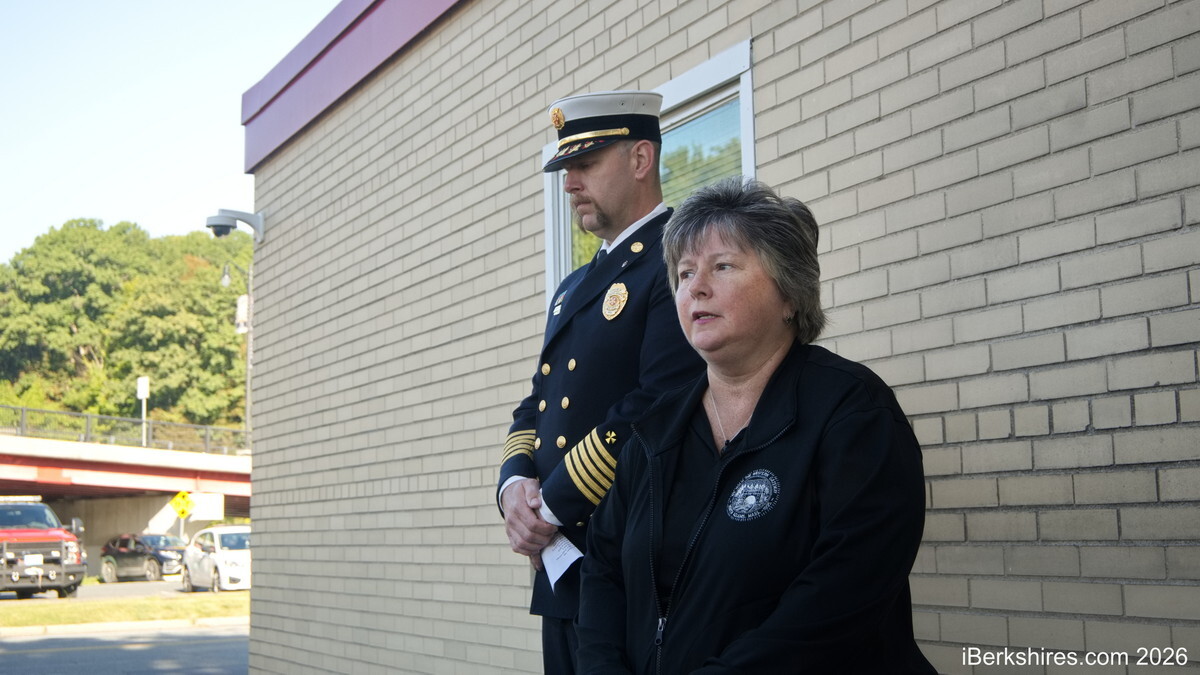
"Site nine redevelopment project, if you look out there, you can tell we're getting very close to being completed. What's going on now is we're working with Mass DEP and the EPA to finalize the amended ERE," said Executive Director Michael Coakley at last week's meeting of the Pittsfield Economic Development Authority.

The ERE refers to the "easement and restriction for environmental conditions" at the site, required by the state's Department of Environmental Protection and the U.S. Environmental Protection Agency.

The amended documents will be sent to the state for approval before transferring the property to Mill Town.

"Hopefully, within a couple weeks, we're going to be all set, and then we sign that and send it off to the commissioner of DEP, and then she will hopefully approve it right away. And then everything will be set, and then we can do the transfer of the property, the 4.7 acres, to Mill Town," Coakley said.

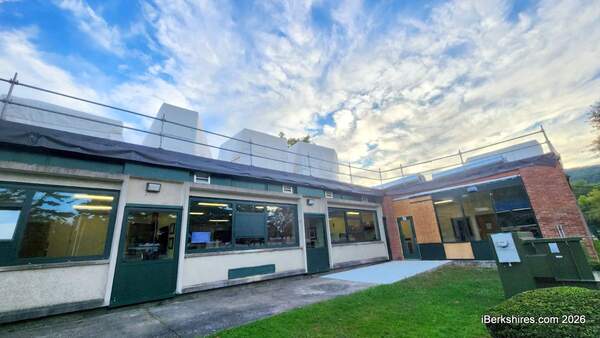
Coakley brought up the negotiations with state Department of Transportation to use the parking lot adjacent to the Berkshire Innovation Center as a training site for commercial driver's licenses and motorcycles, noting the agency is still interested.

He also brought up the parking lot at Silver Lake Boulevard that is of interest to be used by Ludlow Construction.

"Ludlow Construction, it's going to be doing major work on the West Street project coming up, and they are looking for an area to store their equipment materials, and they've contacted me about leasing that parking lot," Coakley said.

The board authorized Coakley to negotiate the terms of a licensing agreement for Ludlow Construction.

Coakley also said leases with these two organizations will bring about $60,000 annually.


Tags: business park,   PEDA,   
If you would like to contribute information on this article, contact us at info@iberkshires.com.

Clarksburg Students Write in Support of Rural School Aid

By Tammy DanielsiBerkshires Staff

Mason Langenback calculated that Clarksburg would get almost $1 million if the $60 million was allocated equally.
CLARKSBURG, Mass. — Eighth-graders at Clarksburg School took a lesson in civic advocacy this week, researching school funding and writing letters to Beacon Hill that call for fully funding rural school aid. 
 
The students focused on the hardships for small rural schools and their importance to the community — that they struggle with limited funding and teacher shortages, but offer safe and supportive spaces for learning and are a hub for community connections.
 
"They all address the main issue, the funding for rural schools, and how there's a gap, and there's the $4 million gap this year, and then it's about the $40 million next year, and that rural schools need that equitable funding," said social studies teacher Mark Karhan.
 
A rural schools report in 2022 found smaller school districts cost from nearly 17 percent to 23 percent more to operate, and recommended "at least" $60 million be appropriated annually for rural school aid. 
 
Gov. Maura Healey has filed for more Chapter 70 school aid, but that often is little help to small rural schools with declining or static enrollment. For fiscal 2027, she's budgeted $20 million for rural schools, up from around $13 million this year but still far below the hoped for $60 million. 
 
Karhan said the class was broken into four groups and the students were provided a submission letter from Rural Schools Advocacy. The students used the first paragraph, which laid out the funding facts, and then did research and wrote their own letters. 
 
They will submit those with a school picture to the governor. 
 
View Full Story

More North Adams Stories