Former CYC in Pittsfield Demolished
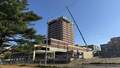
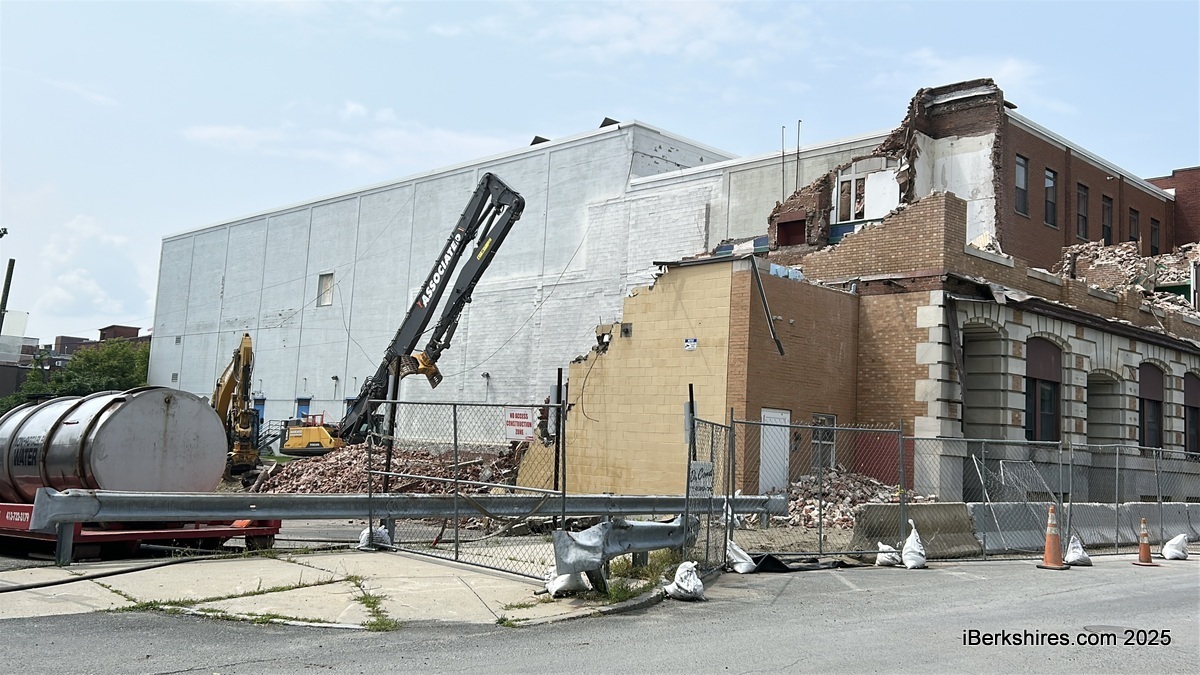
PITTSFIELD, Mass. — After more than 75 years on Melville Street, the former Catholic Youth Center is being reduced to bricks.
Only part of the building's facade remained Thursday as crews make way for an expanded playground that serves the Boys and Girls Club of the Berkshires' child-care program. The nonprofit purchased the abutting property in 2015, and it has reportedly been out of use since at least 2012.
Last summer, the Historical Commission voted to issue a demolition delay on the property, but it was withdrawn in the fall.
The club offers programs for children ranging from 2 years and 9 months to 5 years old. It also includes a SEED Program for children seeking an extra year before entering kindergarten.
"We believe that all children are special and unique, and develop at their own pace. They should be accepted unconditionally and treated with respect, patience, understanding and fairness. We also believe that play is essential to a young child's growth and development and that children learn by doing; through experimentation and 'hands on' experiences. While here at our Center, we encourage children to believe in and respect themselves and others, work and play cooperatively and have fun," the BGCB Children's Center website reads.
"At the Children's Center, we approach preschool education as a team; parents and teachers working together to ensure a positive experience for all of our children. Our mission is to provide a safe, nurturing and educationally stimulating environment where children, supported by dedicated teachers, can grow and thrive in all aspects of their development."
In August 2024, the Historical Commission issued a one-year demolition delay and hoped that the owners would come back with another plan. The more than 75-year-old building had been on the commission's list of endangered properties.
They then had a tour of the building and saw that it needed a significant amount of work.
Rather than having a "yearlong staring contest," the commission begrudgingly withdrew the one-year demolition delay in October 2024, recognizing that the owners were unwilling to save or sell it.
Club officials said saving the building would be a multimillion-dollar endeavor, and they were not willing to put housing in the space because they feel it would pose a risk to children in their programs. They shared sentiments about the former CYC and said this wasn't a light decision.
Tags: demolition,