North Adams Votes to Create Ad Hoc Committee for City Code Review
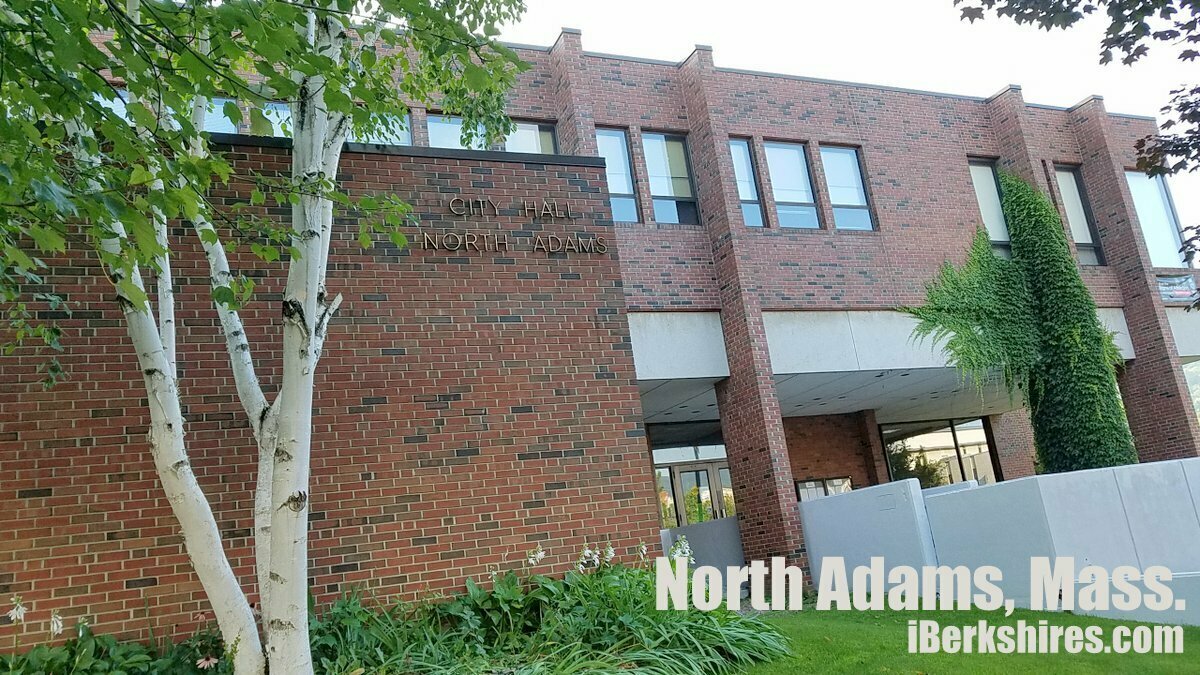
NORTH ADAMS, Mass. — The City Council approved the creation of an ad hoc committee to review the codification process and make recommendations.
The city has embarked on a recodification process that over the next two years will complete a review to find contradictory ordinances and regulations and outdated materials and language, ensure new ordinances have been properly recorded, and make the code cleaner and more transparent.
The total cost of the work will be $19,540 and is being undertaken by vendor General Code, which has maintained the city's code for 40 years.
The last time the code was updated was 61 years in 1964.
The committee will be comprised of three councilors, the city clerk and a representative of the administration appointed by the president. The mayor will also select members of her administrative team to act as advisers.
Councilor Lisa Blackmer questioned why Council President Bryan Sapienza brought the committee forward as an order.
"When we had other ad hoc, we haven't normally presented an order in my memory, but I could be misremembering," she said.
Councilor Keith Bona agreed, "we don't have to do it as an order so, but you are putting three councilors on there."
He wondered if it would be better to make it General Government-plus, since any ordinance changes would go back before that committee.
Sapienza said the ad hoc committee could recommend changes directly to the council. He also did not want to have quorum of any council committees on the ad hoc panel.
"I want this committee to act almost like an official committee," he said. I thought it better to do it this way."
The vote was unanimous with Councilor Peter Breen absent. Sapienza asked councilors to indicate if they were interested and he would make the appointments at the next meeting.
In other business, Blackmer brought forward missing language from the Smart Growth ordinance passed in 2021.
"Somewhere along the way, a page was missed and I'm not sure if it was the discussion or the publishing and voting," she said. "So we just need to basically look at this, have a joint public hearing with the Planning Board on the page of missing ordinance language, and then publish that and then pass to a second reading. ...
"This question kind of came up as they were codifying and so I just want to fix it and move on."
The order was referred to the Planning Board to set a joint hearing.
• A public hearing on National Grid installing a joint utility pole on Union Street was scheduled for the next meeting.
• Councilor Wayne Wilkinson lodged a complaint about not being able to see the mayor or others using the microphone on the other side of Council Chambers because of the Meeting Owl cameras' placement between the tables. He is seated at the far end of the table on the south side.
"Maybe it's because I'm short. Do they have to be there?" he said, adding that maybe the council was prejudiced against short people. ... right now, this is not tenable. I cannot see the mayor. I cannot see. Maybe I should get a booster chair."
Sapienza responded "whatever works for you" and Wilkinson said he'd bring one in if the situation wasn't rectified.
The council president said he'd have IT experiment to see if the cameras, which record the meeting for social media, can be shifted. Bona, who is seated at the other end of the table, offered to switch seats if possible. The councilors draw their seating positions each January.
"I can see everything from this location, and I won't need a booster seat," he said.
Sapienza and Wilkinson were going to discuss the issue further.
Tags: ad hoc committee, city code,