Two Educators Charged in 2024 Drowning of Herberg Student

PITTSFIELD, Mass. — Two educators have been charged with "preventable and reckless oversights" that preceded the drowning of a Pittsfield Public School student last summer.
On July 17, 2024, 12-year-old EarlGiver Essien was unaccounted for 70 minutes while on a field trip with Herberg Middle School's 21st Century Program to Beartown State Forest. Despite alarms raised by peers, she was not identified as missing until the group boarded the bus to leave, and was then found deceased when a teacher grid-searched the lake.
Meghan Braley, 29, and Linda Whitacre, 67, were charged Wednesday with involuntary manslaughter, permitting serious bodily injury of a child, and reckless endangerment of a child after an investigation revealed lapses in supervision and safety protocols. According to their LinkedIn pages, both worked for the district.
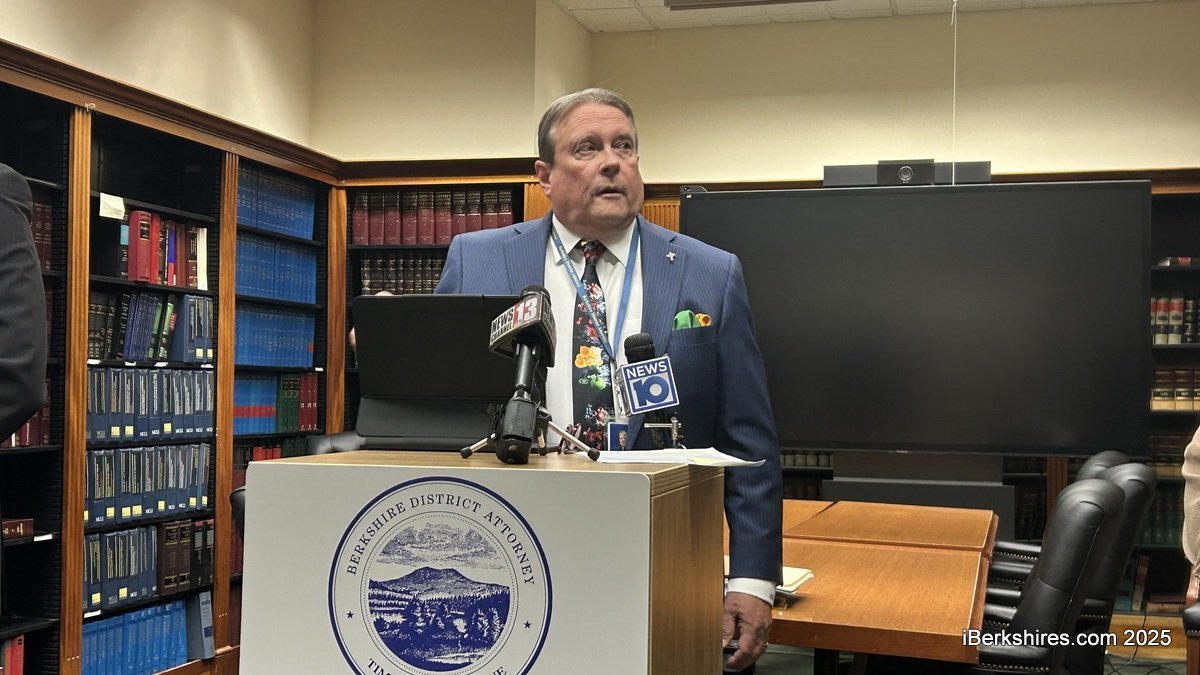
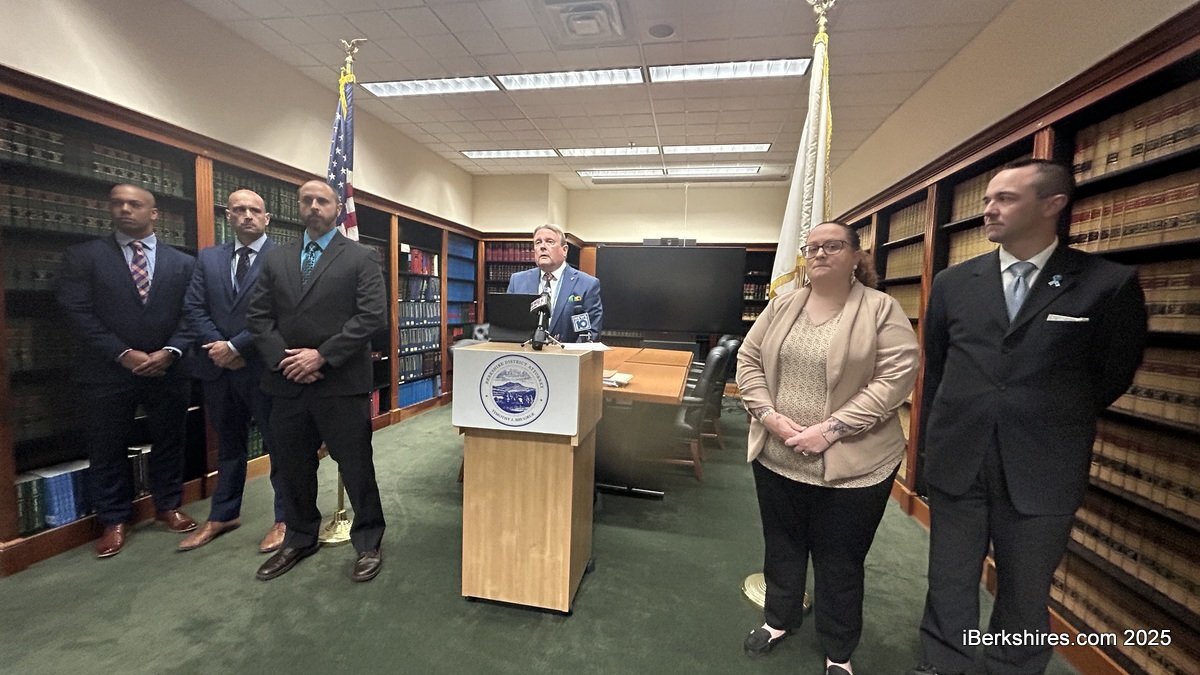
"They may not have intended this outcome, but their actions, or rather lack thereof, caused this incident," District Attorney Timothy Shugrue said during a press conference on Thursday.
This included a lack of swim tests, having a larger group than was reported to the lifeguard, no roll call or buddy system, no flotation devices, and reports of Essien going underwater that were allegedly ignored. Her parents had also indicated that she could not swim.
At the time of the incident, Whitacre was a program coordinator and Braley was a program site supervisor.
"If these rules and procedures were followed, this child would not be dead today. There's just no question in my mind," Shugrue asserted.
"Because she wouldn't have been in the water without supervision. She would have a buddy system. She wouldn't have been unaccounted for. We would have known where she was in the water, and even if she had gone under, you could have momentarily gotten her out of the water, but when you're in the water that long, it's unforgiving."
Activities for that day included swimming at Benedict Pond. According to the investigation, the trip was running behind schedule, so the plan for two swimming groups of about 15 students each was scrapped. Around 12:45 p.m., all 35 children were allowed in the water. A photo was taken of Essien in the water at 12:48 p.m. — the last photo that she would ever be in.
Students were loaded onto the bus between 1:30 p.m. and 1:42 p.m., where it became evident that she was missing.
"The last time she was seen was 12:48, so there was a period of time for 70 minutes that this child was unaccounted for," Shugrue said.
"And we don't know what time she get out of the water, but we know kids started leaving the water 1:07 and we're out of the water by 1:15. She was not reported missing until sometime between 1:30 and 1:42 and there was no calls made to 911, except for a local lawyer, Ira Kaplan, who happened to be there with family, called that at [1:47], and a child next to a teacher called at 1:46."
The investigation found that Essien was not identified as missing until after students had already boarded the bus. Then an "extensive" search began, initially, just limited to the dressing rooms, the bathrooms, and the outside areas of the pond, and a call was made to Essien's father to see if she returned to Pittsfield, "which was ludicrous," the DA said.
He emphasized the lack of compliance with Christian's Law , which ensures all minors in municipal and recreational programs or camps must be swim tested and provided with a personal flotation device if they are determined to be a non-swimmer or an at-risk swimmer. The law was enacted in 2012 following the drowning death of 4-year-old Christian E. Frechette of Sturbridge.
He said Whitacre, who had been cooperative in the investigation, indicated that she had no idea about the law. Braley, he said, has not been cooperative and is reportedly no longer in the area.
Shugrue said Essien's parents indicated that she could not swim.
"Christian's Law was not followed leading up to this trip to Beartown State Forest. While a permission slip form did exist, it did not mention swimming, and did nothing else to identify any type of safety plan in place. 21st Century staff were not provided with orientation plans for swimming activities at the pond. No swimming tests were administered prior to the trip nor on the day of the trip," he said.
"A permit pulled for the use of the state forest stated that 25 students would attend. Over 35 students attended the trip. While the lifeguard was present, the site supervisor allowed more children to enter the water than originally identified to the lifeguard. Originally, only 15 students were going to go swimming at one time, and two separate groups at two separate times. Instead, the site supervisor allowed all 35 students to access the water as the trip schedule was running behind. Thirty-five students in the water would require two lifeguards. ...
"The investigation revealed lapses in supervision and safety protocols during the trip. Although students were grouped initially, they frequently moved between groups without constant oversight. There was no roll call system in place to ensure children were accounted for while in the water, nor was there a buddy system or any other swim safety mechanism implemented. Accountability for the children's whereabouts in the water was unclear, if available at all. No list was maintained to identify who was swimming at any given time. Swimmers' abilities were not tested. Alarmingly, children who could not swim were allowed into the water, and life jackets or flotation devices were not available to staff, nor to the children. Giver could not swim."
The investigation further found that at least three children reported to Braley that Essien was struggling and had gone underwater, and "those warnings were ignored," said Shugrue. The student was reportedly waving her arms before she went under.
"It's not believed that [Whitacre] or [Braley] intended to harm any child on the trip, however, with being the role of administrator comes a profound duty of care," Shugrue said.
"Parents entrust summer programs with their children under the belief that these experiences will be safe and enriching. That trust carries immense responsibility. In this case, a series of preventable and reckless oversights directly contributed to the unintentional death of a child, of Giver."
Around the time of the 911 calls, Herberg teacher Jennifer Roccabruna swam the lake in a grid pattern until she located Essien in the water, and first responders worked for "well over a half hour" trying to revive her.
"I can tell you this. I have seen her on social media. She's doing a lot for public safety for water this summer. I commend what she's doing. I am sure this has affected her greatly. I feel bad for her," Shugrue said about Roccabruna.
"She was doing the fishing part of the event. She wasn't part of that, but when it was learned that the child was in the water, she went right to action, and she swam for — the child was found, I think it's 1:58, so probably a good 10 minutes or so that she was swimming that grid."
Essien was found underwater, and she is believed to have been there for about 50 minutes.
Her parents are reportedly on board with the prosecution but know it won't bring their child back.
"They are very forgiving people, but they've lost their daughter, and they just want to make sure this doesn't happen again," Shugrue explained.
"That's the biggest message they're saying, is that, and that's what we want to see, that this never, ever occurs again."
On June 18, 2024, the DA stood with city officials to address water safety at Onota Lake's Burbank Park. Less than one month later, the tragedy occurred.
"It could have been prevented. Giver should still be alive. This death should not have happened," he said.
"As summer begins, I've already received reports of unsafe conditions at local lakes and pools, large groups of children in the water with little supervision. I urge all caregivers and programs to understand the risk. Even strong swimmers must be watched. Drowning is silent, and it happens quickly. Watch your children, protect your children in your care."
Tags: drowning, manslaughter, Pittsfield Public Schools,