Pittsfield Mulling Ways to Rein In Offensive Public Comment
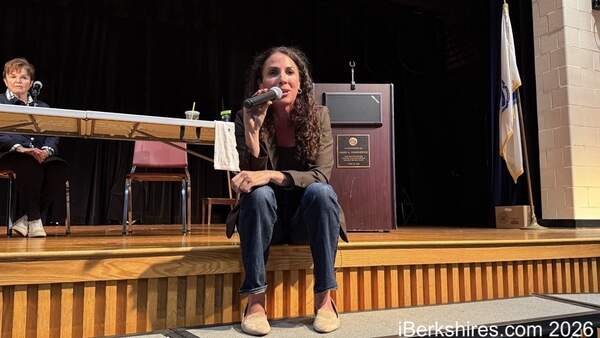
PITTSFIELD, Mass. — While the fate of public comment seems secure, city officials are considering how to avoid "concerning language" in residents' allotted three minutes.
At last week's City Council meeting, President Peter White read an email into the record to avoid an Open Meeting Law violation. He had replied "all" to a message from Berkshire Pride President Michael Taylor explaining, "I understand and empathize with the concerns you write to me about."
The conversation seemed to be around language used during public comment. The prior day, a resident called one of the councilors a derogatory name directed at people who are lesbian.
White said this matter may come before the council and is within its jurisdiction.
"I started internal conversations regarding the open comment period at our City Council meetings a while ago. I have explored the legal options to address this. We continue to have these conversations with City leadership and our City Solicitor. We will continue to reach out to other communities and resources," White wrote to Taylor.
"Many of us are also concerned. As President, I cannot simply get up and leave an open meeting. Also if we have less than 6 Councilors in the room, we could face other issues. Up to this point I have believed giving the opportunity for the public to speak, outweighs some of the concerning language used by members of the public. Maybe that needs to be re looked at. Before proposing anything drastic, I am working with the City Solicitor and City leadership for alternatives."
Councilors have walked out of the City Hall chambers in response to things said during public comment, particularly around people's sexuality. Speaking about the transgender community, the public commenter also said, "I hope our wonderful president forces all of them back into the closet because that's where they belong."
White referenced the Supreme Judicial Court's 2023 ruling that government officials cannot silence members of the public based on the substance of their input during public comment periods of government meetings.
"While content during this portion of our meetings is considered objectionable by some, at this time we will continue to offer an open comment period because what you are asking may not pass legal scrutiny. It would also silence all voices because of the actions of very few," he wrote.
"I will continue to research this matter and welcome any suggestions you may have. I do not see the Council responding to commenters who speak at the open comment period, however, I am exploring alternative language that could be used before open comment begins. Any reactionary comments after public comment period during the meeting could face other scrutiny under open meeting law."
He pointed out that some governmental bodies don't have open comment at all or have it at the end of the meeting, and thanked Taylor for his "advocacy for the people in our community."
"Open comment is not required by law. I would like to avoid eliminating this opportunity for the public to speak to us before meetings," White wrote.
In replying all, the message was forwarded to the entire City Council, Taylor, Cass Santos-China, Emma Lenski, Dennis Powell, Shirley Edgerton, Darcie Sosa, and City Solicitor Devon Grierson.
Tags: public comment,