Stop & Shop Boosts BCC Food Pantry by $7,500
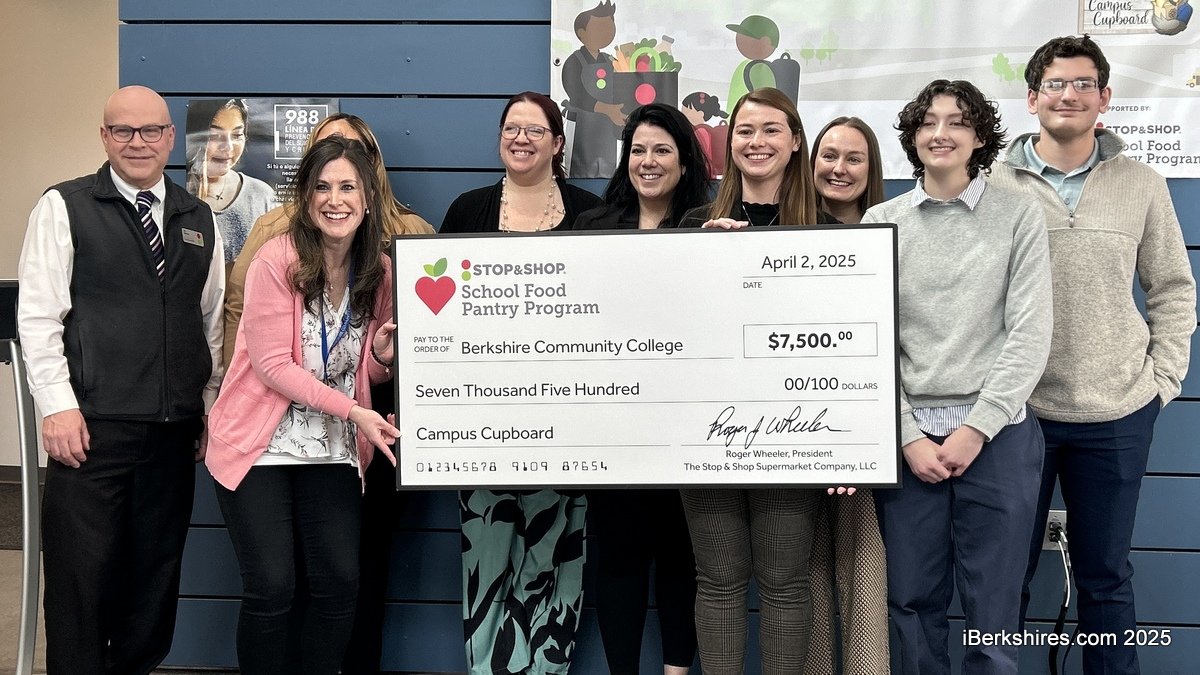
PITTSFIELD, Mass. — Stop & Shop boosted Berkshire Community College's food pantry by $7,500, providing students with nutritional stability while focusing on education.
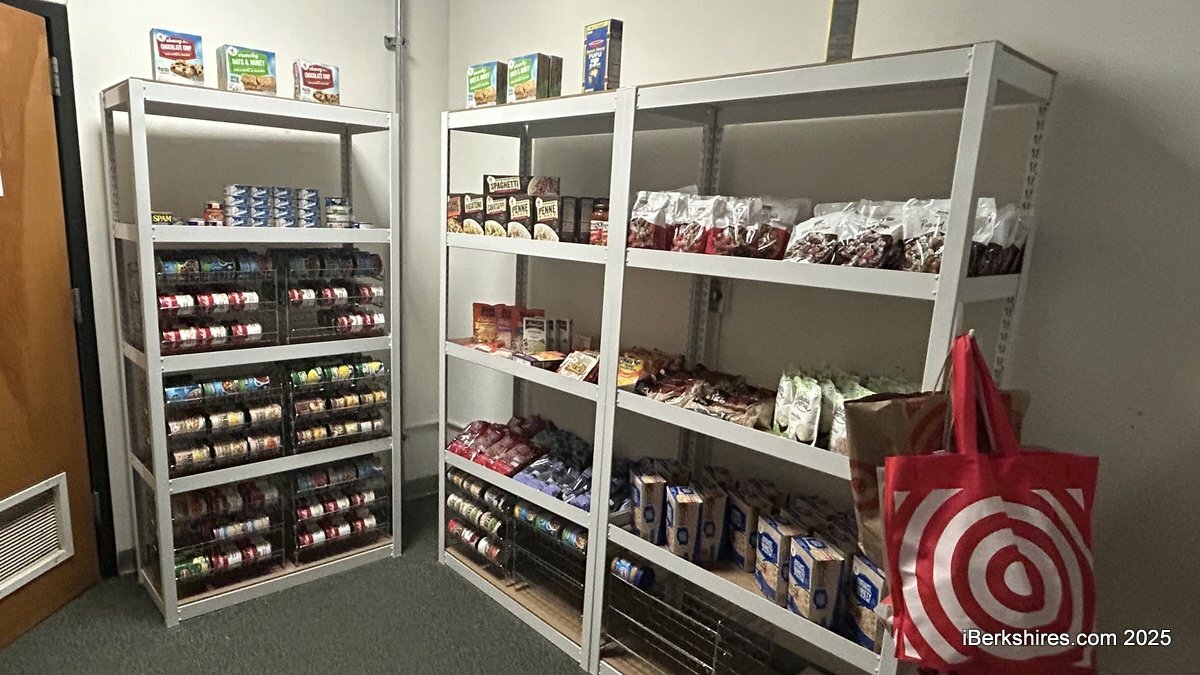
Late last year, Stop & Shop donated $7,500 in gift cards to BCC for its Campus Cupboard, making it the 50th college partner of the grocery's School Food Pantry Program. This stocked the on-campus pantry with food and toiletry items available for any student or staff member in need.
"The dedication that we have seen from the staff here, not just in preparing for today's event, but their commitment all year round to supporting the students here has been just truly a sight to see," said Shannon Karafian, the grocer's School Food Pantry program manager, noting "We know there's a need."
BCC's essential needs coordinator Meghan Donnelly said the donation, made in November, has tremendously impacted the college community and will be instrumental in assuring the pantry shelves have a variety of stock.
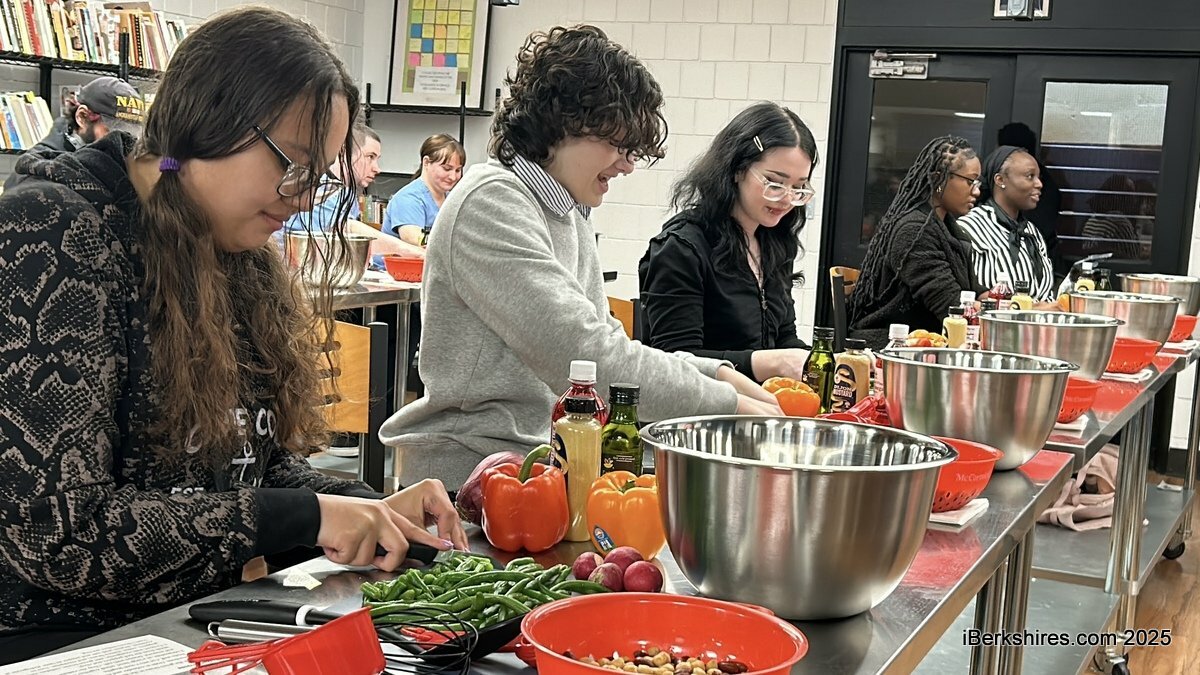
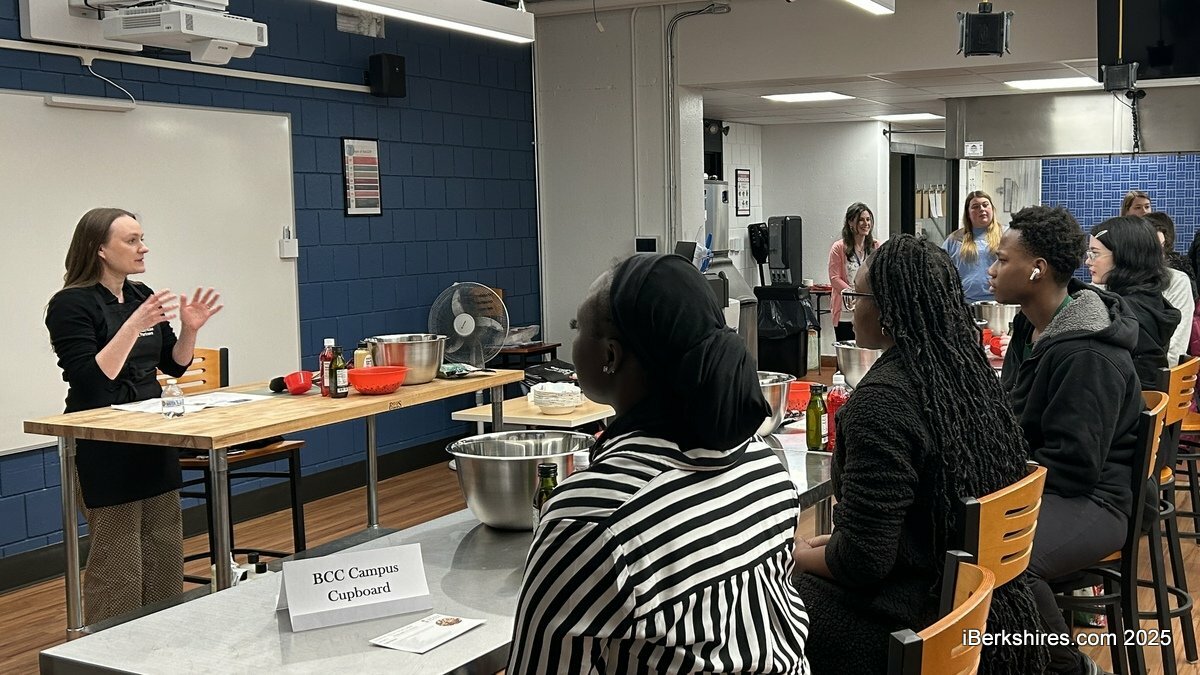
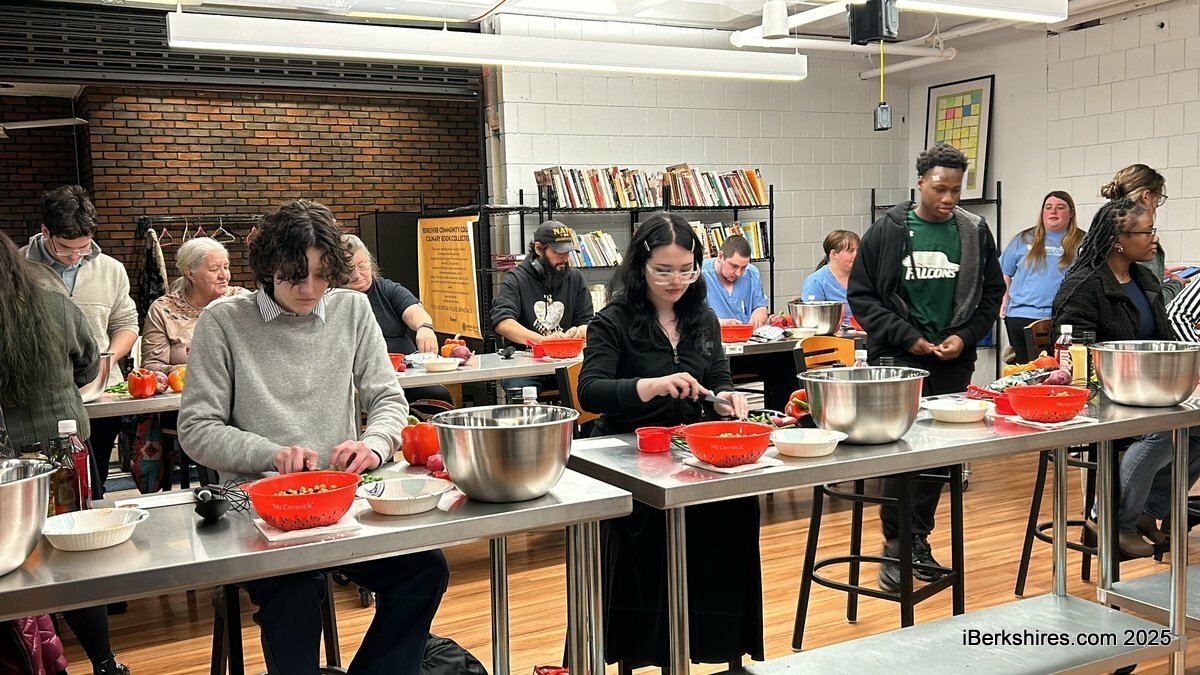
"We were thrilled to have the money," explaining that the grocery chain took care of the Wednesday's events marking the donation, including a cooking lesson and goodie bags.
"… They have just been absolutely wonderful with supporting us, and we're super, super grateful for their collaboration."
Donnelly is glad to see "quite a bit of growth" in the panty this year and noted the students' kindness and consideration around it. She often hears them worry that someone else might need it more.
"We really want to kind of eliminate that, eliminate the stigma with using this, because students are working so hard and are putting in a lot of hours, a lot of various roles that they're playing," she said.
"I have a lot of students who have children of their own, other family obligations with caring for elderly parents, so anything that can take that load off and support them so that they don't feel like they have to work tirelessly to make ends meet is something we're really trying to do."
The college program supports students with food insecurity, housing, transportation, child care, health insurance, and "really, any issue that might arise that could potentially prevent them from being able to continue with their studies."
A 2023 survey by the Massachusetts Student Public Interest Research Group found that 44 percent of public university and community college students in Massachusetts faced food insecurity at some point in the year.
"We know that this is something that you can generalize to college campuses across the country, and students are not able to succeed either in or outside of the classroom without consistent access to healthy foods, and that's why in 2019 we started our Stop & Shop School Food Pantry program," Karafian said.
"We're working with schools that are pre-K through post-grad so that we're able to create in-school food pantries to support their students and their families. We're proud to be working with over 260 schools now across the five states we serve, serving over 40,000 students and families on a monthly basis."
Student Government Association President David Castegnaro said that with rising food prices, resources like the Campus Cupboard have become vital to students.
"The Campus Cupboard has provided support to so many who may not always have the means to purchase food outside of campus," he explained. "Its extended hours, from 8 a.m. to 4 p.m., have made a significant difference, giving students access to food even after other places might have closed or when prices elsewhere are too high."
A few weeks ago, he and other students visited the State House for the Hunger Free Campus Initiative event hosted by MassPIRG, and a couple of SGA individuals shared stories about their personal struggles with hunger and how the Campus Cupboard has made a lasting impact on their lives.
Castegnaro is also a Stop & Shop employee.
"Reflecting on my journey balancing my role as a Stop & Shop employee, being a dedicated BCC student, and taking on the responsibilities of a student leader has significantly shaped me in many ways," he said.
"Working at Stop & Shop has played a significant role in enhancing my leadership and communication skills as well. As a leader, strong communication is essential. Being able to effectively connect with people of all ages, backgrounds, and all walks of life while showing them that respect is truly something I value deeply, and in the customer service industry, especially, it's crucial to always perform at your best."
He explained that at work, you encounter customers with a wide range of personalities and specific needs. Each interaction requires patience, understanding, and adaptability.
"Additionally, being a student leader means representing not only yourself but your college community, both on and off campus," Castegnaro said. "Serving as an ambassador for BCC is something that I take pride in, truly."
SGA member Ash Smith said the food pantry has "eased my mind and filled my plate," and advocated for MassPIRG's food insecurity efforts.
MassPIRG is a statewide, non-partisan, student-advocacy organization with chapters on college campuses across the state. For nearly 50 years, it has run campaigns to protect the environment and public health, alleviate poverty, make college more affordable, and strengthen democracy.
"Having to think about where your next meal will come from is truly debilitating, especially with the added stress of college and other life struggles," Smith said.
"Having access to affordable food should not be considered a luxury."
Morgan Mickle, a first-year liberal arts student, assists Donnelly for the school's work study program, and as a person whose family is food insecure, stressed the importance of asking for help.
"Coming here [to BCC], nobody treated me like I was stupid for not knowing anything," Mickle said.
"If I needed help, if I needed financial aid or the work study program, they're very forthcoming and inviting, and they don't make you feel bad for needing help, which is the hardest step is doing that outreach."
Karafian said hunger should not be a barrier to education and students should not have to choose between purchasing food and purchasing textbooks.
"Students shouldn't have to be anxious at the end of the semester when meal dollars are running low, and that's why having amazing partners like Berkshire Community College makes all the difference," she said.
The Campus Cupboard in the Susan B. Anthony Center is open Monday through Friday, 8:30 a.m. to 4 p.m., and can be accessed by stopping by the Student Engagement Office in SBA or by emailing studentengagement@berkshirecc.edu.
The college is always accepting donations for the pantry, and there are no income requirements to use it.
Tags: BCC, food insecurity, Stop & Shop,